
Pigs can play a powerful role in a thriving homestead—turning food scraps into rich compost, improving your soil, and filling your freezer with high-quality meat. But before you bring home your first piglets, it’s essential to choose a breed that aligns with your land, lifestyle, and long-term goals. In this guide, we’ll explore why breed selection matters and how to find the perfect fit for your homestead vision.
Pig Breed Guide
When you’re first starting with homestead pigs, you will have to decide which breed is right for you. Learn why pig breed selection is important and how to choose the right pig breed for your homestead or farm.
More pig breed and farming advice . . .
This article is part of the series The Complete Guide to Raising Pigs in Your Backyard.
- The Process and Timeline of Raising Meat Pigs
- The Benefits, Myths, and Downside of Keeping Pigs
- A Glossary of Pig Farming Terminology
- Raising Pigs: Housing, Fencing and Supplies
Think of raising other livestock on your farm or homestead? These articles cover the basics from chicken breeds to dairy farming.
- Choosing the Right Chicken Breed for Your Homestead
- Owning a Horse: Breeds, Care, Supplies, Tack, and Equipment
- Boosting Dairy Farm Productivity With Climate Control Strategies
- How to Create a Wildlife Friendly Garden in Your Own Yard
Why Does Pig Breed Matter?
When you venture to add pigs to your homestead, you may be tempted to purchase whatever you can find. But there’s no rush. New litters of piglets are born every day. You do not need to settle for the first option that comes along.
Some breeds can be aggressive, require a more experienced handler, or take much longer to reach slaughter weight. This can make your first experience of pig farming much more challenging than necessary. Set yourself up for success and do your research before making your first piglet purchase.
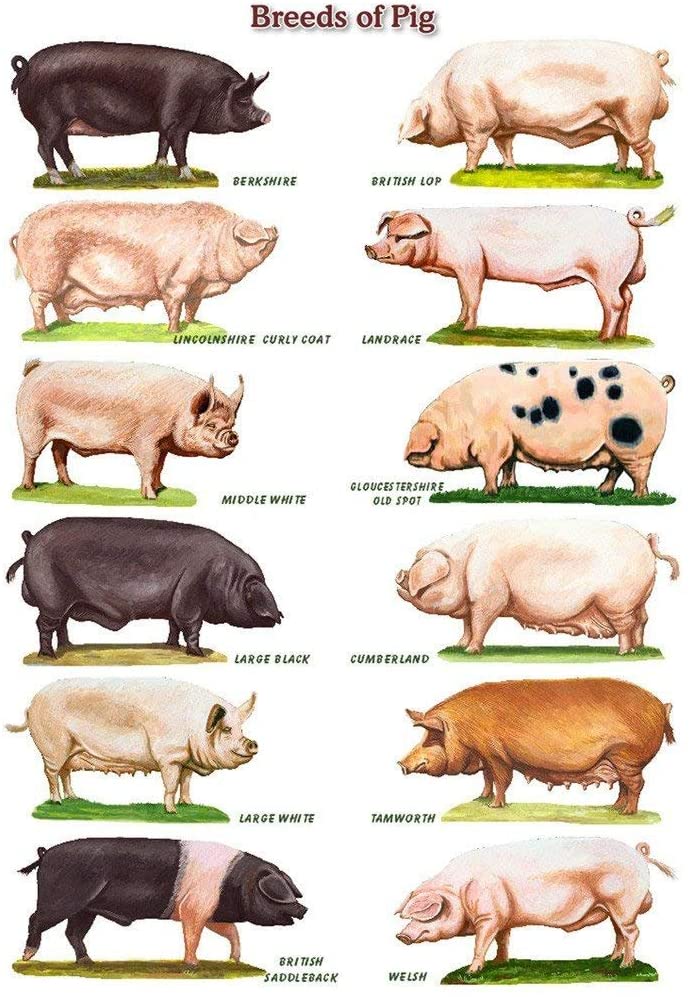
There are several factors to consider when determining which breed of pig will work for you. Size, temperament, foraging ability, and meat flavor are some of the most important qualities. You will also want to ensure that the breed you choose is well-suited to your climate.
To learn more, read Know Your Hobby Animals: A Breed Encyclopedia: 172 Breed Profiles of Chickens, Cows, Goats, Pigs, and Sheep. It offers more breed ideas and in-depth descriptions that won’t fit in a blog post.

Pig Breeding Stock
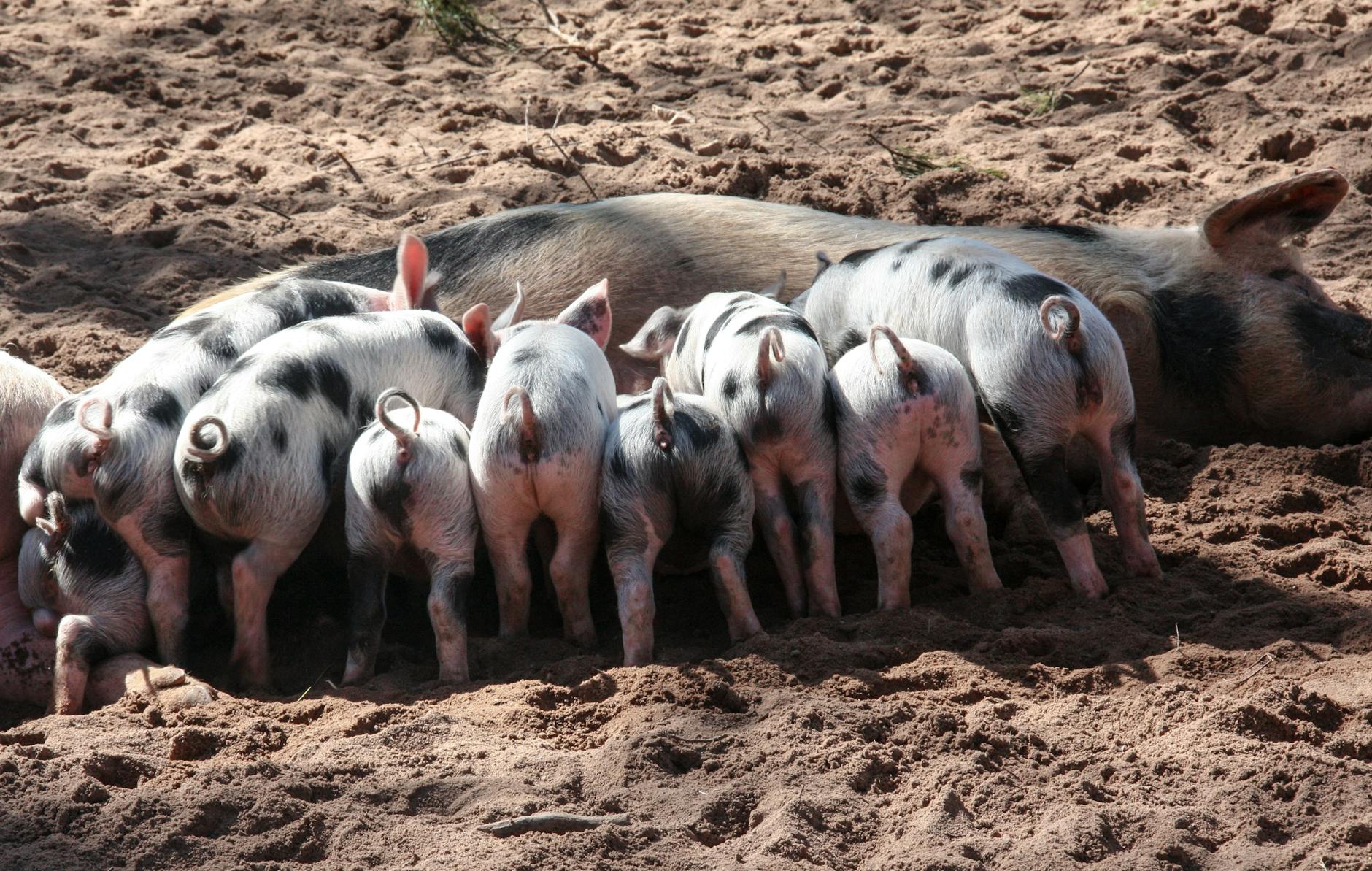
Breeding might be part of your homestead plan. If so, choose a breed with large litter sizes. The breed should also have strong mothering instincts.
Red wattle pigs are one of the best choices for the novice breeder. They are extremely fertile, producing litters of 10-15 piglets. They have a docile temperament and make excellent mothers.
Gloucestershire old spots typically have litter sizes of 10 or more. They are a docile breed. However, they may be better suited to experienced farmers.
Large black, tamworth, therefore, and mulefoot pigs typically have litters of around 6-10. They have manageable temperaments for beginner to intermediate experience levels.
To learn more about starting a breeding program for beginners, I highly recommend reading Small-scale Outdoor Pig Breeding. Although it is aimed at a British audience, it explains the entire breeding process. This book is useful for any novice pig farmer.
Heritage Pig Breeds
If you’re a fan of this blog, you will often hear me rave about “heirloom” fruits and vegetables. In the livestock world, this same classification is referred to as “heritage”. Heritage breed is a term used for livestock with purebred bloodlines that date back hundreds of years.
These days, farms that specialize in raising heritage breeds often use organic farming methods. They raise their stock on pasture. This helps achieve higher vitamin and antioxidant levels within the animals themselves. This can also cause market prices to be much higher for heritage pork than traditional commercially raised products.
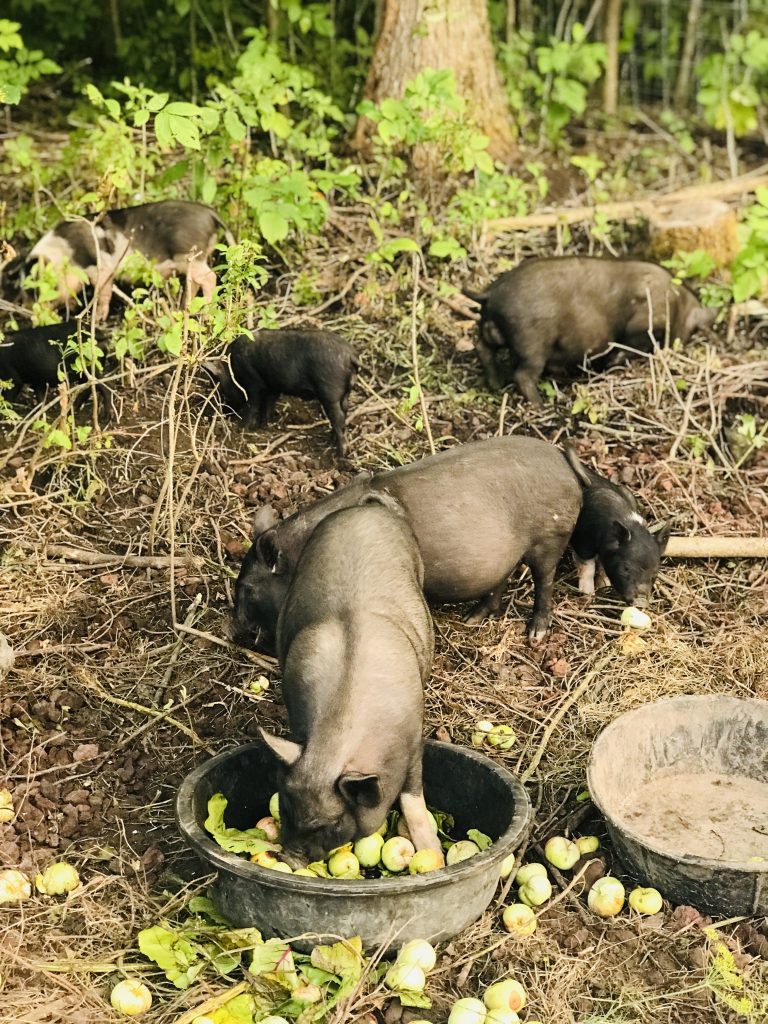
Why bother with a heritage breed? First of all, the flavor! From food bloggers to world-famous chefs. The buzz is going around about just how delicious heritage pork recipes really are. After raising 10 American Guinea Hogs in 2018, I can wholeheartedly agree. There is very little shrinking when cooking the meat and it is full of tenderness and flavor.
Many heritage pig advocates emphasize more than just superior flavor. They urge people to utilize these animals on their small farms. This helps increase demand and ensures that the breeds don’t go extinct. If preserving heritage breeds interests you, the book An Introduction to Heritage Breeds: Saving and Raising Rare-Breed Livestock and Poultry is a wonderful read!
Cross-Breeding
Cross-breeding is a commonplace practice used to capitalize on favorable traits of each breed, a process known as heterosis. Using a cross-bred sow often yields the best results. This practice positively impacts attributes such as litter size, conception rate, piglet survival rate, and growth. In short, cross-breeding can produce heartier, healthier offspring with fewer health issues. I have personally raised several yorkshire/landrace crosses and absolutely loved the results.
Pig Breed Temperament
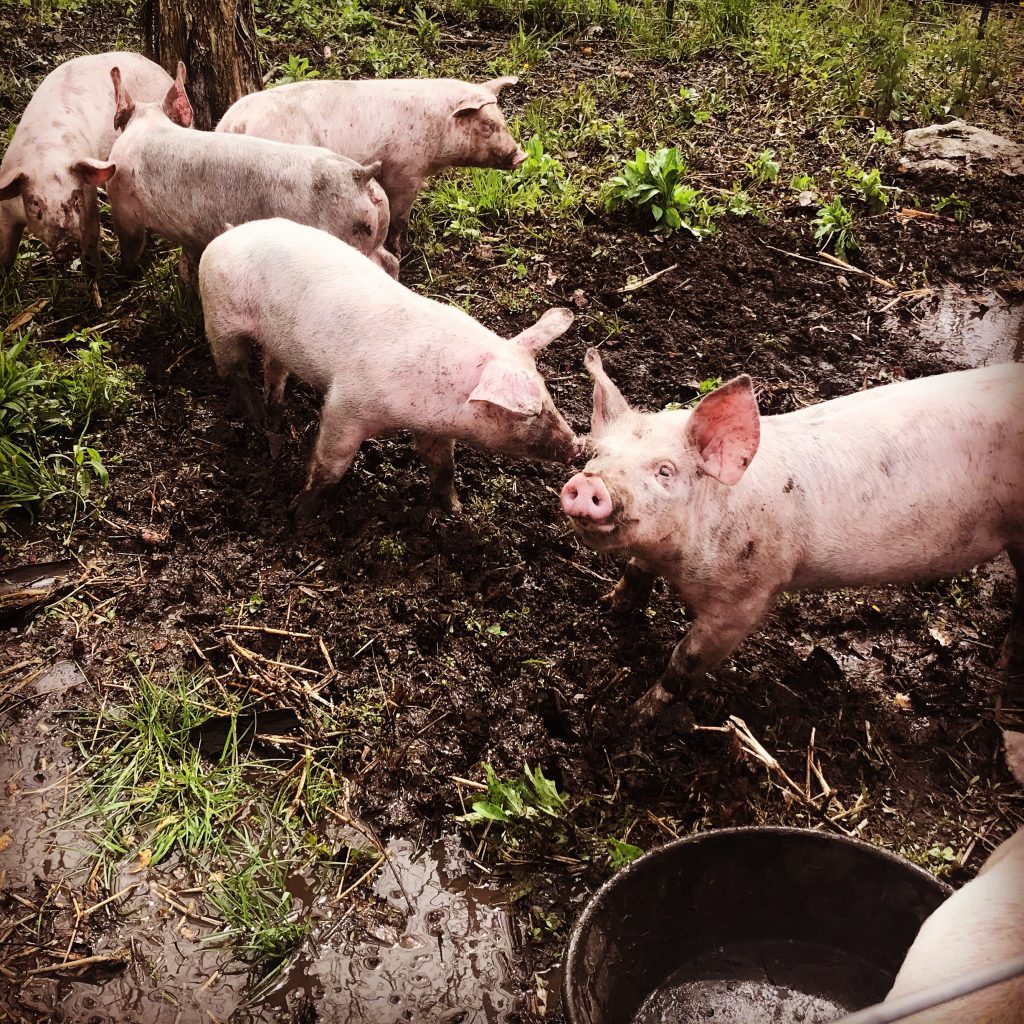
Pigs are highly intelligent creatures that respond to socialization and training via food rewards. They love to play. They are extremely social with both humans and other pigs. They can also be sensitive and shy. For these reasons, a pig’s disposition is often in direct correlation with their care and treatment.
Like any animal, a mistreated or neglected pig can become aggressive. However, if properly fed and cared for, with regular human interaction, most pigs are docile and friendly. They happily come to greet us when we visit their enclosure, eagerly awaiting whatever goodies we brought them. They enjoy back scratches and touch their noses to our hands when offered. Pigs are a great learning experience for kids.
Pig Breed Size
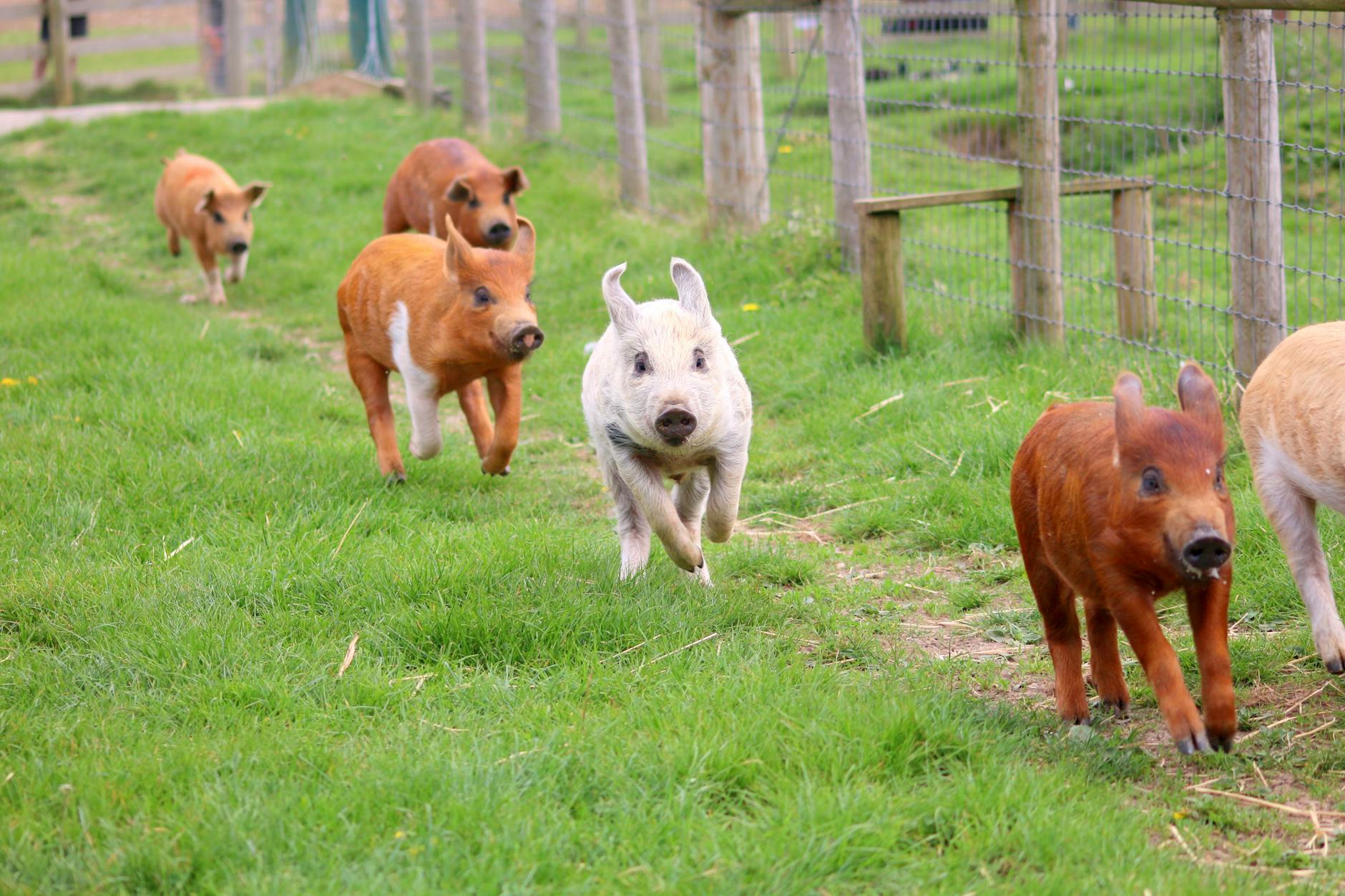
When we imagine raising pigs for meat, we typically picture the 300-pound pink fair pigs. However, there are so many more choices out there. Most commercially raised pig breeds need to reach 250-300 pounds to be considered market weight. However, many smaller heritage breeds can go to market when they have reached the 150-180 pound range. These breeds include American Guinea Hogs, Kunekune, Choctaw, and Ossabaw Island. Homesteaders often choose smaller breeds since they are easier to handle and transport.
One important consideration when choosing a smaller breed of pig is that the butchering costs will be higher. Most butchers charge a “kill fee”, and then have a set price per pound for different cuts and preparations. Tell them if you want smoked ham and bacon cuts or specialty salt-cured sausages.
For example, with a kill fee of $50, 10 pigs that are 150 pounds cost $500 to butcher. In contrast, 5 pigs at 300 pounds each cost only $250. Both costs are added to the cost per pound of hanging weight. I have even had a butcher be annoyed at the prospect of butchering smaller, “pot-bellied” pigs (American Guinea Hogs).
Different breeds also mature at different rates. The longer a pig takes to reach market weight, the more feed it will consume, which increases costs. Berkshire pigs are one of the most efficient pig breeds in terms of growth and reproduction.

Foraging Ability
In their natural habitat of forests and wetlands, pigs thrive by eating only what they can find. A foraged diet includes worms and insects, fresh plant foliage, berries and flowers, roots, nuts, fish, frogs, snakes, birds, and rodents. Pigs stick together as a group when foraging. They return to their shelter to sleep together in a giant pig pile. They are highly social animals.
When pigs forage, they use their noses to dig the earth which is known as rooting. While all pigs have this ability, some breeds such as Berkshire, Tamworth, Mulefoot, and Choctaw, excel at foraging. If you plan to keep pigs on a large pasture, choose a breed that can supplement its food supply. This can reduce costs and improve meat flavor.
Meat Flavor
Meat flavor is hugely affected by a pig’s diet and lifestyle. However, certain pig breeds are known for their superb taste.
Tamworth is considered one of the best pigs for bacon.
Hampshire pork is quite lean while Mangalista is known for a high fat content.
Red Wattle and Ossabaw are both full of spicy, bold flavor while Duroc pork is more mild and juicy.
Gloucestershire old spots produce pork that is nutty and marbled with fat.
If you are raising pork for your own consumption, consider your family’s taste preferences when selecting a pig breed. If you will be offering pork to the general public, research local demands. This will ensure that your product meets the needs of your market.
Common Pig Breeds
These breeds and their crosses are more popular in the USA and are easier to find when searching for piglets.
- Berkshire
- Duroc
- Chester White
- Danish Landrace
- Hampshire
- Yorkshire
- Gloucestershire Old Spots (Spotted)
- Poland China
Less Common Pig Breeds
These rare breeds can be difficult to source and are often raised by small-scale farms.
- Tamworth
- Hereford
- Large White
- Red Wattle
- Welsh
- Brittish Sadleback
- Cumberland
- KuneKune
- American Guinea Hog
- Mulefoot
- Ossabaw Island Hog
- Large Black
- Hungarian Mangalista
- Choctaw Hog
- Lincolnshire Curly Coat
To Learn More About Raising Pigs . . .
Learn the fundamentals of raising pigs in the 6-part series The Complete Guide to Raising Pigs in your Backyard.
Chickens, Horses, and Cows, Oh my!
Think of raising other livestock on your farm or homestead? These articles cover the basics from chicken breeds to dairy farming.
- Choosing the Right Chicken Breed for Your Homestead
- Owning a Horse: Breeds, Care, Supplies, Tack, and Equipment
- Boosting Dairy Farm Productivity With Climate Control Strategies
- How to Create a Wildlife Friendly Garden in Your Own Yard
Leave a comment below and share your ideas!

Subscribe
More Ideas for your Farm or Homestead
I hope you enjoyed these inspiring pig breeds for your homestead or farm. Comment below with your favorite breeds to raise!
Looking for more inspiration?
- 75+ Side Hustles for Farmers to Boost Income
- Farm Layout Ideas: Site Plan Designs for Your Homestead
- 9 Expert Tips To Plan Ahead For The Next Farming Season
- Inspiring Reasons to Start Your Own Farm
- How To Find Your Dream Property For Starting A Homestead
- The Biggest Mistakes Families Make when Inheriting Land
- Why Building Your Own Home Is Achievable and Affordable
- My Passion for Permaculture (and how to apply it to your homestead)!
- Is Geothermal Right for You? (Taking Your Homestead Off-Grid)
- How to Start Homesteading Where You Live Today!
- How to Keep Kids Safe on the Homestead
- How to Teach Frontier Children Confidence
- How to Choose the Perfect Location to Invest in Real Estate
- My Homesteading Journey: Year One
- The Process and Timeline of Raising Meat Pigs
- Boosting Dairy Farm Productivity With Climate Control Strategies
- The Bare Soil Dilemma
- The Comprehensive Guide to Raised Bed Gardening
- Raised Bed Vegetable Garden Plan
- Planning a Survival Garden for Food and Medicine
- Chaos Gardening for Perpetual Harvests
- How to Grow a Medicinal Tea Garden (Plus over 40 Plants!)
- How to Build a DIY Outdoor Pizza Oven
- Rural Tech Tools That Make Country Living Easier
- The Art of Homesteading Relaxation: Why Rest is Your Greatest Tool
- The Ultimate List of Gardening Skills
- The Ultimate List of Homesteading Skills!
Share this Post on Social Media!
For more inspiration, follow my Pinterest Board: Homesteading and Farming.

How can I get this breed? I’m from Southwest Nigeria. This is my e-mail address lucianto2@gmail.com
I found this piece very useful and I look forward to an email engagement.