
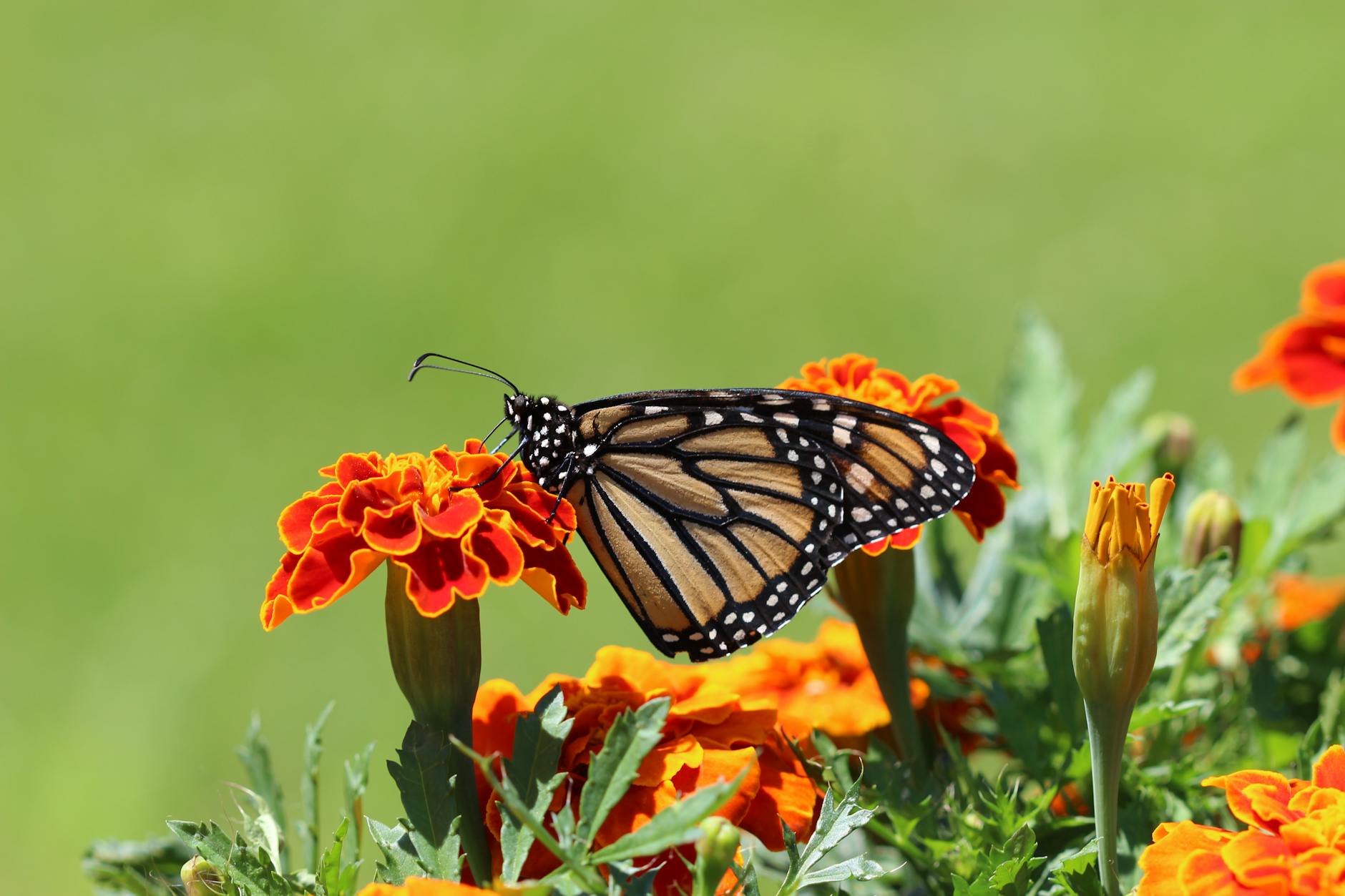
Everything you do as a household impacts the environment—for better or worse. More and more families today are realizing that their yards can become part of the solution. By making small, intentional choices, you can transform your outdoor space into a thriving wildlife friendly garden that supports local ecosystems.
Wildlife—from bees and butterflies to birds and hedgehogs—plays an essential role in maintaining balance in nature. Your backyard may be the only refuge many of these creatures can find in an increasingly urbanized world. The good news? Creating a garden for wildlife is easier than you think, and the rewards are twofold: a vibrant, buzzing yard for you and a lifeline for local species.
Here are practical and inspiring ways to create a wildlife friendly garden this year.
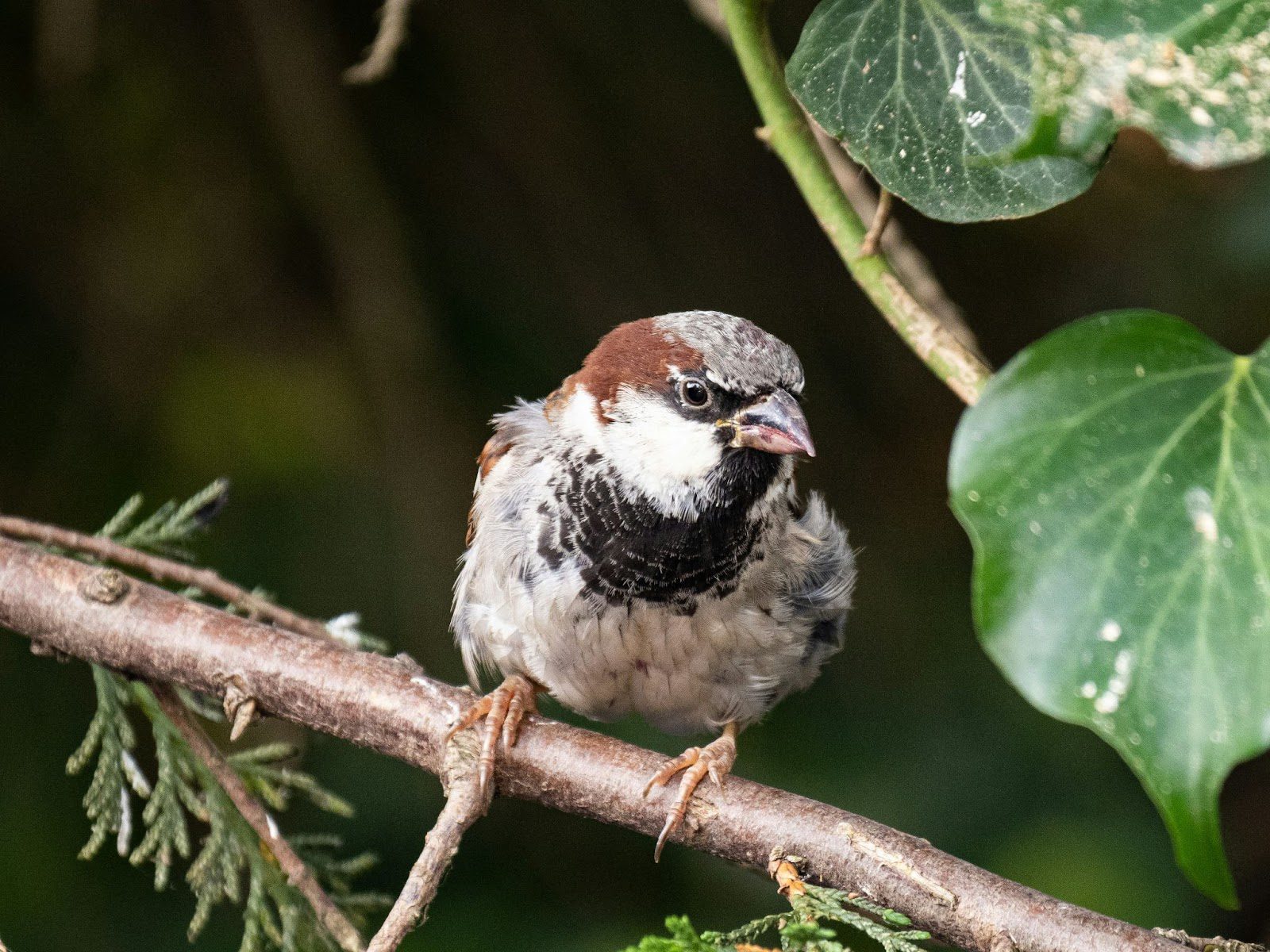
Increase Plant Diversity Year-Round
The foundation of a wildlife friendly garden is plant diversity. The more you offer, the more wildlife you’ll attract.
- Choose native plants—they’re naturally adapted to your region and provide the nectar, pollen, and shelter local wildlife needs.
- Plant species that bloom in succession throughout the year to provide continuous food sources.
- Include a mix of perennials, annuals, bulbs, and herbs to support pollinators in every season.
- Add groundcover, tall flowers, and climbers to provide layers of habitat.
? Tip: Think of your garden as a buffet for bees, butterflies, and other pollinators. A mix of colors, shapes, and bloom times will ensure they never leave hungry.
For more eco friendly garden ideas, read Building a Climate Victory Garden to Regenerate Soil.
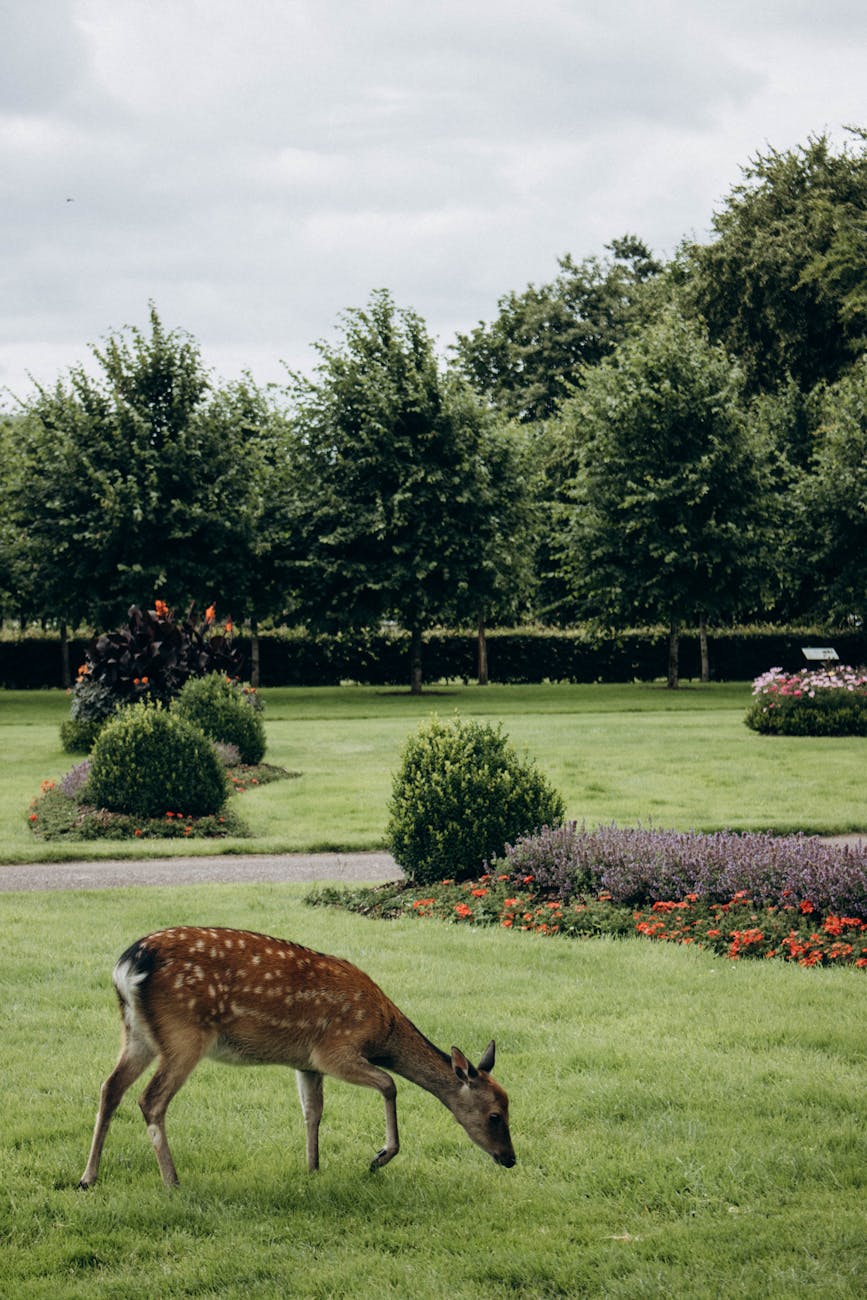
Include Trees and Shrubs
Trees and shrubs are more than landscaping—they’re lifelines.
- Fruit and berry bushes like elderberry, serviceberry, or viburnum provide food for birds and mammals.
- Evergreens create year-round shelter and nesting spaces.
- Flowering trees supply nectar in spring when pollinators are most active.
- Dense shrubs act as hiding places for small mammals, frogs, and nesting birds.
? Pro Tip: If your trees need pruning or maintenance, call tree services rather than removing them entirely. Even deadwood can host beetles and provide natural hollows for nesting.
Check out Chaos Gardening for Perpetual Harvests for a list of over 80 reseeding and perennial food crops to add to your wildlife friendly garden.
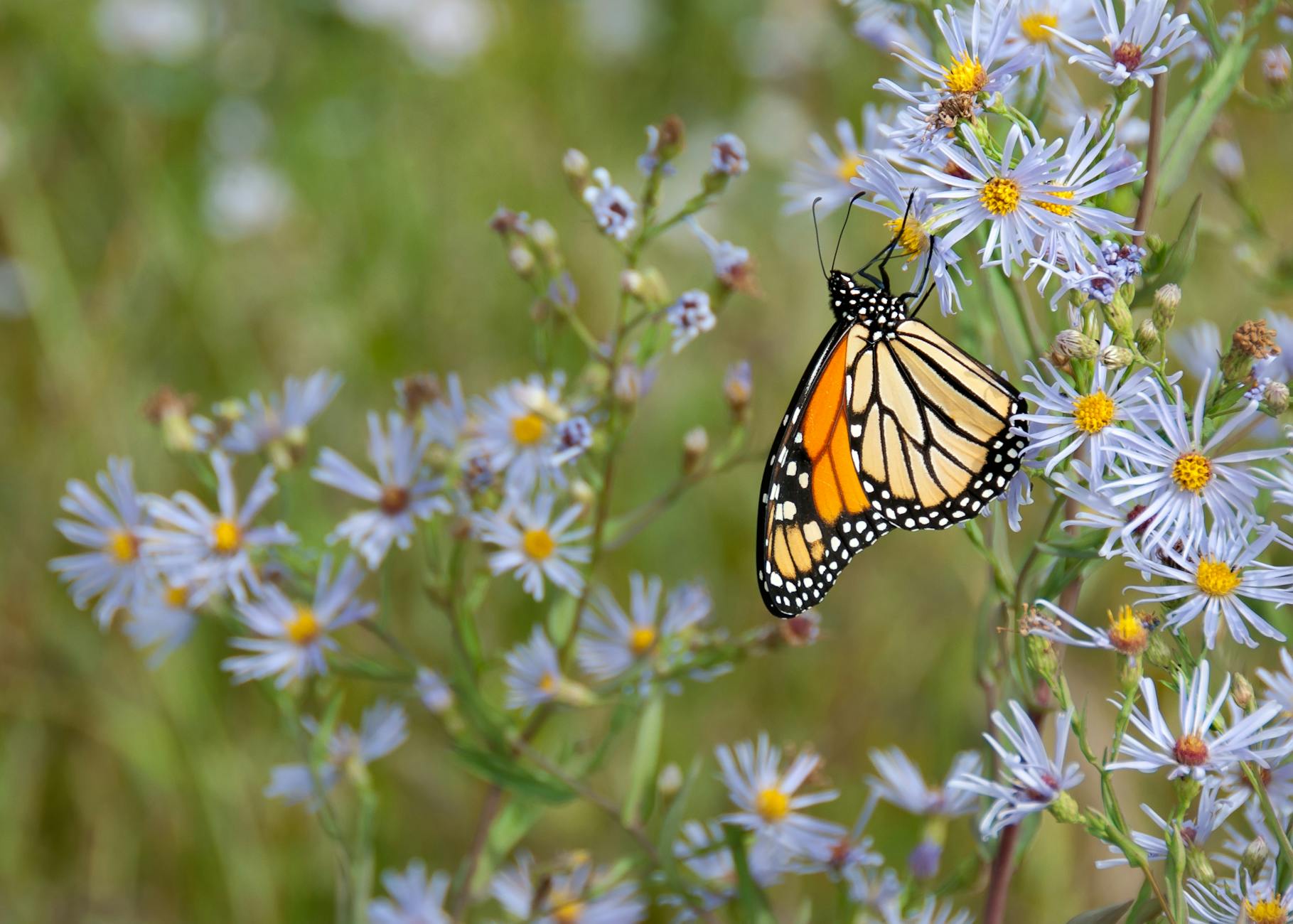
Embrace the Weeds
Weeds often get a bad reputation, but in a wildlife friendly garden, they’re unsung heroes. Weeds add to biodiversity and are an important part of your wildlife’s reliance on the garden.
- Nettles, brambles, and clover are rich in nectar and provide vital food for insect larvae.
- Dandelions offer early-spring blooms when few other flowers are around, plus they make for a nourishing medicinal tea.
- Wild patches of “messy” garden can support species that manicured lawns can’t.
Instead of fighting weeds, learn to balance them—leave a corner of your yard as a wildflower meadow or “rewilded” patch. Discover flowers that thrive in your growing zone in the article, Wildflower Cottage Garden Design.
Provide Water Sources
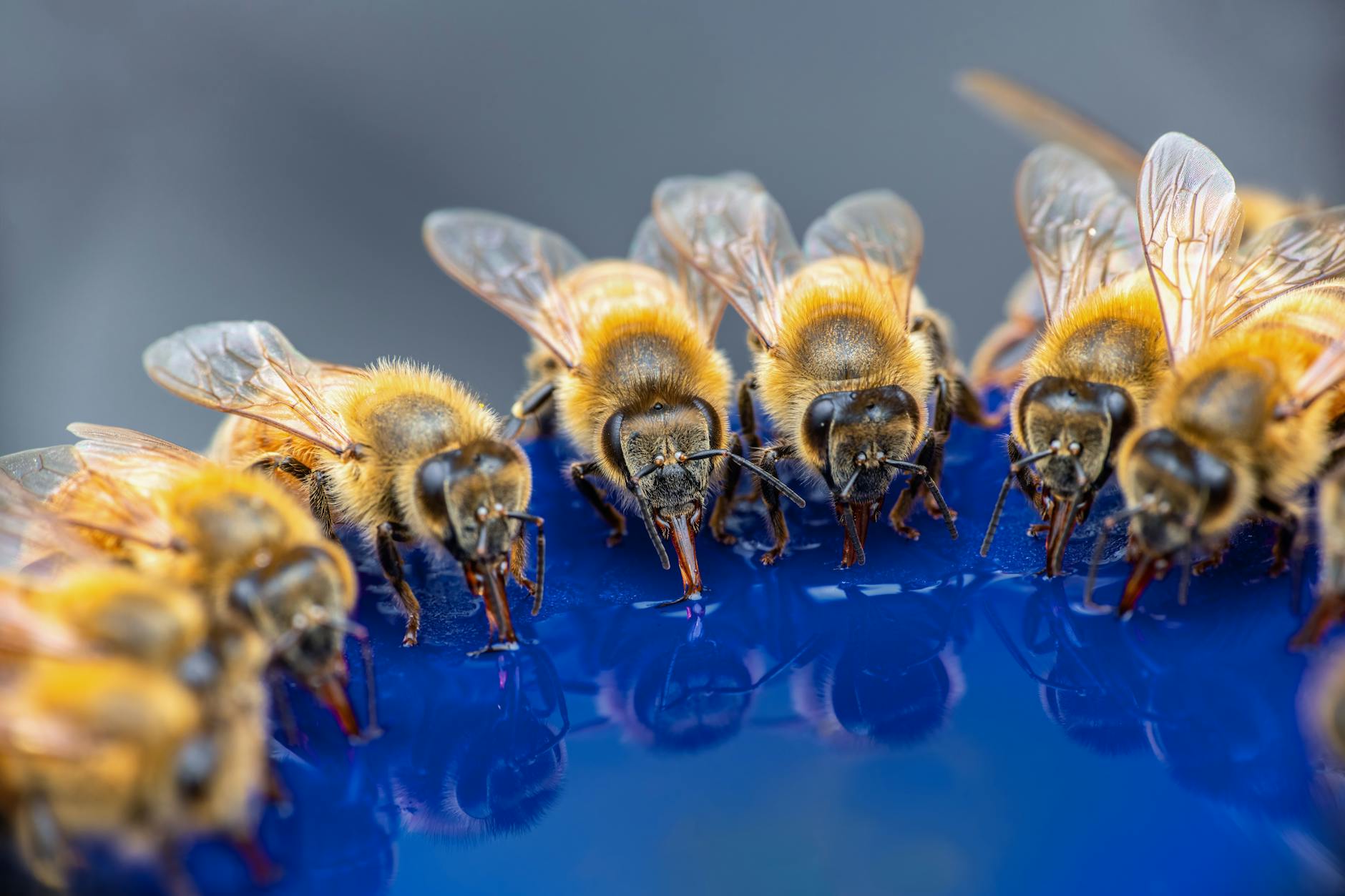
Just like humans, wildlife needs water. Adding even a small source can make your yard a true sanctuary.
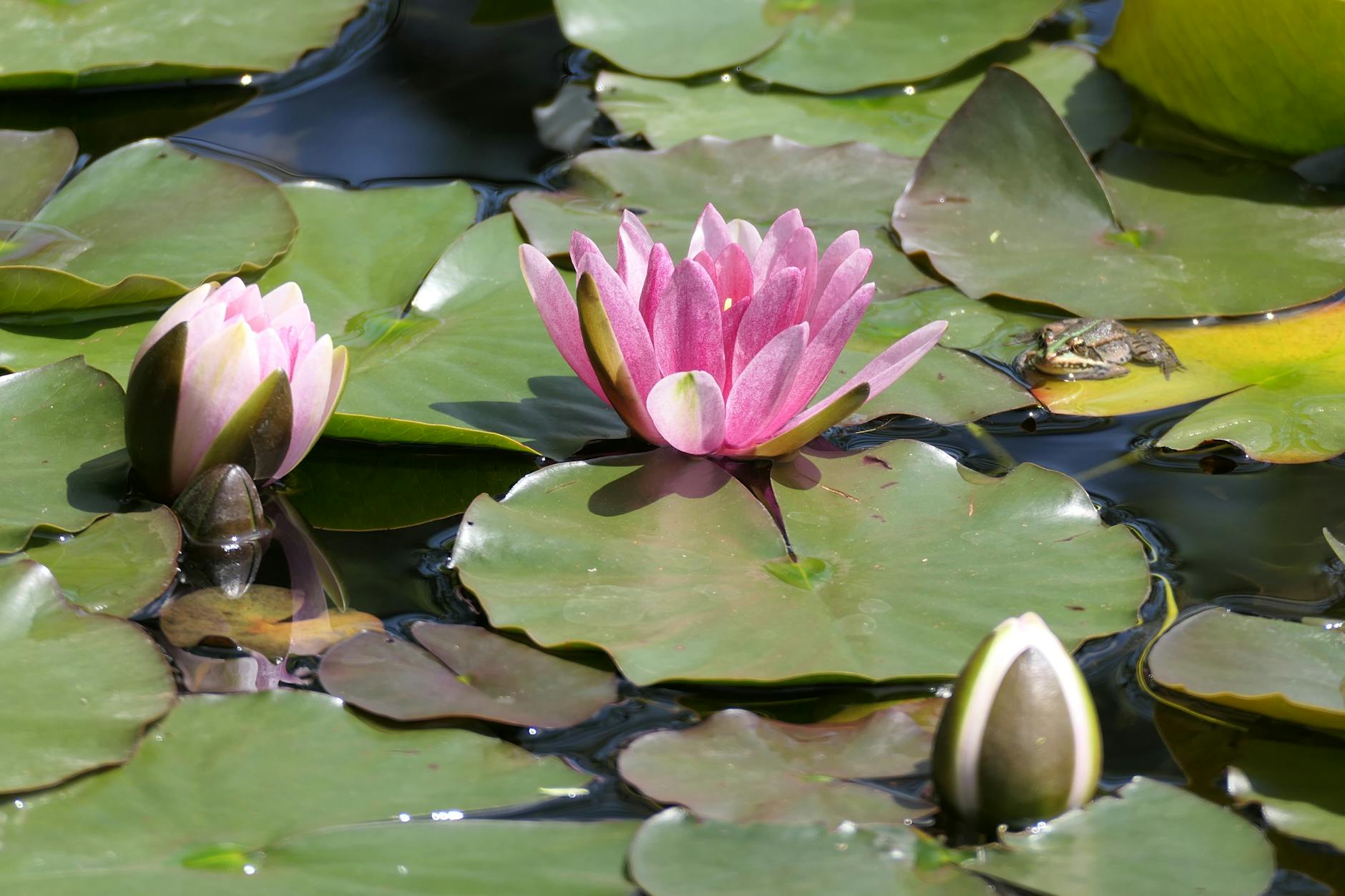
- Install a pond—even a small one in a whiskey barrel or half wine cask creates a complete ecosystem.
- Add a birdbath for feathered visitors to drink and bathe.
- Place a bee watering station with stones for bees, insects, and butterflies to safely land on.
- Incorporate a drip feature or wildlife fountain to attract more species (wildlife prefers moving water).
? Bonus: Water sources also cool your garden and can improve its microclimate.
Learn to identify and safely control pest insects and how to deter animals from invading unwanted areas of your garden.
Install Nesting and Shelter Options
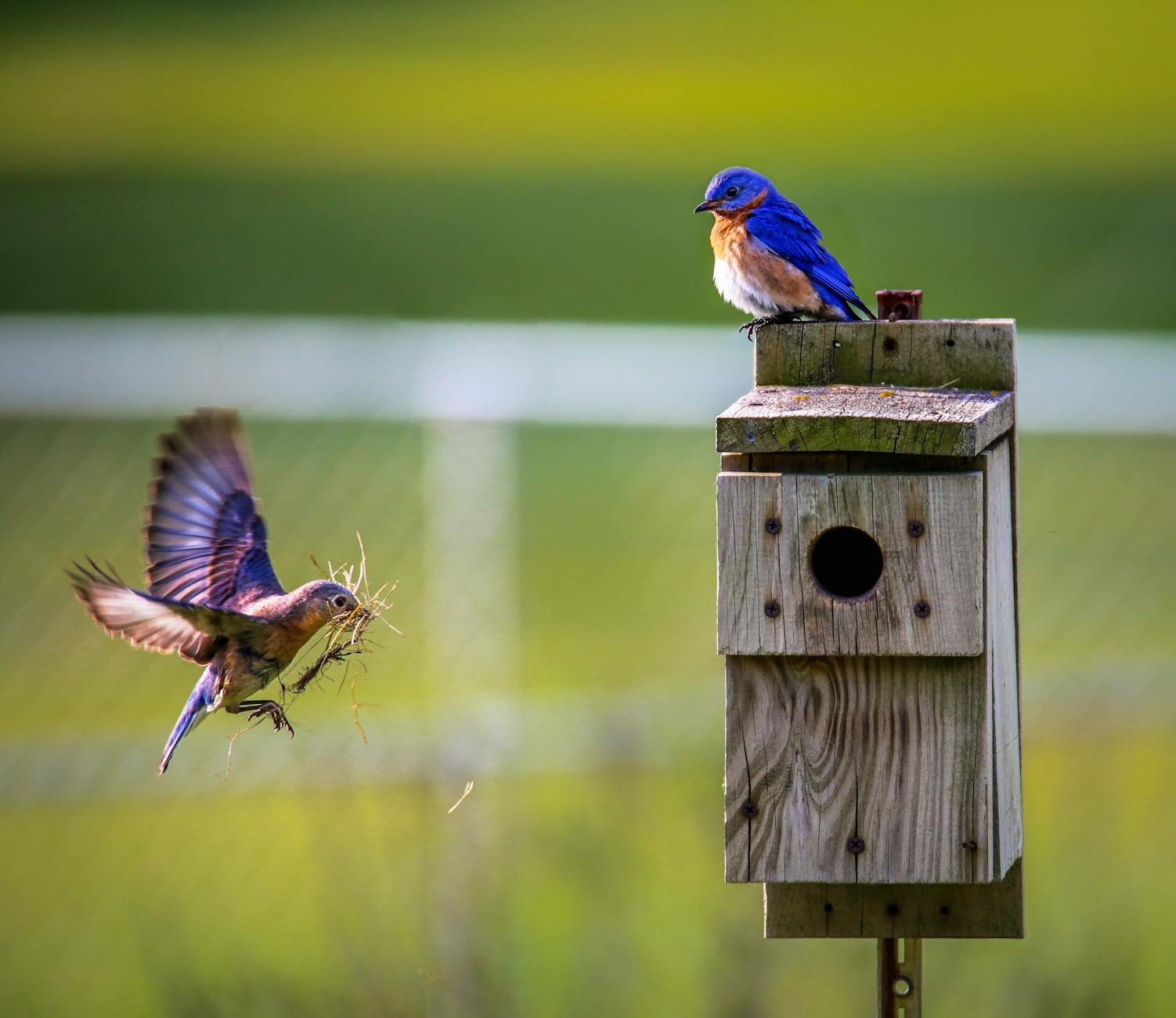
Safe places to rest and raise young are as important as food and water.
- Owl houses, bat boxes, or bird houses for songbirds like chickadees, wrens, or bluebirds.
- Butterfly feeders or bee hotels for solitary pollinators who need secure nooks.
- Log piles or rock stacks for amphibians, insects, and hedgehogs.
- Compost heaps—a natural buffet and shelter spot for countless critters.
Consider installing a nest box or two to encourage birds and bee hotels for solitary bees that may need a temporary home. By adding nesting and shelter options, you’re giving local wildlife a reason to return season after season.

Reduce Chemical Use
One of the simplest (and most impactful) changes you can make is to reduce or eliminate pesticides and herbicides.
- Many chemicals harm pollinators and beneficial insects.
- Opt for natural pest control: ladybugs, companion planting, or neem oil.
- Mulch and hand-weeding can replace herbicides.
Remember: a wildlife friendly garden thrives on balance. A few aphids aren’t a disaster—they’re dinner for ladybugs.
Use Mulch and Groundcover for Healthy Soil and Habitat
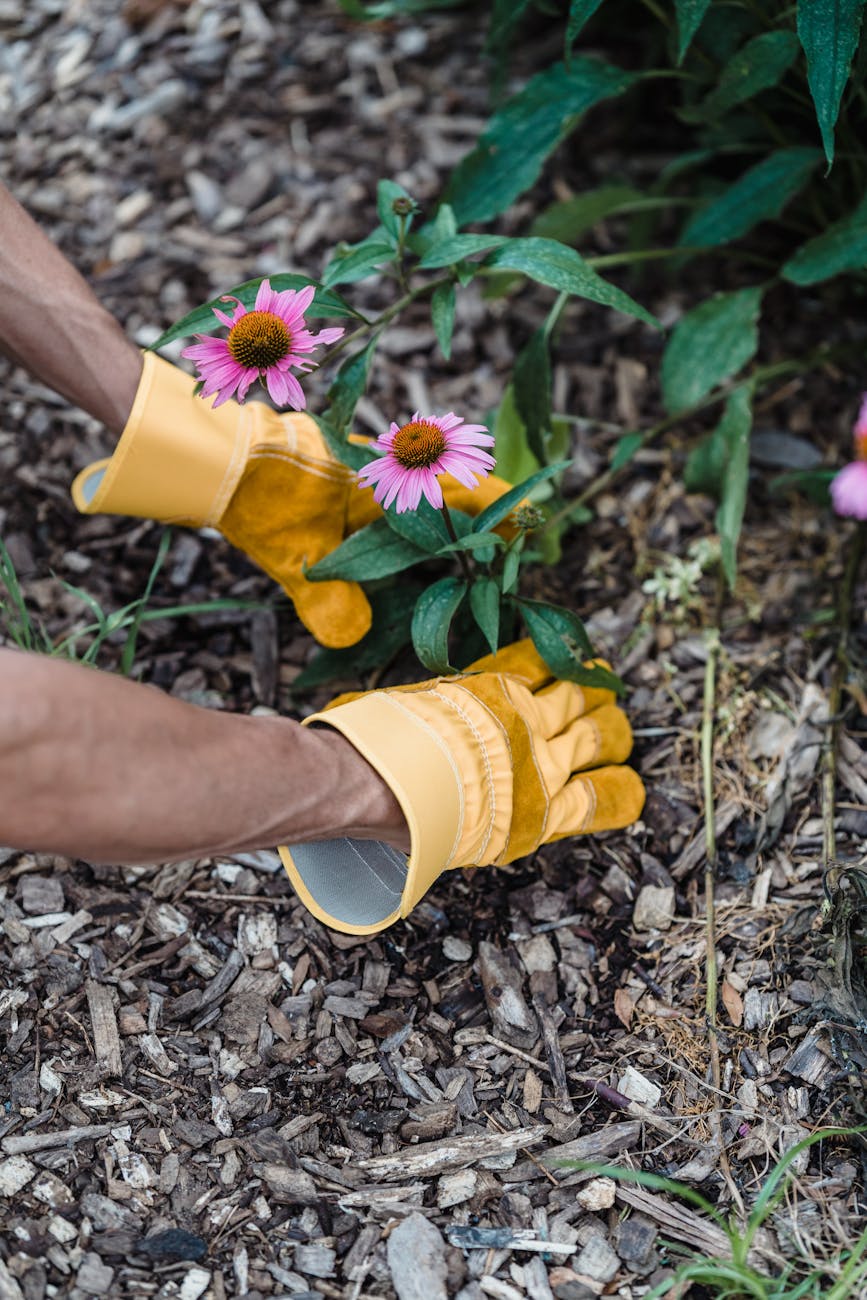
A wildlife friendly garden isn’t just about what grows above the soil—it’s also about how you care for the ground itself. Mulch and groundcover plants play a vital role in creating healthier ecosystems.
- Mulch benefits: Organic mulch (like bark chips, shredded leaves, or straw) helps retain soil moisture, regulate temperature, and suppress weeds without chemicals. As it breaks down, it enriches the soil with nutrients, supporting the microorganisms that keep your garden thriving.
- Groundcover plants: Low-growing plants like creeping thyme, clover, or ajuga provide living mulch while also offering nectar for pollinators. They reduce bare soil, prevent erosion, and create microhabitats for insects and small creatures.
- Leaf mulch: Simply leaving fallen leaves in certain areas creates a natural groundcover that supports overwintering insects, earthworms, and fungi.
By using mulch and groundcover, you protect your plants, improve soil health, and provide extra shelter and food sources for local wildlife. Learn more about mulching options in the article, The Comprehensive Guide to Raised Bed Gardening.
Create a Pollinator-Friendly Lawn Alternative
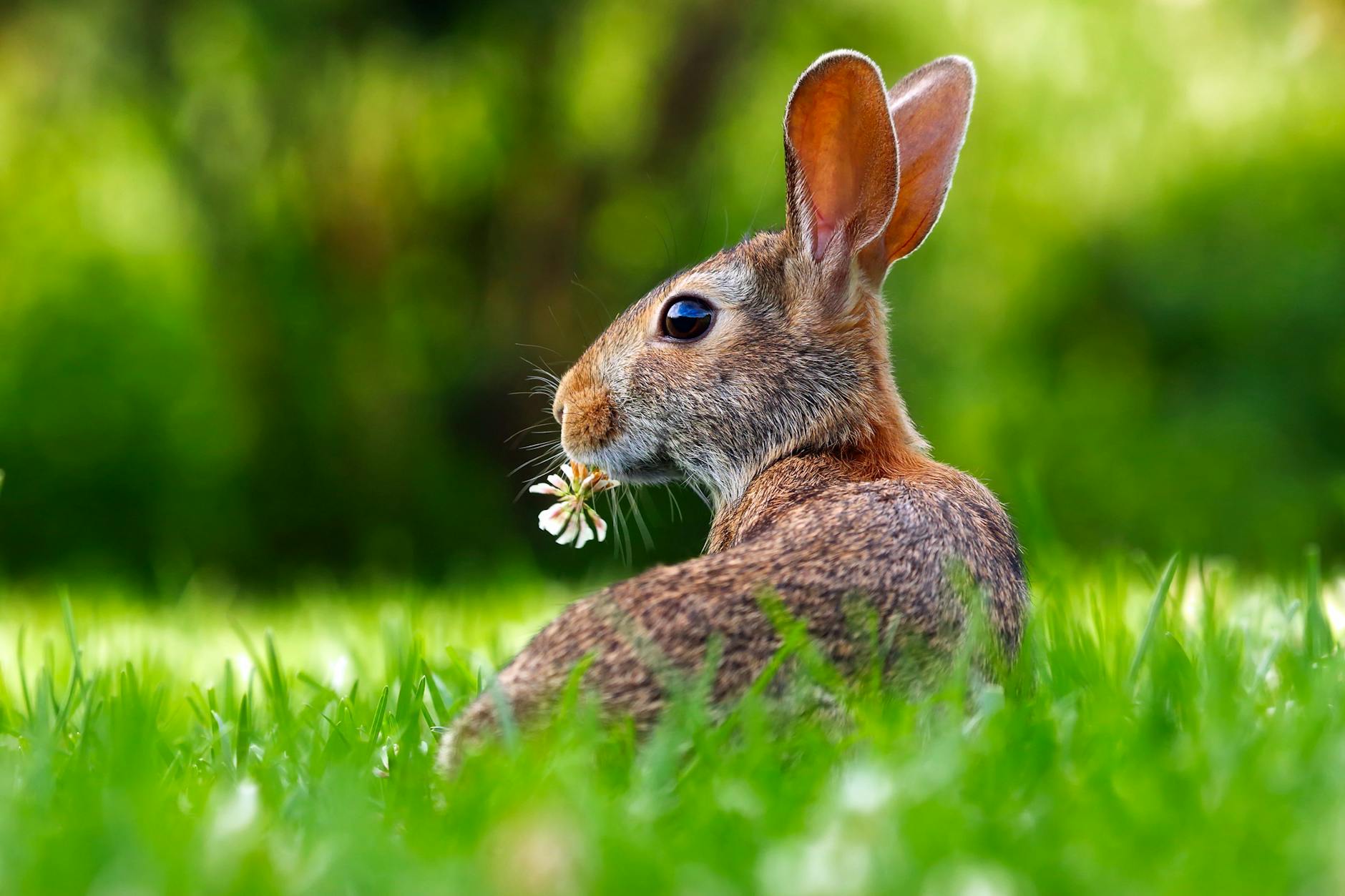
Traditional lawns often provide little benefit to wildlife. Instead, transform your grass into something greener in every sense:
- Replace part of your lawn with wildflower seed mixes.
- Try clover lawns—they stay green, require less water, and attract pollinators.
- Allow grass to grow longer between mowing or in certain areas to provide habitat for insects and ground-nesting species.
Check out this low-maintenance bee lawn kit to add pollinator-friendly biodiversity to your yard.
Add Composting and Leaf Piles
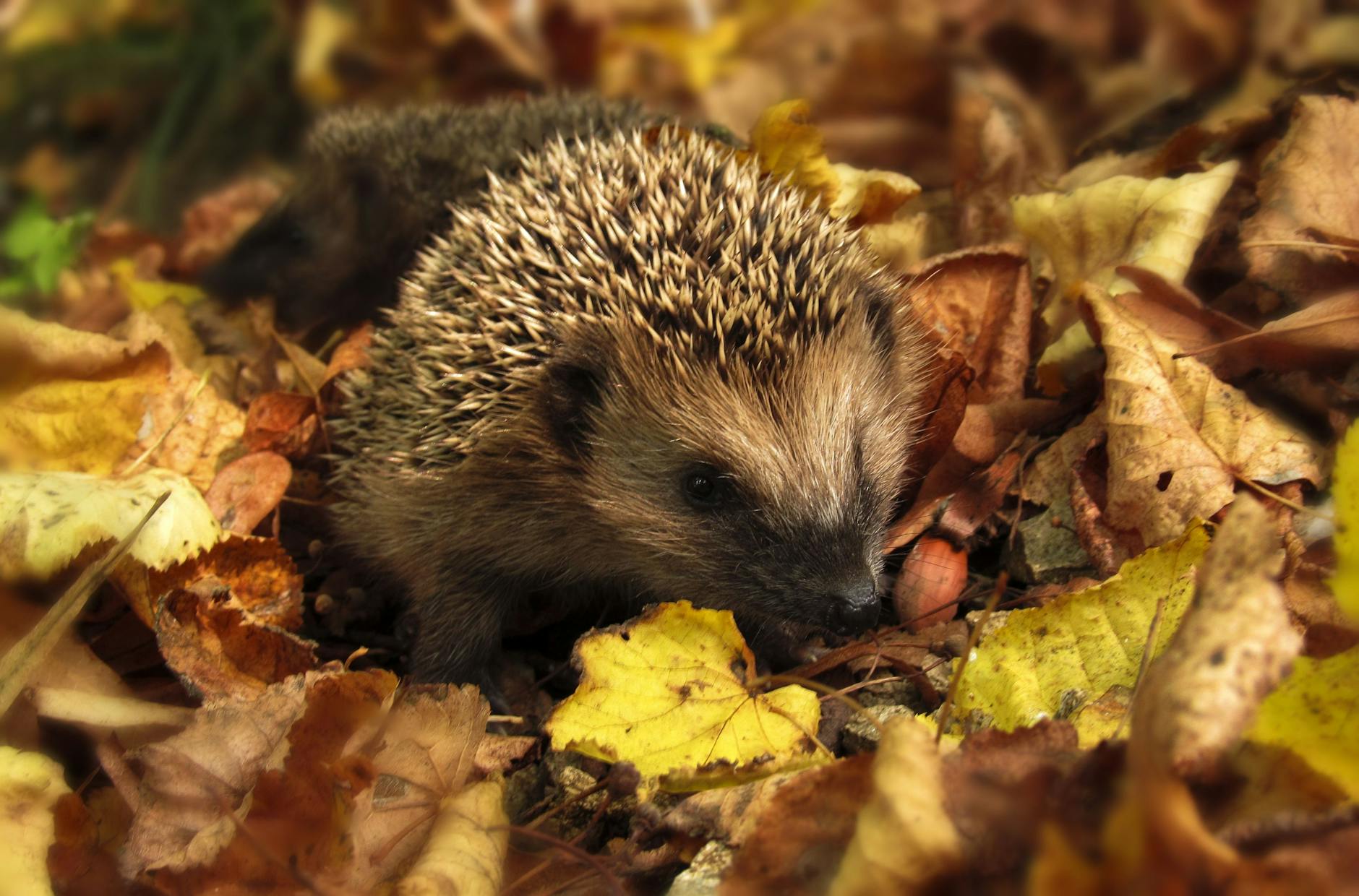
Don’t bag up those leaves! Composting and natural debris create homes and food for wildlife.
- Leaf piles give shelter to overwintering insects, hedgehogs, and frogs.
- Compost bins reduce waste while supporting beetles, worms, and fungi.
- Decomposed matter enriches your soil, benefiting both plants and wildlife.
Check out my picks for the Best Gardening Books: Beginners to Masters to learn more about composting and grow your gardening skills.
Final Thoughts: Your Yard Can Make a Difference
Creating a wildlife friendly garden isn’t about perfection—it’s about connection. Every native flower you plant, every drop of water you offer, and every shelter you provide helps sustain your local ecosystem.
By making your garden a safe haven, you’re not only boosting biodiversity—you’re also creating a space of joy, beauty, and purpose for yourself.
So start small, experiment, and watch as your yard transforms into a thriving backyard habitat. The birds, bees, and butterflies will thank you.
Subscribe
Subscribe, Comment, and Share!
Leave a comment with your gardening advice!
If you’re looking for a large scale design you can apply to your entire property, check out my article, Farm Layout Ideas: Site Plan Designs for Your Homestead.
Plan your wildlife friendly garden like a pro with these tools
-
Garden Design and Planning Tool
Original price was: $29.00.$19.00Current price is: $19.00. -

E-Book | Saving Vegetable Seeds
$3.00 -
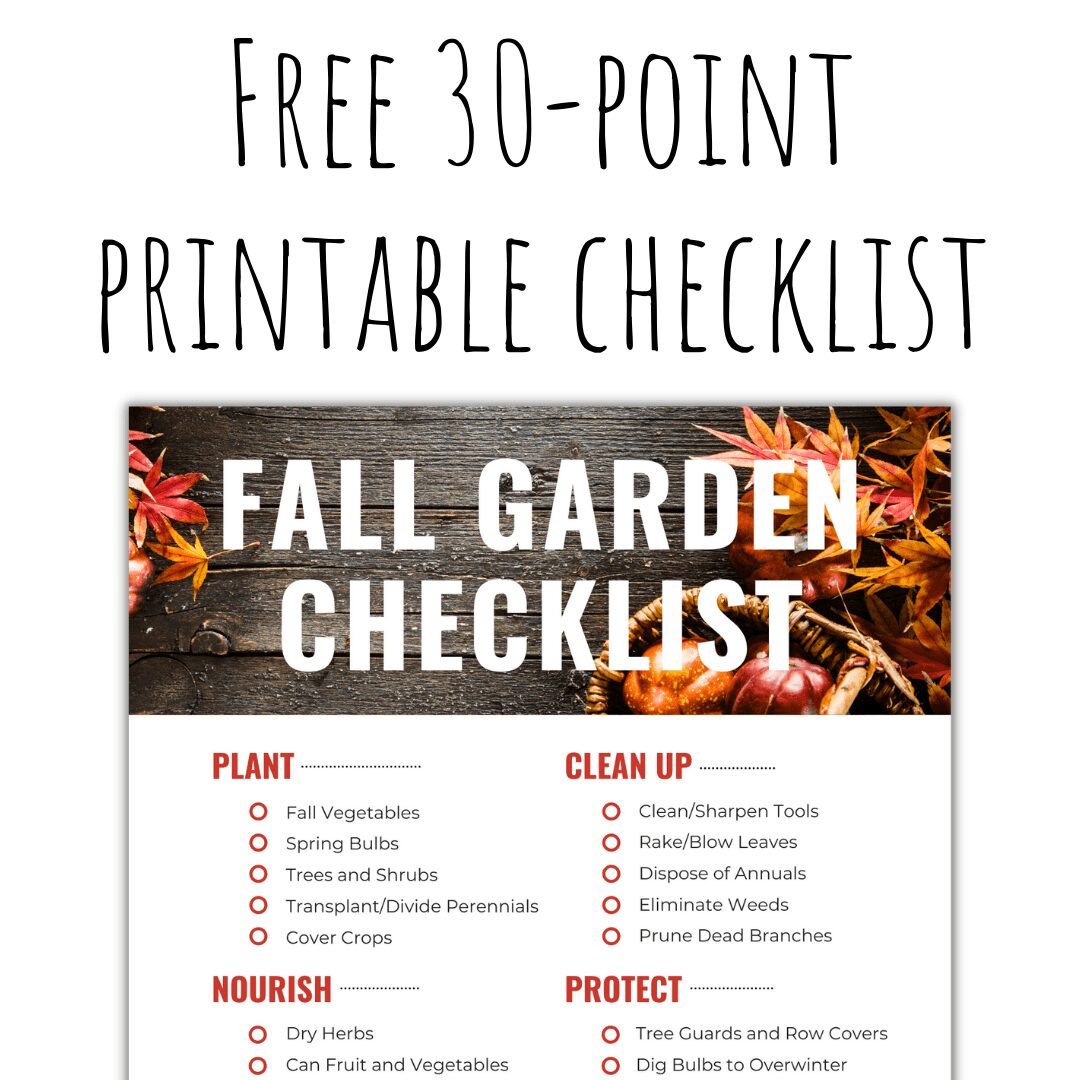
Fall Gardening Checklist Free Printable
$0.00 -

Succession Planting Schedule Free Printable
$0.00
Explore more gardening articles . . .
- Unlock the Secrets to a Perfect Garden Layout! (A Reference Tool for Gardeners)
- Farm Layout Ideas: Site Plan Designs for Your Homestead
- How to Make Your Garden Fun and Kid-Friendly
- The Comprehensive Guide to Raised Bed Gardening
- Gardening 101: 9 Simple Steps to a Fantastic First Season!
- Chaos Gardening for Perpetual Harvests
- Best Gardening Books: Beginners to Masters
- Planning a Survival Garden for Food and Medicine
- Building a Climate Victory Garden to Regenerate Soil
- The Bare Soil Dilemma
- The Ultimate Guide to Planting an Herb Garden
- 90 Unique Spices to Grow in Your Herb Garden
- 75+ Side Hustles for Farmers to Boost Income
- My Passion for Permaculture (and how to apply it to your homestead)
- How to Make a Succession Garden Schedule
- Start your Garden Renovation: Budget and Planning Guide
- How to Build a DIY Outdoor Pizza Oven
- Tips for Garden Critter Control
- The Gardener’s Guide to Pest Insects
- Expert Tips for Gardening Safety
- How to Grow Tomatoes
- 30 Unique Heirloom Vegetables for your Food Garden
- How to Start Seeds Indoors and Keep Them Alive!
- The Secret World of Seeds: Ancient Knowledge
- How to Grow a Medicinal Tea Garden (Plus over 40 Plants!)
- Top 20 Flowers for a Cottage Garden
- 20 Perennial Flowers that Bloom all Summer
- Wildflower Cottage Garden Design
- 12 Culinary Herbs for the Flower Garden
- Learn to Pressure Can Veggies!
- 8 Ways to Preserve Your Harvest
- How to Harvest, Dry and Cure Cilantro
- Companion Planting: Cracking the Code
- Plant Friend or Foe: Companion Planting in the Vegetable Garden
- Most Wished for Gardening Accessories!
- Veggie Garden Supply List
Share this Post on Social Media!
For more inspiration, follow my Pinterest Board: Gardening, Growing Food, Landscaping.
