
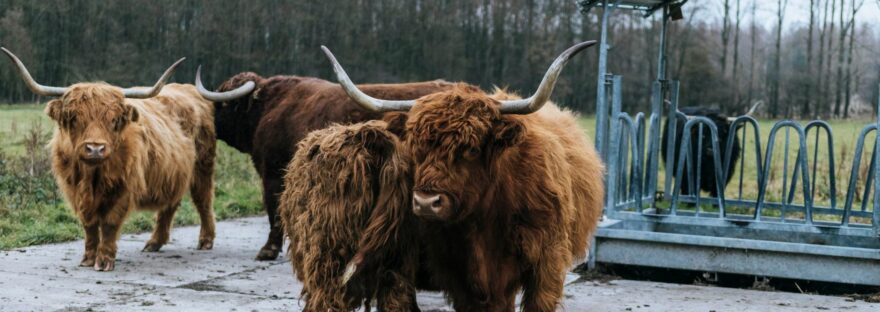
A successful cattle fence design does much more than keep livestock contained. A well-planned cattle fence design improves safety, reduces stress on cattle, minimizes labor, and makes everyday ranch tasks—from sorting and vaccinations to loading trailers—more efficient. Whether you’re building a new ranch or upgrading an existing facility, investing time into your cattle fence design will pay dividends for years to come.
One of the most important elements of any cattle fence design is choosing high-quality gates that keep cattle moving safely through your operation. Companies like 4 Rivers Ranch manufacture heavy-duty, galvanized steel cattle handling systems designed for one-person operation. Their guide to cattle gate design explains how properly designed gates improve cattle flow, reduce labor, and increase safety throughout your handling facilities.
Why Cattle Fence Design Matters
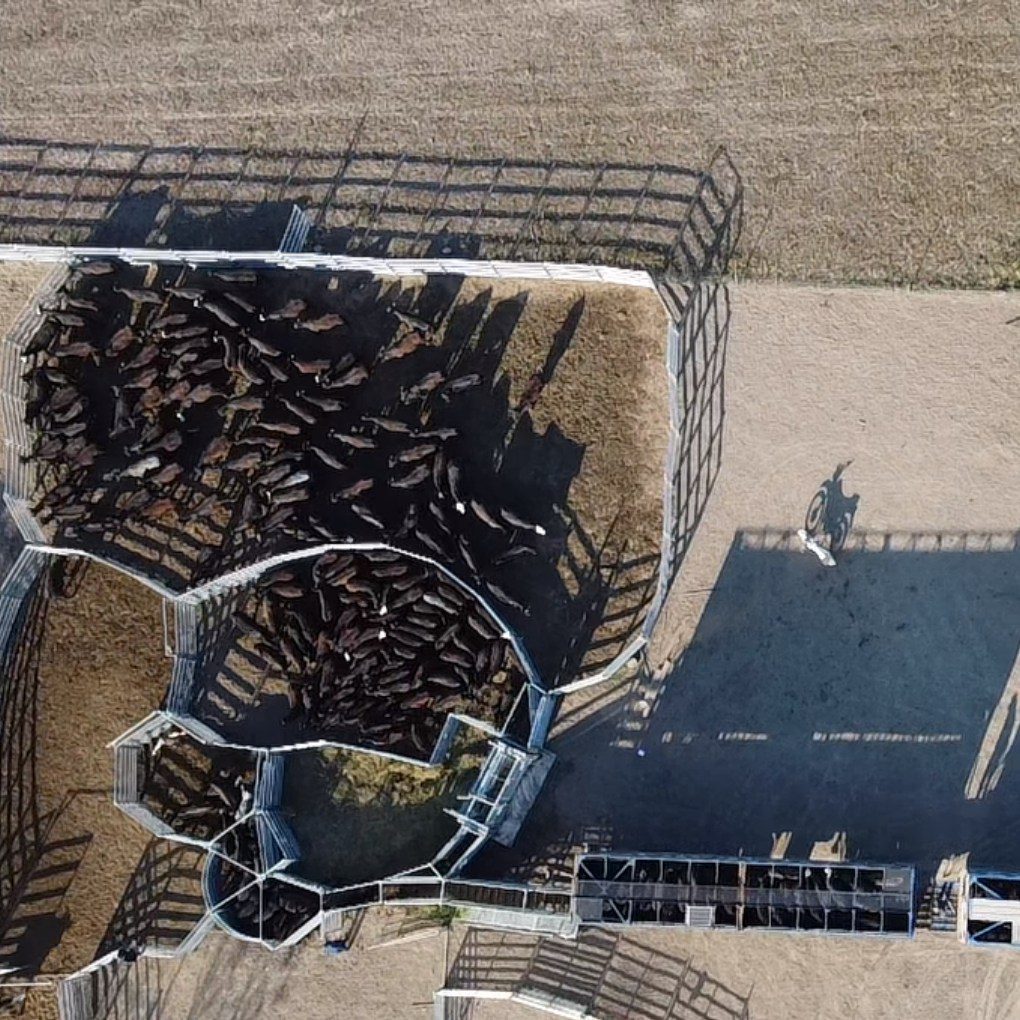
An effective cattle fence design creates a safer, more efficient ranch by reducing bottlenecks and allowing cattle to move naturally through working facilities. Thoughtful planning also lowers stress on livestock, decreases the risk of injury, and makes daily management easier for ranchers.
Before building your system, think about how your cattle fence design will support common ranch activities, including:
- Sorting cattle
- Vaccinations and health checks
- Loading and unloading trailers
- Weighing livestock
- Breeding management
- Rotational grazing
Designing around these tasks from the beginning will help create a facility that works efficiently for years to come.
For more design tips and helpful farm map graphics, read Farm Layout Ideas: Site Plan Designs for Your Homestead.
Cattle Fence Design Should Follow Natural Cattle Movement
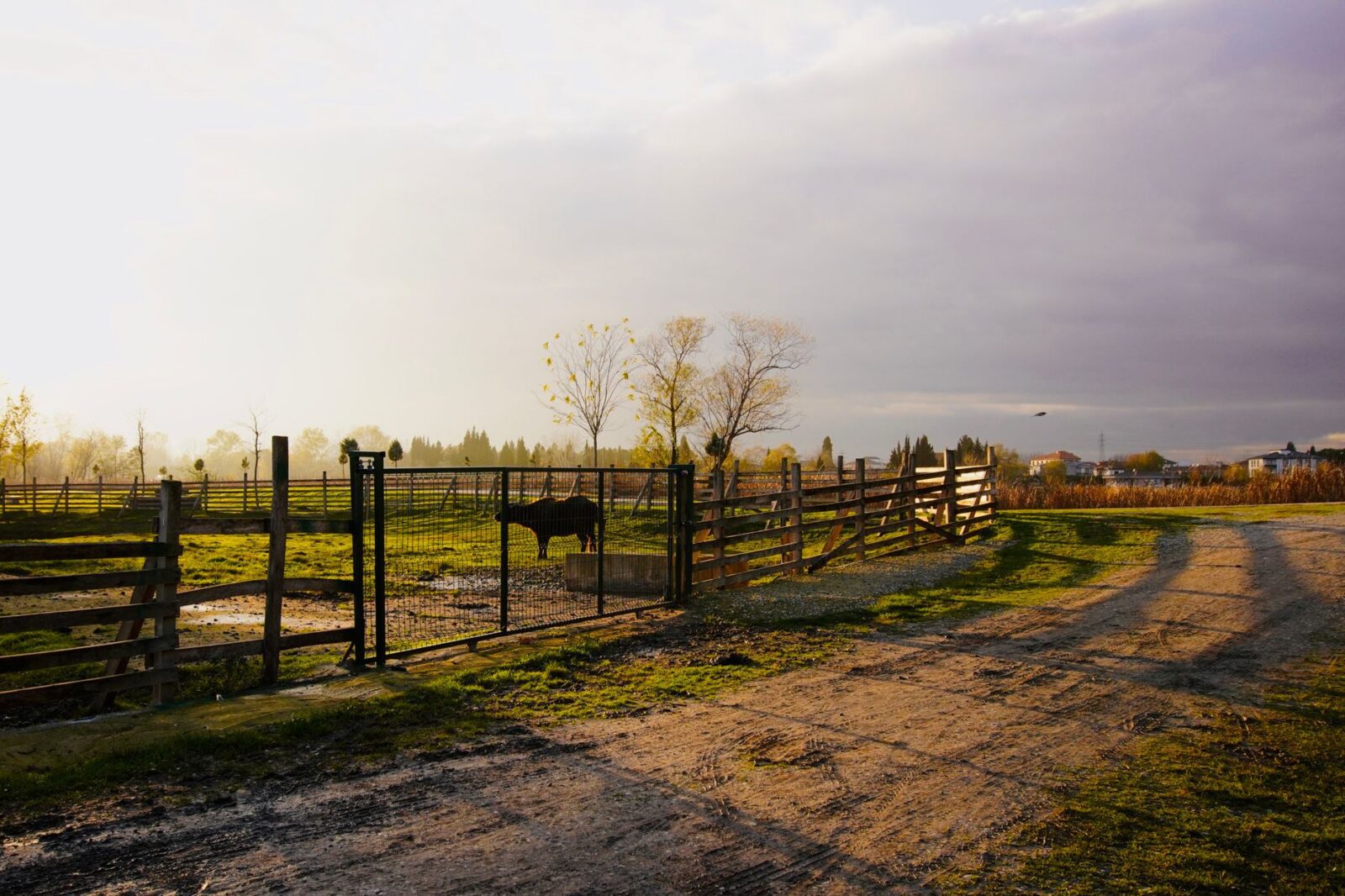
One of the biggest mistakes in cattle fence design is creating layouts that force cattle into sharp turns, dead ends, or confusing pathways. Cattle naturally move more calmly through facilities that work with their instincts rather than against them.
An effective cattle fence design should include:
- Gentle curves instead of sharp corners
- Solid-sided alleys that reduce distractions
- Wide, visible entrances
- Non-slip footing
- Smooth transitions between pens
When cattle move willingly through your fencing system, handling becomes faster, safer, and less stressful for everyone involved.
For pig fencing design tips, check out Raising Pigs: Housing, Fencing and Supplies
Designing Corrals Within Your Cattle Fence Design
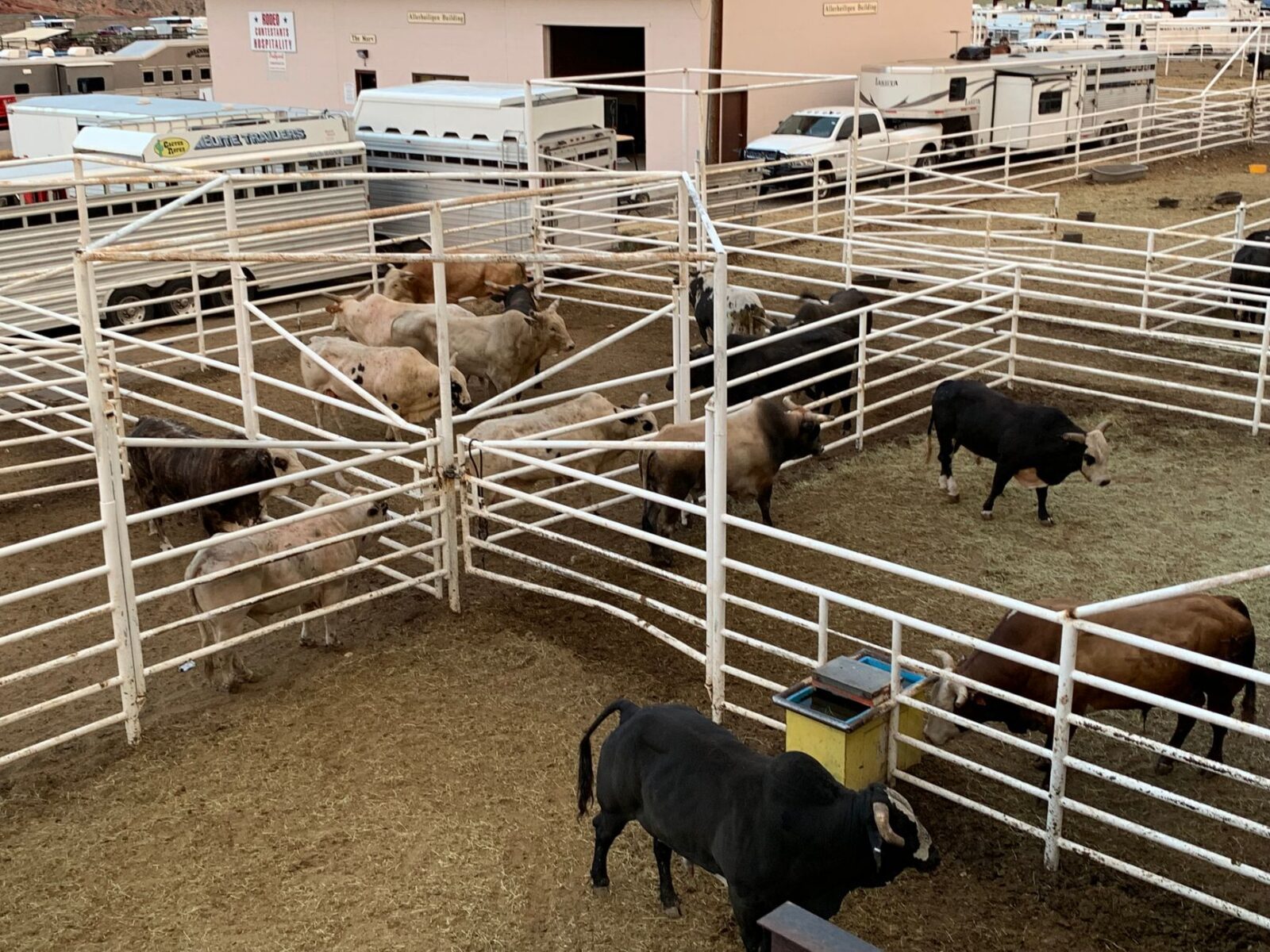
Every cattle fence design should include corrals that support efficient livestock management. Instead of relying on one large pen, many ranches benefit from several connected holding areas that allow cattle to be sorted by age, health, or production group.
A functional corral layout often includes:
- Receiving pens
- Sorting pens
- Holding pens
- Working alley
- Crowd pen
- Squeeze chute
- Loading alley
Planning these areas together creates a complete cattle fence design that improves workflow while reducing unnecessary cattle movement.
For more livestock management tips, read Rotational Grazing: Building Healthier Soil, Livestock, and Food.
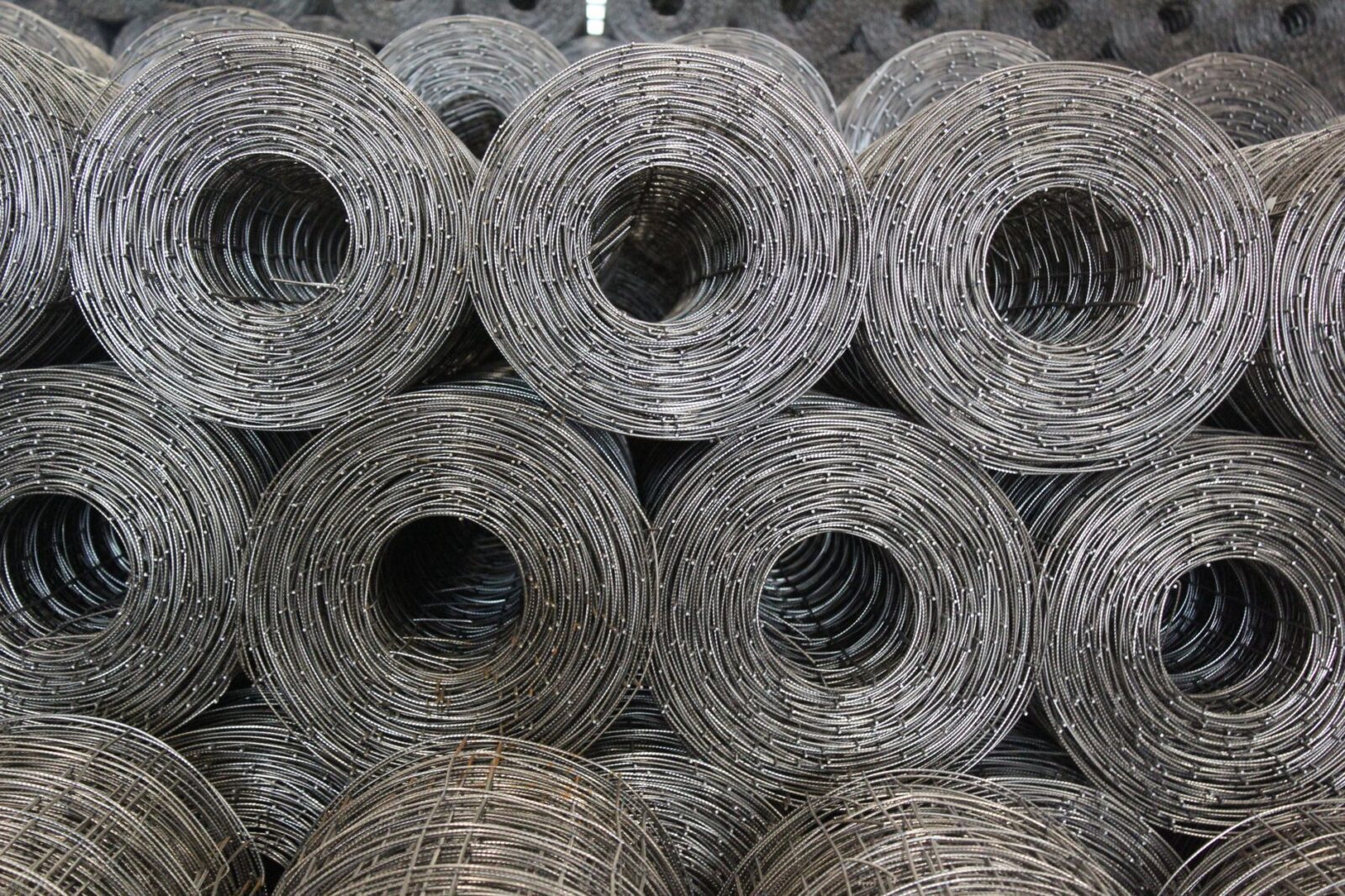
Choosing Materials for Your Cattle Fence Design
The materials you choose play a major role in the durability of your cattle fence design. Ranch fencing must withstand weather, heavy livestock pressure, and years of daily use.
Common materials include:
- Galvanized steel panels
- Continuous fence systems
- Pipe fencing
- High-tensile wire
- Woven wire for perimeter fencing
Many ranchers prefer galvanized steel around working facilities because it resists rust, requires minimal maintenance, and delivers long-term durability.
Don’t forget about your horses! Owning a Horse: Breeds, Care, Supplies, Tack, and Equipment
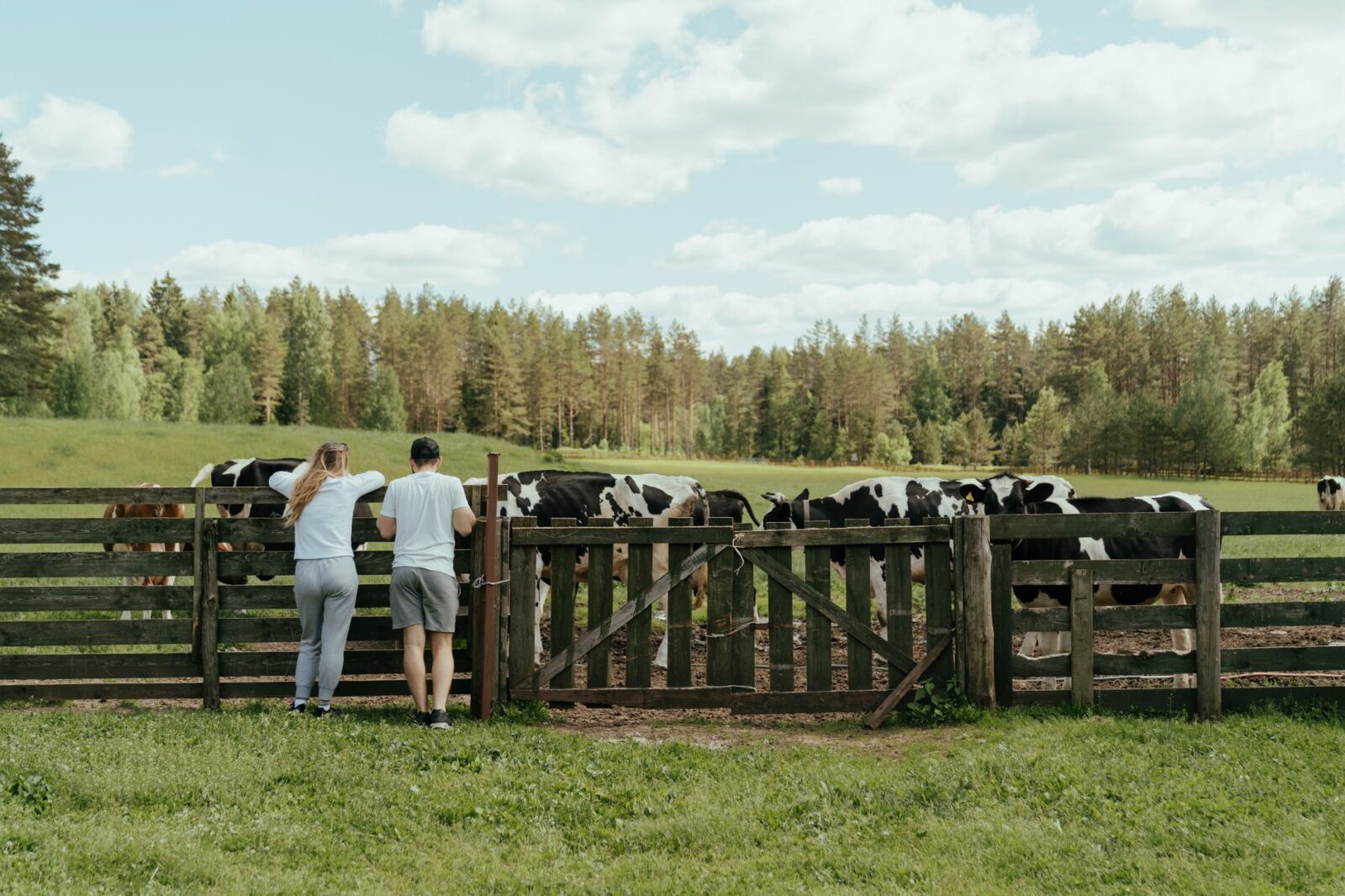
Gate Placement Is Critical to Cattle Fence Design
Even the best cattle fence design can become inefficient if gates are poorly positioned. Gates control cattle flow, improve handler safety, and reduce the labor required to move livestock throughout the facility.
When planning gate locations, consider:
- Natural cattle movement
- Equipment access
- Trailer loading
- Emergency access
- Future expansion
Well-designed gates eliminate bottlenecks while making daily ranch operations more efficient. Double-gated areas are especially helpful for separating and loading livestock.
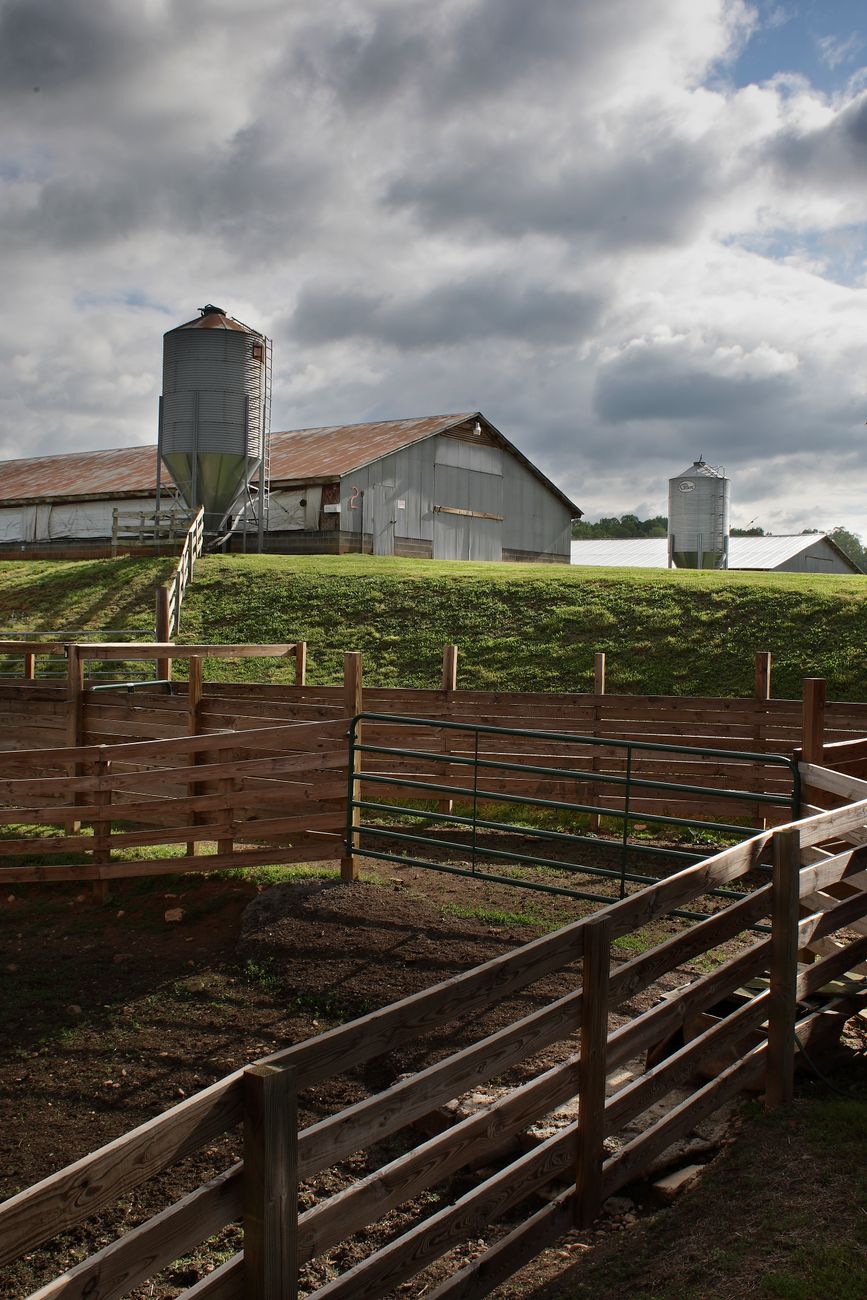
Building Working Pens into Your Cattle Fence Design
A complete cattle fence design should include working pens that allow cattle to move calmly toward the squeeze chute without overcrowding or unnecessary stress.
Many modern facilities include:
- Circular crowd pens
- Single-file working alleys
- Adjustable lane widths
- Catwalks for handlers
- Safety escape routes
These features improve livestock handling while helping operators work cattle more safely.
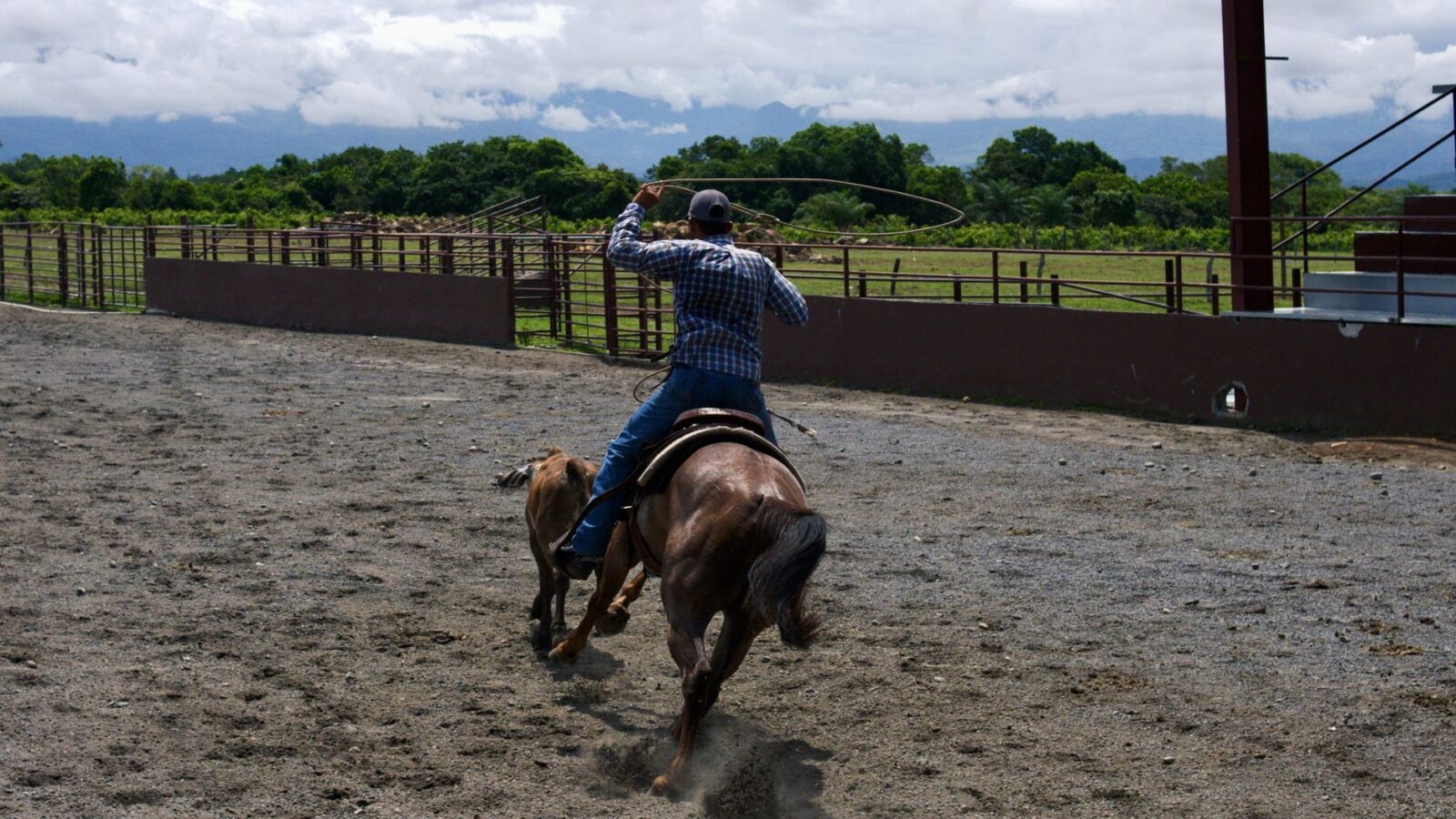
Plan a Cattle Fence Design for One-Person Operation
Labor shortages have made efficient cattle fence design more important than ever. Facilities designed for one-person operation allow ranchers to safely work cattle without requiring additional help.
Helpful features include:
- Self-latching gates
- Rear-operated squeeze chutes
- Strategically placed sorting gates
- Clear sightlines throughout the facility
- Efficient cattle flow between pens
Even larger operations benefit from designing facilities that one person can operate when necessary.
Build a Cattle Fence Design That Can Grow
A good cattle fence design should meet today’s needs while allowing room for future expansion. Leaving space for additional corrals, larger holding pens, or new handling equipment can save significant costs later.
Planning for growth ensures your investment continues to serve your ranch as your operation evolves.
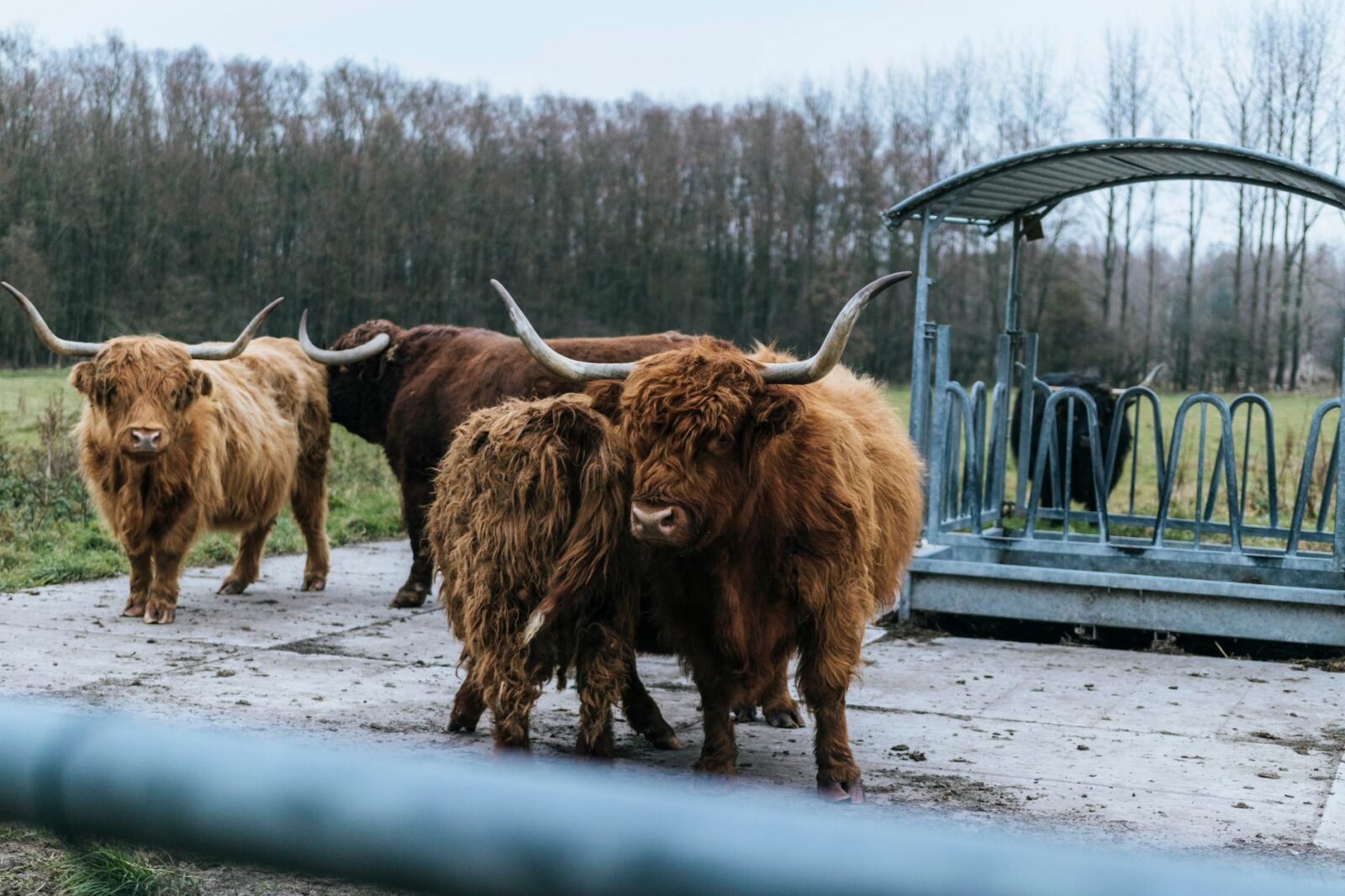
Final Thoughts on Cattle Fence Design
The best cattle fence design combines durable materials, efficient cattle flow, strategically placed gates, and thoughtfully planned corrals into one complete system. By designing around natural cattle behavior and investing in quality infrastructure, ranchers can improve safety, reduce labor, and create a more productive operation. Whether you’re building a new facility or upgrading an existing one, a well-planned cattle fence design is an investment that will continue to deliver value for decades.
More tips for your cattle farm . . .
- Boosting Dairy Farm Productivity With Climate Control Strategies
- Farm Layout Ideas: Site Plan Designs for Your Homestead
- 75+ Side Hustles for Farmers to Boost Income
- Owning a Horse: Breeds, Care, Supplies, Tack, and Equipment
- The Ultimate List of Homesteading Skills!
- The Complete Guide to Raising Pigs in your Backyard
- Choosing the Right Pig Breed for your Homestead
- The Benefits, Myths and Downside of Keeping Pigs
- Raising Pigs: Housing, Fencing and Supplies
- The Process and Timeline of Raising Meat Pigs
- The Glossary of Pig Farming Terminology
- The Art of Homesteading Relaxation: Why Rest is Your Greatest Tool
- The Bare Soil Dilemma
- Building a Climate Victory Garden to Regenerate Soil
- My Passion for Permaculture (and how to apply it to your homestead)!
- Planning a Survival Garden for Food and Medicine
- How to Teach Frontier Children Confidence
- Inspiring Reasons to Start Your Own Farm
- Garden Design and Planning Tool
For more inspiration follow my Pinterest Board: Homesteading and Farming.
