
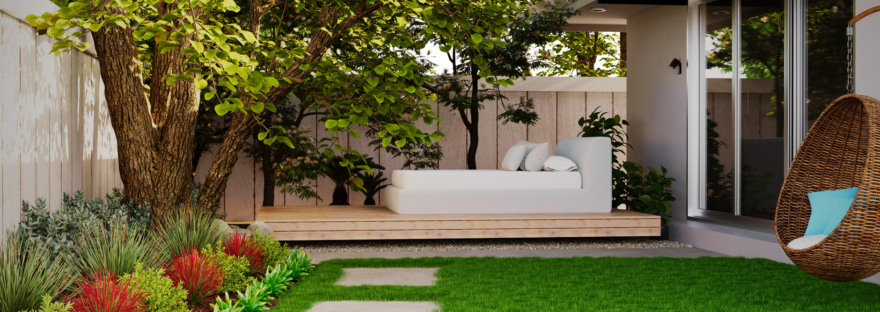
Whether you’re landscaping a new home, renovating an overgrown property, or designing a more sustainable homestead, choosing the right plants is one of the most important steps in creating a functional outdoor space. Trees, shrubs, grasses, and perennials can provide privacy, shade, food, wildlife habitat, and visual appeal, but sourcing plants requires more planning than a trip to the local garden center. For larger landscaping projects, working with a professional landscape supplier like Tree Source can simplify plant sourcing, coordinate deliveries, and provide access to a wider selection of nursery stock.
A well-designed landscape should do more than look beautiful. Ideally, every plant serves a purpose, whether that’s protecting your home from the summer sun, creating a natural windbreak, preventing soil erosion, or producing something useful. With a little research and careful planning, you can create a landscape that becomes more valuable and productive as it matures.
Start With a Landscape Plan
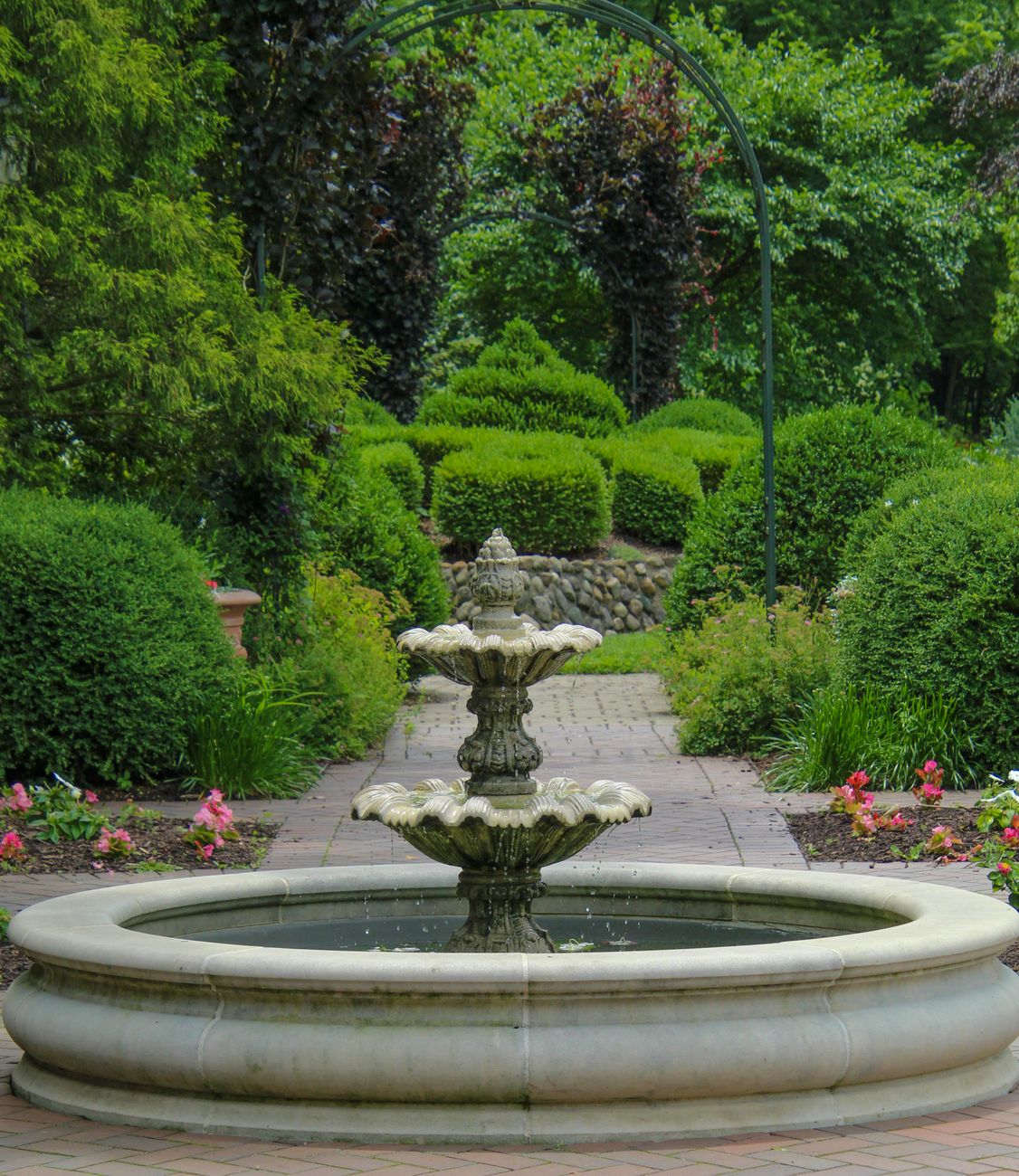
Before purchasing plants, take some time to evaluate your property and determine what you want to accomplish. Consider the amount of sunlight each area receives, existing vegetation, soil conditions, drainage, and how you intend to use the space.
Start by sketching a basic property layout, including buildings, driveways, walkways, utilities, and existing trees. Identify areas where you want additional privacy, shade, or protection from wind. If you’re planning a vegetable garden, orchard, or other productive landscape, consider how those areas will fit into the overall design.
Think about how your property might change over time. A small ornamental tree planted too close to the house can become a maintenance problem as it matures. Likewise, shrubs planted along a walkway may eventually outgrow their space.
Research the mature height and spread of every plant before deciding where it belongs. Allow plenty of room for root development and future growth.
For more inspiration, check out my article on planning a survival garden for food and medicine, where I discuss designing productive garden spaces using sustainable growing principles.
Choose Plants That Work for Your Property
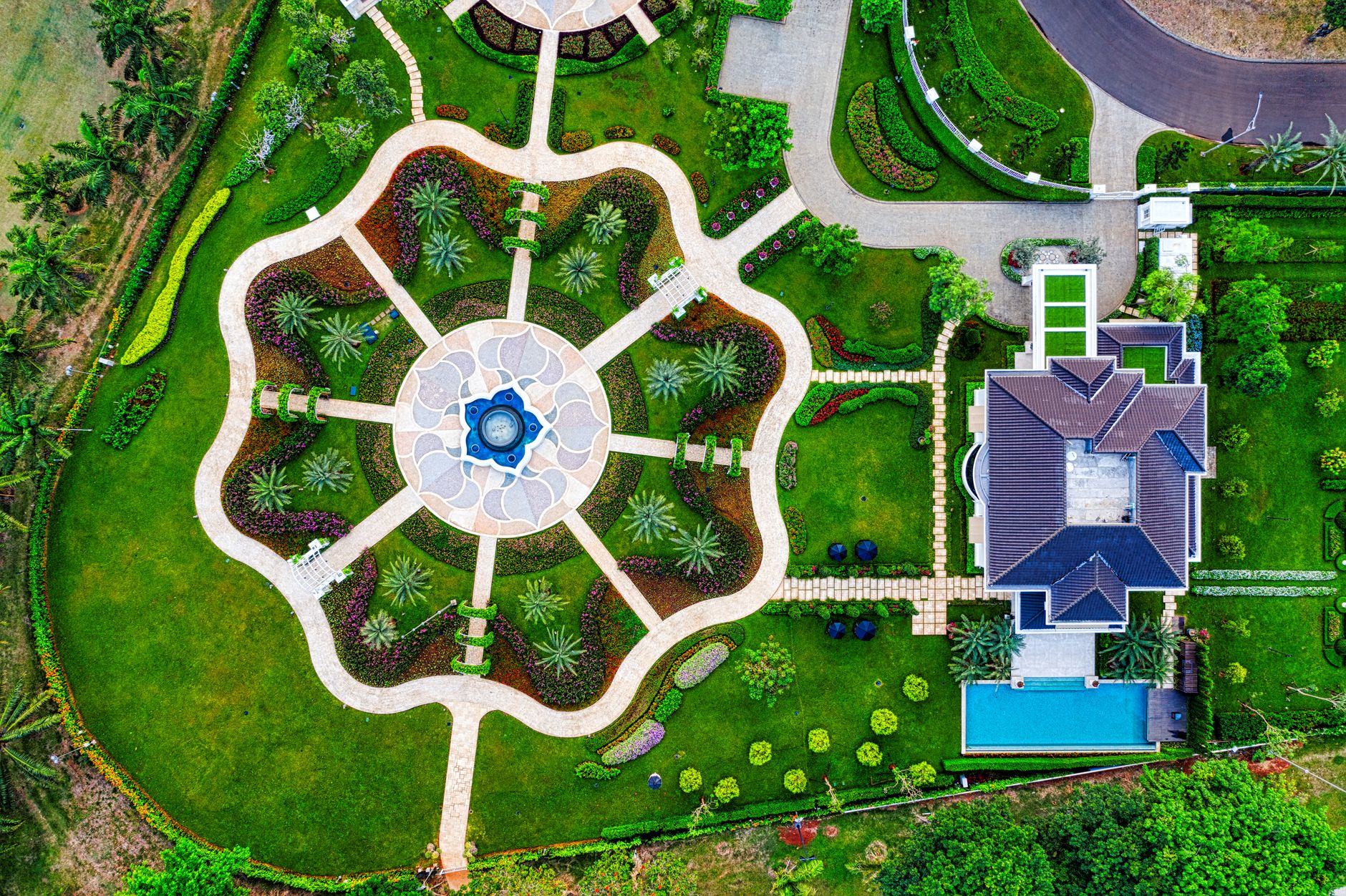
Selecting plants based on appearance alone is one of the most common landscaping mistakes. A beautiful plant won’t do you much good if it struggles to survive in your climate or requires more maintenance than you’re willing to provide.
Start by researching your USDA growing zone, soil type, and average rainfall. Native and well-adapted plants are often easier to maintain because they’re suited to the local environment.
Consider incorporating several types of plants into your landscape:
- Shade Trees: Deciduous trees can provide relief from summer heat while allowing sunlight through during winter.
- Evergreens: Pines, spruces, and other evergreens can create year-round privacy screens and windbreaks.
- Flowering Trees and Shrubs: Add seasonal color while providing food and habitat for pollinators.
- Ornamental Grasses: Useful for adding texture, defining spaces, and stabilizing soil.
- Edible Landscaping: Fruit trees, berry bushes, herbs, and other edible perennials can make your landscape both beautiful and productive.
I particularly like the idea of combining ornamental and edible plants. Blueberry bushes, for example, can make attractive landscape shrubs while producing fruit, provided your soil has the acidity they require.
The goal is to create a balanced landscape where plants complement one another rather than compete for space and resources.

Understand Your Plant Sourcing Options
Once you’ve developed a planting plan, the next step is determining where to purchase your plants.
Local garden centers are convenient for smaller projects and typically offer a selection of plants suited to your region. However, their inventory may be limited, particularly if you need large quantities of the same species or specific sizes.
For larger landscaping projects, professional nurseries and wholesale suppliers offer additional options. Tree Source, for example, specializes in supplying trees, shrubs, grasses, and perennials to landscape contractors, municipalities, garden centers, and other commercial buyers throughout the Intermountain West.
Their network includes production farms, rewholesale service centers, and more than 50 grower partners. With access to over one million plants representing more than 1,000 varieties, they can help professional buyers locate nursery stock for projects ranging from residential developments to large commercial installations.
For landscape contractors managing multiple installations, having access to a dependable supply network can make a significant difference. Rather than contacting individual nurseries to track down specific plants, contractors can work with suppliers like Tree Source to coordinate sourcing, check inventory availability, and arrange deliveries directly to their jobsites. This helps reduce delays, simplify logistics, and keep residential developments and commercial landscaping projects moving forward without unnecessary interruptions.
Unlike retail garden centers, wholesale suppliers work directly with landscape professionals rather than individual homeowners. If you’re undertaking a substantial residential landscaping project, hiring a contractor with access to wholesale suppliers may provide more options for sourcing larger trees or purchasing plants in quantity.
Buying Plants in Bulk
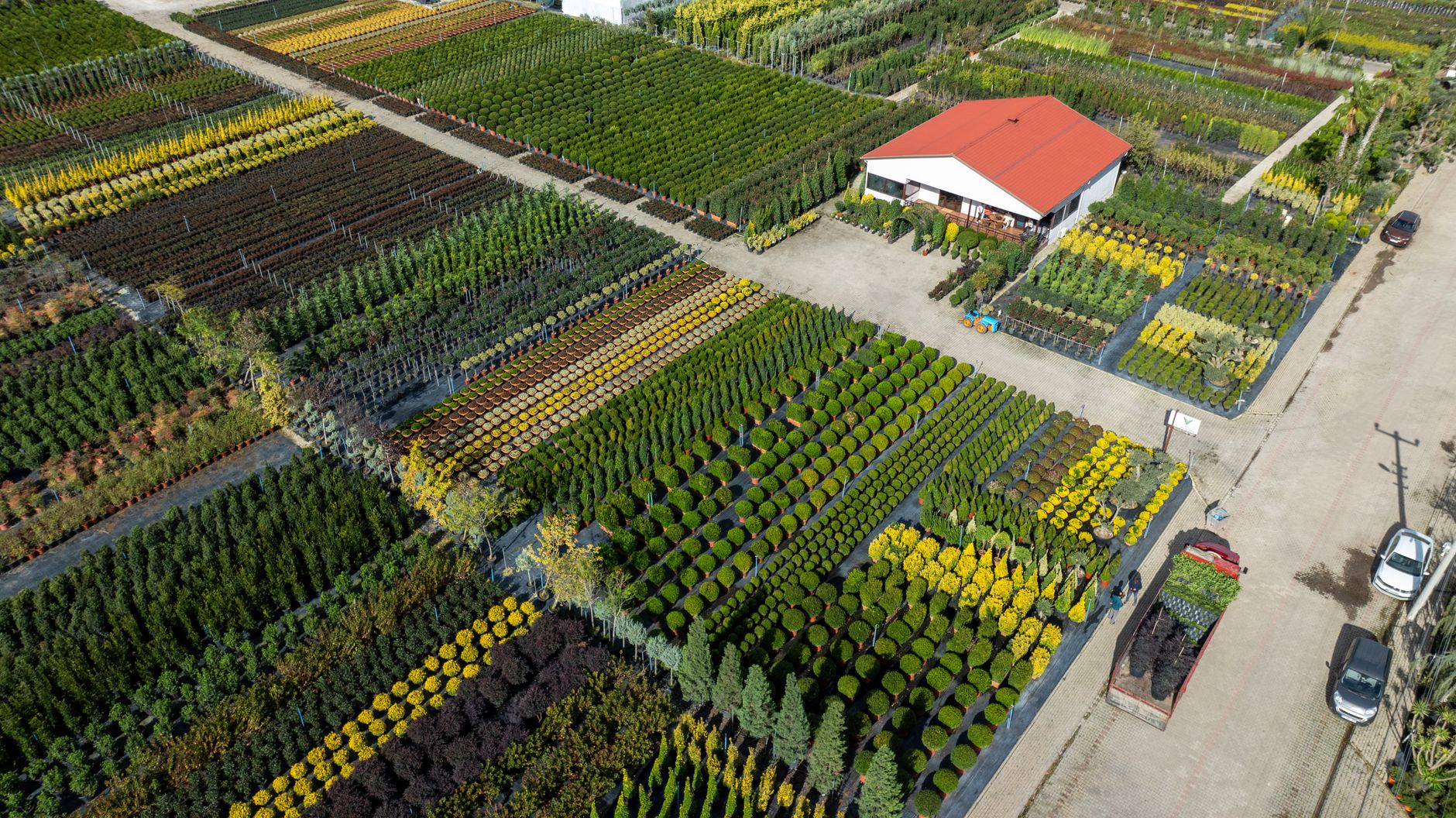
Purchasing plants in bulk can be beneficial when establishing privacy screens, windbreaks, hedgerows, or extensive planting beds.
However, quantity isn’t the only consideration. You’ll also need to account for plant size, spacing, transportation, installation, and ongoing care.
Smaller nursery stock is generally easier to transport and plant, while larger specimens provide a more established appearance immediately. Larger trees may also require specialized equipment and professional installation.
Compare the total cost of the project rather than focusing exclusively on the purchase price of each plant.
Plan for Plant Delivery and Installation
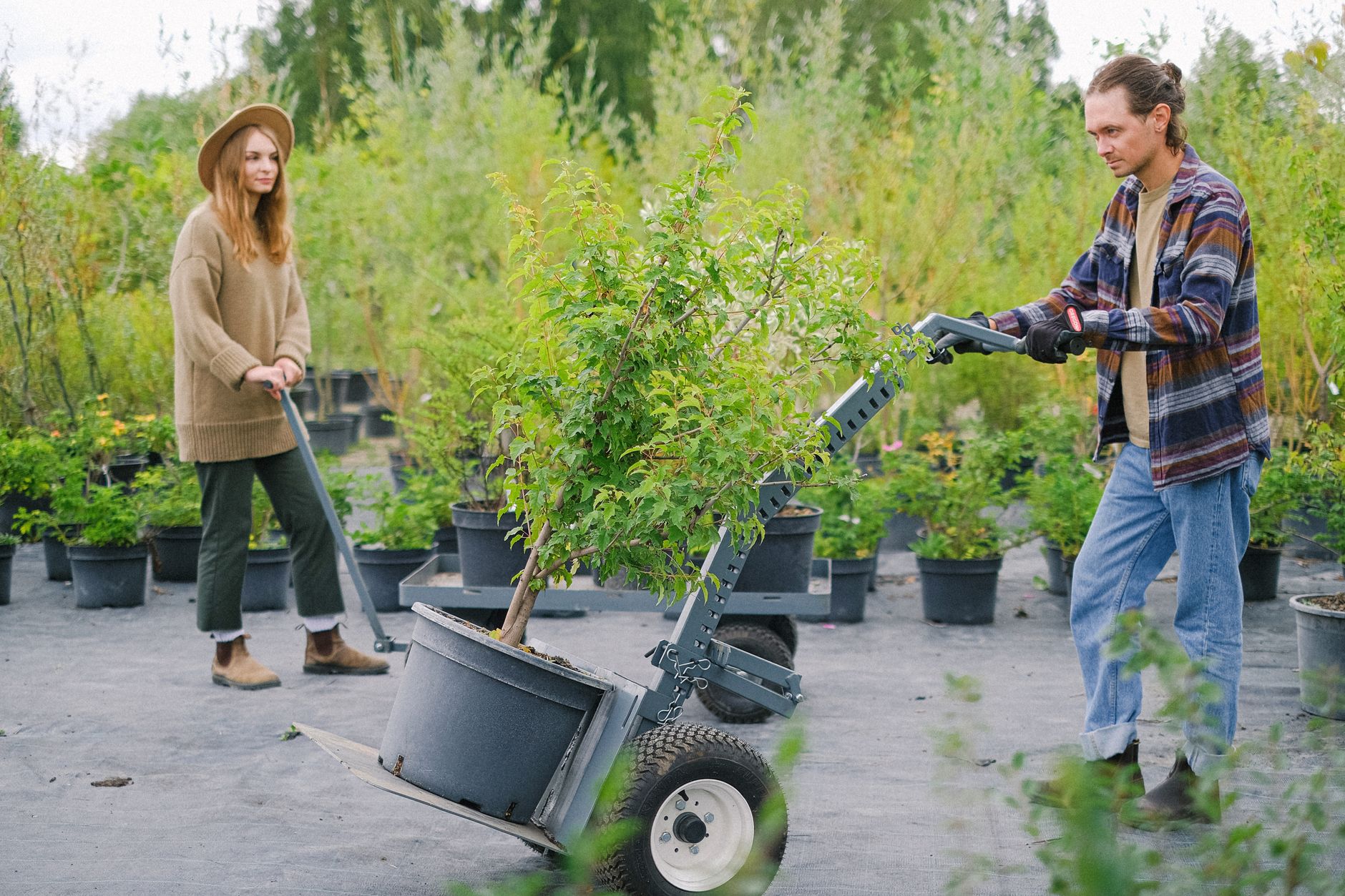
One aspect of landscaping that’s easy to overlook is the logistics of getting plants from the nursery into the ground. Plants are living materials, and improper transportation or prolonged storage can cause unnecessary stress. This is particularly important when purchasing large trees or coordinating multiple deliveries.
For professional landscaping projects, sourcing plants from several nurseries can create scheduling challenges. Different suppliers may have different availability, delivery requirements, and lead times.
Tree Source addresses these challenges by coordinating plant sourcing and delivery through its network of growers and distribution locations. Their services include online inventory availability, custom quotes, and direct-to-jobsite shipping throughout the Intermountain West.
For contractors managing several projects, having a reliable supply network can reduce the time spent locating materials and coordinating transportation.
Even when working on your own property, the same principles apply. Schedule plant deliveries as close to installation as possible and make sure your planting areas are prepared before the plants arrive.
Prepare Your Planting Areas
Before bringing home trees or shrubs, take care of the necessary groundwork. Remove unwanted vegetation, identify underground utilities, and address drainage problems. If you’re planting in compacted or poor-quality soil, determine whether amendments are necessary.
A basic soil testing kit can help you begin evaluating soil conditions, although a laboratory soil test will provide more accurate information about nutrients and pH.
Have your tools, mulch, and watering supplies ready before planting day. A soaker hose or drip irrigation system can be especially helpful when establishing new planting beds.
Remember that newly planted trees and shrubs need consistent moisture while their roots become established. Even drought-tolerant species require attention during their first growing seasons.
Create a Sustainable, Low-Maintenance Landscape
One of the best ways to reduce landscaping expenses is to design a property that requires less maintenance over time.
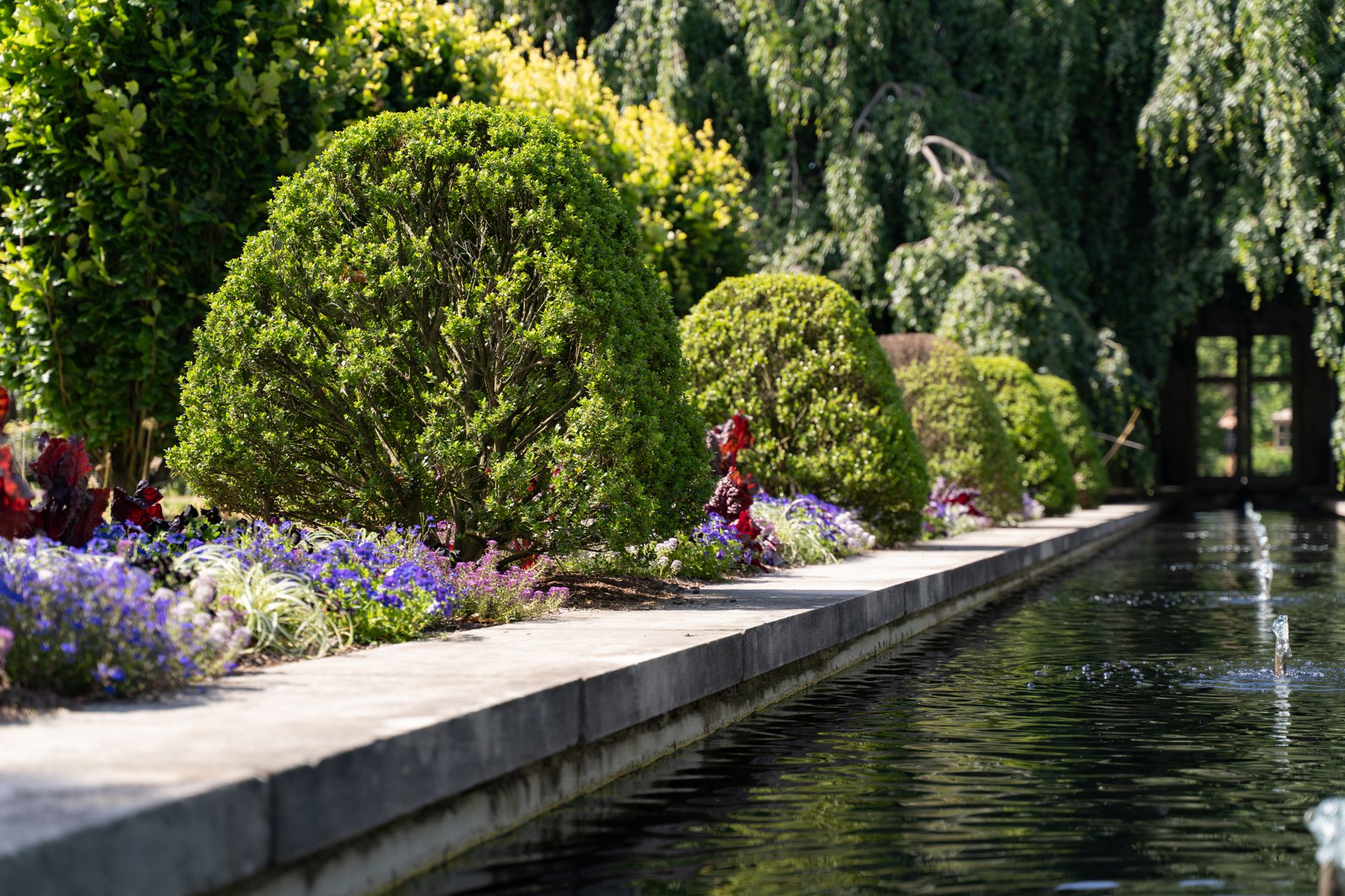
This begins with selecting plants that are suited to their growing conditions. Group plants with similar watering requirements together, use mulch to conserve soil moisture, and avoid overcrowding.
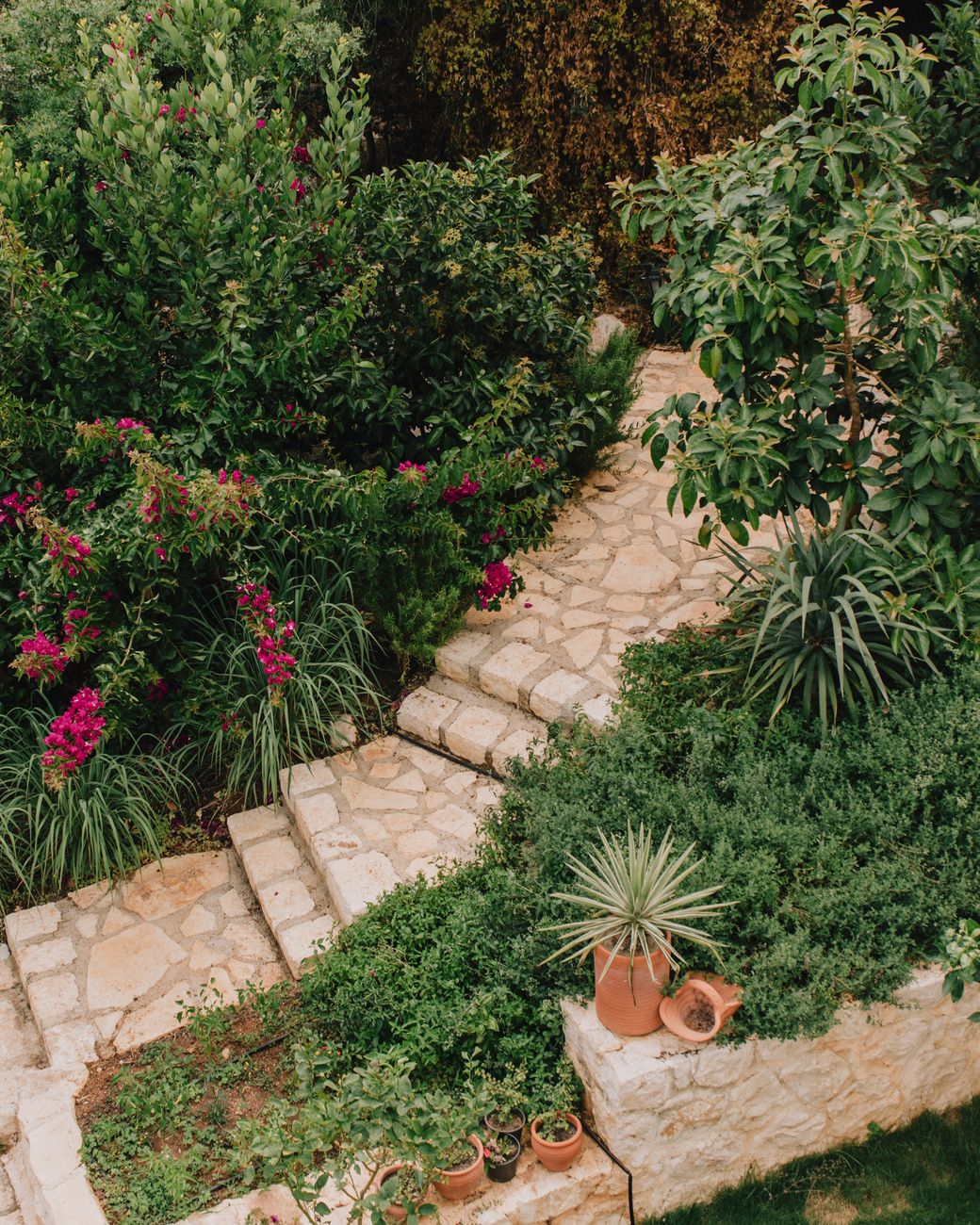
Whenever possible, incorporate native plants that support local pollinators and wildlife. A diverse landscape with trees, shrubs, flowering perennials, and groundcovers can create a healthier ecosystem than a large expanse of manicured lawn.
You can also use landscaping to improve your property’s efficiency. Strategically placed deciduous trees can shade your home during summer, while evergreen windbreaks may help reduce exposure to cold winter winds. Deep-rooted plants can stabilize slopes and reduce erosion, and rain gardens can help manage runoff in areas where water naturally collects.
If you’re interested in developing a more self-sufficient property, consider incorporating an orchard, berry patch, or perennial food garden into your plans. My ultimate list of gardening skills covers many of the techniques that can help you develop and maintain a productive landscape.
Keep Your Landscaping Project Organized
Landscaping an entire property can be a significant investment, especially when you’re purchasing mature trees or installing extensive planting beds.
Breaking the project into phases can make it more manageable. Start with major structural elements such as shade trees, privacy screens, and windbreaks. These plants often take the longest to mature, so establishing them early allows them to grow while you work on other areas.
Next, focus on shrubs, perennial beds, and smaller landscape features. Annual flowers and decorative accents can be added later. Keep records of the species and varieties you’ve planted, their locations, purchase dates, and maintenance requirements. This information will be valuable when replacing plants, expanding beds, or evaluating what grows best on your property.
I created my Garden Design and Planning Tool to make this process easier. It includes customizable layouts, plant records, scheduling tools, and worksheets that can be used for everything from vegetable gardens to orchards and perennial landscaping projects.
Planning ahead also helps prevent unnecessary purchases. It’s tempting to bring home beautiful plants whenever you visit a nursery, but having a detailed design makes it easier to stick to your budget and avoid overcrowding.
Final Thoughts
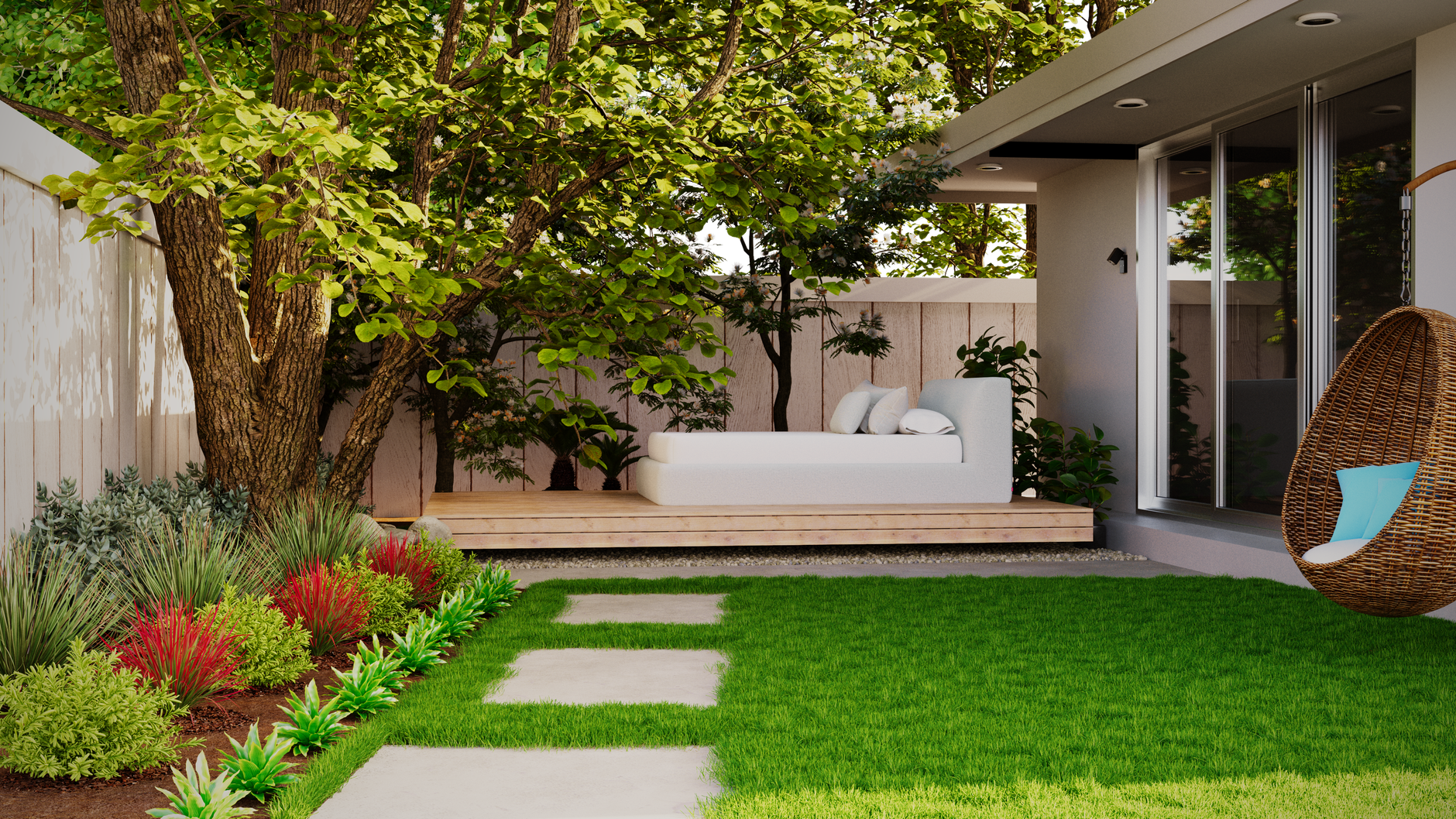
Creating a beautiful, functional landscape takes time, but the results are worth the effort. Trees and perennial plants are long-term investments that can improve your property’s appearance, comfort, and usefulness for decades.
Whether you’re planting a few fruit trees, establishing a natural privacy screen, or coordinating a large commercial landscaping project, successful plant sourcing begins with a thoughtful plan.
Choose plants that are appropriate for your climate, understand your purchasing options, and coordinate installation around the needs of your plants. By investing a little more time in planning and sourcing quality nursery stock, you can create an outdoor space that continues to grow and improve year after year.
Plan your vegetable garden like a pro with these tools
-
Garden Design and Planning Tool
Original price was: $29.00.$19.00Current price is: $19.00. -

E-Book | Saving Vegetable Seeds
$3.00 -
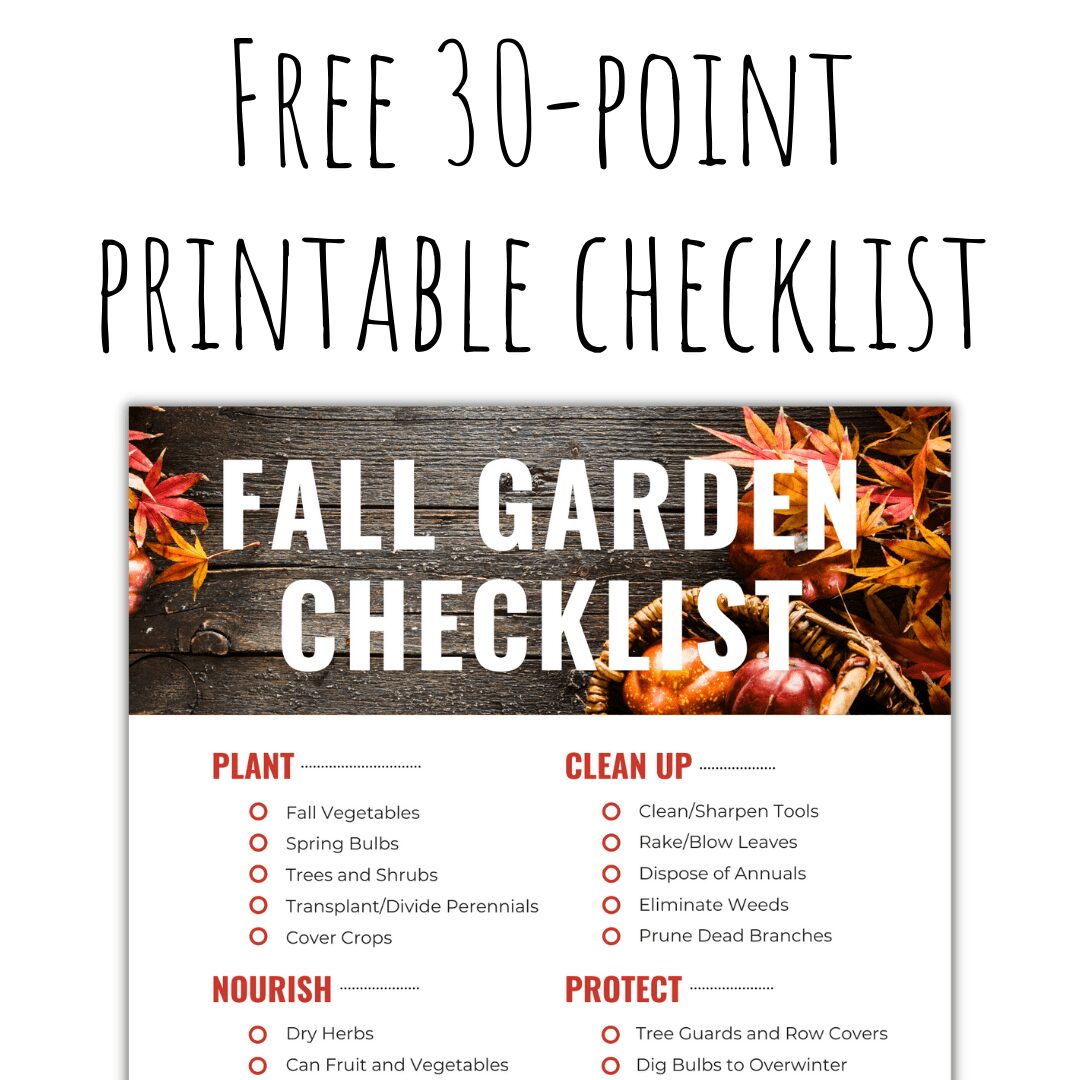
Fall Gardening Checklist Free Printable
$0.00 -

Succession Planting Schedule Free Printable
$0.00
Explore more gardening articles . . .
- Raised Bed Vegetable Garden Plan
- Unlock the Secrets to a Perfect Garden Layout! (A Reference Tool for Gardeners)
- Farm Layout Ideas: Site Plan Designs for Your Homestead.
- The Comprehensive Guide to Raised Bed Gardening
- Gardening 101: 9 Simple Steps to a Fantastic First Season!
- Chaos Gardening for Perpetual Harvests
- Best Gardening Books: Beginners to Masters
- Planning a Survival Garden for Food and Medicine
- Building a Climate Victory Garden to Regenerate Soil
- The Bare Soil Dilemma
- The Ultimate Guide to Planting an Herb Garden
- 90 Unique Spices to Grow in Your Herb Garden
- 75+ Side Hustles for Farmers to Boost Income
- My Passion for Permaculture (and how to apply it to your homestead)
- How to Make a Succession Garden Schedule
- Start your Garden Renovation: Budget and Planning Guide
- How to Build a DIY Outdoor Pizza Oven
- Tips for Garden Critter Control
- The Gardener’s Guide to Pest Insects
- Expert Tips for Gardening Safety
- How to Grow Tomatoes
- 30 Unique Heirloom Vegetables for your Food Garden
- How to Start Seeds Indoors and Keep Them Alive!
- The Secret World of Seeds: Ancient Knowledge
- How to Grow a Medicinal Tea Garden (Plus over 40 Plants!)
- Top 20 Flowers for a Cottage Garden
- 20 Perennial Flowers that Bloom all Summer
- Wildflower Cottage Garden Design
- 12 Culinary Herbs for the Flower Garden
- Learn to Pressure Can Veggies!
- 8 Ways to Preserve Your Harvest
- How to Harvest, Dry and Cure Cilantro
- Companion Planting: Cracking the Code
- Plant Friend or Foe: Companion Planting in the Vegetable Garden
- Most Wished for Gardening Accessories!
- Veggie Garden Supply List
Share this Post on Social Media!
For more inspiration, follow my Pinterest Board: Gardening, Growing Food, Landscaping.
