
Growing a productive garden takes more than good seeds, sunshine, and water. Plants need a balanced supply of essential nutrients to develop strong roots, healthy foliage, and abundant flowers and fruit. Understanding plant nutrients is one of the most valuable skills you can develop as a gardener, whether you’re growing vegetables in raised beds, maintaining a greenhouse, or experimenting with hydroponics. Specialty products like humboldt county nutrients offer growers additional options for managing plant nutrition throughout different growth stages. But before reaching for the fertilizer, it’s important to understand what your plants actually need and how to create healthier gardens from the ground up.
I have always believed that a successful garden begins with healthy soil. Composting, companion planting, crop rotation, and other sustainable gardening practices can help build a productive growing environment. However, even well-maintained gardens can develop nutrient deficiencies, particularly when growing demanding crops or harvesting from the same beds year after year.
Learning how plants absorb nutrients, recognizing signs of deficiencies, and understanding when supplemental feeding is beneficial can make a significant difference in your garden’s long-term productivity.
Understanding Essential Plant Nutrients
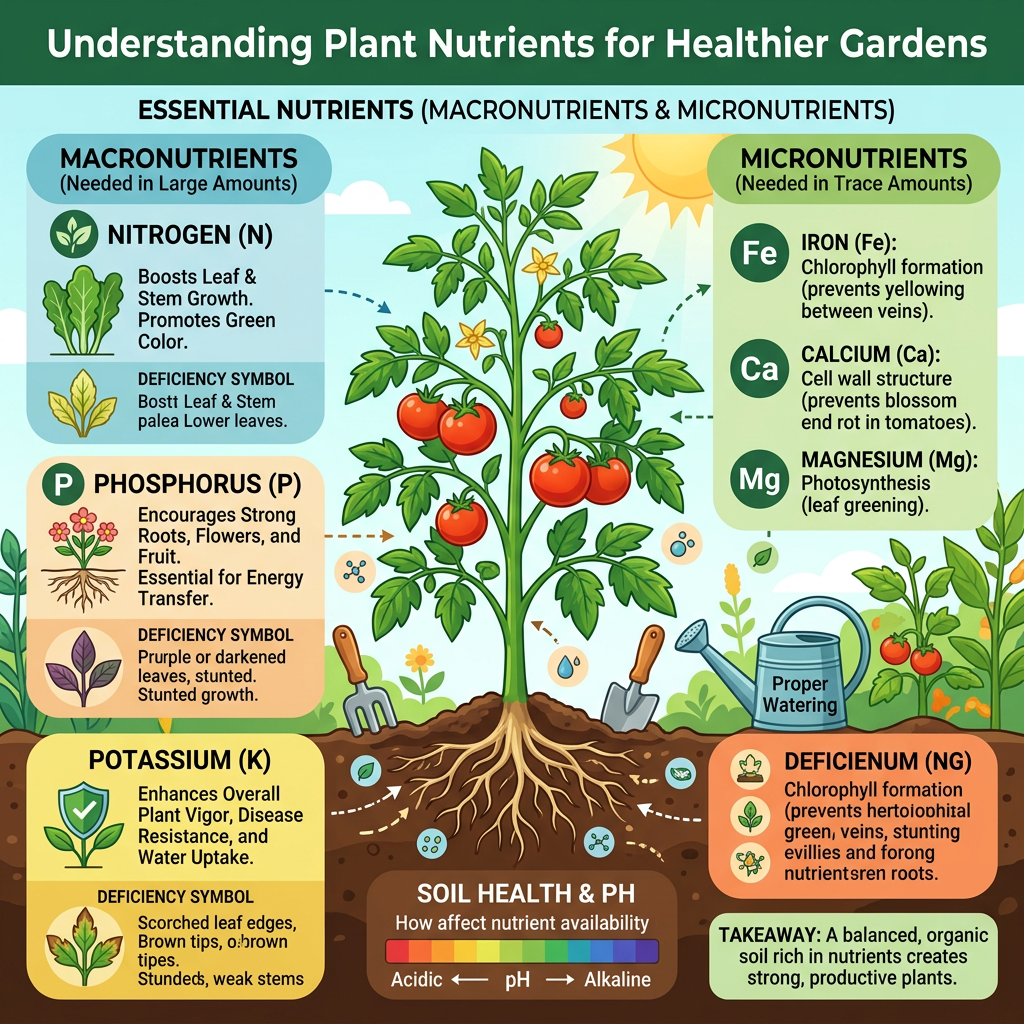
Plants require 17 essential elements to complete their life cycles. Carbon, hydrogen, and oxygen come primarily from air and water, while the remaining nutrients are absorbed through the roots.
Three of the most important plant nutrients are nitrogen, phosphorus, and potassium, commonly referred to as NPK. These are the three numbers you’ll see printed on fertilizer packaging.
Book reccomendation for diving deeper: Building Soil: A Down-to-Earth Approach: Natural Solutions for Better Gardens & Yards
Nitrogen (N): Supporting Leafy Growth
Nitrogen is essential for chlorophyll production and the development of healthy stems and foliage. It’s particularly important during the vegetative growth stage, when plants are establishing their structure.
Leafy vegetables such as lettuce, spinach, kale, and cabbage require adequate nitrogen to produce vigorous growth. Plants experiencing nitrogen deficiencies may develop pale green or yellow leaves, particularly on older growth. However, excessive nitrogen can encourage lush foliage at the expense of flowers and fruit.
Phosphorus (P): Roots, Flowers, and Fruit
Phosphorus plays an important role in energy transfer, root development, and reproductive growth. Plants need phosphorus throughout their life cycles, but its availability becomes especially important when establishing roots and producing flowers and fruit.
A phosphorus deficiency may cause stunted growth or unusually dark foliage, sometimes accompanied by purple discoloration. These symptoms can also result from cold soil or other growing conditions, so it’s important to investigate before adding fertilizer.
Potassium (K): Plant Strength and Resilience
Potassium helps regulate water movement, enzyme activity, and numerous physiological processes. Adequate potassium supports healthy plant development and contributes to the quality of many fruits and vegetables. Deficiencies can appear as yellowing or browning along leaf edges, particularly on older leaves.
Secondary Nutrients and Micronutrients
Although nitrogen, phosphorus, and potassium receive most of the attention, plants also require calcium, magnesium, and sulfur. Micronutrients such as iron, manganese, zinc, boron, copper, molybdenum, chlorine, and nickel are needed in much smaller quantities, but they’re equally essential.
The challenge is maintaining the proper balance. Adding more fertilizer doesn’t necessarily create healthier plants. Excessive amounts of one nutrient can interfere with the absorption of another, creating deficiencies even when nutrients are present in the soil.
Healthy Soil Is the Foundation of Healthier Gardens
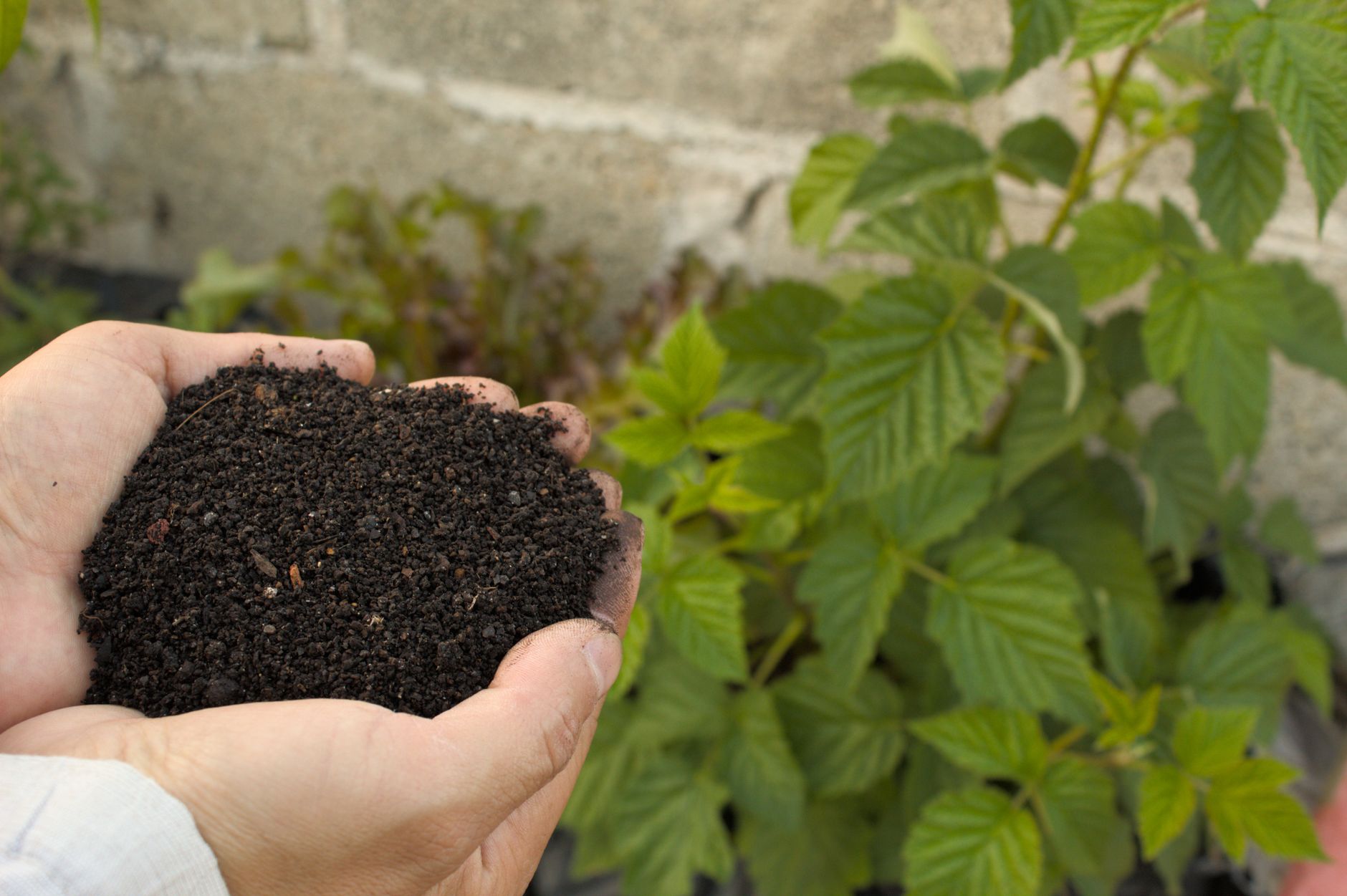
Before investing in fertilizers and supplements, take a closer look at what’s happening beneath your plants. Healthy soil is a living ecosystem containing microorganisms, organic matter, minerals, air, and water. These components work together to support root development and make nutrients available to plants.
In my article on building a Climate Victory Garden to regenerate soil, I discuss how sustainable gardening practices can improve soil health while supporting the surrounding ecosystem.
Some of the best ways to build fertile soil include:
- Composting: Decomposed organic materials return nutrients to the soil while improving its structure and moisture retention.
- Mulching: Organic mulch protects soil from temperature extremes, reduces evaporation, and gradually contributes organic matter as it decomposes.
- Crop Rotation: Changing where plant families grow helps manage pests, diseases, and nutrient demands.
- Cover Cropping: Plants such as clover, rye, and field peas can protect exposed soil, reduce erosion, and contribute organic matter.
- Reducing Soil Disturbance: Minimizing unnecessary tilling helps preserve soil structure and the organisms living within it.
These practices create the foundation for healthier gardens, but they don’t eliminate the need to monitor nutrient levels.
Test Your Soil Before Adding Plant Nutrients
One of the biggest mistakes gardeners make is fertilizing without knowing what their soil already contains. A laboratory soil test can identify nutrient levels, soil pH, and potential imbalances. This information allows you to make informed decisions about which amendments are necessary.
You can also use an at-home soil pH testing kit to begin evaluating your growing conditions, although laboratory testing is more reliable for determining nutrient requirements.
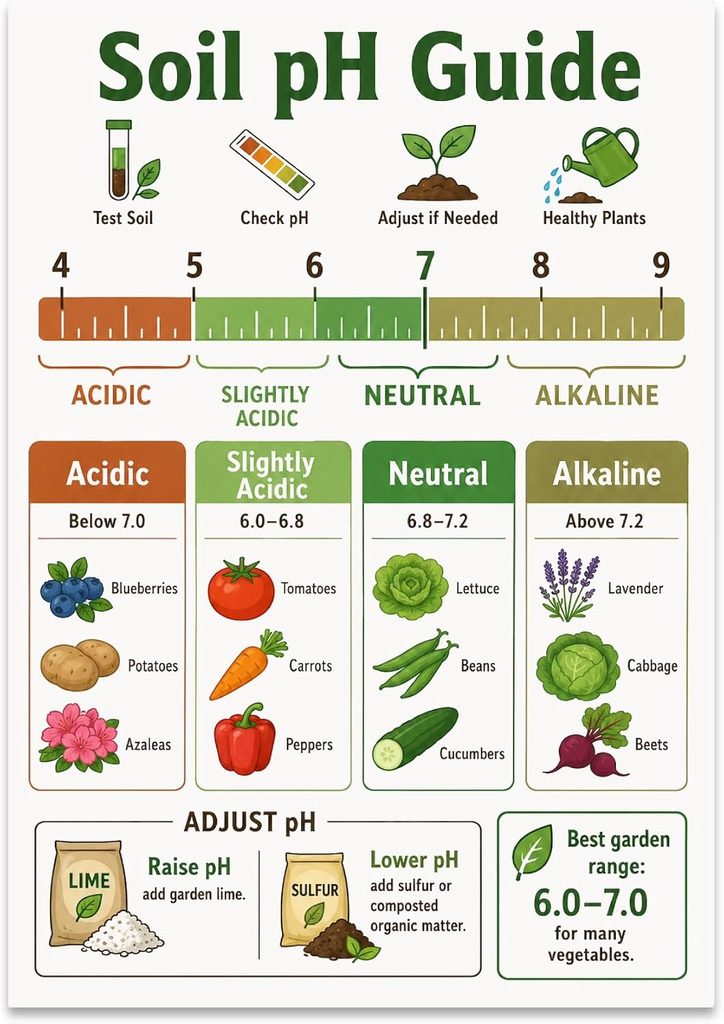
Soil pH is especially important because it influences how readily plants can absorb nutrients. Most common garden vegetables prefer slightly acidic to neutral soil, but some crops have more specific requirements.
Blueberries, for example, thrive in acidic conditions that would be unsuitable for many other vegetables. Adding fertilizer without addressing an inappropriate soil pH may do little to correct the underlying problem.
Choosing Plant Nutrients for Different Growth Stages
Plants don’t require exactly the same nutrient balance throughout their lives. A young seedling establishing its roots has different needs than a mature tomato plant producing fruit. Understanding these changing requirements can help you provide appropriate nutrition without wasting fertilizer.
Seedling and Early Root Development
During germination, seeds rely on stored energy and nutrients to begin growing. Once seedlings develop true leaves, they gradually become more dependent on nutrients available in their growing medium.
Seed-starting mixes may contain little fertilizer, so supplemental feeding can become necessary as plants mature. However, young roots are sensitive to concentrated fertilizers. Begin with an appropriately diluted solution if feeding is needed, following the product’s recommendations.
A good seed-starting tray with humidity dome can help maintain consistent conditions during germination.
Vegetative Growth
During the vegetative stage, plants devote much of their energy to producing roots, stems, and leaves. Nitrogen becomes particularly important during this period, although phosphorus, potassium, and other essential nutrients remain necessary.
Humboldt County’s Own manufactures a line of plant nutrients designed for different growing stages, including its Deep Fusion Grow, Micro, and Bloom formulations.
These products are part of a base nutrition system intended to provide essential nutrients while allowing growers to adjust their feeding programs as plants develop. For gardeners using formulated nutrient solutions, following the manufacturer’s feeding recommendations is important to avoid overfertilization or nutrient imbalances.
Flowering and Fruiting
As plants transition into flowering and fruit production, their nutrient requirements change. Tomatoes, peppers, squash, cucumbers, and many flowering plants require balanced nutrition to support fruit development and continued growth.
Specialized bloom fertilizers are formulated for this stage, often providing different proportions of phosphorus and potassium than fertilizers intended primarily for vegetative growth.
Humboldt County’s Own offers flowering supplements such as Crystal Burst and Sonic Bloom, which are formulated with concentrated phosphorus and potassium. These products are designed to complement an existing feeding program rather than replace complete plant nutrition.
Keep in mind that more phosphorus or potassium doesn’t automatically mean more flowers or larger harvests. The benefit of supplemental feeding depends on the plant’s actual requirements, the growing medium, and existing nutrient availability.
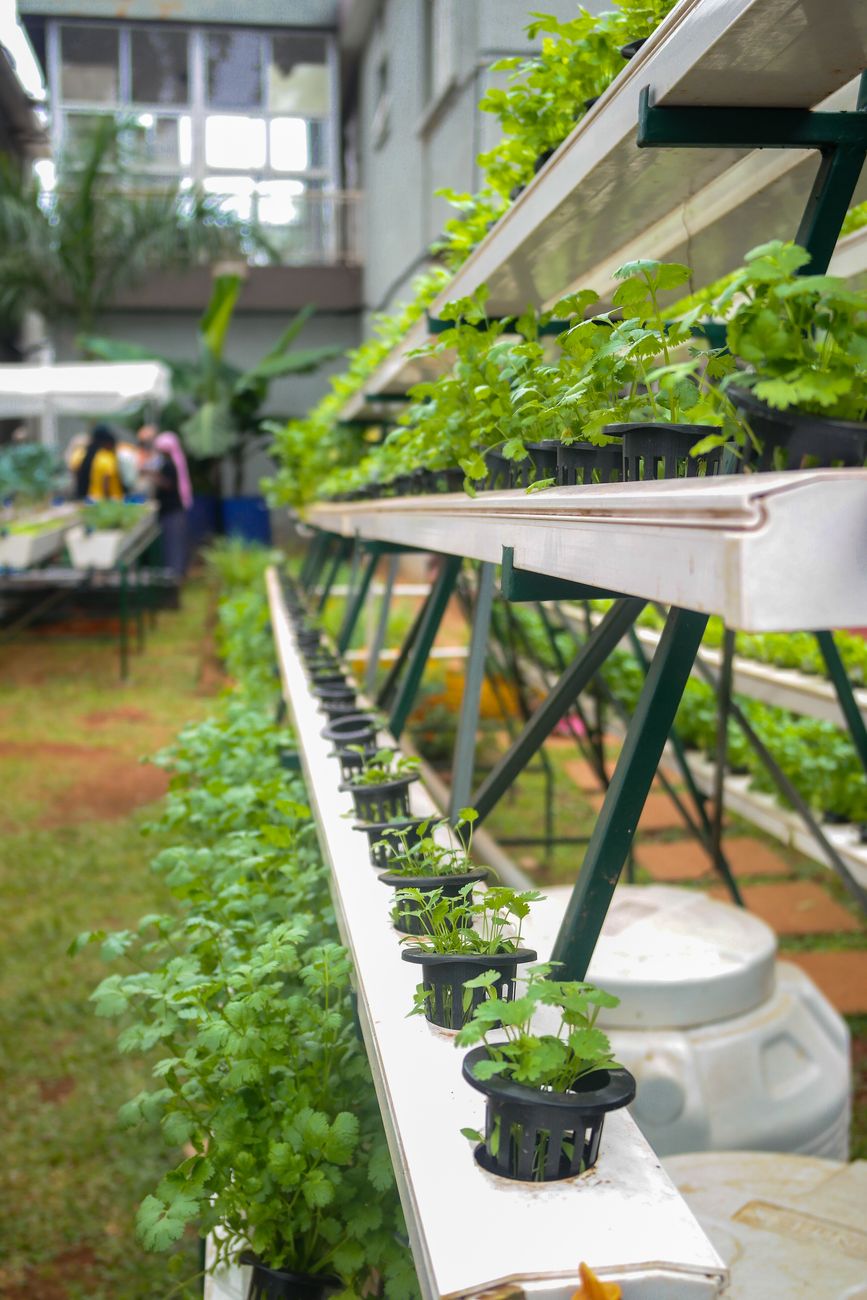
Plant Nutrients for Soil, Coco Coir, and Hydroponic Gardens
One of the most interesting aspects of modern gardening is the variety of growing systems available. While traditional soil gardening remains my preference for outdoor vegetable production, container gardening and hydroponics offer additional options for gardeners working with limited space or controlled environments.
Each system requires a different approach to managing plant nutrients.
Growing in Soil
Soil provides a natural reservoir for nutrients and supports microorganisms that help break down organic matter. Gardeners can improve soil fertility through compost, aged manure, organic amendments, and appropriately selected fertilizers.
In a healthy soil ecosystem, nutrients become available through a combination of biological activity and chemical processes. This makes soil relatively forgiving, although excessive fertilizer can still damage roots, create nutrient imbalances, or contribute to runoff.
For more information on building productive growing beds, read my comprehensive guide to raised bed gardening.
Growing in Coco Coir
Coco coir is a growing medium made from coconut husks. It retains moisture while providing aeration around plant roots. Unlike fertile garden soil, coco coir contains relatively few plant-available nutrients, so growers generally need to provide a complete nutrient solution.
Coco coir also interacts with certain nutrients, particularly calcium, magnesium, and potassium. Using properly prepared growing media and monitoring nutrient balance can help prevent deficiencies. A coco coir growing medium can be useful for container gardening, seed starting, and certain soilless growing systems.
Hydroponic Gardening
Hydroponic growing systems allows plants to grow without traditional soil, using nutrient solutions to supply essential minerals directly to their roots. Because the growing medium provides little or no nutrient reserve, careful management becomes especially important.
Hydroponic growers monitor nutrient concentration, water quality, and pH to maintain suitable growing conditions. An EC and pH meter can help track nutrient solution strength and acidity.
Specialized nutrient systems provide options for growers managing soilless cultivation. Regardless of the growing system, the goal remains the same: providing plants with the nutrients they need in forms they can absorb.
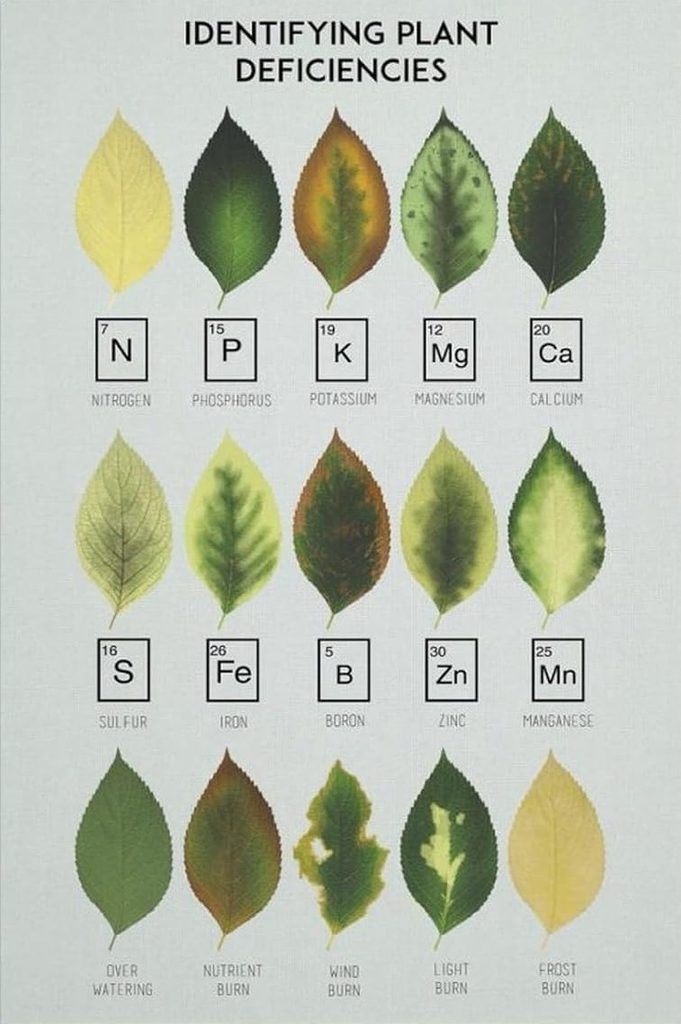
Recognizing Nutrient Deficiencies in Your Garden
Plants often communicate problems through changes in their appearance. Yellowing leaves, slow growth, unusual discoloration, and poor fruit development may indicate nutritional issues. However, these symptoms can also result from overwatering, drought, pests, disease, temperature stress, or damaged roots.
Before adding fertilizer, consider the following:
- Check soil moisture. Waterlogged or excessively dry soil can interfere with nutrient absorption.
- Examine the roots. Poor drainage, root damage, or restricted growth can prevent plants from accessing available nutrients.
- Evaluate soil pH. Nutrients may be present but unavailable because of unsuitable growing conditions.
- Look for patterns. Deficiencies often affect older or younger leaves first, depending on how nutrients move within the plant.
- Test before treating. Soil or growing-medium testing can help confirm suspected nutrient problems.
Avoid applying multiple fertilizers and supplements at once. Doing so makes it difficult to determine which treatment helped and may create additional problems.
Gardening requires observation, patience, and a willingness to experiment. The more familiar you become with your plants, the easier it becomes to recognize when something isn’t right.
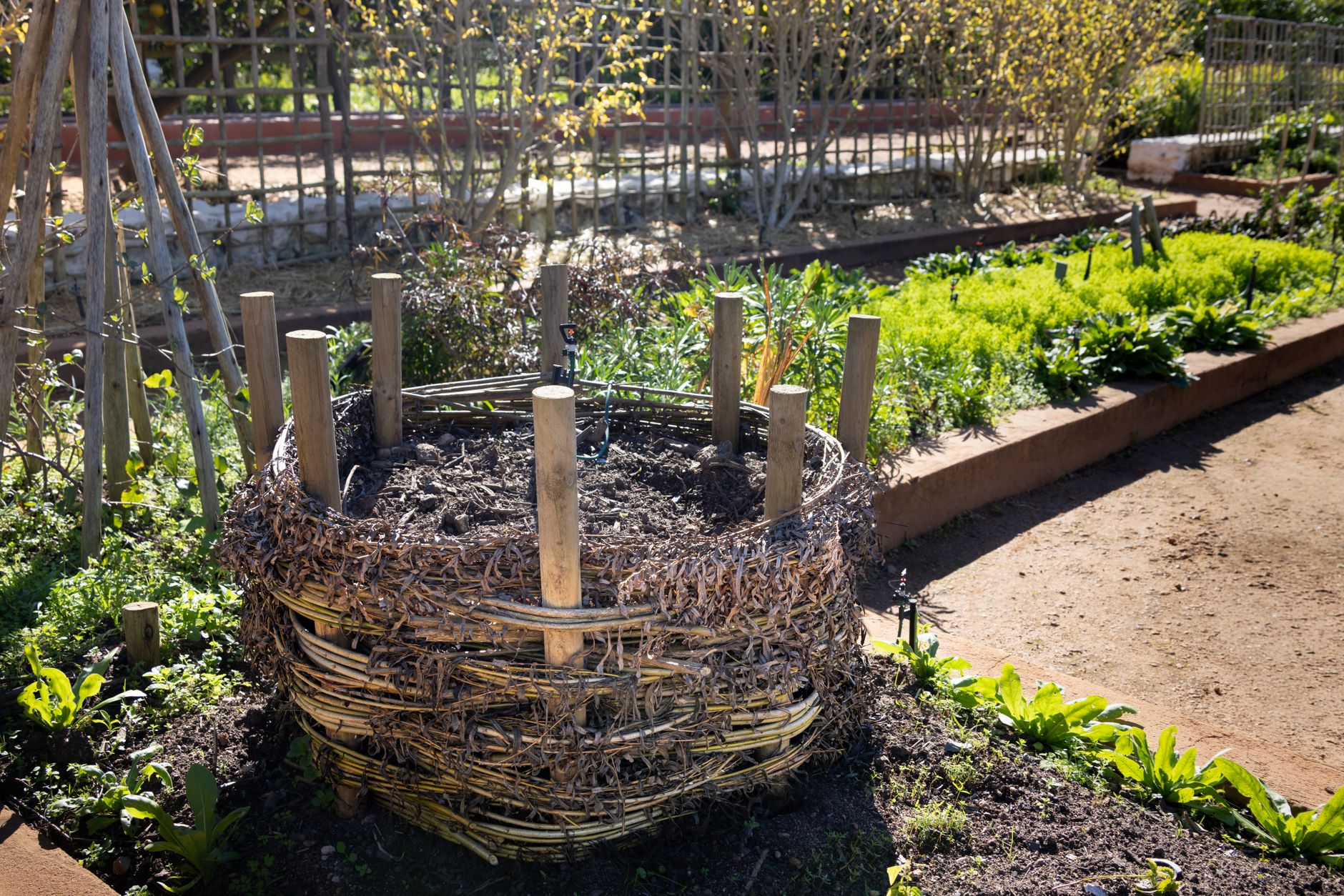
Using Fertilizers and Supplements Responsibly
There is no shortage of gardening products promising faster growth, bigger harvests, and healthier plants. Some fertilizers and supplements can be valuable tools, particularly in container gardens, greenhouses, and intensive growing systems where nutrients are depleted or managed more precisely. However, the most effective approach is to start with a sound growing environment and supplement only when necessary.
When selecting plant nutrients, consider the following:
- Choose products appropriate for your plants and growing medium.
- Understand the fertilizer’s NPK ratio and intended purpose.
- Follow manufacturer instructions for mixing and application.
- Monitor soil or nutrient solution pH when appropriate.
- Avoid combining concentrated products without checking compatibility.
- Keep records of feeding schedules and plant responses.
- Store fertilizers safely, away from children, pets, and water sources.
Remember that fertilizers are only one part of successful gardening. Adequate sunlight, proper watering, good drainage, and healthy root systems are equally important.
If you’re looking to develop a more complete understanding of gardening techniques, my ultimate list of gardening skills covers everything from soil fertility and composting to irrigation, propagation, and seasonal maintenance.
Planning and Tracking Plant Nutrients for Healthier Gardens
Keeping detailed garden records is one of the easiest ways to improve your results from season to season. Record what you plant, when you fertilize, which amendments you use, and how your crops respond. Over time, patterns begin to emerge.
You may discover that certain vegetables require additional feeding in your soil, while others perform better with minimal intervention. Tracking soil tests and fertilizer applications can also prevent unnecessary spending and reduce the risk of nutrient buildup.
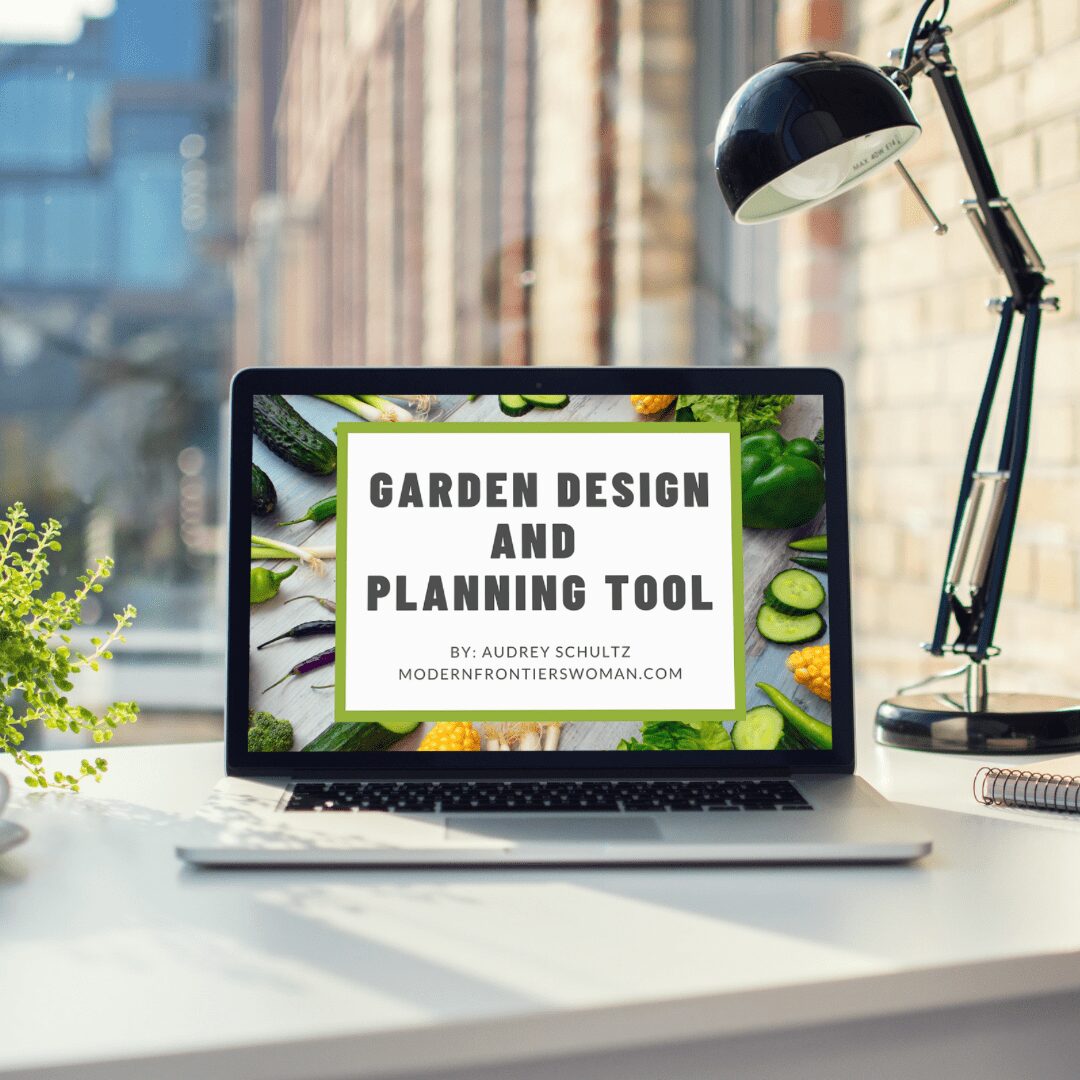
I designed my Garden Design and Planning Tool to help gardeners organize planting schedules, garden layouts, maintenance records, and soil amendments in one place. Whether you’re managing a few raised beds or an extensive homestead garden, maintaining good records allows you to make better decisions and continually refine your growing methods.

Final Thoughts on Plant Nutrients and Healthier Gardens
Understanding plant nutrients is about more than choosing the right fertilizer. It’s about learning how plants grow, how soil supports them, and how different environmental conditions influence their ability to absorb essential minerals.
Healthier gardens begin with thoughtful planning, fertile soil, proper watering, and careful observation. Fertilizers and specialized nutrient products can help address specific growing needs, but they work best as part of a balanced approach to plant care.
Whether you’re growing vegetables for your family, experimenting with hydroponics, or managing a greenhouse, take the time to understand what your plants need before adding anything to your growing system.
A productive garden isn’t necessarily the one receiving the most fertilizer. It’s the one where plants have access to the right nutrients, in the right amounts, at the right time.
Plan your vegetable garden like a pro with these tools
-
Garden Design and Planning Tool
Original price was: $29.00.$19.00Current price is: $19.00. -

E-Book | Saving Vegetable Seeds
$3.00 -
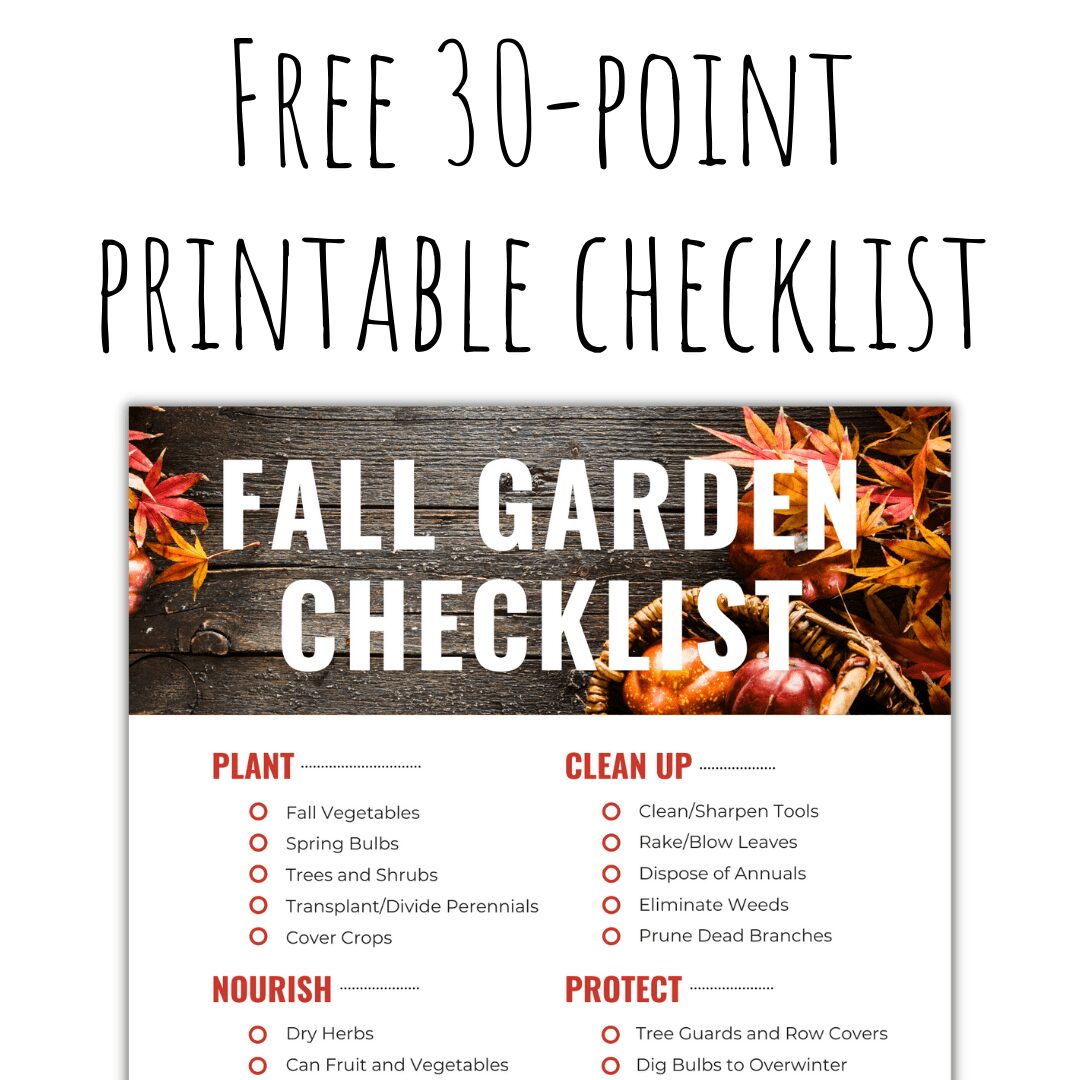
Fall Gardening Checklist Free Printable
$0.00 -

Succession Planting Schedule Free Printable
$0.00
Explore more gardening articles . . .
- Raised Bed Vegetable Garden Plan
- Unlock the Secrets to a Perfect Garden Layout! (A Reference Tool for Gardeners)
- Farm Layout Ideas: Site Plan Designs for Your Homestead.
- The Comprehensive Guide to Raised Bed Gardening
- Gardening 101: 9 Simple Steps to a Fantastic First Season!
- Chaos Gardening for Perpetual Harvests
- Best Gardening Books: Beginners to Masters
- Planning a Survival Garden for Food and Medicine
- Building a Climate Victory Garden to Regenerate Soil
- The Bare Soil Dilemma
- The Ultimate Guide to Planting an Herb Garden
- 90 Unique Spices to Grow in Your Herb Garden
- 75+ Side Hustles for Farmers to Boost Income
- My Passion for Permaculture (and how to apply it to your homestead)
- How to Make a Succession Garden Schedule
- Start your Garden Renovation: Budget and Planning Guide
- How to Build a DIY Outdoor Pizza Oven
- Tips for Garden Critter Control
- The Gardener’s Guide to Pest Insects
- Expert Tips for Gardening Safety
- How to Grow Tomatoes
- 30 Unique Heirloom Vegetables for your Food Garden
- How to Start Seeds Indoors and Keep Them Alive!
- The Secret World of Seeds: Ancient Knowledge
- How to Grow a Medicinal Tea Garden (Plus over 40 Plants!)
- Top 20 Flowers for a Cottage Garden
- 20 Perennial Flowers that Bloom all Summer
- Wildflower Cottage Garden Design
- 12 Culinary Herbs for the Flower Garden
- Learn to Pressure Can Veggies!
- 8 Ways to Preserve Your Harvest
- How to Harvest, Dry and Cure Cilantro
- Companion Planting: Cracking the Code
- Plant Friend or Foe: Companion Planting in the Vegetable Garden
- Most Wished for Gardening Accessories!
- Veggie Garden Supply List
Share this Post on Social Media!
For more inspiration, follow my Pinterest Board: Gardening, Growing Food, Landscaping.
