
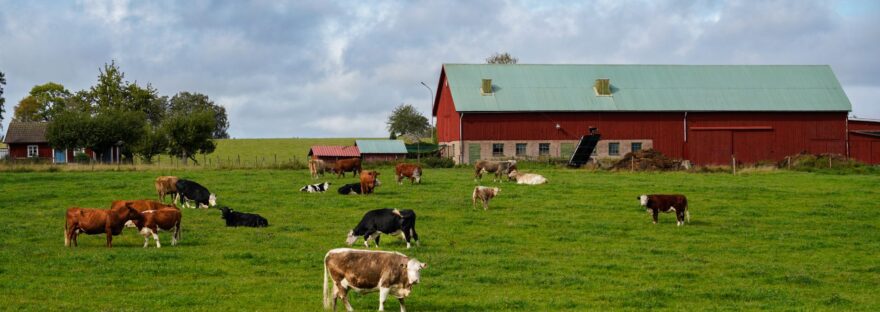
Modern livestock producers face a growing challenge: how to raise healthy animals, maintain productive pastureland, and meet increasing consumer demand for sustainably produced food. One of the most effective solutions is rotational grazing, a management practice that improves pasture productivity while benefiting soil health, animal welfare, and ultimately the quality of food reaching our tables. For ranchers looking to implement an efficient grazing system, quality infrastructure is essential. Companies like 4 Rivers Ranch provide durable, galvanized steel livestock panels designed to support modern cattle handling and pasture management systems. Their equipment helps producers create flexible grazing layouts that improve livestock movement, reduce labor demands, and support more efficient ranch operations.
What Is Rotational Grazing?
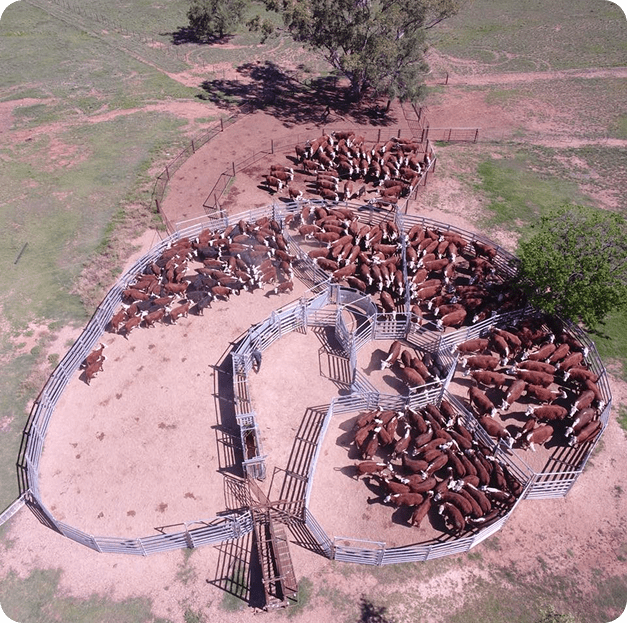
Rotational grazing (aka regenerative grazing) is the practice of dividing pasture into smaller sections, often called paddocks, and moving livestock between them on a planned schedule. Rather than allowing animals to graze one large pasture continuously, livestock are given access to fresh forage while previously grazed areas are allowed time to recover.
This simple management change can dramatically improve pasture health and productivity while reducing the need for supplemental feed, fertilizers, and costly inputs.
The Soil Health Benefits of Rotational Grazing
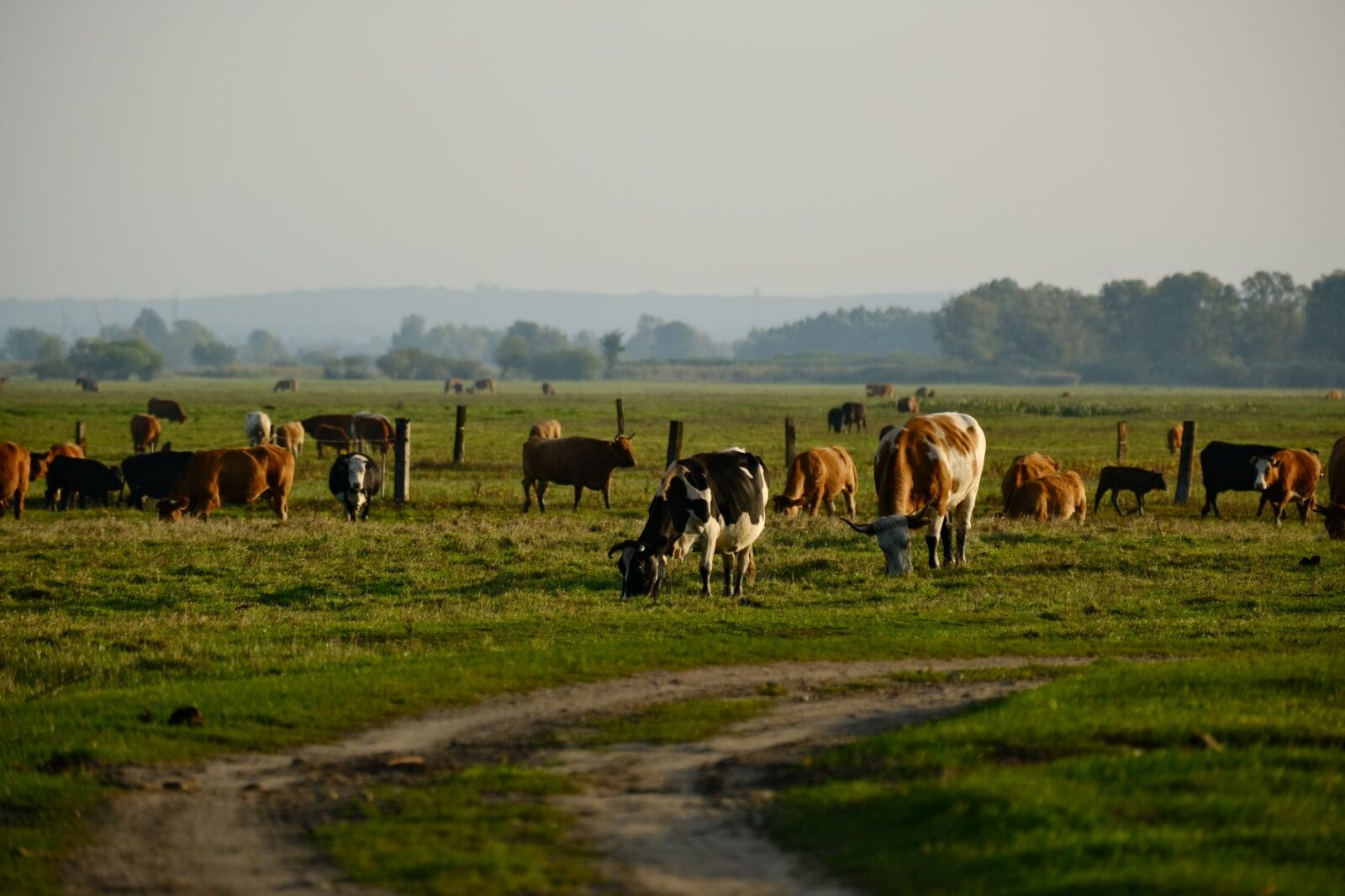
Healthy soil serves as the foundation of every successful livestock operation. Rotational grazing helps improve soil conditions in several important ways.
1. Increased Organic Matter
When plants are given adequate recovery time, they develop deeper root systems. As roots grow and naturally die back, they contribute organic matter to the soil. Higher organic matter levels improve soil structure and provide food for beneficial microorganisms.
2. Better Water Infiltration
Compacted soils often struggle to absorb rainfall, leading to runoff and erosion. Rotational grazing reduces overgrazing and encourages healthy root growth, allowing water to penetrate deeper into the soil profile. This helps pastures remain productive during dry periods and reduces erosion during heavy rains.
3. Enhanced Nutrient Cycling
Livestock naturally return nutrients to the land through manure and urine. By moving animals strategically, producers can distribute these nutrients more evenly across the pasture instead of concentrating them in a few heavily used areas.
4. Reduced Erosion
Overgrazed pastures often leave bare soil exposed to wind and water. Rotational grazing maintains more consistent plant cover, helping protect valuable topsoil and preserving long-term productivity.
Healthier Animals Through Better Grazing Management
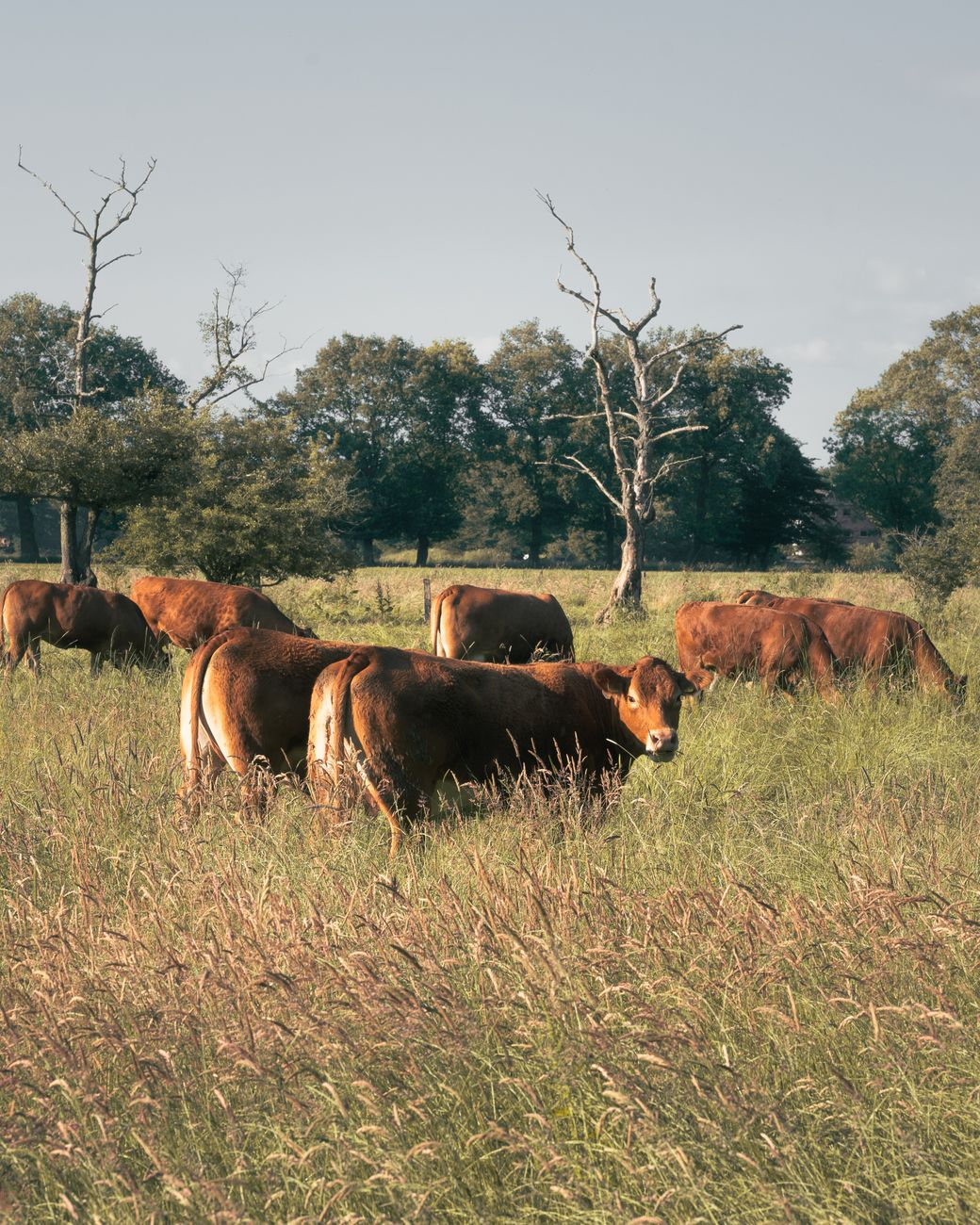
The benefits of rotational grazing extend well beyond the soil.
1. Access to Fresh Forage
Animals moved frequently have access to younger, more nutritious plants. Fresh forage typically contains higher levels of protein, energy, and essential nutrients than overgrazed pasture.
2. Reduced Parasite Pressure
Many internal parasites have life cycles that depend on animals repeatedly grazing the same areas. Rotational grazing can interrupt these cycles by moving livestock before parasite populations build up, reducing overall health risks.
3. Lower Stress Levels
Well-designed grazing systems encourage natural animal behavior and reduce overcrowding. Proper fencing and handling equipment make livestock movement easier and less stressful for both animals and ranchers.
4. Improved Herd Performance
Healthier forage and lower stress often contribute to better weight gain, improved reproductive performance, and stronger overall herd health.

How Rotational Grazing Benefits Human Health
Consumers may not immediately connect grazing practices with their own health, but the relationship is significant.
1. More Nutrient-Dense Food
Livestock raised on diverse, healthy pastures often consume a wider variety of grasses, legumes, and forage plants. This diversity can contribute to improved nutrient profiles in meat and dairy products.
2. Reduced Dependence on Inputs
Healthy pastures frequently require fewer purchased inputs, including fertilizers and supplemental feeds. Many consumers appreciate food systems that rely more heavily on natural ecological processes.
3. Environmental Stewardship
Healthy grazing systems support cleaner waterways, improved wildlife habitat, and better carbon sequestration in soils. These environmental benefits contribute to healthier communities and more sustainable food production.
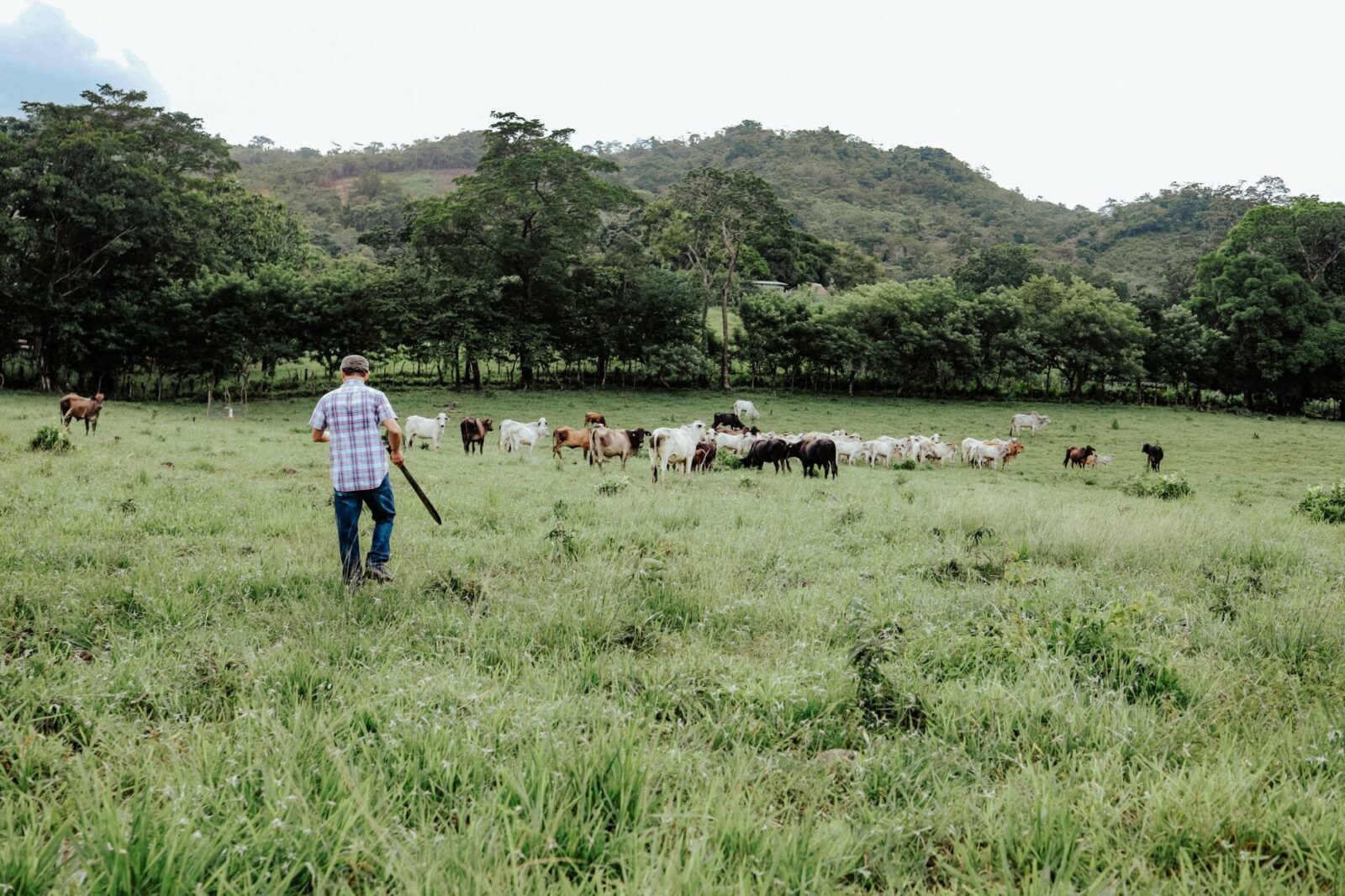
Infrastructure Matters
Successful rotational grazing requires thoughtful planning and dependable equipment. Producers often need fencing, gates, handling systems, and portable infrastructure that can withstand years of demanding use.
Durable galvanized steel systems from companies such as 4 Rivers Ranch help ranchers create efficient grazing layouts that simplify livestock movement while reducing labor requirements. Strong, reliable equipment is particularly important when managing larger herds or implementing intensive rotational grazing programs.
Getting Started with Rotational Grazing
Cattle and dairy farms interested in rotational grazing do not need to overhaul their entire operation overnight. Many successful ranchers begin by dividing a single pasture into two or three sections and gradually refining their management approach.
Key factors for success include:
- Providing adequate recovery time for forage.
- Monitoring pasture conditions regularly.
- Adjusting stocking rates when necessary.
- Using durable livestock handling and fencing systems.
- Remaining flexible as weather and growing conditions change.
The Long-Term Value of Rotational Grazing
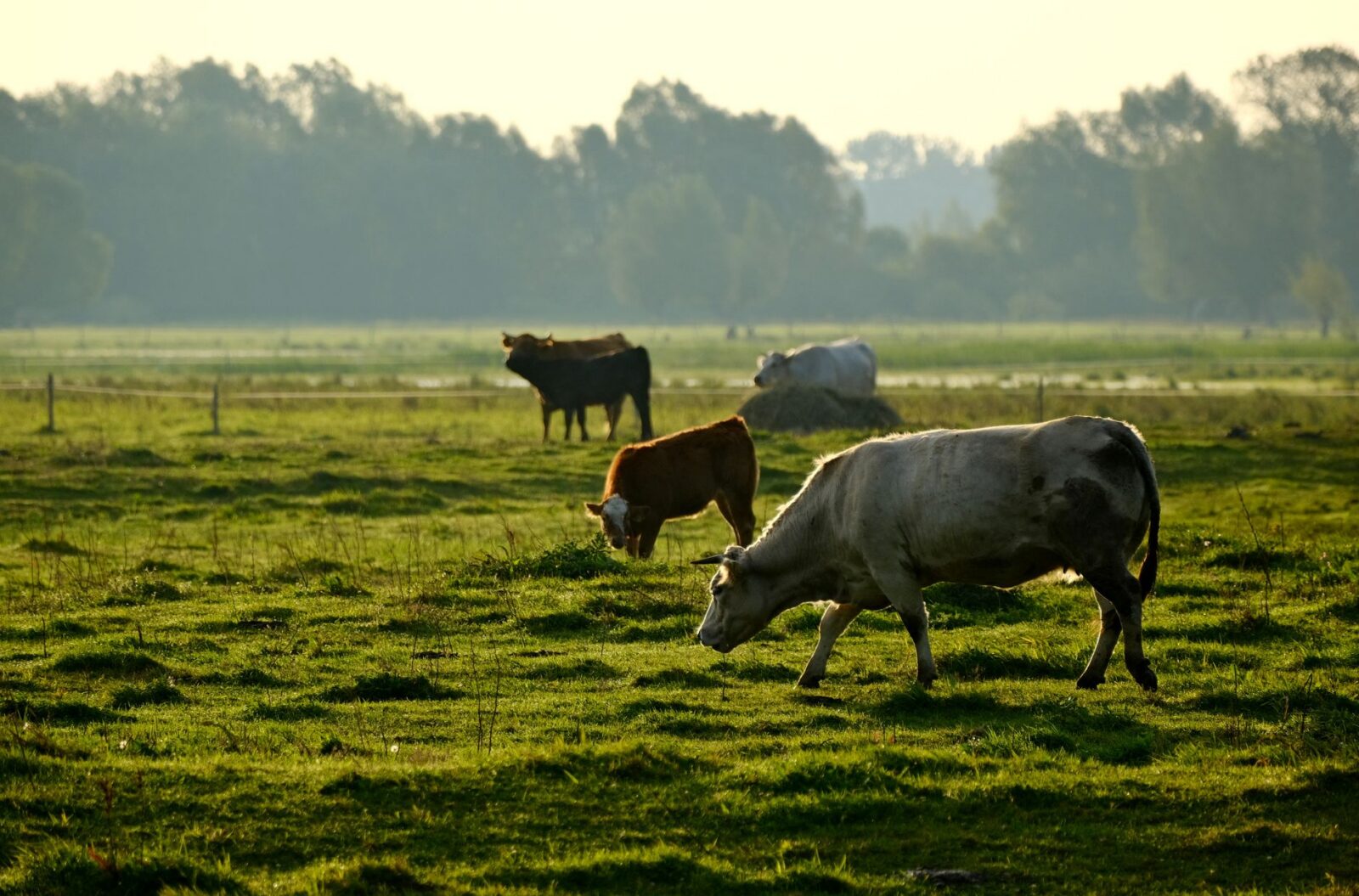
Rotational grazing represents more than a grazing strategy—it is an investment in the long-term health of the land, livestock, and food system. By improving soil health, supporting animal well-being, and promoting sustainable food production, rotational grazing offers benefits that extend far beyond the pasture fence.
As more producers adopt regenerative management practices, rotational grazing continues to prove that healthy soil, healthy animals, and healthy people are deeply connected. With proper planning and dependable infrastructure, ranchers can build resilient operations that remain productive for generations to come.
More tips for your cattle farm . . .
- Boosting Dairy Farm Productivity With Climate Control Strategies
- Farm Layout Ideas: Site Plan Designs for Your Homestead
- 75+ Side Hustles for Farmers to Boost Income
- Owning a Horse: Breeds, Care, Supplies, Tack, and Equipment
- The Ultimate List of Homesteading Skills!
- The Complete Guide to Raising Pigs in your Backyard
- Choosing the Right Pig Breed for your Homestead
- The Benefits, Myths and Downside of Keeping Pigs
- Raising Pigs: Housing, Fencing and Supplies
- The Process and Timeline of Raising Meat Pigs
- The Glossary of Pig Farming Terminology
- The Art of Homesteading Relaxation: Why Rest is Your Greatest Tool
- The Bare Soil Dilemma
- Building a Climate Victory Garden to Regenerate Soil
- My Passion for Permaculture (and how to apply it to your homestead)!
- Planning a Survival Garden for Food and Medicine
- How to Teach Frontier Children Confidence
- Inspiring Reasons to Start Your Own Farm
- Garden Design and Planning Tool
For more inspiration follow my Pinterest Board: Homesteading and Farming.
