Learning to make friends at school is a huge milestone in your child’s life. It’s their first big step into the wider world—a chance to practice social skills outside the family, build confidence, and learn how to connect with others. This is where they start to build proper social skills outside of the family unit, and have the chance to both build and reinforce their confidence.
Some children adjust easily, forming friendships quickly. Others experience ups and downs—and some struggle significantly to keep or make friends at school. If you’re watching your child come home from school lonely or upset, it’s normal to feel worried and unsure of how to help.
The good news is, there are ways to support them. With patience, observation, and a few proactive strategies, you can help your child develop the social skills and confidence they need to thrive.
Observe Their Behavior Around Other Children
Children often behave differently at school than they do at home. Understanding how your child interacts with peers is the first step to helping them.
- Talk to their teacher. Teachers see daily social dynamics and can offer valuable insight into whether your child seems shy, withdrawn, or is struggling with specific social skills.
- Arrange playdates. Watching how your child plays with others in a smaller, familiar setting can help you spot any challenges in communication, sharing, or turn-taking.
- Use pretend play. Role-playing friendship scenarios at home lets you see how your child might approach peers — and gives you opportunities to coach them on alternative ways to connect. For example, how they share or how they communicate.
Once you understand how they’re struggling—whether it’s shyness, difficulty initiating conversations, or not picking up on social cues—you can address those skills directly.
The Ninja Life Hacks Social Awareness and Relationship Skills Box Set offers parents a valuable resource to teach social-emotional skills through reading.

Teach and Practice Social Skills at Home
Social skills are learned behaviors, and children often need help developing them. You can gently guide your child by practicing skills and social activities in everyday situations:
- Model friendly behavior. Let your child see you greet neighbors, ask questions, and show interest in others. Children imitate what they observe.
- Role-play conversations. Practice simple greetings, asking to join a game, or introducing themselves.
- Talk about feelings and empathy. Discuss how others might feel in different situations. Empathy builds stronger, more lasting friendships.
- Praise efforts, not just outcomes. Even if they don’t make friends at school right away, celebrate the courage it takes to try.
The more often your child practices these skills, the more naturally they’ll use them in real social settings.
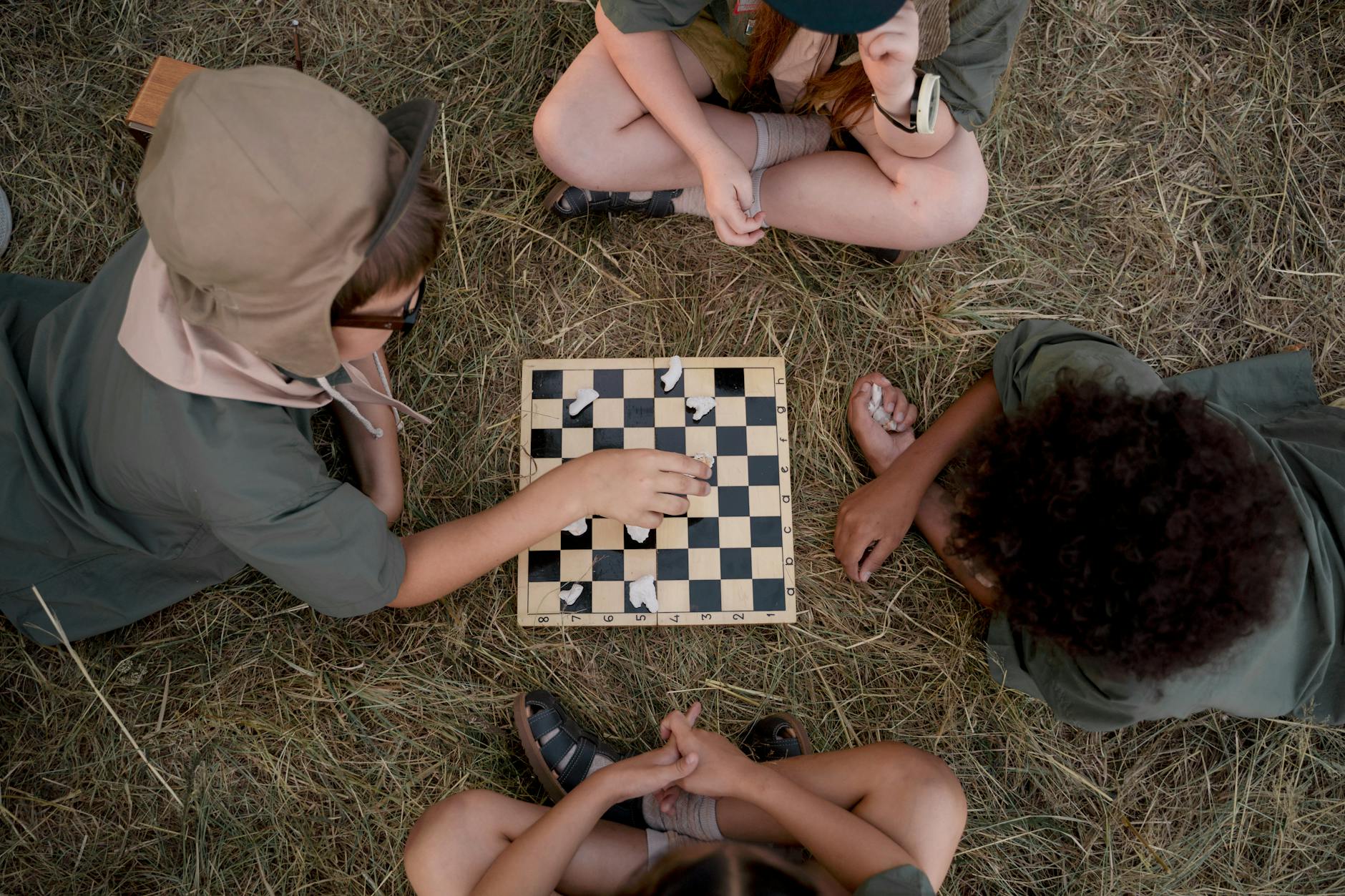
Explore Clubs and Activities Outside of School
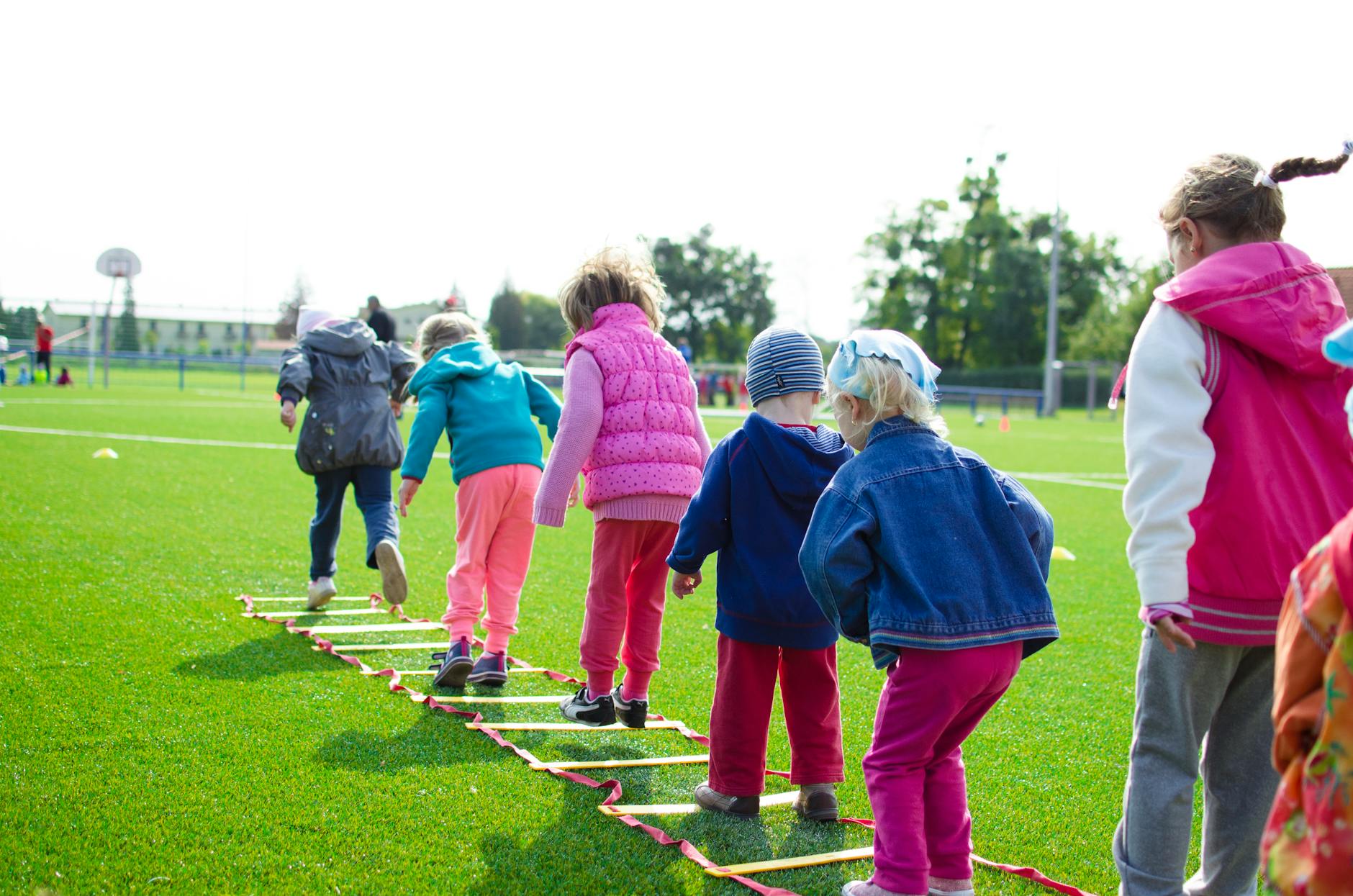
School isn’t the only place where friendships form. Joining clubs, sports teams, Scouts, or community activities can help your child meet peers with shared interests—and that common ground often makes connecting easier.
Look for opportunities that match your child’s personality and passions. A shy child might enjoy a small art class, while a high-energy child could thrive in soccer or dance. Success and comfort in these environments build confidence that often carries over into school friendships.
Rule Out Hearing, Communication, and Cognitive Challenges
Sometimes, difficulty to make friends at school has less to do with personality and more to do with how a child perceives and interacts with the world. Hearing loss, speech delays, or language processing issues can make social situations confusing or exhausting. That’s one of the biggest reasons why early hearing detection matters. If your child struggles to follow conversations, misses cues, or seems uninterested in group play, a simple hearing test or evaluation by a speech-language pathologist may uncover a barrier you can address early.
It’s also important to consider neurodevelopmental or cognitive differences that can affect social skills. Conditions like autism spectrum disorder (ASD), ADHD, or social communication disorder may make reading social cues, starting conversations, or sustaining friendships more challenging—even for bright, caring kids. My own daughter wasn’t diagnosed with autism until second grade, and understanding how her brain processes social interaction completely changed how we supported her. With the right interventions, therapies, and school accommodations, her confidence and ability to connect with others grew dramatically.
If you suspect your child might have an undiagnosed learning or cognitive difference, talk to your pediatrician or request an evaluation through your school. Early identification and support—from social skills groups to occupational therapy—can empower children to build friendships in ways that feel natural and authentic to them.
Create Social Opportunities and Support Their Efforts
Children often need repeated, low-pressure chances to connect. Here’s how you can help:
- Host small playdates. One-on-one time is less overwhelming than large group settings.
- Encourage shared activities. Board games, building projects, or crafts give kids something to focus on besides conversation, easing social pressure.
- Meet parents of classmates. Getting to know other families can lead to more social opportunities outside of school hours.
Be patient and supportive—friendships don’t always form overnight. Your encouragement can make all the difference in helping your child feel safe and motivated to keep trying.
When to Seek Professional Help
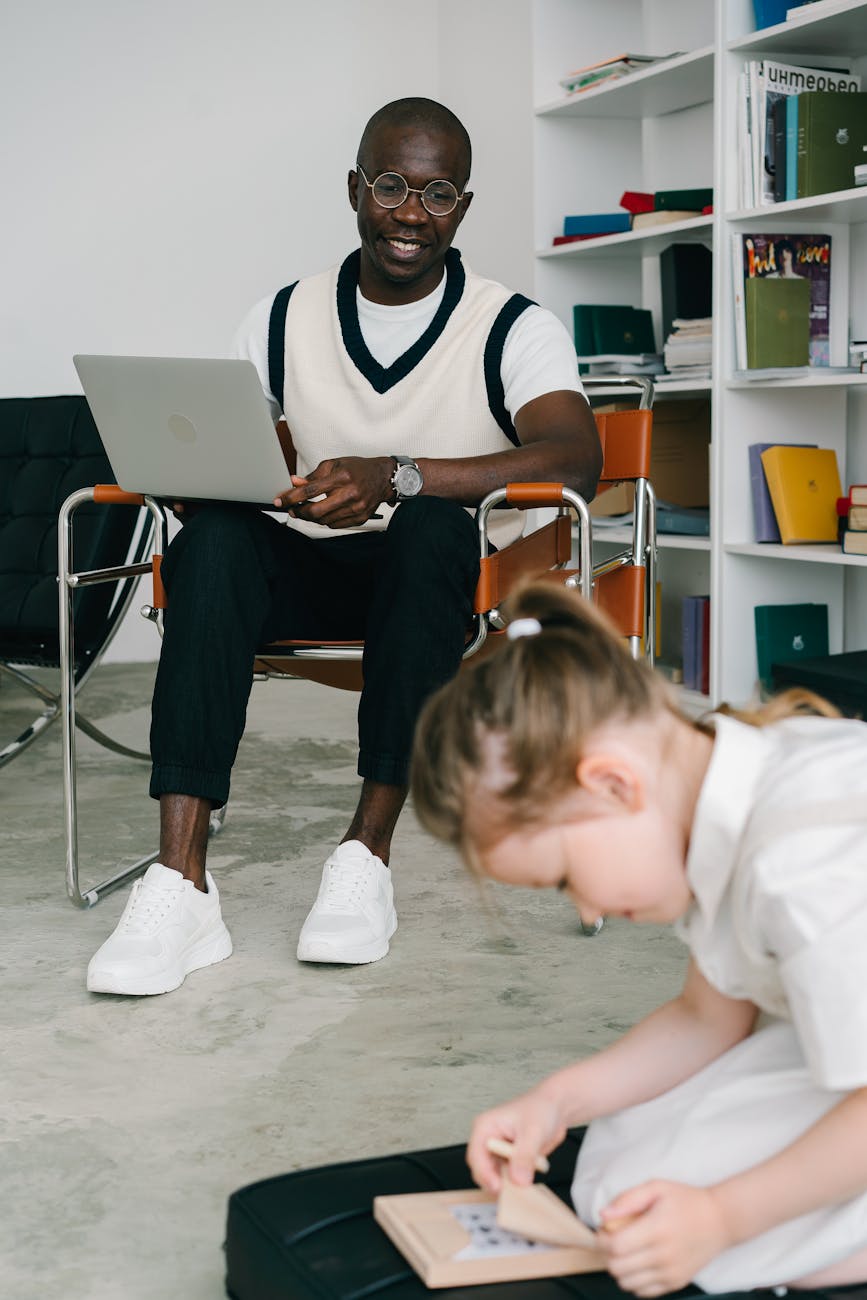
If your child’s struggles with friendship are ongoing, affecting their mood, or causing anxiety, it’s worth consulting a professional. A pediatrician, school counselor, or child psychologist can assess for underlying challenges such as social anxiety, ADHD, autism spectrum differences, or sensory processing issues—all of which can affect social development but are manageable with support.
FAQ: Common Questions Parents Ask
How long does it take for kids to make friends at school?
It varies. Some children connect within days, while others may take weeks or months. If progress is slow but steady, that’s normal.
Should I talk to the teacher about it?
Yes—teachers are valuable allies. They can pair your child with friendly classmates, support social skill development, help set up an IEP (Individualized Education Program), and keep an eye on playground interactions.
What if my child prefers to play alone?
Some kids are naturally introverted. As long as they’re happy, cooperative, and not distressed, solo play can be healthy. If loneliness or anxiety appears, more support may be needed.
Final Thoughts to Help Your Child Make Friends at School
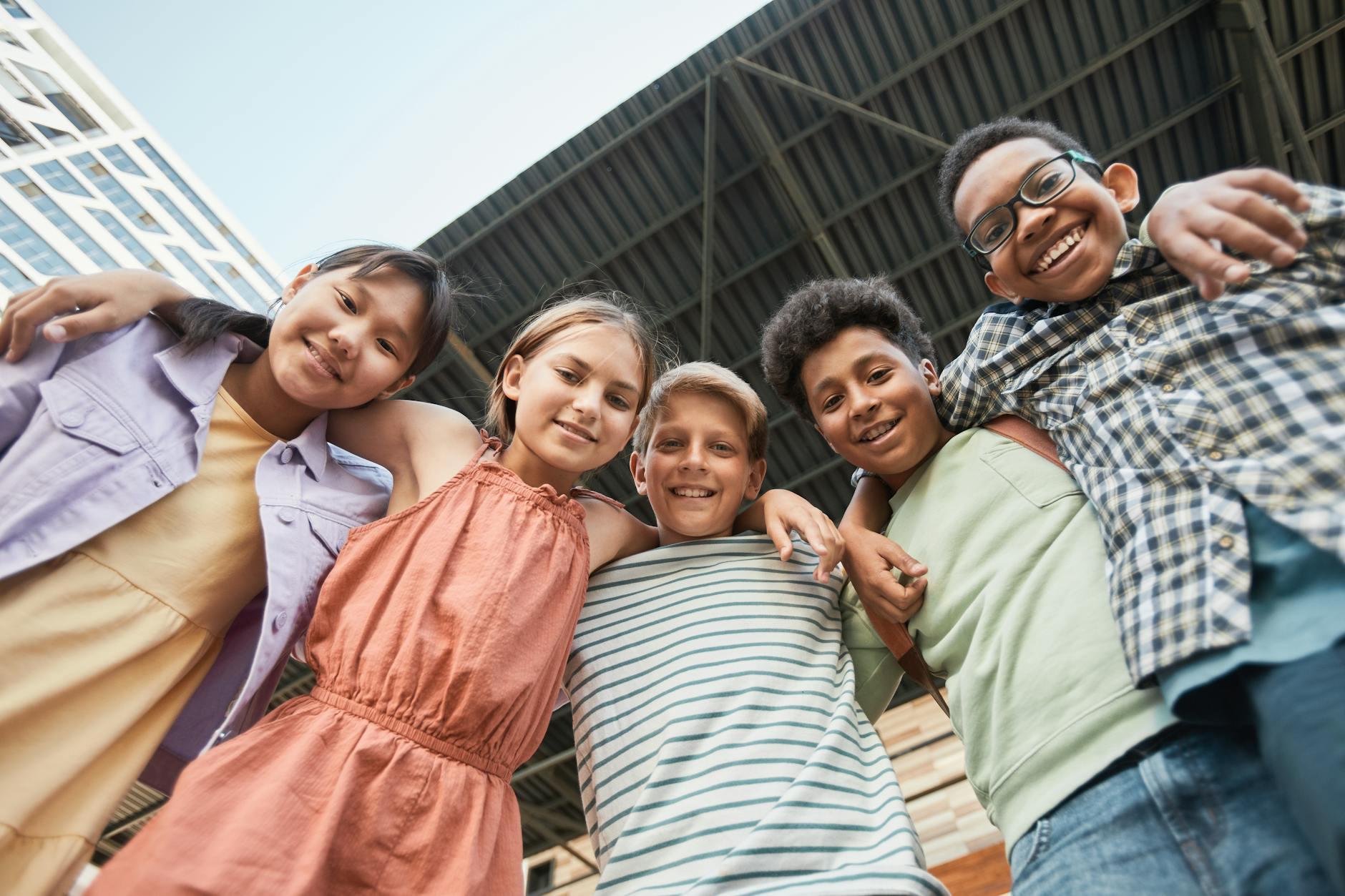
Learning to make friends at school is a process—one that takes time, patience, and encouragement. By observing your child, practicing social skills together, expanding their opportunities to meet peers, and addressing any underlying issues, you can help them build the confidence and connections they need.
With your guidance and support, your child can learn not just how to make friends at school, but how to be a good friend—a skill that will serve them for life.

Subscribe
More Life Skills to Help Your Child Make Friends at School . . .
- How to Teach Frontier Children Confidence
- 12 Essential Life Skills to Teach Your Kids (Beyond School Lessons)
- How to Keep Kids Safe on the Homestead
- The Family Guide to Moving During Big Life Changes
- Expert Tips for Gardening Safety
- Gift Guide: Top 50 Board Games for Nature Lovers
- The 5 Best Places To Buy A Bed For Kids & Teens In The UK
- 7 Fun Family Vacation Ideas Your Kids Will Love
- How to Create a Kid-Friendly Home Without Sacrificing Style
- How to Make Your Garden Fun and Kid-Friendly
- 30 Unique Heirloom Vegetables for your Food Garden
- How to Find Your Voice
- Top 7 Biggest Sources of Household Clutter (and how to fix them!)
- How to Survive Renovating Your Home (Without Losing Your Mind as a Working Mom)
- Home Sanctuary Design: 8 Ways To Create Your Relaxation Space
- How to Combat Pollen and Indoor Allergies
- Why You Should Never Leave Crumbs On Your Kitchen Counter Overnight
- Home Security Unlocked: Smart Solutions to Safeguard Your Loved Ones
- The Benefits of Rotating Seasonal Items into Storage
- How You Can Seamlessly Prep Your Home for Seasonal Changes
- Family Heirlooms: How To Care For Your Most Valuable Possessions
- Why a Lazy Day is Good for Your Health
- Fracture vs Sprain: Do You Have Broken A Bone?
- Getting Your Child Through College: Important Financial Considerations
- What to Look for When Buying a Student Rental
- Vacation Planning Tips for Stress Free Travel
- 22 Eco Friendly Products to Replace Disposables and Save you Thousands a Year!
- How to Have an Eco-Friendly Home: Ideas to Save Money and Live Sustainably
- Shaving Dollars From Your Grocery Bills: Shopping Tips to Save Money
- Easy Meals When You Don’t Feel Like Cooking
- How To Make Financial Milestones More Attainable
Share this Post on Social Media!
For more inspiration follow my Pinterest Board: Kids Just Want to Have Fun.