
Are you one of the many women who struggle to find your voice? Maybe you still rehearse what to say before returning an item. Maybe you smile to keep the peace, even when everything inside you is screaming. Imagine this version of yourself—the one who says no without unraveling, who doesn’t shrink when interrupted, who understands you’re allowed to take up space.
Learning to speak up isn’t a single breakthrough. It’s the sum of hundreds of small moments—each one asking you to choose between staying quiet or stepping forward.

Saying “No” Without Defending Yourself
You don’t owe anyone an explanation when you say no. You might feel the urge to write out reasons or soften your rejection with apologies. But your boundaries don’t need justification.
If someone asks you to take on a side project that will have you up late and push aside your own list of tasks creaked with stress, don’t agree out of habit. Breathe deeply and reply, “No, I won’t be able to.” That’s all. No explanation. No apology. No panic.
Simply say no to the things you don’t have the capacity for. Let that be enough. No excuses. No guilt about finding a “legitimate” reason.
Challenge the “Good Girl” Script
Maybe you were praised for being polite, helpful, and agreeable. You carried those gold stars into adulthood as a badge of honor. But here’s the hard truth: some people mistake your kindness for permission. You’ve nodded along, smiled through discomfort, and left conversations feeling steamrolled.
You don’t need to be loud or rude to speak up. You just need to speak clearly, tactfully, and politely, without reservation. Watch others who do it with calm confidence, and borrow their example. Practice in front of a mirror if you need to. Your voice belongs here—and it doesn’t require an apology. The ground won’t collapse beneath you.
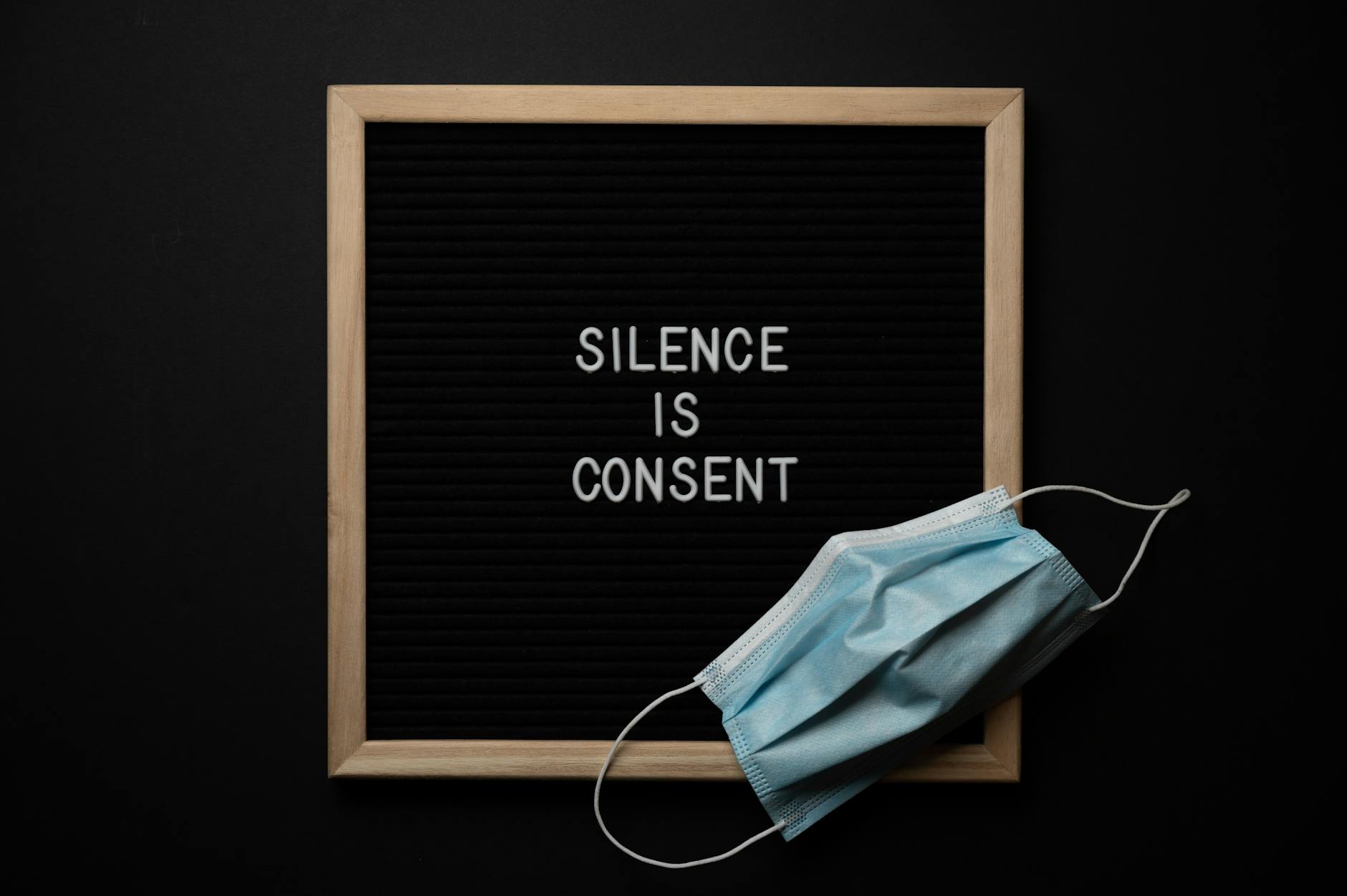
When You Freeze in the Face of Dismissal
You might sit across from a medical professional who brushes off your concerns—even when you know something isn’t right. You feel dismissed or unheard. You come prepared, sure of what’s going on in your own body. But when they dismiss you, you nod and leave, agreeing to something you didn’t want, then cry in your car afterward.
Later, you search “consumer lawyers near me.” Not because you’re planning to sue someone, but because you want to understand your rights. You want to feel more confident next time someone makes you question your instincts. That doesn’t mean you failed. It means you’re aware, and you’re learning.
You’re allowed to ask questions, to follow up, to get second opinions. You deserve not to be shrugged off.
Practice in Low-Stakes Situations First
It’s hard to find your voice in a high-pressure environment if you haven’t developed it in a safe, low-pressure space.
Your voice grows stronger when you exercise it in small, manageable moments. Speak up when your order is wrong. Return the product without overexplaining. Let someone know when they crossed a line, even if it feels awkward.
Yes, your face might flush. Your voice may shake. But over time, it gets easier—and your confidence builds.

Boundaries Are Not Walls, but Closed Doors
Boundaries aren’t harsh. They’re clear, soft lines that protect your well-being. You’re not shutting people out—you’re deciding what you’re willing to let in.
At first, it can feel odd to speak up for yourself. You may think you sound prickly, but with time, it will become habitual.
Set Boundaries Without Guilt
Try phrases like:
- “That doesn’t work for me.”
- “I’ll need to think about it.”
- “I can’t commit to that right now.”
The right people will respect those boundaries. The ones who don’t? Their exit is a gift.
Get Comfortable Being Uncomfortable
No one tells you this: self-advocacy feels uncomfortable. You’ll second-guess yourself. You might cry after. But silence has its own cost—and you’ve already paid it too many times.
You don’t need everyone to approve of your choices. It’s enough that you trust yourself to make them.

Holding Space for Other Women
Once you’ve found your voice, notice those who are still finding theirs. Practice this small but important favor when a friend or colleague speaks up. Don’t interrupt them. Back them up when they assert a boundary. Hold space when they hesitate to speak.
Sometimes, the most powerful support you can offer is simply not filling the silence.
You Don’t Have to Be Loud to Be Heard
Being assertive doesn’t require volume or boldness. You don’t need a booming voice or a brash attitude. Quiet strength is just as valid—and often more powerful.
You can ask for what you need with grace. You can take up space with calm confidence. You can advocate for yourself without being aggressive.

Ways to Strengthen and Find Your Voice
Here are a few helpful tools and habits you can build:
- Journaling what you wish you’d said after tough conversations
- Reading books on communication and boundaries
- Listening to others with sincerity
- Pausing before you speak so your response is thoughtful
- Affirming yourself: You are not too much. You are not too sensitive. You’re allowed to be here.
Finding your voice isn’t a one-time event. It’s a choice you make again and again. And each time you speak up—whether in a whisper or a roar—you become more yourself.
So take a breath. Say the words. You can.

Subscribe
More ideas to find your voice . . .
- How to Boost Self Confidence
- The Power of the Exit: Learning to Leave What’s No Longer for You
- How To Rediscover Joy In Your Life
- 4 Top Traits Of Exceptional Business Leaders
- The Ultimate Guide to Yoga, Healing, and Tools to Support Your Journey
- What to Do When You’re Feeling Unfulfilled
- Wellness Careers For People Who Love Health
- Why a Lazy Day is Good for Your Health
- How Short, Regular Breaks Can Boost Your Self Care Routine
- Why Stress is Sabotaging Your Hair Health
- 100% Pure Plant Based Skincare Routine for Morning and Evening
- Rethinking Your Career Path? How to Start Working in Real Estate
- Relaxation: The Secret to Productivity and Health
- How to Grow a Medicinal Tea Garden (Plus over 40 Plants!)
- Finding Calm: Simple Strategies to Manage Stress and Anxiety This Spring
- How to Manage Stress When You Hit Rock Bottom
- How to Combat Pollen and Indoor Allergies
- From Weekend Warrior to Wellness Pro: Making Detox a Regular Part of Your Routine
- Relaxing Hobbies to Add Zen to Your Life
- Use Your Phone to Sleep Better: 3 Effective Tips
- Life On The Water: One Of The Most Addictive Hobbies Out There
- Vacation Planning Tips for Stress Free Travel
- Battling Vacation Fatigue? Schedule A Wellness Day
- The Best Strategies For Dealing With Loss
- Hygge Home Design Ideas to Feed Your Mental Health
- Bring Natural Beauty Home: Creating a Calming Atmosphere with Forest Wallpaper
- How to Start Homesteading Where You Live Today!
- How to Have an Eco-Friendly Home: Ideas to Save Money and Live Sustainably
- The Ultimate Guide to Financial Independence
Share this Post on Social Media!
For more inspiration follow my Pinterest Board: Healthy Mind and Body.
