
You’re juggling work, family, errands, notifications, and the pressure to keep it all together. But one day, you catch a glimpse of your hair in the mirror. It’s thinner, drier, and way more fragile than it used to be. You didn’t change your products, so what gives? The truth is, our hair health often reflects what’s going on beneath the surface.
Stress, rushing, and overstimulation don’t just affect your sleep and mood—they can impact your hair health in a big way. From how you wash to how you eat and even where you live, modern life puts more pressure on your strands than you might think.

The Science Behind Stress and Hair Health
Stress is a physical event in your body. And when your body stays in fight-or-flight mode for too long, it diverts resources away from non-essential functions—like hair growth. That’s why so many women notice increased shedding, hair thinning, or breakage during periods of high stress.
Cortisol, the hormone your body releases during stress, can disrupt the hair’s growth cycle. It may push strands prematurely into the shedding phase (called telogen effluvium), which can cause noticeable thinning. And since hair grows slowly, it often takes weeks—or even months—before you notice the full effect.
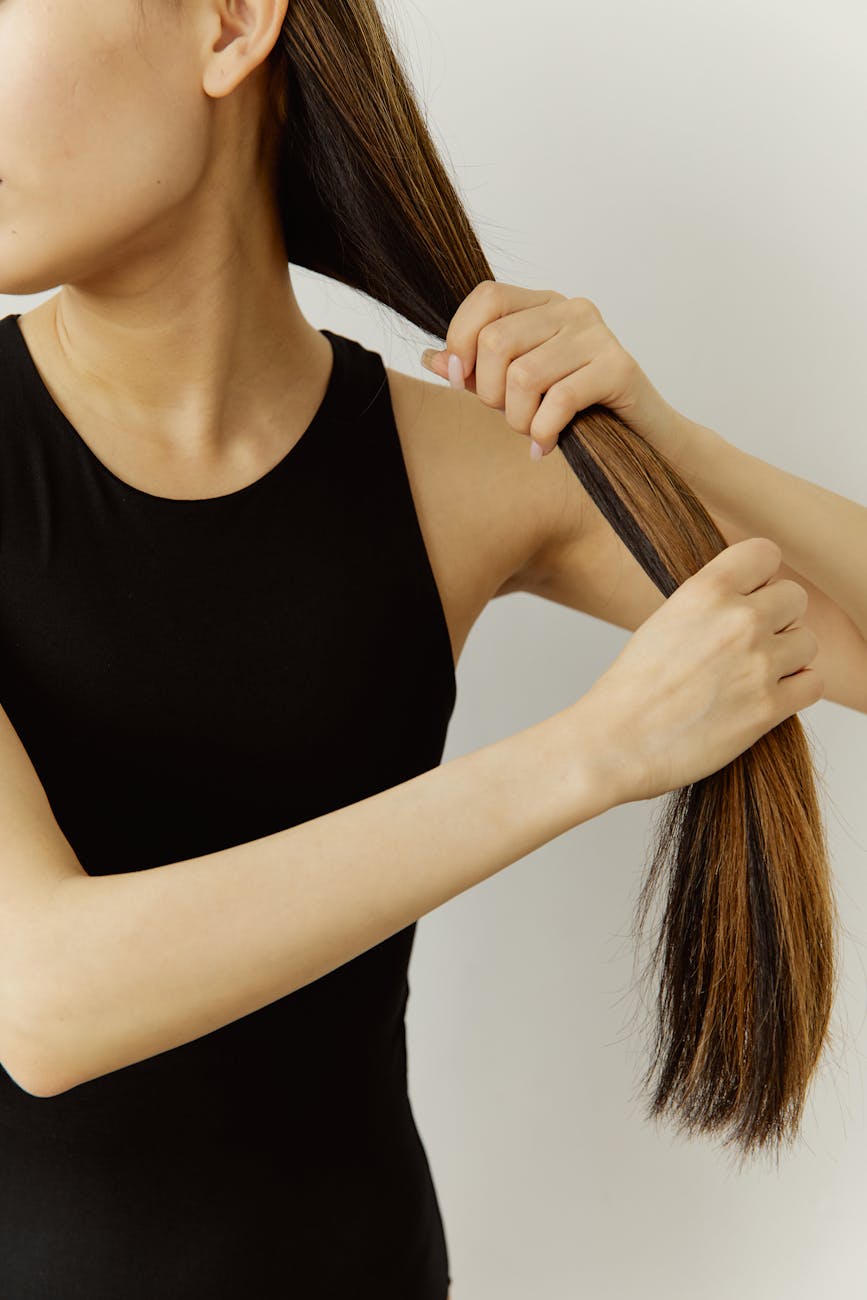
Hair Washing Habits When Life Feels Chaotic
Busy weeks send us to one of two extremes: either we go days without washing our hair because we just don’t have the time—or we wash it obsessively every single morning out of habit. Unfortunately, neither is doing your hair any favors, especially if you have hair that falls between straight and wavy.
Over-washing can strip your scalp of its natural oils, leading to dryness, flakiness, or increased oil production as your body tries to compensate.
On the flip side, under-washing can lead to buildup, irritation, and clogged follicles that slow down hair growth and dull your shine.
If your strands fall into that “in-between” category, 1B Hair: What Is It and How to Care For It | Hair.com By L’Oréal breaks down exactly how often you should be washing—and what to avoid when life throws your routine off.
A balanced routine might mean washing every 3–4 days with a gentle, sulfate-free cleanser and using dry shampoo to refresh in between.
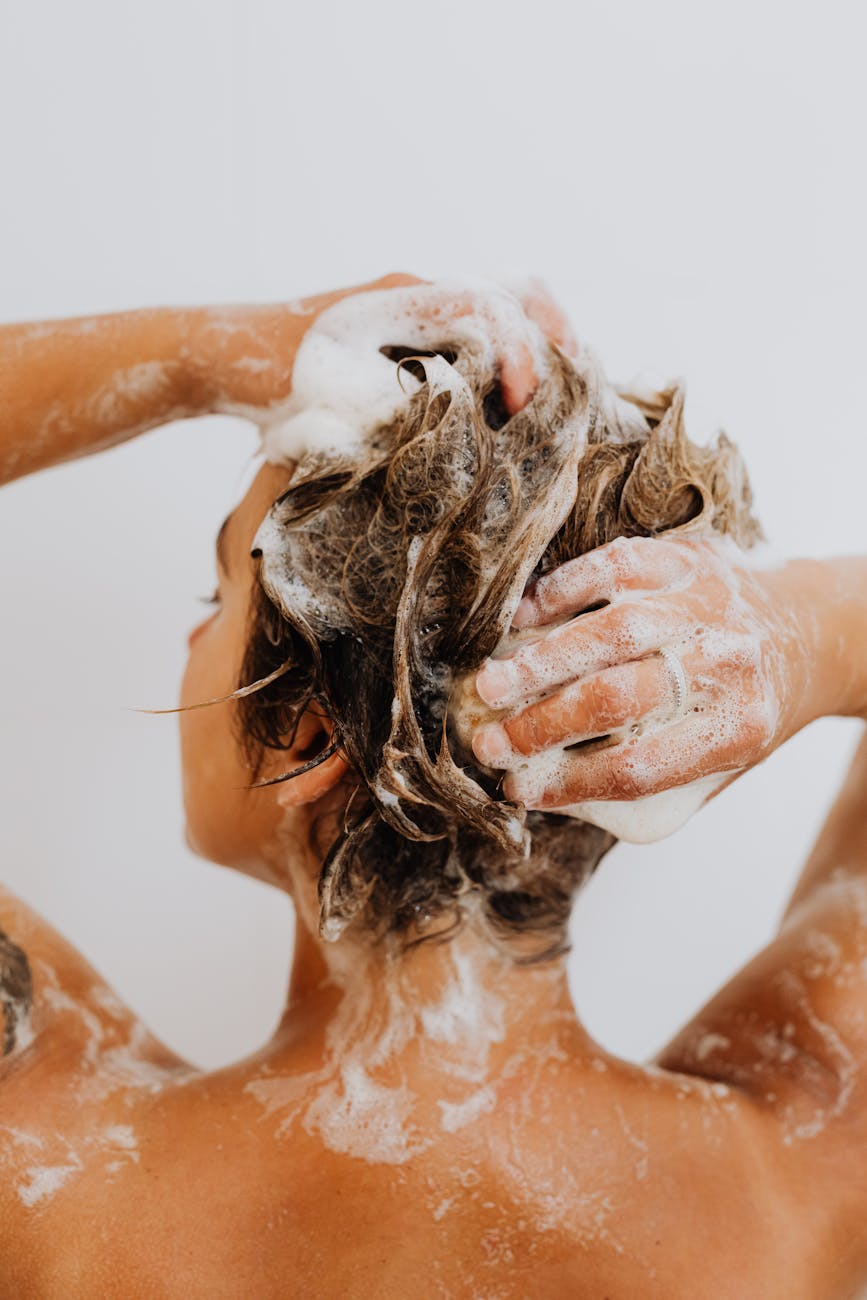
What You Eat on a Stressed-Out Schedule
We all know stress eating is real. But when convenience becomes the rule instead of the exception, your hair starts paying the price. Grabbing processed snacks, skipping meals, and relying on coffee to get through the day robs your body—and your hair—of the nutrients it needs.
Hair is made of protein, so if you’re not getting enough from your diet, your strands may become weak, brittle, or fall out more easily. Other key nutrients include iron (which supports circulation), zinc (which aids in repair), and B vitamins like biotin (which support growth). Omega-3s, found in fatty fish and flaxseeds, also help keep your scalp healthy and hydrated.

Urban Pollution and Hair Damage
If you live in a city or spend a lot of time outdoors, your hair is constantly coming into contact with microscopic pollutants. Exhaust fumes, smoke, dust, and even UV rays cling to your hair shaft and scalp. They dry out your strands and break down the protective barrier that keeps them strong.
Over time, pollution can cause discoloration, split ends, and buildup that weighs hair down. It can even contribute to scalp irritation or inflammation, especially if your hair is already fragile from heat or product use.
While you can’t eliminate pollution, you can reduce its impact. Start by rinsing your hair with cool water after spending time outdoors. Clarify once a week to gently remove buildup—but avoid harsh detox shampoos that strip your scalp. Wear a hat on high-exposure days, and consider antioxidant-rich hair masks that help fight free radical damage.

Rethinking How You Handle Your Hair
When life is busy, we often rush through basic self-care without realizing it. Hair gets brushed aggressively, yanked into too-tight buns, or dried with the same towel we used on our body. These quick habits feel harmless but cause long-term damage—especially when repeated daily.
Your hair is at its most fragile when wet. So if you’re towel-drying by rubbing your strands or brushing through knots from root to tip, you’re likely snapping and splitting them without knowing it. Similarly, going straight from wet to high heat styling adds strain that weakens your hair over time.
Instead, switch to a microfiber towel or cotton T-shirt for drying. Use a wide-tooth comb or denman brush to gently detangle from the ends and work upward. If you’re going to heat style, always use a protectant spray. These simple adjustments take no extra time, but they preserve length, texture, and shine.
Try the curly girl method to discover and embrace your hair’s natural texture.
The Power of a Calming Home Routine
Constant stimulation—scrolling, rushing, multitasking—keeps your nervous system on high alert. And over time, that stress trickles into every part of your health, including your scalp.
Creating a weekly “hair ritual” can act as a reset button for both your body and mind. Set aside 30 minutes once a week to slow down and care for yourself—no screens, no distractions. This might look like a warm oil scalp massage, a gentle wash with cool water, a deep conditioner, and some quiet reflection while your hair dries naturally.
But it’s not just about products—it’s about space. Your home should feel like a sanctuary that supports your rest and growth. These Hygge Home Design Ideas to Feed Your Mental Health | by Modern FrontiersWoman offer inspiration to build an environment where you can unwind and reconnect.
Because when your space feels calm, your body responds. And yes, your hair starts to show it too.

What a Greener, Slower Life Can Do for Your Hair
Living in alignment with nature isn’t just good for your soul—it’s a gift to your hair too. Cleaner air, softer water, fewer toxins, and more time outdoors all contribute to stronger, healthier strands.
When you slow down and step away from constant busyness, your body has more energy to dedicate to restorative processes like hair growth. Your scalp has better circulation. You sleep better. You eat more intentionally. And you’re less likely to resort to quick fixes like daily heat styling or chemical-laden products.
Incorporate green routines into your lifestyle: go for a walk instead of another scroll break. Wash your hair with filtered water. Use DIY herbal rinses with rosemary or hibiscus. Wear natural fibers and avoid synthetic fragrance.
A slower life isn’t about giving things up. It’s about choosing what truly supports you. And your hair? It thrives in that gentle, grounded energy.
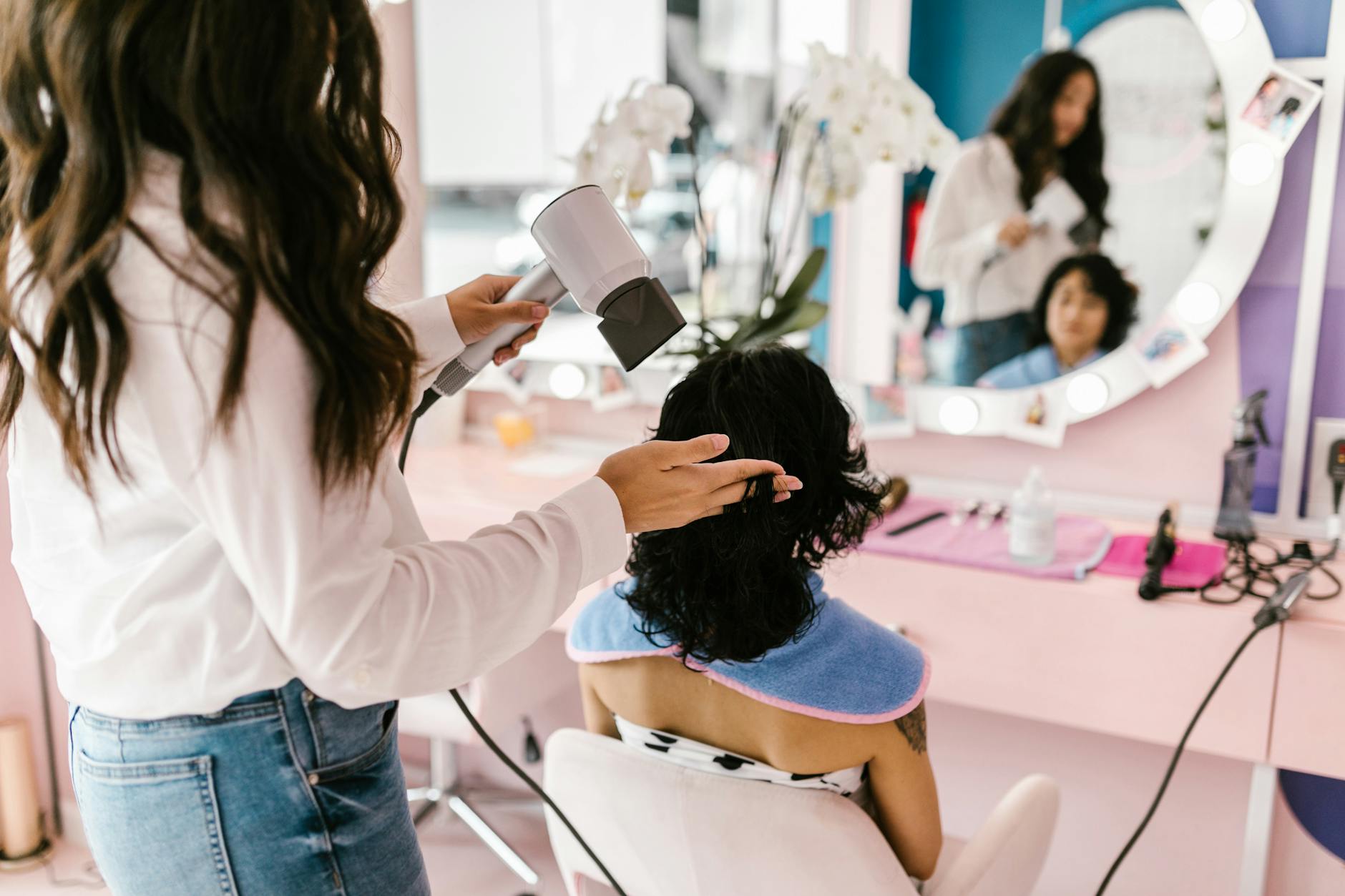
When It’s Time to Ask for Help
If you’re doing all the right things and still experiencing excessive shedding, bald spots, painful scalp irritation, or sudden changes in texture—don’t wait it out alone. Sometimes hair loss or scalp conditions are signs of something deeper: hormonal shifts, nutrient deficiencies, autoimmune issues, or chronic stress overload.
A dermatologist or trichologist can help you get to the root of the issue (literally and figuratively). And there’s no shame in asking for support—it’s a sign of strength, not weakness.
Your hair doesn’t need a $300 serum or an impossible routine. What it really needs is gentleness. Consistency. Nourishment. And a lifestyle that supports restoration—not depletion.
Modern life asks a lot of us, but we don’t have to answer with hustle. We can respond with care. With boundaries. With habits that make space for slowness, nature, and self-respect.
If your hair is feeling dull or tired, it’s not broken—it’s just asking you to listen. And when you do? You’ll not only see the difference in the mirror. You’ll feel it every time you run your fingers through strands that are finally thriving again.
Subscribe
More ideas for hair health and stress-free living . . .
- 100% Pure Plant Based Skincare Routine for Morning and Evening
- How to Boost Self Confidence
- Relaxation: The Secret to Productivity and Health
- How to Grow a Medicinal Tea Garden (Plus over 40 Plants!)
- Finding Calm: Simple Strategies to Manage Stress and Anxiety This Spring
- How to Combat Pollen and Indoor Allergies
- Relaxing Hobbies to Add Zen to Your Life
- Life On The Water: One Of The Most Addictive Hobbies Out There
- Vacation Planning Tips for Stress Free Travel
- The Best Strategies For Dealing With Loss
- Hygge Home Design Ideas to Feed Your Mental Health
- How to Start Homesteading Where You Live Today!
- The Ultimate Guide to Financial Independence
Share this Post on Social Media!
For more inspiration follow my Pinterest Board: Healthy Mind and Body.


2 thoughts on “Why Stress is Sabotaging Your Hair Health”