
Until something goes wrong, hearing is something that many people take for granted. Living with tinnitus, more commonly known as “ringing in the ears,” is one of the most prevalent and annoying conditions. It can sound like buzzing, humming, clicking, or hissing in addition to ringing. The fact that tinnitus is something that only you can hear and not an outside noise makes it particularly difficult to deal with.
Although having tinnitus can be stressful and disruptive, the first step to effectively treating the illness is knowing it. Understanding tinnitus will help you identify strategies to manage, adapt, and eventually protect your health, regardless of how long you’ve been dealing with it.
Living with Tinnitus: What Is It?
Tinnitus is a symptom of an underlying ailment rather than a sickness in and of itself. It happens when there is a disturbance in the auditory system, which causes the brain to receive “false signals.” Despite the fact that nothing is actually creating noise, these impulses are perceived as sound.
Tinnitus is intermittent for some people. For some, it’s persistent and interferes with everyday activities, focus, and even sleep.
Helpful Products for Managing Tinnitus & Protecting Hearing
Here are some practical tools and devices that can help when you’re living with tinnitus:
Hearing Support & Noise Protection
- Tinnitus Hearing Aids – Specialized devices that amplify external sounds while generating soothing background tones to help reduce the perception of ringing and improve overall hearing clarity.
- High-Fidelity Earplugs – Perfect for concerts, power tools, or noisy environments to prevent further hearing damage.
- Noise-Canceling Headphones – Reduce external noise and help mask tinnitus with gentle background sounds.
- Hearing Protection Earmuffs – A must-have for yard work, shooting ranges, or loud job sites.
Sound Therapy & Sleep Aids
- White Noise Machine or Sound Therapy Device – Creates soothing ambient noise to mask ringing and improve sleep.
- Tinnitus Relief Sound Pillow Speaker – Plays calming sounds directly at night without disturbing a partner.
- Bluetooth Sleep Headband Headphones – Great for guided meditations, sleep sounds, or audiobooks to relax the mind.
Supplements & Support
- Magnesium & Zinc Supplements – These nutrients support auditory health and may reduce tinnitus intensity.
- Ginkgo Biloba Extract – Some studies suggest it can improve circulation to the inner ear and help with tinnitus symptoms.
- Liposomal Flavonoids – Supports inner ear nerve functioning and promotes healthier sleep.
Pro Tip: Always check with a healthcare provider before starting supplements or new treatments—especially if you’re taking medications or have underlying health conditions.

Common Causes for Tinnitus
Tinnitus has multiple causes and can be associated with a variety of conditions, such as:
- Exposure to noise: The sensitive hair cells in your inner ear can be harmed by frequent loud music listening, working in noisy settings, or going to concerts without ear protection.
- Hearing loss associated with aging: Tinnitus frequently follows the natural deterioration of hearing that occurs as we age.
- Earwax blockage: By obstructing sound waves and aggravating the ear canal, even something as basic as too much earwax can cause tinnitus.
- Medical conditions: Ringing in the ears can occasionally be caused by circulation abnormalities, high blood pressure, or problems with the jaw joint (TMJ disorders).
- Medication: Tinnitus is listed as a side effect of some prescription drugs, particularly those that are “ototoxic” (toxic to the ear).

Strategies for Management and Relief
You don’t have to let tinnitus rule your life. Here are a few common techniques:
Handling Stress
When you’re upset or anxious, your tinnitus usually gets worse. Yoga, meditation, and mindfulness are among the techniques that can help reduce the intensity and soothe the mind.
Changes in Lifestyle
Tinnitus symptoms can occasionally be lessened by cutting back on alcohol, coffee, and smoking. A healthy diet, regular exercise, and regular sleep patterns are also crucial.
Hearing Aids
Tinnitus and hearing loss frequently coexist. Tinnitus is less noticeable for many people because hearing aids magnify outside sounds. Indeed, a frequently asked question is “can hearing aids reduce tinnitus?”. The answer for many patients is yes, as they assist by enhancing hearing clarity, which either covers or diverts attention from the internal noise.

When to Consult a Professional
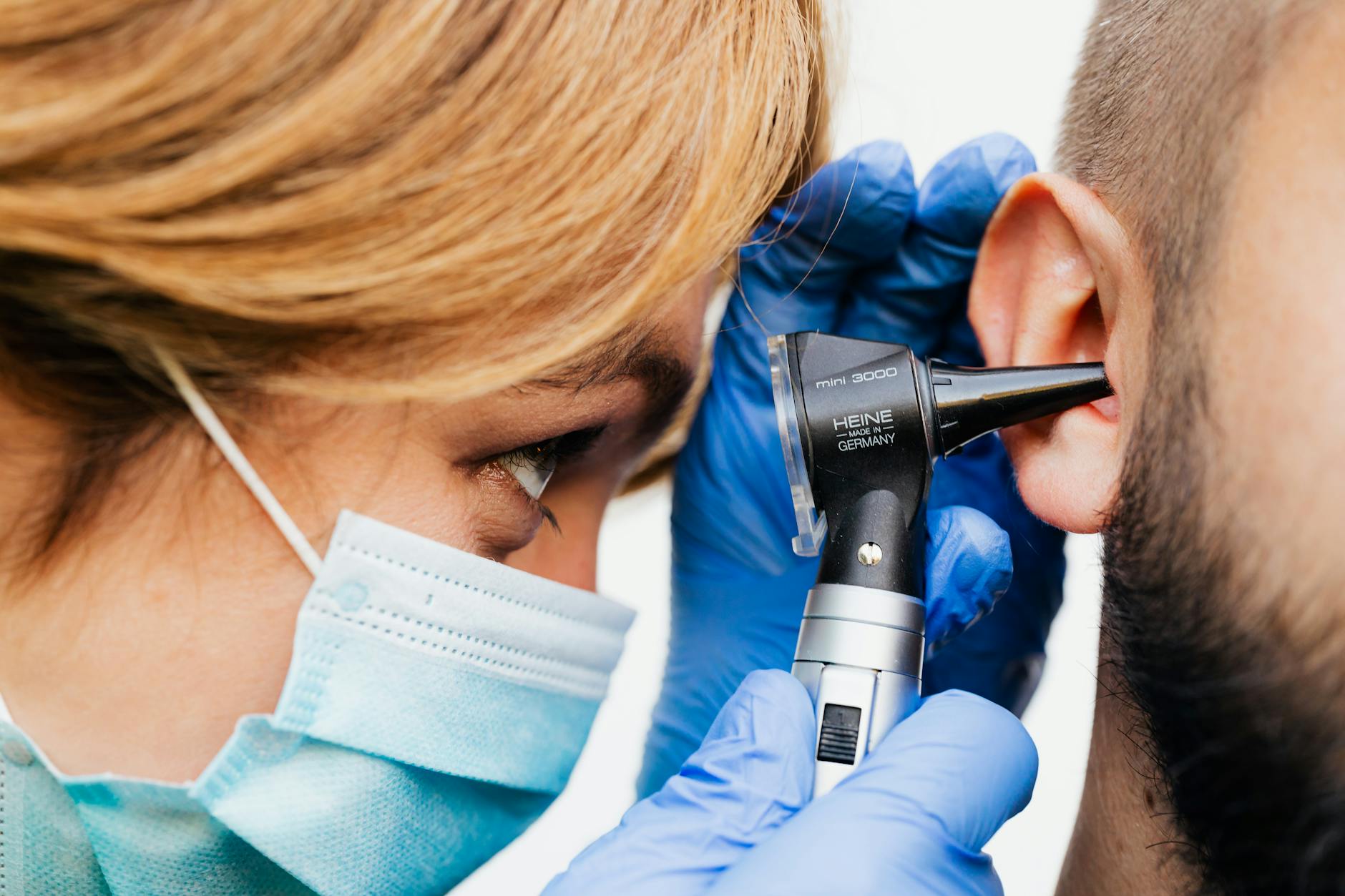
It’s rather common to get tinnitus occasionally following a loud event, such as a concert. However, it’s imperative to see a doctor if the ringing becomes continuous, unilateral, or accompanied by abrupt hearing loss or vertigo. To identify potential causes and suggest treatments, an audiologist or ENT (ear, nose, and throat expert) can conduct testing.
FAQ: Frequently Asked Questions About Tinnitus
1. Does tinnitus ever go away on its own?
Sometimes, yes—especially if it’s triggered by a temporary cause like loud noise exposure or earwax buildup. However, chronic tinnitus linked to hearing loss or medical conditions often requires ongoing management.
2. Can stress make tinnitus worse?
Absolutely. Stress and anxiety can heighten your perception of tinnitus. Practices like meditation, yoga, and breathing exercises often help reduce both stress and tinnitus intensity.
3. Are there foods that affect tinnitus?
Caffeine, alcohol, and excessive salt can sometimes make symptoms worse. A diet rich in antioxidants and circulation-supporting nutrients (like magnesium and zinc) may support ear health.
4. Can tinnitus be a sign of something serious?
Occasionally, yes. Seek medical attention if tinnitus is sudden, only in one ear, accompanied by hearing loss or dizziness, or if it changes rapidly. These can signal underlying issues needing prompt care.
5. How can I protect my hearing to prevent tinnitus?
Use ear protection in noisy environments, keep headphone volumes low, and schedule regular hearing checkups. Prevention is one of the most powerful tools against tinnitus.

Conclusion: Living with Tinnitus
Living with tinnitus can feel overwhelming, but it doesn’t have to control your life. By understanding the causes, addressing lifestyle factors, managing stress, and seeking professional care when needed, you can significantly reduce its impact. The earlier you take steps to protect your hearing and support your auditory health, the better your chances of long-term relief. With patience, persistence, and the right strategies, many people find ways to adapt—and even forget the ringing is there.
Subscribe
More ideas for health and wellbeing. . .
- How to Grow a Medicinal Tea Garden (Plus over 40 Plants!)
- Why Stress is Sabotaging Your Hair Health
- Self-Diagnosis Dos and Don’ts: How to Use the Internet to Your Advantage
- How To Develop Resilient Mental Health
- How To Rediscover Joy In Your Life
- The Ultimate Guide to Yoga, Healing, and Tools to Support Your Journey
- What to Do When You’re Feeling Unfulfilled
- How to Find Your Voice
- Use Your Phone to Sleep Better: 3 Effective Tips
- Protect Your Health: Practical Steps for Staying Strong, Safe, and Resilient
- Wellness Careers For People Who Love Health
- What to Do If You’re Injured Through No Fault of Your Own
- How To React When Health Issues Threaten Your Finances
- Why a Lazy Day is Good for Your Health
- How Short, Regular Breaks Can Boost Your Self Care Routine
- Fracture vs Sprain: Do You Have Broken A Bone?
- From Weekend Warrior to Wellness Pro: Making Detox a Regular Part of Your Routine
- How to Modernize Your Dental Practice in 2025: Tech, Decor, & Marketing Tips
- 100% Pure Plant Based Skincare Routine for Morning and Evening
- How to Boost Self Confidence
- Relaxation: The Secret to Productivity and Health
- Finding Calm: Simple Strategies to Manage Stress and Anxiety This Spring
- How to Combat Pollen and Indoor Allergies
- Relaxing Hobbies to Add Zen to Your Life
- The Best Strategies For Dealing With Loss
- Home Sanctuary Design: 8 Ways To Create Your Relaxation Space
- Hygge Home Design Ideas to Feed Your Mental Health
- Planning a Survival Garden for Food and Medicine
Share this Post on Social Media!
For more inspiration follow my Pinterest Board: Healthy Mind and Body.
