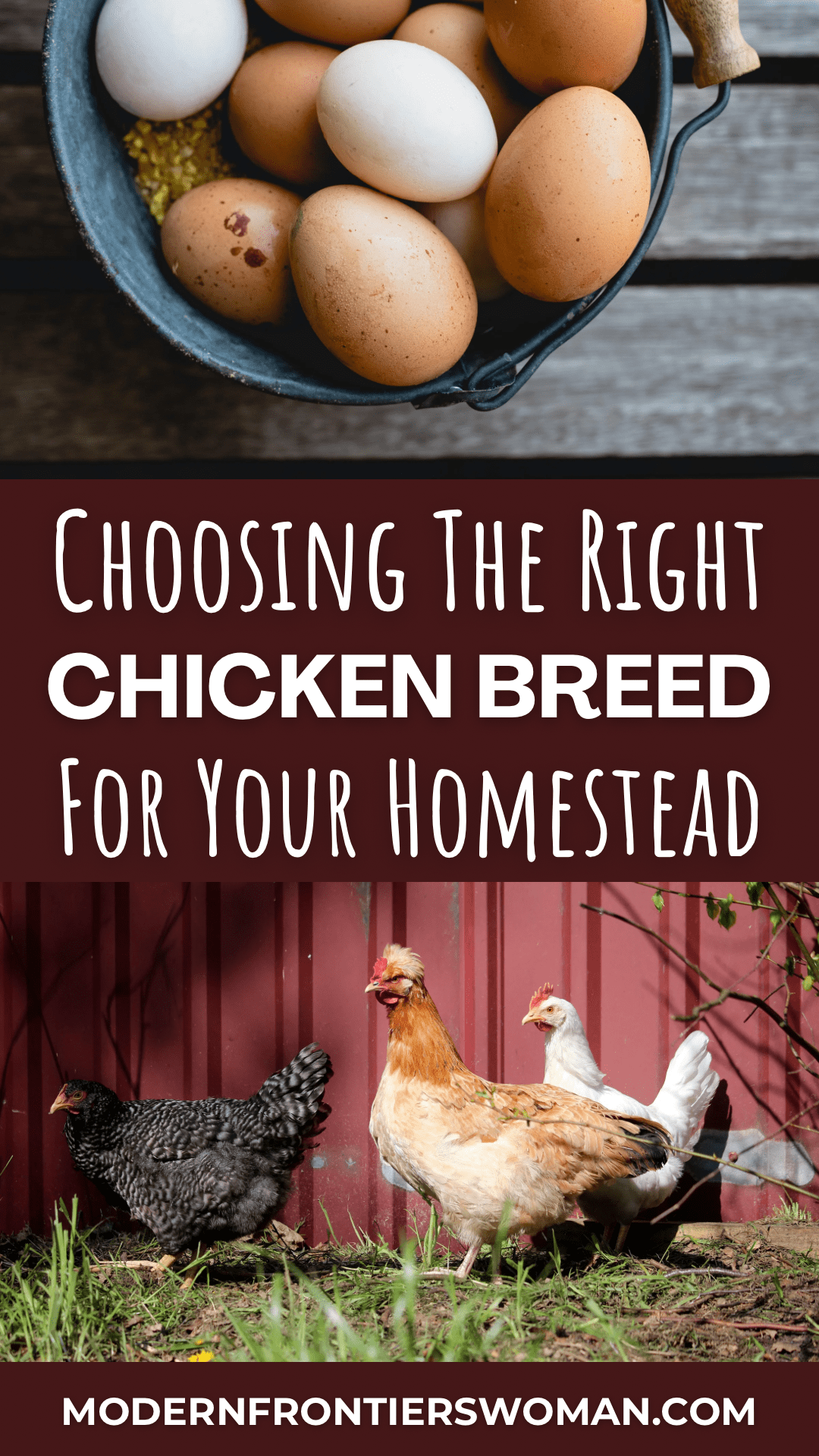
Chickens are among the most versatile, useful, and satisfying livestock you can keep on a homestead. They provide eggs, pest control, composting help, and even meat if desired. Choosing the right chicken breed that aligns with your goals, climate, space, and temperament preferences is crucial before bringing home your first flock. Choose wisely, and your chickens will reward you with years of productivity and enjoyment.
In this guide, we’ll explore why breed selection matters, what traits to prioritize, and offer some standout breeds to consider. Whether you’re after egg production, dual-purpose meat & eggs, cold hardiness, or charming heritage breeds, there’s a perfect match waiting for your homestead or farm.
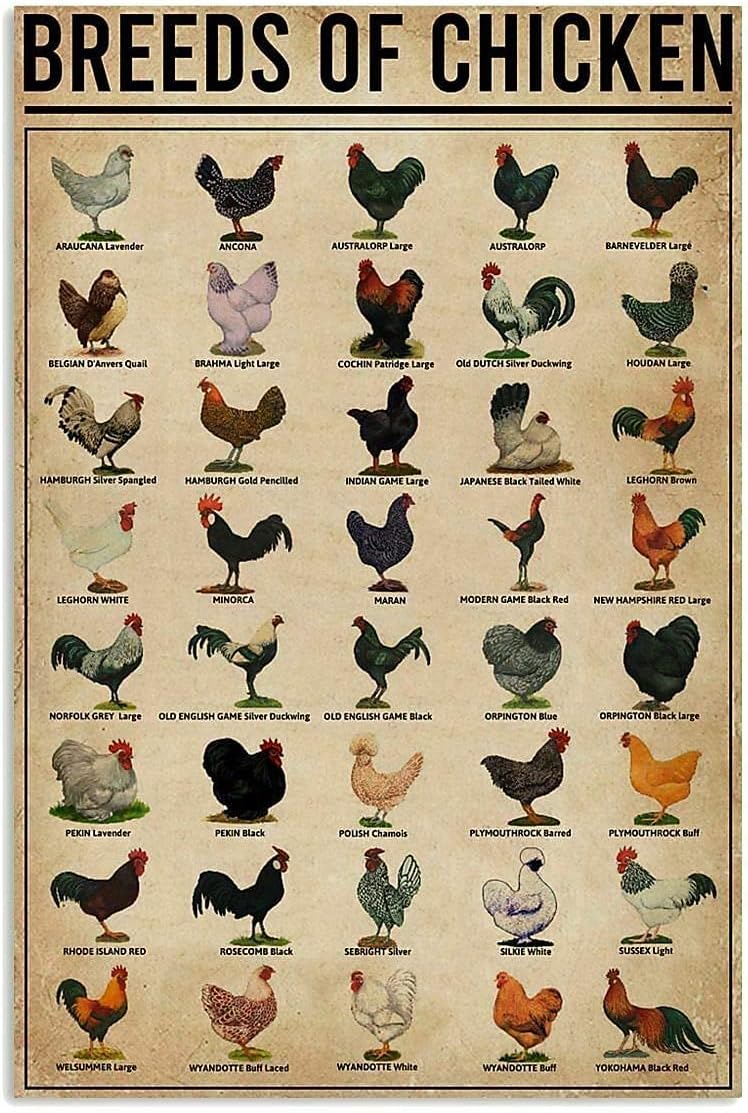
Why Chicken Breed Matters
You might think all chickens are the same, but they’re not. Picking a breed that suits your environment and management style can save you stress, money, and heartbreak. It can also boost your income and success as you expand your homestead.
Breed differences impact:
- Egg production (how many and how often)
- Meat quality and growth rate
- Temperament & behavior
- Climate resilience (heat, cold, humidity)
- Foraging ability and feed efficiency
- Broodiness and mothering instincts
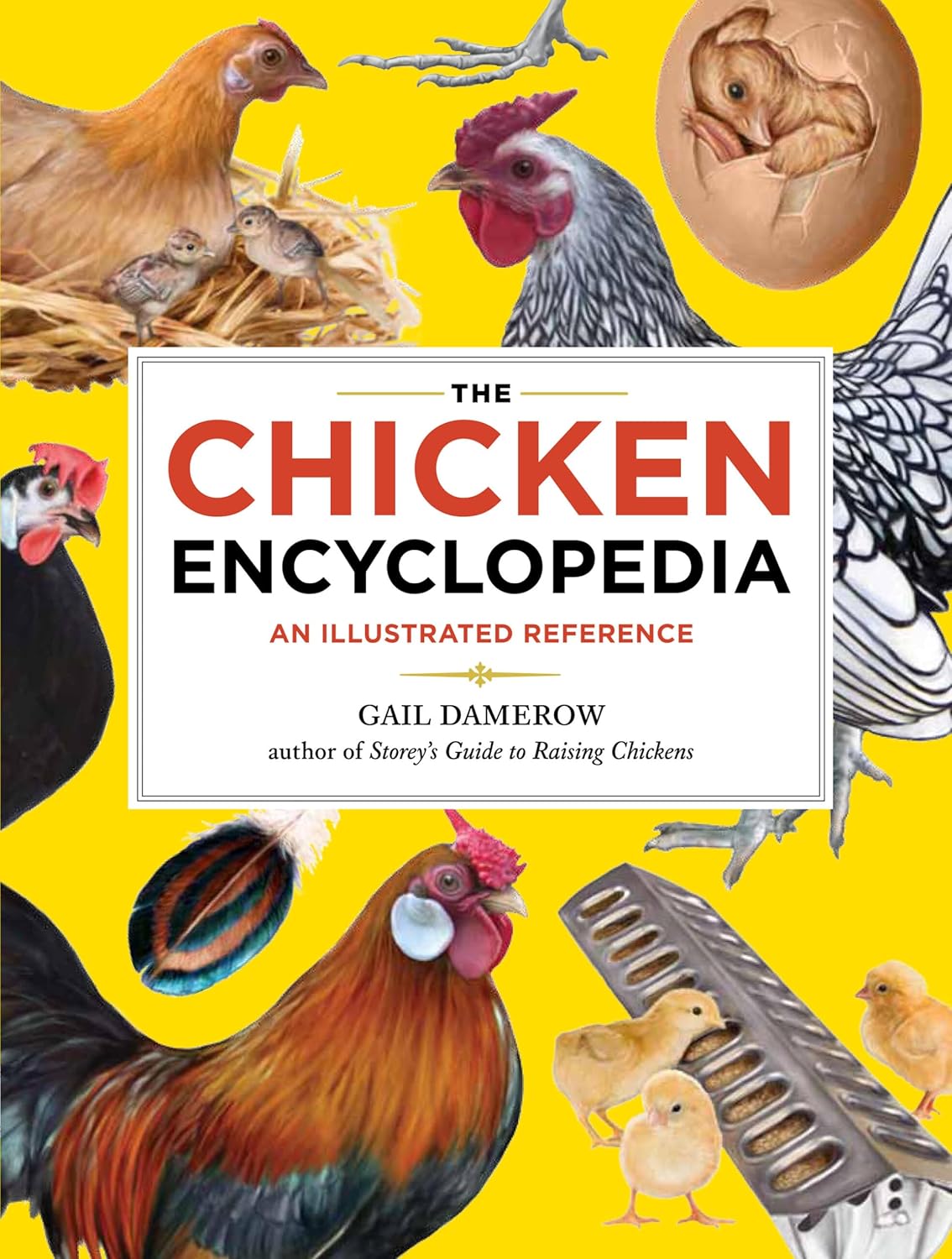
Important Traits to Consider
Egg Laying Capability
If your priority is a steady supply of eggs, look for breeds known for consistent laying over years. Some breeds lay well under challenging conditions (short daylight, cold weather), whereas others slow dramatically outside ideal conditions.
Meat & Dual-Purpose Use
Dual-purpose breeds can provide both meat and eggs. They grow slower than meat-only breeds, but they’re more resilient and better suited for small farms where multiple purposes matter.
Temperament & Handling
Friendly, curious chickens are easier to manage—especially if children or guests will be around. Some breeds are flighty or skittish, others are relaxed and tame.
Climate Tolerance
If you live somewhere with freezing winters, you’ll want a cold-hardy breed with good feathering and strong legs. In hot, humid climates, heat tolerance and lighter feathering matter more.
Foraging & Pasture Use
Some breeds are great for free-ranging—they scratch, hunt insects, and supplement their feed with what they find. This can lower your feed costs and enrich your flock’s diet.
Broodiness & Mothering
If you want your hens to hatch their chicks naturally, select a breed known for broodiness and strong maternal instincts. Many high-production breeds are selected not to go broody, so you’ll need to choose carefully.
Heritage vs. Modern Hybrids
If you’re passionate about preserving rare breeds and building resilient flocks, heritage breeds can be deeply rewarding. If you need maximum output, hybrids may suit you better.
Heritage Breeds
- Long-lived, sustainable genetics
- Often better foragers and more hardy
- Slower growth/maturation
- Tend to have more character and history
Modern Hybrids
- Optimized for egg production or efficiency
- May lay more consistently under ideal conditions
- Sometimes less resilient to stress, climate extremes, or disease
Top Chicken Breeds to Consider
Mixing breeds can be beneficial, but always consider matching size and temperament so one chicken doesn’t dominate or bully others.
Here are some tried-and-true breeds that many homesteaders love:
| Breed | Strengths | Things to Note |
|---|---|---|
| Rhode Island Red | Excellent egg layers, hardy, good dual-purpose | Can be a bit assertive |
| Plymouth Rock / Barred Rock | Friendly, easy to handle, good layers & meat | Slower growth than meat-only breeds |
| Sussex | Curious, good foragers, beautiful plumage | May slow laying in extreme heat |
| Wyandotte | Cold-hardy, decorative feathers, decent egg layers | Broodiness varies by strain |
| Orpington (Buff, Black, etc.) | Gentle, broodiness, good in cold | Not fast growers; sensitive to heat |
| Australorp | Excellent layers even in shorter days | May not be widely available |
| Jersey Giant | Large size for meat, docile personality | Takes time to mature; needs more feed |
| Delaware | Dual-purpose, efficient feeders, calm | Less showy in appearance |
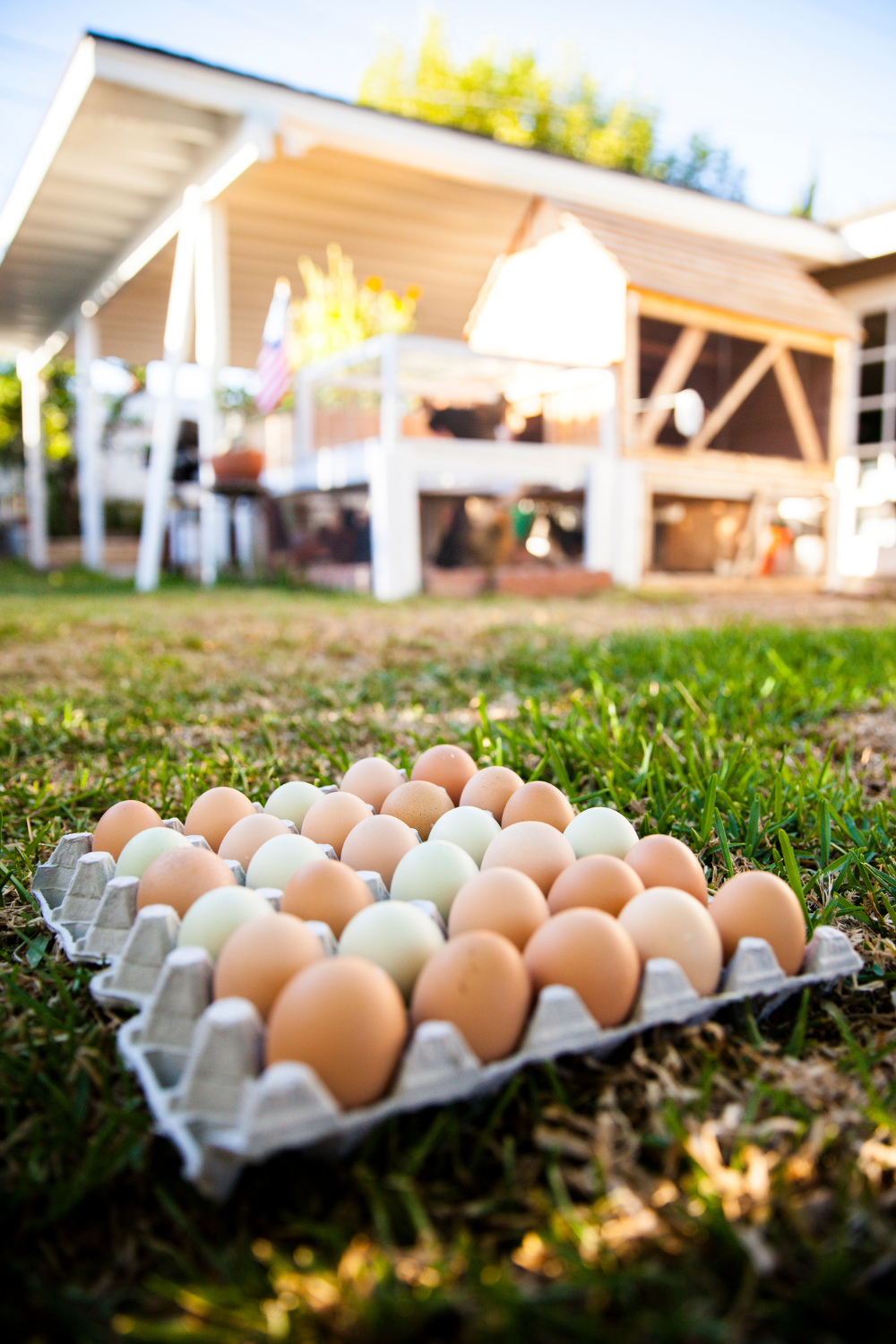
Egg Colors & Sizes by Breed
One of the joys of keeping backyard chickens is the rainbow of eggs that comes with a diverse flock. Beyond shades of brown and white, many breeds lay blue, green, pinkish, or even chocolate-colored eggs—each adding charm to your egg basket.
Egg color doesn’t affect flavor or nutrition, but it can make your homestead eggs uniquely beautiful. The size and frequency of laying, however, do vary by breed and can help you plan how many hens you’ll need to meet your family’s needs. Here’s a quick guide to what you can expect from popular breeds.
| Breed | Egg Color | Average Egg Size | Notes |
|---|---|---|---|
| Rhode Island Red | Brown | Large | Prolific layer with hardy constitution |
| Plymouth Rock (Barred Rock) | Light Brown | Large | Consistent producer and family-friendly |
| Orpington (Buff, Black, etc.) | Light Brown | Large | Gentle, good cold-weather layer |
| Australorp | Brown | Large | Excellent year-round layer, calm disposition |
| Wyandotte | Cream to Light Brown | Medium–Large | Cold-hardy and reliable |
| Sussex | Cream to Light Brown | Large | Friendly, curious, and great foragers |
| Ameraucana / Easter Egger | Blue to Green | Medium | Colorful eggs, great for mixed flocks |
| Marans | Dark Chocolate Brown | Large | Stunning dark eggs, moderate layer |
| Leghorn | White | Large | Very high egg output, prefers warmer climates |
| Brahma | Brown | Medium–Large | Winter-tolerant, gentle giant breed |
| Silkie | Cream to Tinted | Small | More ornamental; occasional layer |
| Olive Egger | Olive Green | Medium–Large | Crossbreed producing unique green eggs |
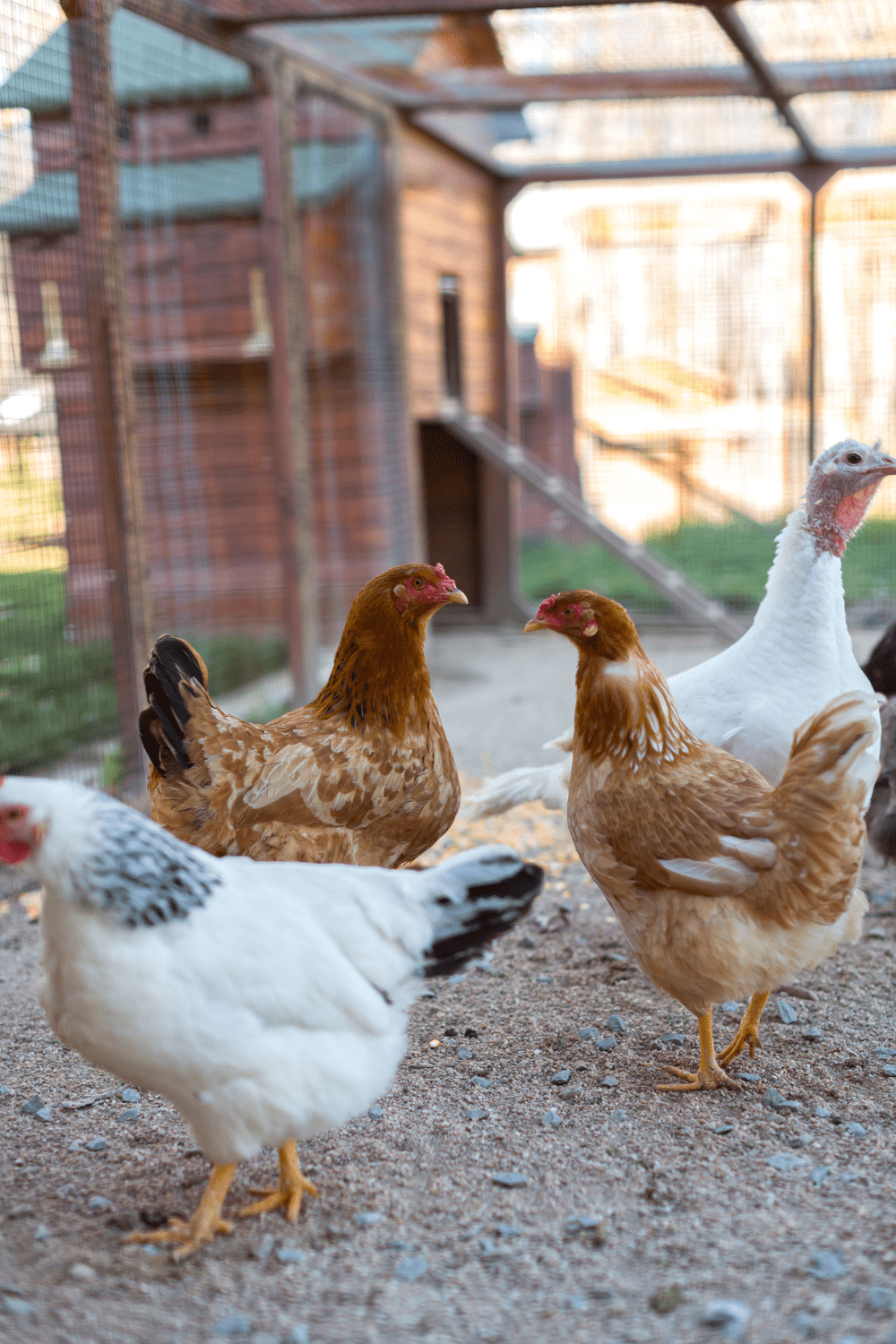
Matching Breed to Your Homestead Goals
Choosing the right chicken breed starts with knowing what you want your flock to accomplish. Every homestead is unique—some families want a steady basket of fresh eggs, while others raise backyard chickens for both meat and sustainability. Your goals, location, and lifestyle all play a role in which breeds will thrive.
Think about your setup and priorities: Are you working with limited space or planning to free-range? Do you need a hardy, low-maintenance flock that can handle Michigan winters, or birds that do well in warmer climates? Are friendly temperaments important for kids or a public-facing homestead? By identifying what matters most to you, it becomes much easier to match breeds that will meet your needs and complement your environment.
- Egg-focused flock? Lean toward high-production laying breeds or hybrids.
- Meat + eggs mix? Go for dual-purpose breeds or a combination of meat and layer breeds.
- Cold weather zone? Choose hardy, fluffy breeds (Wyandotte, Orpington, Plymouth Rock).
- Free-range model? Pick active, foraging-friendly breeds (Dominiques, Sussex, Plymouth Rock).
- Brooding and raising your own chicks? Keep a few breeds known to go broody (Orpington, Wyandotte).
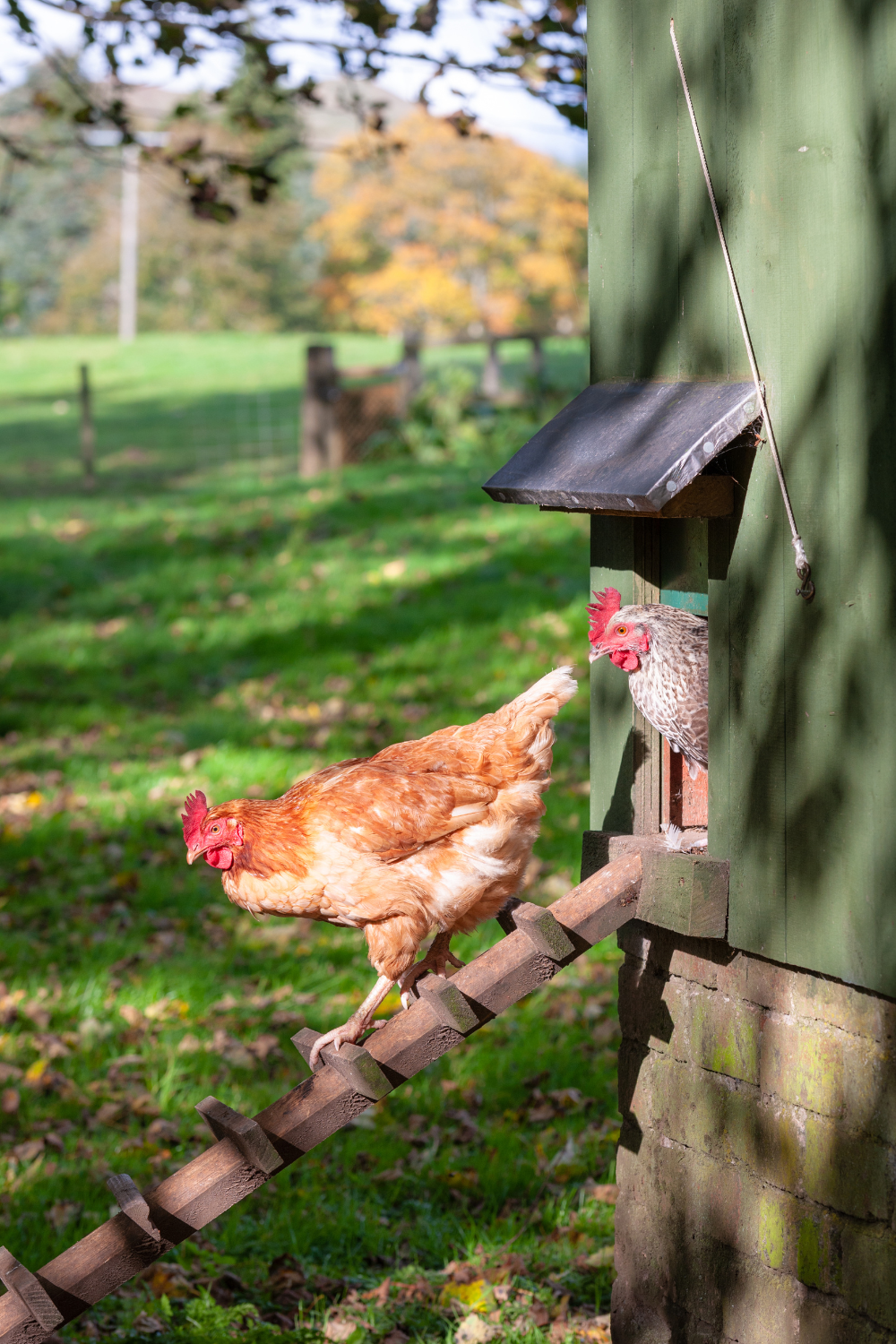
Final Thoughts on Choosing the Right Chicken Breed
Choosing the right chicken breed is as much about your vision for your homestead as it is about the birds themselves. Start by listing your top priorities—eggs, meat, resilience, temperament, adaptability—then compare with breed traits. Visit hatcheries, talk to other backyard keepers, and learn from real-world experience.
Once your flock is in place, give your new chickens time to settle in, observe how they adapt, and adjust management accordingly. When you get the breed match right, your chickens will thrive—turning feed into eggs, soil fertility, and joy for years.
Learn More About Building a Thriving Homestead
Chickens are just one part of a balanced and productive homestead. Each animal plays a role—from pigs that turn compost to goats that clear brush and provide milk. Expanding your knowledge of different livestock helps you create a sustainable, self-sufficient system that fits your land and lifestyle.
Explore these related guides to choose the right animals and care routines for your growing homestead:
- The Complete Guide to Raising Pigs in Your Backyard
- Boosting Dairy Farm Productivity With Climate Control Strategies
- Owning a Horse: Breeds, Care, Supplies, Tack, and Equipment
Subscribe
Subscribe, Comment, and Share!
If you’re looking for a large scale design you can apply to your entire property, check out my article, Farm Layout Ideas: Site Plan Designs for Your Homestead.
Plan your farm like a pro with these tools
-
Garden Design and Planning Tool
Original price was: $29.00.$19.00Current price is: $19.00. -

E-Book | Saving Vegetable Seeds
$3.00 -
Fall Gardening Checklist Free Printable
$0.00 -
Succession Planting Schedule Free Printable
$0.00


Explore more ideas for your farm or homestead . . .
- Unlock the Secrets to a Perfect Garden Layout! (A Reference Tool for Gardeners)
- Farm Layout Ideas: Site Plan Designs for Your Homestead
- Raised Bed Vegetable Garden Plan
- Inspiring Reasons to Start Your Own Farm
- The Ultimate List of Homesteading Skills!
- Is Geothermal Right for You? (Taking Your Homestead Off-Grid)
- How to Start Homesteading Where You Live Today!
- My Homesteading Journey: Year One
- The Art of Homesteading Relaxation: Why Rest is Your Greatest Tool
- The Comprehensive Guide to Raised Bed Gardening
- Gardening 101: 9 Simple Steps to a Fantastic First Season!
- Chaos Gardening for Perpetual Harvests
- Best Gardening Books: Beginners to Masters
- Planning a Survival Garden for Food and Medicine
- Building a Climate Victory Garden to Regenerate Soil
- The Bare Soil Dilemma
- The Ultimate Guide to Planting an Herb Garden
- 90 Unique Spices to Grow in Your Herb Garden
- 75+ Side Hustles for Farmers to Boost Income
- My Passion for Permaculture (and how to apply it to your homestead)
- How to Make a Succession Garden Schedule
- Start your Garden Renovation: Budget and Planning Guide
- How to Build a DIY Outdoor Pizza Oven
- Tips for Garden Critter Control
- The Gardener’s Guide to Pest Insects
- Expert Tips for Gardening Safety
- How to Grow Tomatoes
- 30 Unique Heirloom Vegetables for your Food Garden
- How to Start Seeds Indoors and Keep Them Alive!
- The Secret World of Seeds: Ancient Knowledge
- How to Grow a Medicinal Tea Garden (Plus over 40 Plants!)
- Top 20 Flowers for a Cottage Garden
- 20 Perennial Flowers that Bloom all Summer
- Wildflower Cottage Garden Design
- 12 Culinary Herbs for the Flower Garden
- Learn to Pressure Can Veggies!
- 8 Ways to Preserve Your Harvest
- How to Harvest, Dry and Cure Cilantro
- Companion Planting: Cracking the Code
- Plant Friend or Foe: Companion Planting in the Vegetable Garden
- Most Wished for Gardening Accessories!
- Veggie Garden Supply List
Share this Post on Social Media!
For more inspiration follow my Pinterest Board: Homesteading and Farming.