
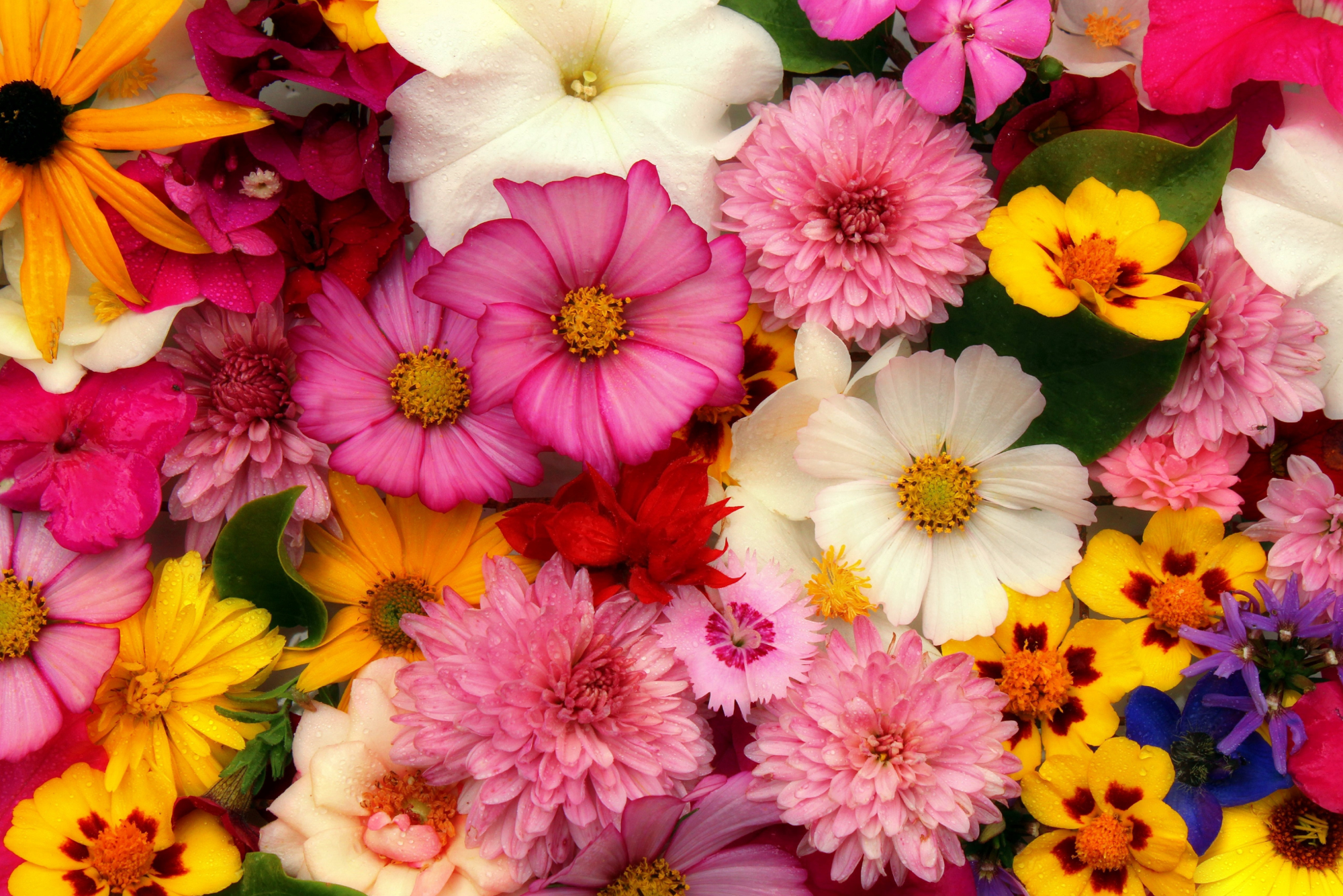
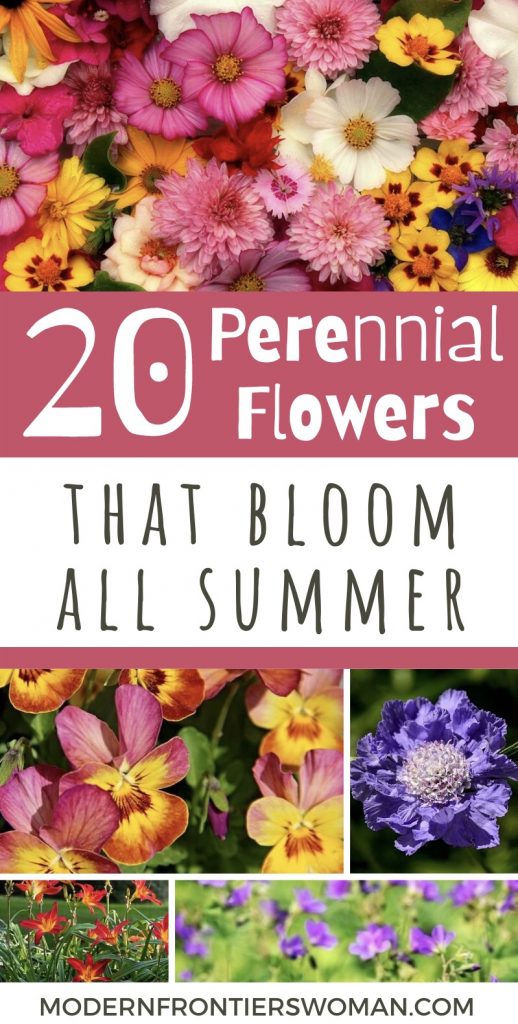
The best way to achieve all summer color in your garden beds is to choose perennial flowers with the longest bloom times. This list highlights the most eye catching perennial flowers that bloom for 8-12 weeks. Since they are perennials, they will come back to life every year to fill your garden with low-maintenance beauty.
Keep in mind that only select varieties of these plant species may flower for 8-12 weeks. Carefully ready read the description for any variety you are purchasing. Growing zone, hours of sunlight per day and watering frequency also impact how long a plant will continue to bloom throughout the summer season.
Off With Their Heads!
The queen of hearts must have been a great gardener, because she knew the secret to a colorful garden! Deadhead perennial flowers to prolong their bloom time. To do this, cut the stem with pruning scissors just below the flower head.
Deadheading stimulates new growth so the plant will continue to produce new blooms. When a plant keeps it’s spent flower heads, it puts energy into seed production instead of blooming. Deadheading can also allow bulb flowers to put energy into root growth instead of their seeds.
Which parennial flowers need deadheading? Rudbeckia, Coneflower, Agastache, Daisies, Lavender, Peonies, Roses and most annuals benefit from deadheading. If a plant is labeled as “continuous bloom” or “self-cleaning”, it does not need to be deadheaded.
Perennial Flowers that Bloom 8-12 Weeks in Summer
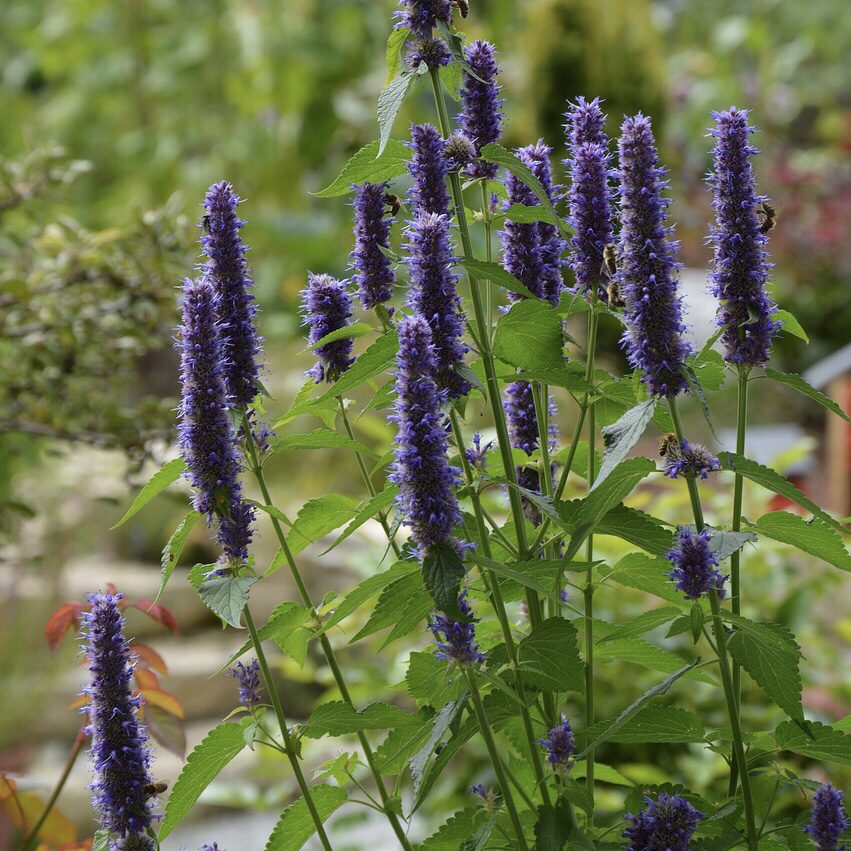
1. Agastache (Hyssop)
Height: 2-6’
Spacing: 20-36”
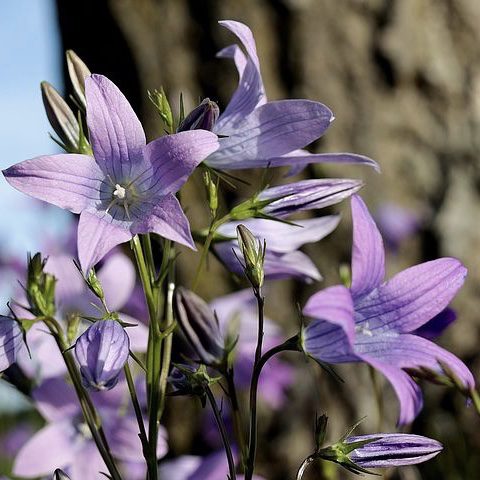
2. Bellflower
Height: 12-30”
Spacing: 15-24”
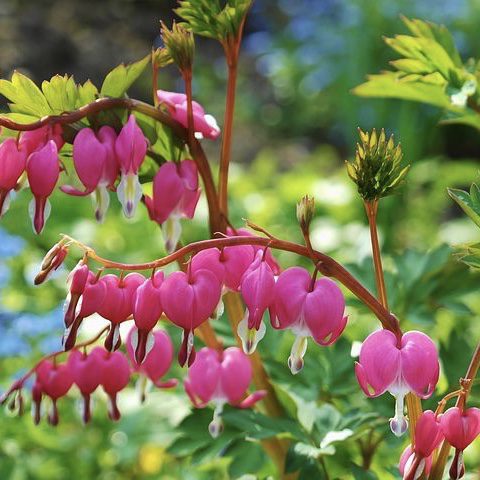
3. Bleeding Heart
Height: 9-36”
Spacing: 12-36”
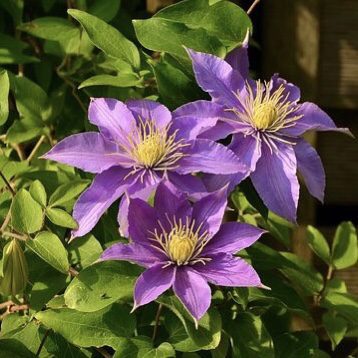
4. Clematis
Height: 6-12’ climbing vine
Spacing: 24-36”
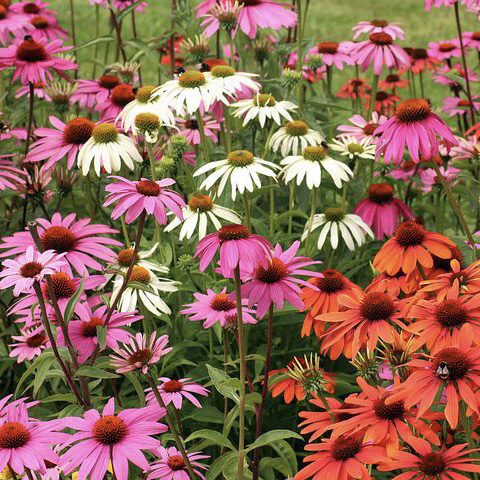
5. Coneflower
Height: 2-4’
Spacing: 18-24”
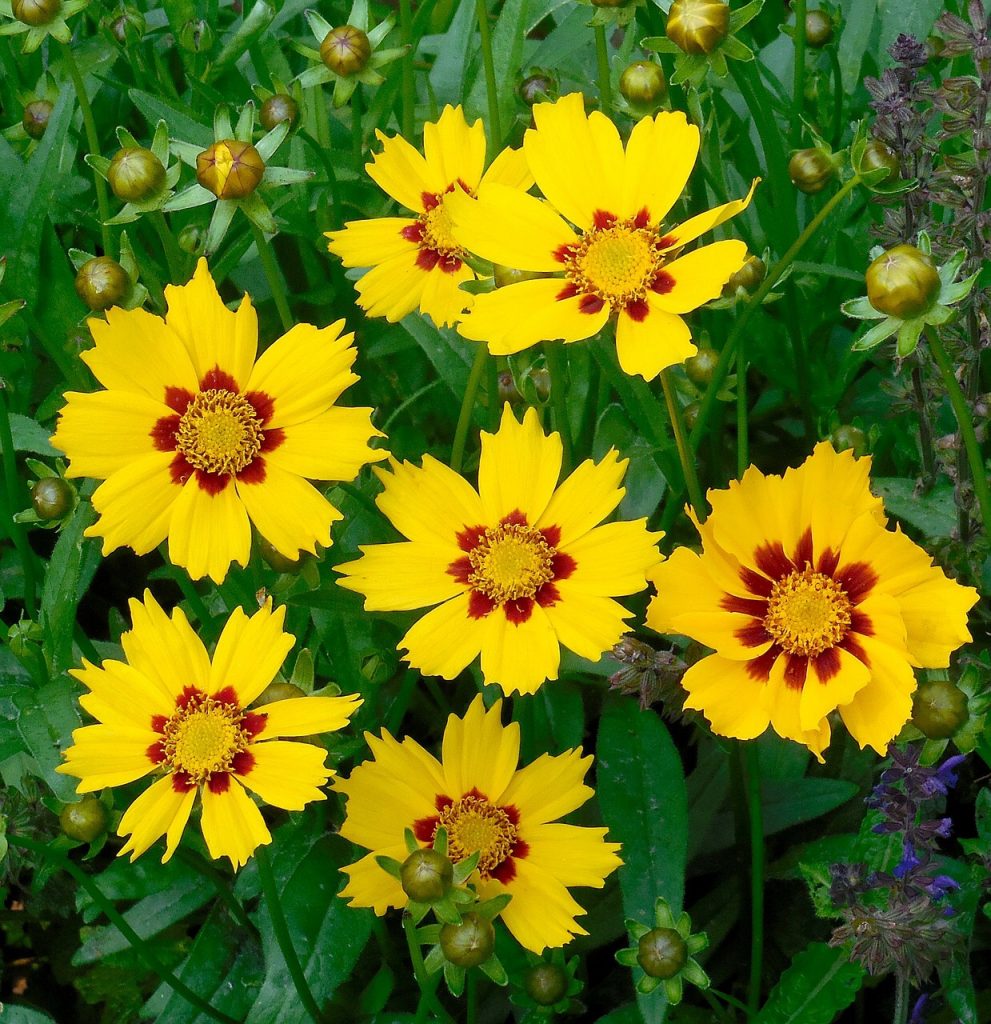
6. Coreopsis (Tickseed)
Height: 6-24”
Spacing: 18-24”
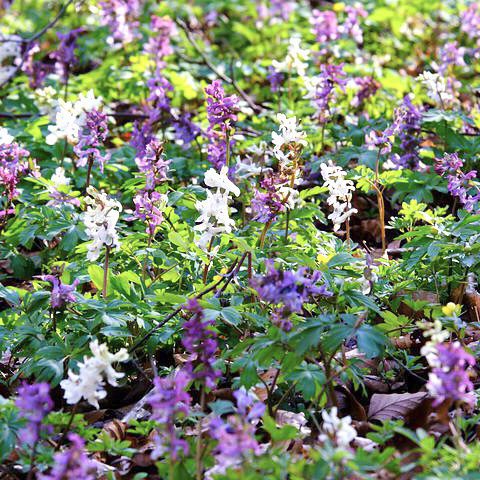
7. Corydalis
Height: 12-36”
Spacing: 15-36”
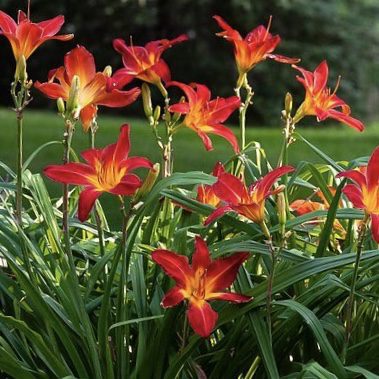
8. Daylily
Height: 1-8’
Spacing: 12-36”
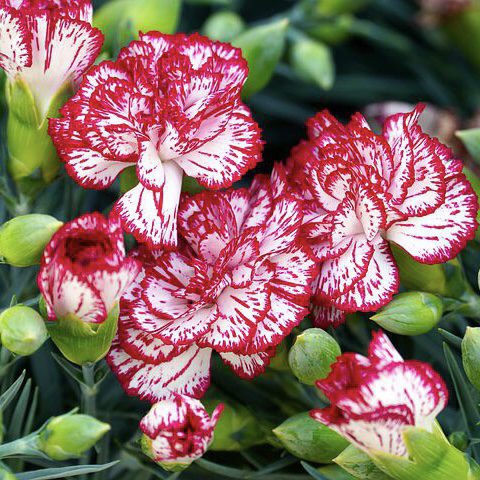
9. Dianthus
Height: 6-36”
Spacing: 6-24”
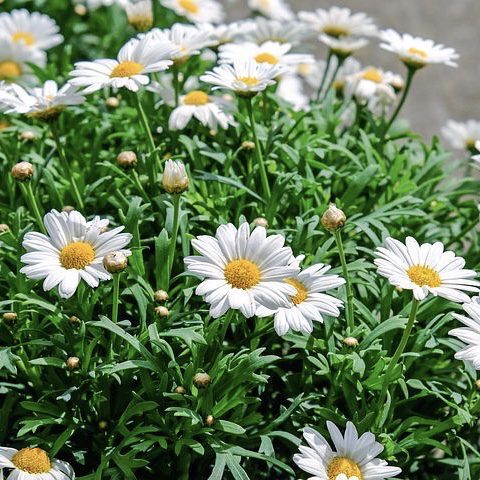
10. Daisy
Height: 12-36”
Spacing: 12-24”
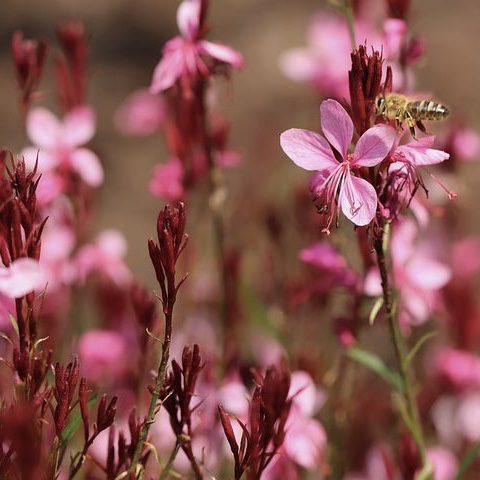
11. Gaura
Height: 1-8’
Spacing: 12-24”
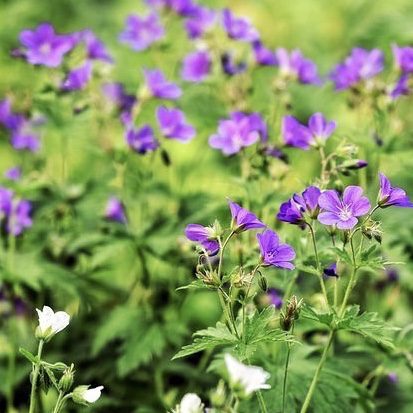
12. Geranium (Cranesbill)
Height: 12-24”
Spacing: 18-36”
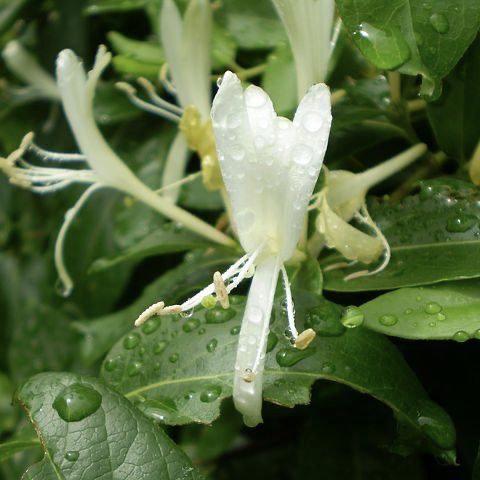
13. Honeysuckle Vine
Height: 7-30’ climbing vine
Spacing: 2-5’
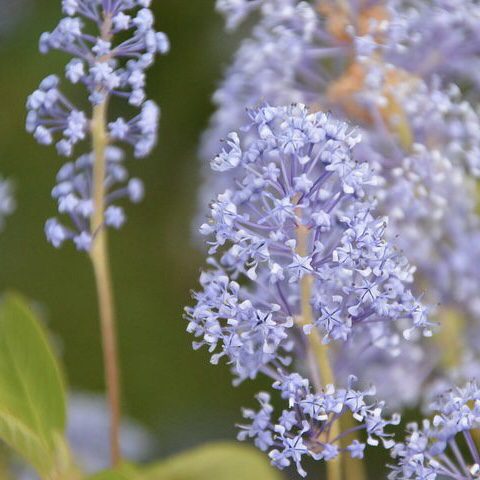
14. Milkweed (Swamp)
Height: 1-8’
Spacing: 12-36”
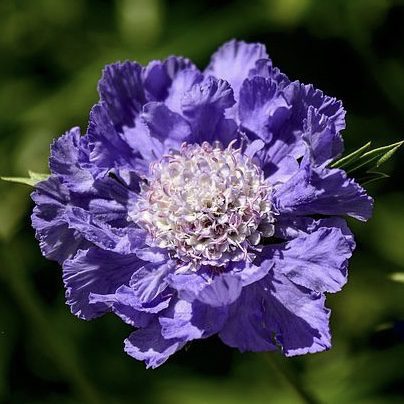
15. Pincushion (Scabiosa)
Height: 12-24”
Spacing: 15-18”
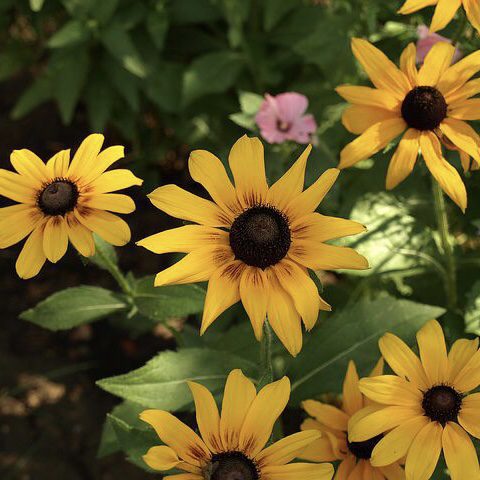
16. Rudbeckia ( Black-Eyed Susan)
Height: 24-36”
Spacing: 18-24”
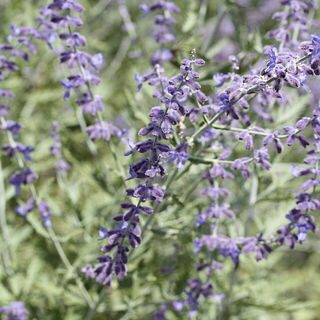
17. Russian Sage
Height: 3-8’
Spacing: 24-36”
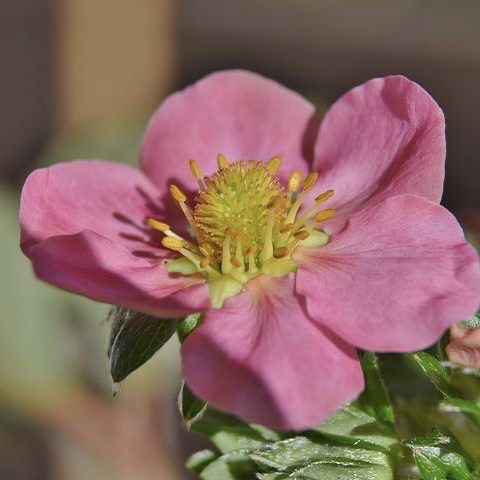
18. Strawberry, Ornamental (Fragaria)
Height: 4-6”
Spacing: 15-18” Ground cover that spreads via runners
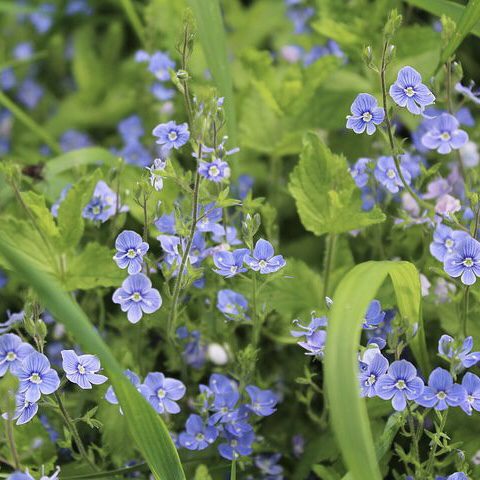
19. Veronica
Height: 6-36”
Spacing: 8-24”
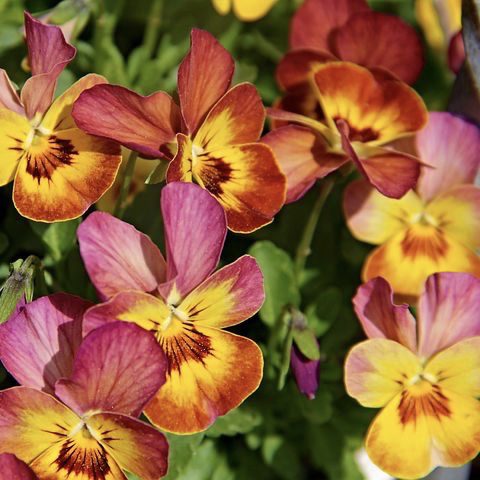
20. Viola
Height: 6-12”
Spacing: 4-12”
Subscribe
Subscribe, Comment, and Share!
Leave a comment with your gardening advice!
Plan your perennial flower garden like a pro with these tools
-
Garden Design and Planning Tool
Original price was: $29.00.$19.00Current price is: $19.00. -

E-Book | Saving Vegetable Seeds
$3.00 -
Fall Gardening Checklist Free Printable
$0.00 -
Succession Planting Schedule Free Printable
$0.00

Explore more gardening articles . . .
- Top 20 Flowers for a Cottage Garden
- Wildflower Cottage Garden Design
- 12 Culinary Herbs for the Flower Garden
- How to Grow a Medicinal Tea Garden (Plus over 40 Plants!)
- Unlock the Secrets to a Perfect Garden Layout! (A Reference Tool for Gardeners)
- Raised Bed Vegetable Garden Plan
- The Comprehensive Guide to Raised Bed Gardening
- Gardening 101: 9 Simple Steps to a Fantastic First Season!
- Chaos Gardening for Perpetual Harvests
- Best Gardening Books: Beginners to Masters
- Planning a Survival Garden for Food and Medicine
- Building a Climate Victory Garden to Regenerate Soil
- The Bare Soil Dilemma
- The Ultimate Guide to Planting an Herb Garden
- 90 Unique Spices to Grow in Your Herb Garden
- 75+ Side Hustles for Farmers to Boost Income
- My Passion for Permaculture (and how to apply it to your homestead)
- How to Make a Succession Garden Schedule
- Start your Garden Renovation: Budget and Planning Guide
- How to Build a DIY Outdoor Pizza Oven
- Tips for Garden Critter Control
- The Gardener’s Guide to Pest Insects
- Expert Tips for Gardening Safety
- How to Grow Tomatoes
- 30 Unique Heirloom Vegetables for your Food Garden
- How to Start Seeds Indoors and Keep Them Alive!
- The Secret World of Seeds: Ancient Knowledge
- Learn to Pressure Can Veggies!
- 8 Ways to Preserve Your Harvest
- How to Harvest, Dry and Cure Cilantro
- Companion Planting: Cracking the Code
- Plant Friend or Foe: Companion Planting in the Vegetable Garden
- Most Wished for Gardening Accessories!
- Veggie Garden Supply List
Share this Post on Social Media!
For more inspiration, follow my Pinterest Board: Gardening, Growing Food, Landscaping.



I am currently trying to create a cottage garden in my back garden in the north of Scotland. I loved you post and being new to gardening I greatly valued your shared knowledge. I am currently walking around with a shopping list of flowers and plants so when I stumbled across your post it helped me alot.
When you say deadheading plants. Is that suppose to be done after you plant them? Or end of season. I am just learning about gardening
Deadheading means removing flowers that have finished blooming from the plant throughout the season.