

Here it is—a comprehensive list of homesteading skills designed to inspire both beginner homesteaders and seasoned experts to grow and expand their homesteading knowledge. No one person can master every skill on this list, and that’s part of the beauty of the lifestyle. Homesteading isn’t about forging ahead in isolation; it’s about building self-sufficiency while staying connected to a community of like-minded people.
While we may strive to live off the grid and produce much of what we need ourselves, humans still thrive on collaboration and shared wisdom. The key is to approach these skills one at a time. Mastery takes patience—often years or even a lifetime—and the most successful homesteaders are lifelong learners who build libraries and gather resources to deepen their understanding as they grow.

Homesteading Skills
Building a self-sufficient life is about far more than growing vegetables or raising animals—it’s a way of living that connects you deeply to the land, your food, your community, and yourself. Whether you’re starting from scratch or expanding what you already know, mastering a range of homesteading skills can transform your daily life and increase your resilience. From gardening and cooking to livestock care, crafting, and survival, every skill you learn becomes part of a larger foundation of homesteading knowledge that will serve you for years to come.
Gardening
Gardening is the cornerstone of homesteading. It’s where we learn to work with the land, understand the seasons, and grow nourishment with our own hands. But gardening is about more than planting seeds—it’s about creating a sustainable ecosystem that supports itself year after year.
Developing homesteading skills like seed saving, composting, propagating plants, and managing a greenhouse ensures that your garden becomes not just a source of food, but a living classroom for deeper homesteading knowledge. Observing weather patterns, harvesting rainwater, and keeping careful records help you adapt and thrive as conditions change.
- Growing your own food
- Saving vegetable seeds
- Starting seeds indoors
- Propagating plants
- Growing, pruning and grafting trees
- Building and managing a greenhouse
- Permaculture
- Composting
- Vermiculture
- Harvesting rainwater
- Seasonal and weather tracking
- Reading the land
- Record keeping

Culinary Skills
Homesteading is as much about what happens in the kitchen as it is in the garden. Learning to preserve and prepare what you grow ensures that nothing goes to waste and that your family is nourished year-round.
From canning and root cellaring to rendering lard, baking from scratch, and fermenting foods, these homesteading skills reconnect us with traditional foodways and empower us to take control of our food supply. Skills like home brewing, distilling, and stocking a well-organized pantry deepen your homesteading knowledge and allow you to create abundance even in lean seasons.
- Canning and preserving
- Storing food in a root cellar
- Rendering lard or tallow
- Milling grains
- Baking
- Tapping trees for maple syrup
- Cheese/yogurt/butter making
- Smoking meat
- Drying herbs
- Cooking with and maintaining cast iron
- Cooking from scratch
- Home brewing
- Distilling
- Stocking a pantry, keeping an inventory and meal planning
Raising Livestock
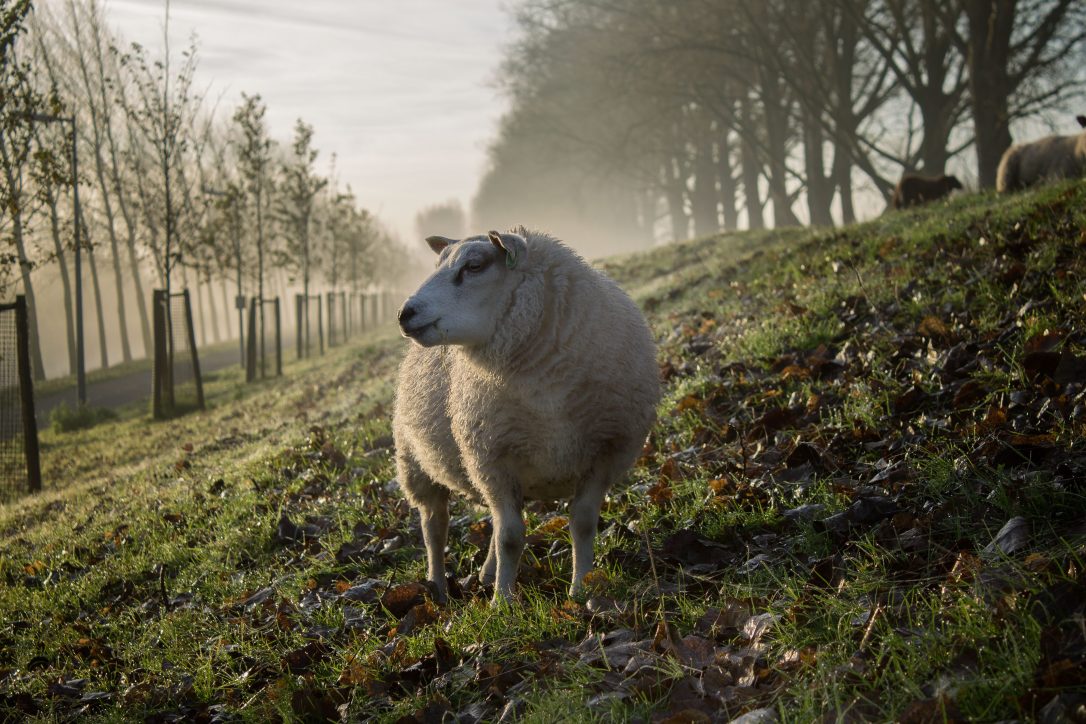
Adding animals to your homestead introduces an entirely new layer of sustainability and self-reliance. Livestock provide meat, milk, eggs, fiber, and fertility — but they also require commitment, care, and skill. Mastering animal husbandry, pasture management, and veterinary basics ensures your animals stay healthy and productive.
Whether you’re milking goats, managing bees, breeding livestock, or learning to butcher humanely, these homesteading skills expand your ability to provide for your household. Even record keeping and feed production become part of the broader homesteading knowledge that builds a thriving, ethical, and efficient farmstead.
- Animal husbandry
- Horsemanship
- Pasture management
- Building enclosures and shelters
- Breeding and birthing livestock
- Growing your own animal feed
- Butchering livestock and cleaning fish
- Sheering sheep and processing wool
- Handling poultry and eggs
- Milking livestock and pasteurization
- Beekeeping
- Cutting, baling and stacking hay
- Veterinary skills
- Record keeping

Handiness
A self-sufficient life often depends on your ability to fix, build, and maintain the essentials. Developing handiness is one of the most empowering aspects of homesteading—it reduces dependence on outside help and keeps your operation running smoothly.
Skills like carpentry, fencing, welding, and blacksmithing allow you to build and repair infrastructure, while auto maintenance and well-digging keep your homestead functional. Even traditional crafts like leather-working and cobbling tie into a larger system of homesteading knowledge, helping you extend the life of your tools, clothing, and equipment.
- Auto maintenance and mechanic skills
- Construction and home repair skills
- Building a fence
- Carpentry
- Blacksmithing
- Metalworking and welding
- Cobbling
- Using tools and equipment for the farm and home
- Digging a well
- Skinning, tanning, and leather-working

Crafts
Homesteading isn’t just about survival — it’s about creating a life that’s beautiful, functional, and deeply personal. Crafting skills bring creativity and tradition into the rhythm of daily life. Making soap, candles, baskets, and brooms transforms raw materials into useful tools. Sewing, quilting, and weaving let you clothe your family and decorate your home without relying on store-bought goods.
Even skincare and cleaning products can be homemade with natural ingredients. These homesteading skills not only reduce your dependence on commercial products but also deepen your homesteading knowledge by connecting you to ancestral wisdom and self-reliance.
- Candle making
- Soap making
- Sewing
- Quilting
- Knitting
- Crocheting
- Weaving
- Basket making
- Pottery
- Broom making
- Making cleaning supplies
- Making beauty and skincare products

Survival Skills
True self-sufficiency means being prepared for the unexpected. Homesteading skills in survival go beyond daily routines—they equip you to handle emergencies and thrive off-grid.
Learning how to forage, purify water, start a fire, and administer first aid can make all the difference in a crisis. Hunting, fishing, trapping, and firearm safety expand your food sources, while herbal medicine connects you to the healing power of plants. By mastering these essential survival skills, you build confidence and resilience—vital components of any deep homesteading knowledge.
- Foraging
- First aid and CPR
- Making medicinal herbal extracts, salves, infusions, poultices and tinctures
- Starting and extinguishing a fire
- Living off grid without power
- Purifying water
- Tying basic knots
- Rope and net making
- Reusing and repurposing everyday items
- Using alternative energy sources
- Harvesting firewood
- Firearm use, safety and storage
- Hunting wild game
- Tracking
- Fishing
- Making your own fishing equipment
- Making and setting traps

Social
No homestead thrives in isolation. The strongest communities are built on shared knowledge, cooperation, and mutual support. Developing homesteading skills like leadership, bartering, and teaching helps you build relationships and share resources.
Networking and community involvement create a safety net of knowledge and assistance, while budgeting and sustainable living practices ensure your lifestyle remains stable and adaptable. Spirituality, organization, and communication round out the picture, reminding us that homesteading is not just about self-reliance—it’s about interconnectedness.
- Leadership
- Bartering and trading
- Sustainable living
- Teaching
- Budgeting and money management
- Spirituality
- Organizational skills
- Networking and community involvement
Conclusion
Homesteading is a lifelong journey, not a destination. The beauty of it lies in the ongoing process of learning, practicing, and growing—both as individuals and as a community. Whether you’re saving seeds, butchering livestock, weaving baskets, or teaching a neighbor how to can tomatoes, each skill builds upon the next.
As your homesteading knowledge expands, so does your ability to live intentionally, sustainably, and in harmony with the land. Embrace the learning curve, celebrate small victories, and remember: every skill you acquire brings you one step closer to a truly self-sufficient and fulfilling life.

Subscribe
More Ideas to Grow Your Homesteading Skills . . .
Which homesteading skills are important to you? Leave a comment below and share your ideas!
Check out Farm Layout Ideas: Site Plan Designs for Your Homestead for inspiration on how to incorporate these homesteading skills into your land.
- 75+ Side Hustles for Farmers to Boost Income
- The Biggest Mistakes Families Make when Inheriting Land
- Why Building Your Own Home Is Achievable and Affordable
- My Passion for Permaculture (and how to apply it to your homestead)!
- Is Geothermal Right for You? (Taking Your Homestead Off-Grid)
- How to Start Homesteading Where You Live Today!
- How to Choose the Perfect Location to Invest in Real Estate
- My Homesteading Journey: Year One
- The Process and Timeline of Raising Meat Pigs
- Choosing the Right Pig Breed for your Homestead
- Boosting Dairy Farm Productivity With Climate Control Strategies
- The Bare Soil Dilemma
- The Comprehensive Guide to Raised Bed Gardening
- Raised Bed Vegetable Garden Plan
- Planning a Survival Garden for Food and Medicine
- How to Grow a Medicinal Tea Garden (Plus over 40 Plants!)
- How to Build a DIY Outdoor Pizza Oven
- The Art of Homesteading Relaxation: Why Rest is Your Greatest Tool
- The Ultimate List of Homesteading Skills!
Share this Post on Social Media!
For more inspiration, follow my Pinterest Board: Homesteading and Farming.


Love this! Homesteader in training here!
Great post!
I think everybit of this info. Is God sent, as soo many of us have no clue how hard it really is to survive esp. In city communities. This kind of information is gonna b priceless one day and that day is coming.
Thanks for putting it all in one place. Thanks for all of the research and many countless hours itvtook to do so. God Bless U.