
Do you find yourself in a world that glorifies hustle? It’s no wonder we’re all wound tighter than a jack-in-the-box. But let’s be honest: constantly running on fumes isn’t exactly a sustainable lifestyle choice. Relaxation needs to take priority.
When you are more relaxed, you’re better equipped to tackle challenges and enjoy life. Find out how.
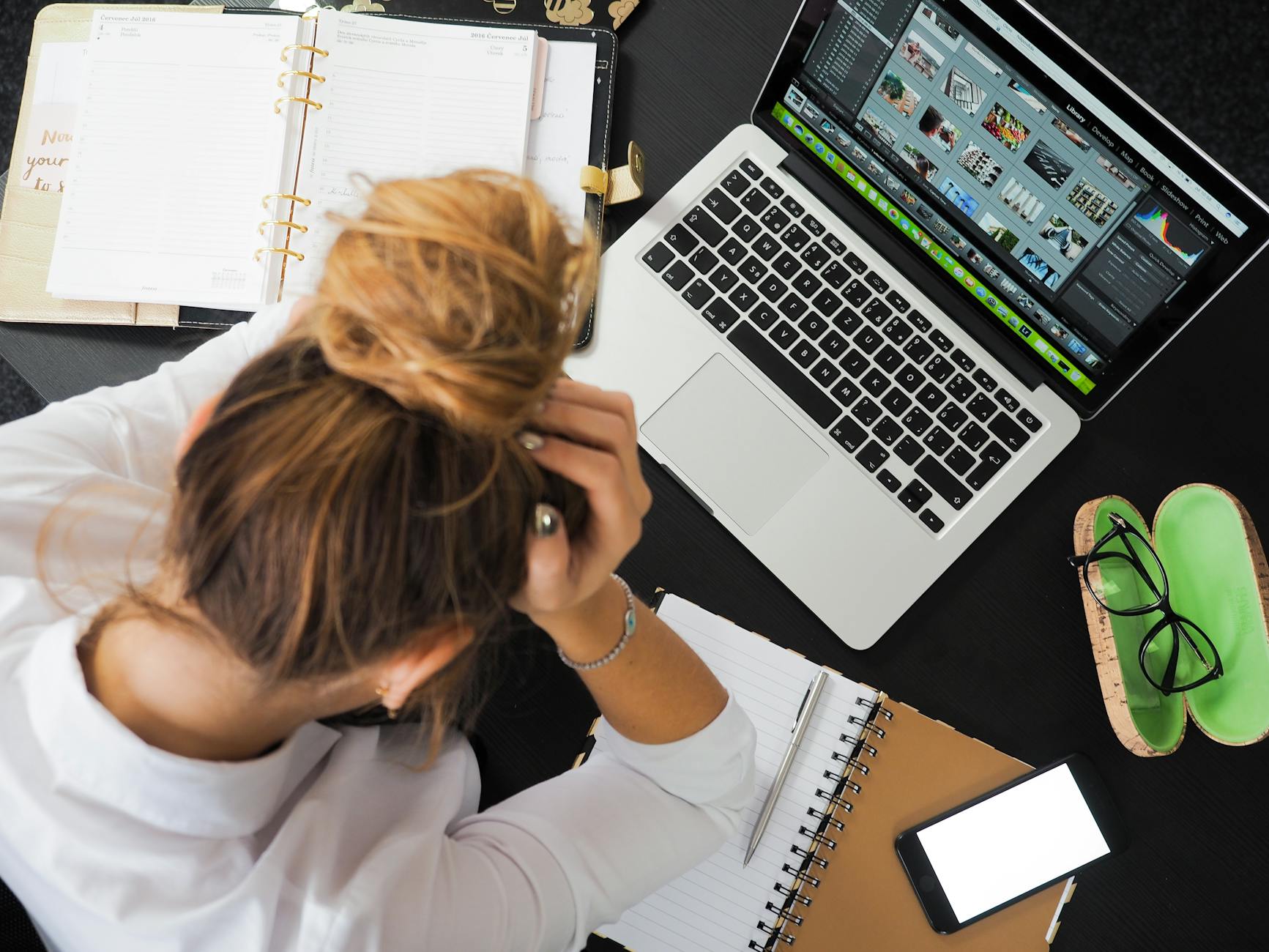
The Overworked Society
It’s practically a competition these days: who can say they’re the busiest? You know the type. They swagger into the office, announcing they pulled an all-nighter to “finally finish that project.” It’s as if running on two hours of sleep is some badge of honor. Meanwhile, you’re yawning into your morning coffee and wishing for a twelve-hour nap.
We’ve become so accustomed to chasing deadlines and setting endless alarms that we’ve forgotten how to just…be. The idea of giving ourselves permission to do nothing feels almost scandalous, doesn’t it?
But here’s the kicker: constantly pushing ourselves to the brink of burnout doesn’t actually make us more productive. At some point, all that mental and physical stress causes our creativity to fizzle.
You can only run a marathon if you allow yourself water breaks. Relaxation is your essential water station in the marathon of life. Skip it, and you’ll be dragging yourself across the finish line on sheer willpower alone.

The Mind-Body Connection
Let’s talk science for a second (don’t worry, I won’t get too nerdy). When you’re stressed, your body produces adrenaline and cortisol. These chemicals are great if you’re being chased by a hungry lion, but not so fabulous when you’re coping with your inbox.
Over time, these hormones can wreak havoc on everything from your blood pressure to your digestion. Relaxation, on the other hand, helps lower these stress hormones and lets your mind and body exhale, literally and figuratively.
Ever notice how your shoulders nearly touch your ears by the end of a stressful day? That’s your body basically screaming, “Hey, calm down!”
Relaxation allows those tense muscles to soften. Try a bubble bath, a stroll in the park, a sound machine, or even a quick midday nap. Diaphragmatic breathing techniques and somatic exercises can help no matter where you are. Allow your body to relax. Your mind will follow, letting go of the clenched urgency that’s been nagging you for hours.

Why Doing Nothing Sometimes Does Everything
We live in a world that equates idle time with laziness. But research (and common sense) shows that spacing out can actually recharge your internal batteries. You’ve probably had some of your best ideas while daydreaming in the shower or zoning out of an aunt’s story you’ve heard a million times. Our brains need that downtime to sift through information, connect dots, and spark that “Eureka!” moment.
Take solitaire, for example—yes, that old-fashioned card game you used to fire up on the family computer when you were “doing homework.” It might seem trivial, but such simple, almost mindless activities can offer a surprising amount of mental refreshment. Zoning out with a low-pressure app or board game acts like a palate cleanser for your brain. It’s a gentle distraction that can lower stress levels and let your subconscious handle the heavy lifting on whatever problems you’re facing.
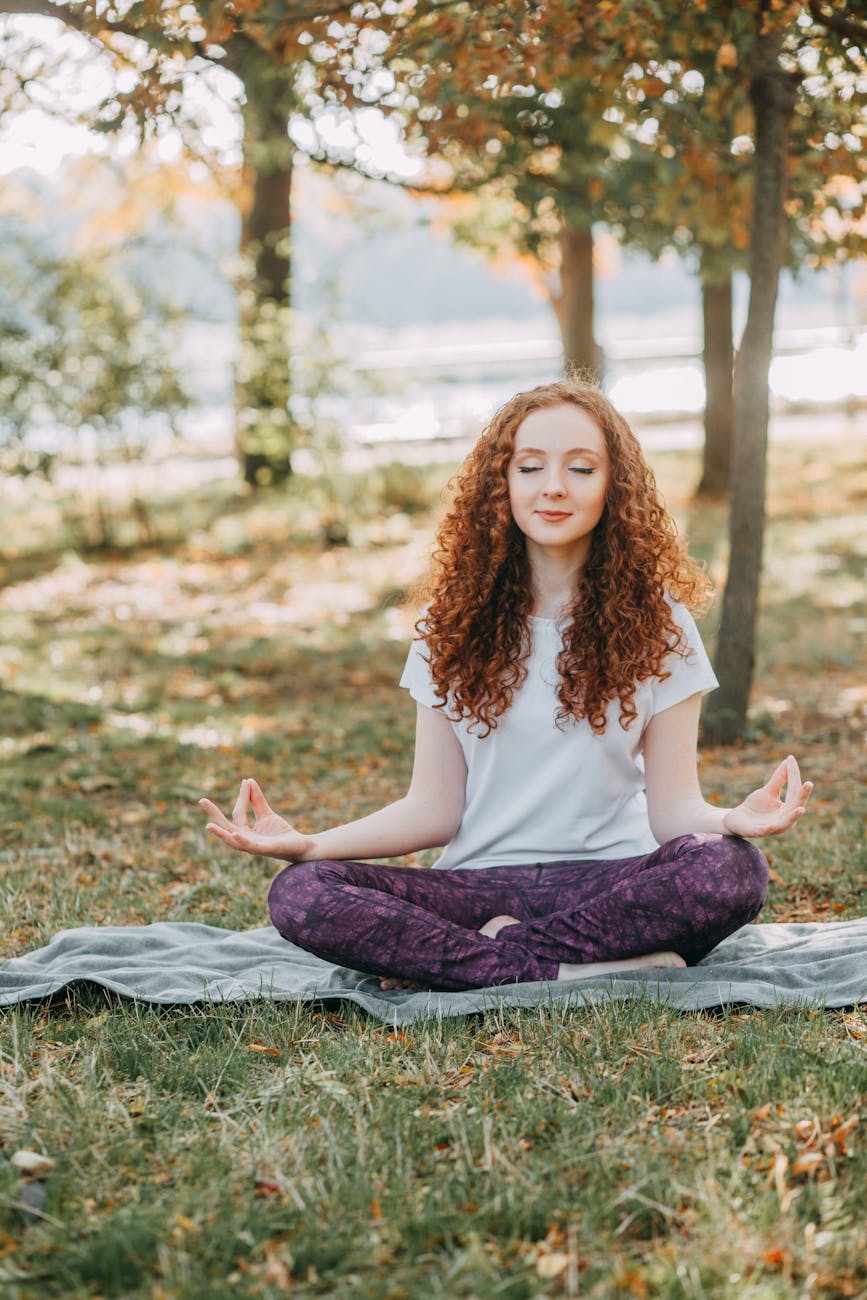
Mastering Micro-Breaks
Don’t have an hour to soak in a bath sprinkled with rose petals and essential oils? No problem. Micro-breaks can be just as powerful. It’s all about weaving small pockets of chill time into your day. Maybe it’s five minutes between meetings to sip a relaxing herbal tea and stare at your favorite plant. Or stepping outside to bask in the sunlight for a moment to feel the breeze on your face. Even a quick stretch or yoga break can snap you out of that hunched, stressed posture.
The beauty of these mini-resets is that you can incorporate them practically anywhere—on a busy workday, during errands, or even while your pasta water boils. The trick is to be intentional: set a timer or a reminder in your calendar if you must. Don’t wait until you’re on the brink of meltdown to notice you haven’t taken a single breath that isn’t shallow or stress-induced.
The Ripple Effect
Relaxing more isn’t just about feeling good in the moment (though that’s a lovely perk). It also has a ripple effect on everything around you. When you’re calmer, you’re less likely to snap at your colleagues or children. You won’t feel compelled to honk at the car in front of you for taking two extra seconds at a green light.
People who prioritize relaxation often discover that their focus improves, their sense of humor returns, and their overall mood lifts. It’s like putting on a pair of glasses that makes the world look a little less harsh.
What’s more, learning to relax shows others how they can treat themselves, too. Think of it as a public service. By modeling good self-care and boundary-setting, you encourage your friends and family to do the same. You might even influence your boss. After all, wouldn’t you rather be surrounded by chilled-out people than stress-zombies?
Chill out if you want to get the most out of life!

Subscribe
More ideas for relaxation . . .
- The Ultimate List of Homesteading Skills!
- Gift Guide: Top 50 Board Games for Nature Lovers
- How to Start Homesteading Where You Live Today!
- The Art of Homesteading Relaxation: Why Rest is Your Greatest Tool
- Top 20 Must-Read Books for Garden Enthusiasts
- How to Grow a Medicinal Tea Garden (Plus over 40 Plants!)
Find more relaxation tips on my Pinterest Board: Hygge | The Art of Cozy Living.


11 thoughts on “Relaxation: The Secret to Productivity and Health”