
To live your best life, you need to protect your health—physically, mentally, and emotionally. While occasional illness or injury is inevitable, understanding how unexpected events can impact your well-being is key. By learning proactive strategies, you can avoid certain problems, recover faster, and maintain your ability to enjoy life. Here are proven, actionable ways to protect your health starting today.

1. Protect Your Health After an Accident With a Personal Injury Attorney
If you’ve been injured in an accident, you already know how quickly your health, finances, and peace of mind can be disrupted. A personal injury attorney can be a critical ally in your recovery. With their legal expertise, they can help you secure fair compensation, access necessary medical care, and get the time you need to heal—without the added stress of navigating complex legal processes on your own.
Without representation, you might feel pressured to return to work before your body is ready, which can slow recovery or cause long-term damage. Whether you’ve been injured or simply want to be prepared, identify a reputable personal injury attorney before you ever need one. That foresight could protect your health in the future.
2. Protect Your Health from Online Misinformation and Health Trends
In today’s digital world, you’re bombarded with headlines promising miracle cures, “must-try” health hacks, or dire warnings about what will happen if you don’t follow the latest trend. You worry you’ll become gravely ill, your children’s IQ will drop, or you’re just doing things wrong. But adopting unverified advice can put your well-being at risk. When online fear keeps coming at you, take a deep breath and rise above the noise.
To protect your health, practice smart information gathering:
- Research the source before believing any health claim.
- Check credentials—are they a qualified medical professional?
- Look for reputable evidence from peer-reviewed studies or recognized health organizations.
- Beware of fear tactics or “too good to be true” promises.
- Do your due diligence—are they trying to sell you something?
By being a skeptical, informed consumer of online content, you can avoid harmful misinformation and focus on practices that genuinely support your well-being.
3. Adopt a Proper Oral Hygiene Routine
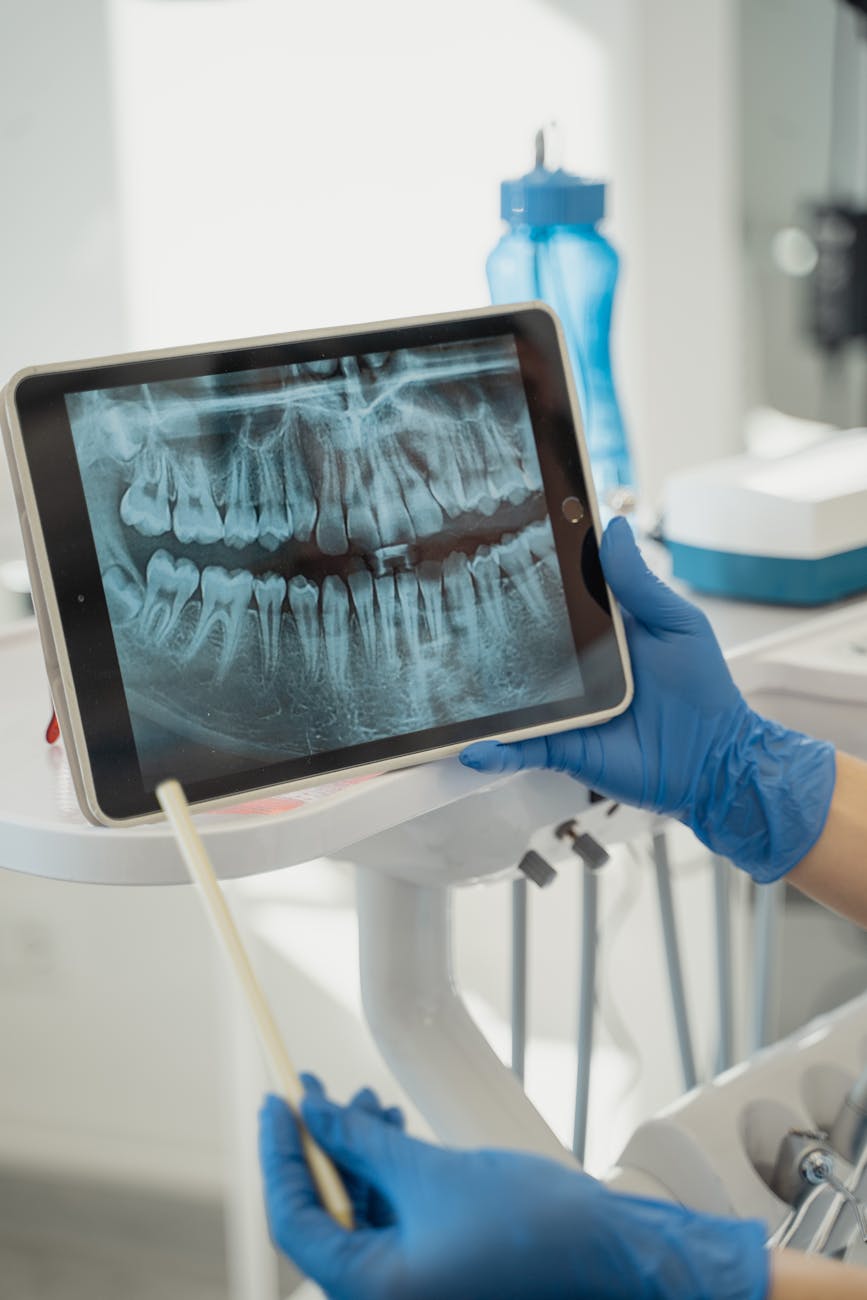
Your oral hygiene routine can be a harbinger of things to come for your overall health. Poor dental and at-home care may lead to bacteria from your mouth entering your bloodstream. Studies have shown that poor oral hygiene may contribute to a range of health problems that may include dementia, inflammation of blood vessels, and heart problems.
Beyond those potentially scary diagnoses, uncared-for teeth are problematic in and of themselves. Bleeding gums, bad breath, and painful cavities can affect your quality of life and confidence levels. Avoid these preventable issues by adopting good oral hygiene practices that include brushing teeth in the morning and evening (and after every meal if you can). Floss after meals, but especially before bed, use mouthwash, and use a water flosser, too.
Watch this short video to learn how to use a Waterpik and check out her credentials online.
Your mouth is the gateway to your body—and poor dental care can lead to more than just cavities.
To protect your health and your smile:
- Brush at least twice daily (after every meal if possible).
- Floss after meals, especially before bed.
- Use mouthwash to reduce bacteria.
- Consider adding a water flosser for extra cleaning power.
Good oral hygiene not only prevents pain, bad breath, and gum disease but also safeguards your overall health.

4. Get Enough Quality Rest Every Night
Sleep is elusive for many people, but it’s essential to get enough high-quality sleep every night. Your body and mind need time to repair, heal, and reset.
Tips to protect your health through better sleep:
- Go to bed and wake up at consistent times. Find a time that allows you to get at least seven hours of sleep each night and fits with your family’s schedule to avoid retreating into your room too early, only to be interrupted every night.
- Limit screen time an hour before bed to reduce blue light exposure. Practice good sleep hygiene by putting your phone away. If using emergency alert information or your alarm clock, keep it on your nightstand facing down. Silence all unnecessary notifications to avoid pings and vibrations. Stop using your phone or other devices that emit blue light an hour before bedtime.
- Keep your bedroom cool, dark, and quiet. Find the optimal sleeping temperature for you. This number will generally be cooler than what you might find comfortable during the day, so you do not wake up hot or sweaty during the night.
- Use blackout curtains. Create a dark environment in your bedroom. Close your blinds or curtains and install blackout shades if necessary.
- Silence unnecessary phone notifications. Set your alarm to a reasonable and consistent time to wake up each morning, even on the weekends. This way, your body will slowly acclimate to that time, and it will become easier to wake up.
Quality rest is one of the most overlooked aspects of wellness. Without it, your body can’t repair, your mind can’t recharge, and your immune system weakens. A restful night sets the tone for a healthier, more productive day.

Additional Ways to Protect Your Health
In addition to healthy hygiene and proper sleep, there are other habits that can strengthen your resilience and help you stay well.
- Stay Up to Date on Preventive Care: Annual checkups, recommended screenings, and vaccinations help catch issues early and prevent illnesses before they become serious. Prevention is often more effective—and less stressful—than treatment.
- Prioritize Mental Health: Your emotional well-being directly impacts your physical health. Practices like mindfulness, journaling, meditation, and therapy can help you manage stress and process emotions in a healthy way.
- Support Your Immune System: Good hygiene—such as frequent handwashing, disinfecting high-touch surfaces, and avoiding close contact with sick individuals—reduces your risk of infections. Supplements like vitamin D, zinc, and probiotics may also help, but consult your healthcare provider first.
- Limit Exposure to Toxins: Avoid smoking and excessive alcohol consumption, and try to reduce exposure to environmental toxins like pesticides, harsh cleaning chemicals, and polluted air. Switching to natural or low-VOC products can make a difference.
- Prioritize Diet and Exercise: Take morning walks in crisp air for mood and energy. Strength train 2–3x per week to maintain muscle in colder months. Try seasonal activities like hiking, apple picking, and raking leaves. Eat regular, healthy meals.
- Stay Hydrated: Water supports every system in your body. Aim for 8–10 cups daily, adjusting for activity level, climate, and personal needs.

Final Thoughts: Take Action to Protect Your Health
Taking care of yourself is essential so you can enjoy the world around you and be productive and happy. Whether you’re recovering from an accident, navigating the flood of online health advice, maintaining good oral hygiene, or prioritizing better sleep, the steps you take today can safeguard your well-being for years to come. Protect your health by being proactive, informed, and consistent in your self-care routines. Become a discerning consumer of information so you can discern nonsense from helpful advice.
Your health is your most valuable asset—invest in it daily, so you can keep living life to its fullest.

Subscribe
More ideas to protect your health . . .
- How to Grow a Medicinal Tea Garden (Plus over 40 Plants!)
- Why Stress is Sabotaging Your Hair Health
- The Ultimate Guide to Yoga, Healing, and Tools to Support Your Journey
- Use Your Phone to Sleep Better: 3 Effective Tips
- Wellness Careers For People Who Love Health
- What to Do If You’re Injured Through No Fault of Your Own
- How To React When Health Issues Threaten Your Finances
- Why a Lazy Day is Good for Your Health
- How Short, Regular Breaks Can Boost Your Self Care Routine
- Fracture vs Sprain: Do You Have Broken A Bone?
- From Weekend Warrior to Wellness Pro: Making Detox a Regular Part of Your Routine
- How to Modernize Your Dental Practice in 2025: Tech, Decor, & Marketing Tips
- 100% Pure Plant Based Skincare Routine for Morning and Evening
- How to Boost Self Confidence
- Relaxation: The Secret to Productivity and Health
- How to Grow a Medicinal Tea Garden (Plus over 40 Plants!)
- Finding Calm: Simple Strategies to Manage Stress and Anxiety This Spring
- How to Combat Pollen and Indoor Allergies
- Relaxing Hobbies to Add Zen to Your Life
- The Best Strategies For Dealing With Loss
- Hygge Home Design Ideas to Feed Your Mental Health
- Planning a Survival Garden for Food and Medicine
Share this Post on Social Media!
For more inspiration follow my Pinterest Board: Healthy Mind and Body.
