
Recovering from a workplace injury can be challenging, especially when trying to balance medical appointments, physical recovery, and the realities of day-to-day work. Without the right support, the process of workplace recovery can feel overwhelming and slow, leaving employees uncertain about how to manage their responsibilities while healing.
By having the right guidance, resources, and flexibility, it’s possible to make workplace recovery far smoother. Support from employers, medical professionals, and outside experts can help employees navigate their options, understand their rights, and find practical solutions that allow them to recover without feeling like they’re falling behind.

Understanding the Importance of Professional Help
Workplace injuries often require more than just medical care—they also involve navigating policies, procedures, and sometimes complex claims processes. Having experienced guidance in these situations can save time, reduce stress, and help employees make informed decisions about their recovery.
This is where companies like Work Injury Advisor can help with work-related injuries, offering advice and practical assistance that allows employees to focus on getting better rather than worrying about paperwork or procedural details. Having someone in your corner who understands both the medical and workplace aspects of recovery can make a significant difference.
Knowing Your Injury and Your Options
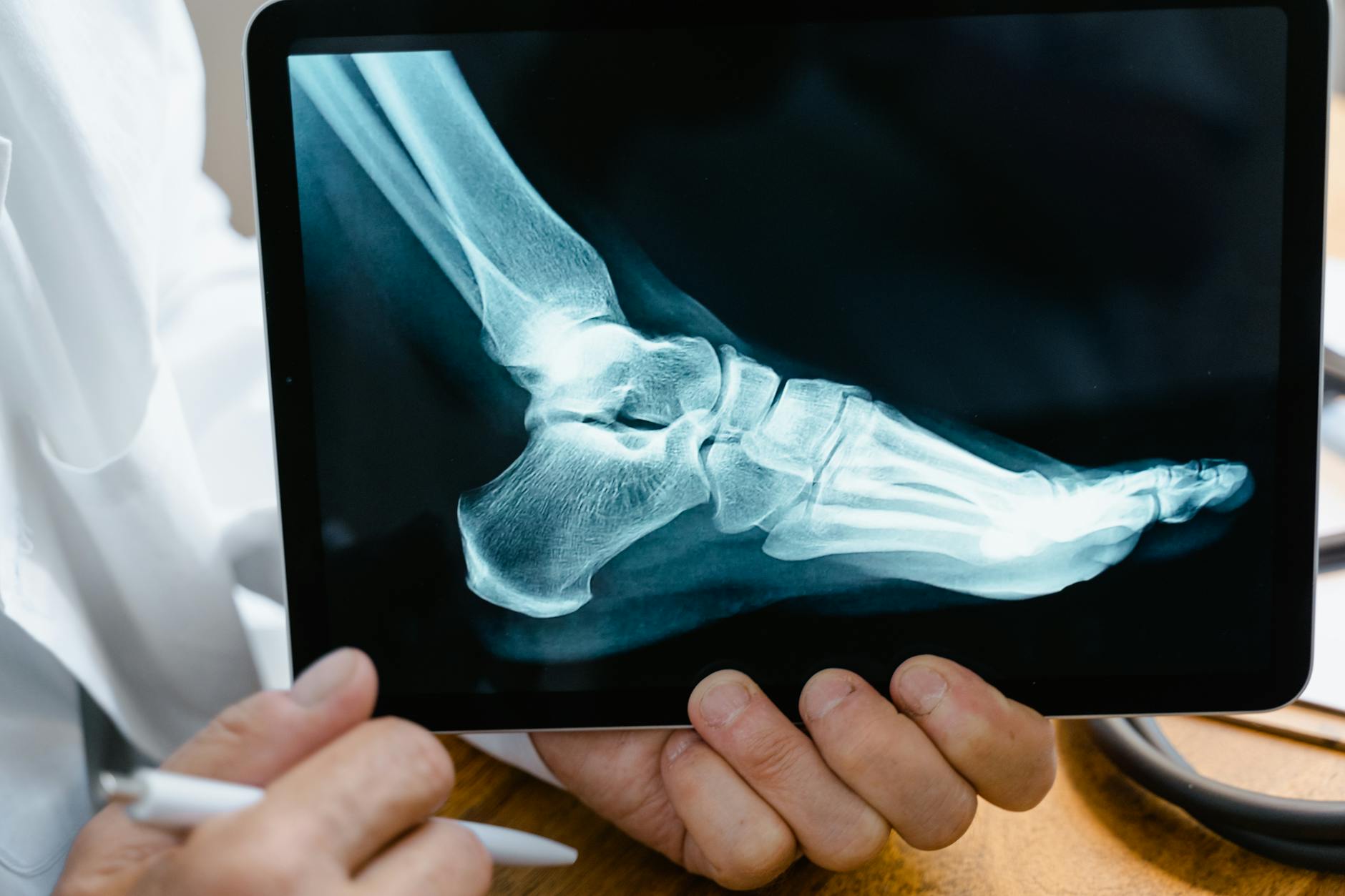
The first step toward a smooth recovery is understanding the nature of the injury and what it means for day-to-day activities. Common workplace injuries can range from mild strains to more serious issues like a fracture or a sprain, and each requires a different approach to healing.
By following medical guidance closely and communicating openly with an employer, employees can create a plan that supports their recovery while still meeting any essential work commitments. This reduces the risk of setbacks and promotes steady progress toward returning to full strength.
Adapting Your Work Routine
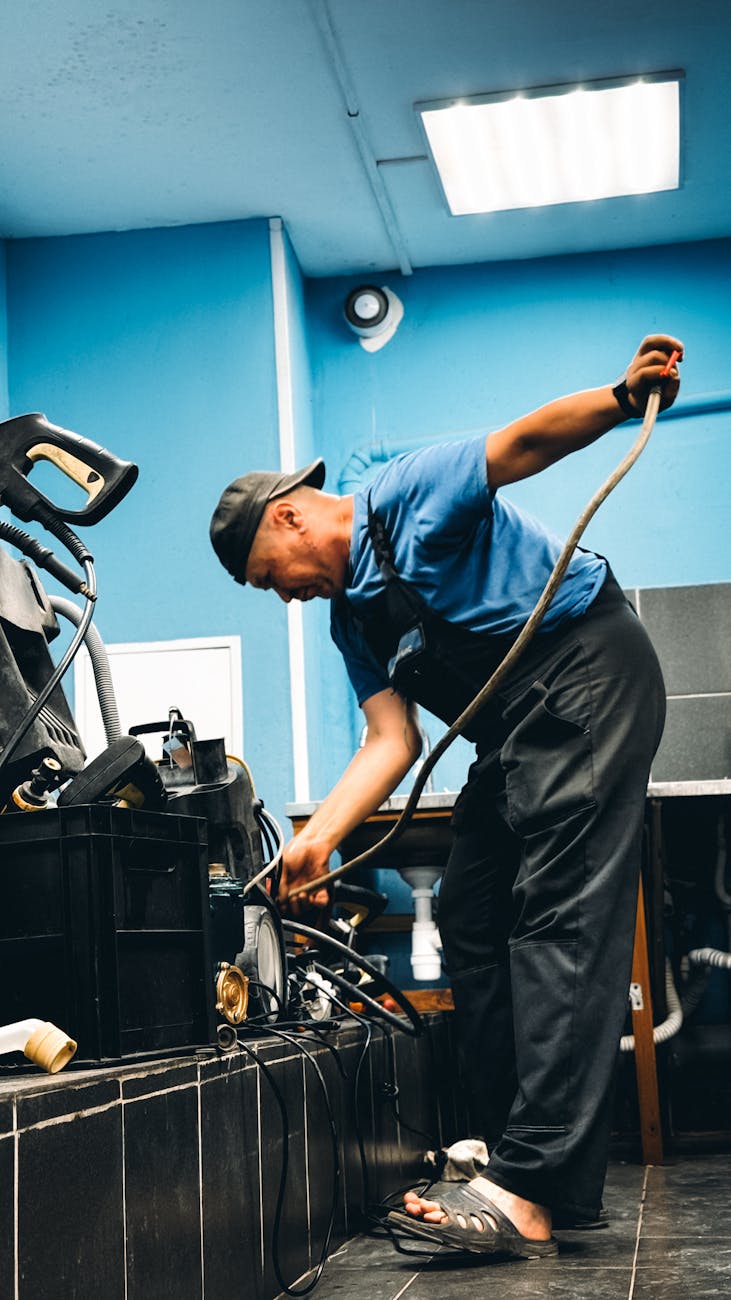
Recovery doesn’t always mean stepping away from work entirely. For some, adjusting duties or modifying their schedule can help them stay connected to their role while still allowing for adequate healing time. Open conversations with supervisors about what’s possible can lead to practical solutions.
In many cases, it may be reasonable to ask to work from home if you want to continue working during recovery. This arrangement can help maintain productivity while reducing the strain of commuting or physically demanding tasks, making it easier to balance work responsibilities with medical needs.

Building a Network of Support
Support during workplace recovery goes beyond medical professionals and legal advisors. Friends, family, and co-workers can also play a big role in creating an environment where healing is prioritized. This might mean offering practical help, emotional encouragement, or simply being understanding about temporary changes in capability.
Having multiple sources of support can help reduce stress and make the recovery process feel more manageable. It also encourages a positive mindset, which can be just as important as physical treatment when aiming for a full recovery.

Final Thoughts: Workplace Recovery
Recovering from a workplace injury is always easier when there’s strong support in place. By seeking professional guidance, adapting work routines, and building a network of encouragement, employees can heal more effectively while maintaining a connection to their work and safeguarding their long-term well-being.

Subscribe
Be sure to subscribe to the blog and follow for expert insights, real-world case studies, and tools that help exceptional entrepreneurs grow with clarity and confidence.
More Ideas for Business Success . . .
- How to Invest in Your Business for Long-Term Success
- Top 4 Business Software Tools To Keep You Organized
- The Low Down on Launching a Profitable Blog
- 3 Essential Tips to Run a Successful Business & Make a Profit
- 10 Proven Ways to Increase Your Business Visibility Online and Offline
- Avoid These Legal Compliance Dangers When Starting Your Business
- The Importance of a Small Business Emergency Fund
- Why Email Security Still Gets Overlooked (And What To Fix Today)
- Signs You’re Ready To Expand Your Business
- 6 Ways Preventative Maintenance Saves Your Business Money
- 4 Top Traits Of Exceptional Business Leaders
- Office Perks that Work for Every Generation on Your Team
- What You Need to Know Before Hiring Family Members
- When To Update Your Business Office Design
- Business Technology to Propel your Company Forward
- Collaboration: The Secret to Saving Money Without Sacrificing Quality
- 7 Crucial Features You Need For A User-Friendly Business Website
- How to Do Influencer Marketing Like a Pro: Crush the Game and Build Your Brand
- How To Build Your Trade Firm’s Online Presence
- How to Choose the Perfect Store Location for Your Retail Business
- 5 Common Legal Issues Small Business Owners Face
- 3 Reasons to Start a Coffee Cart Business
- Why Fuel Costs Are The Most Important Expense For Your Fleet Business
- Upgrade Your Zoom Meetings with an Eye-Catching Virtual Background
- Business Ownership: Tips for Starting a Construction Company
- 75+ Side Hustles for Farmers to Boost Income
- 4 Ways to Make Your Business More Accessible
- Should You Invest in a Commercial Property or Rent?
Share this Post on Social Media!
For more inspiration follow my Pinterest Board: Entrepreneurship Things Business Group Board.
