
Owning a home is one of life’s biggest milestones—and one of the smartest long-term investments you can make. While renting offers flexibility, homeownership provides stability, equity, and the freedom to create a space that truly feels like yours. For some, building your own home is the ultimate way to bring that vision to life, offering complete control over design, layout, and lifestyle from the ground up.
A mortgage can often be cheaper than paying rent, but you do need to factor in the initial costs of buying a home, as well as the stress that can come with it. For some, purchasing land and designing a home tailored to their lifestyle can be a dream come true. For others, it can be a costly, time-consuming endeavor. So, is building your own home a good idea? Let’s break down the pros, cons, and key steps to help you decide.
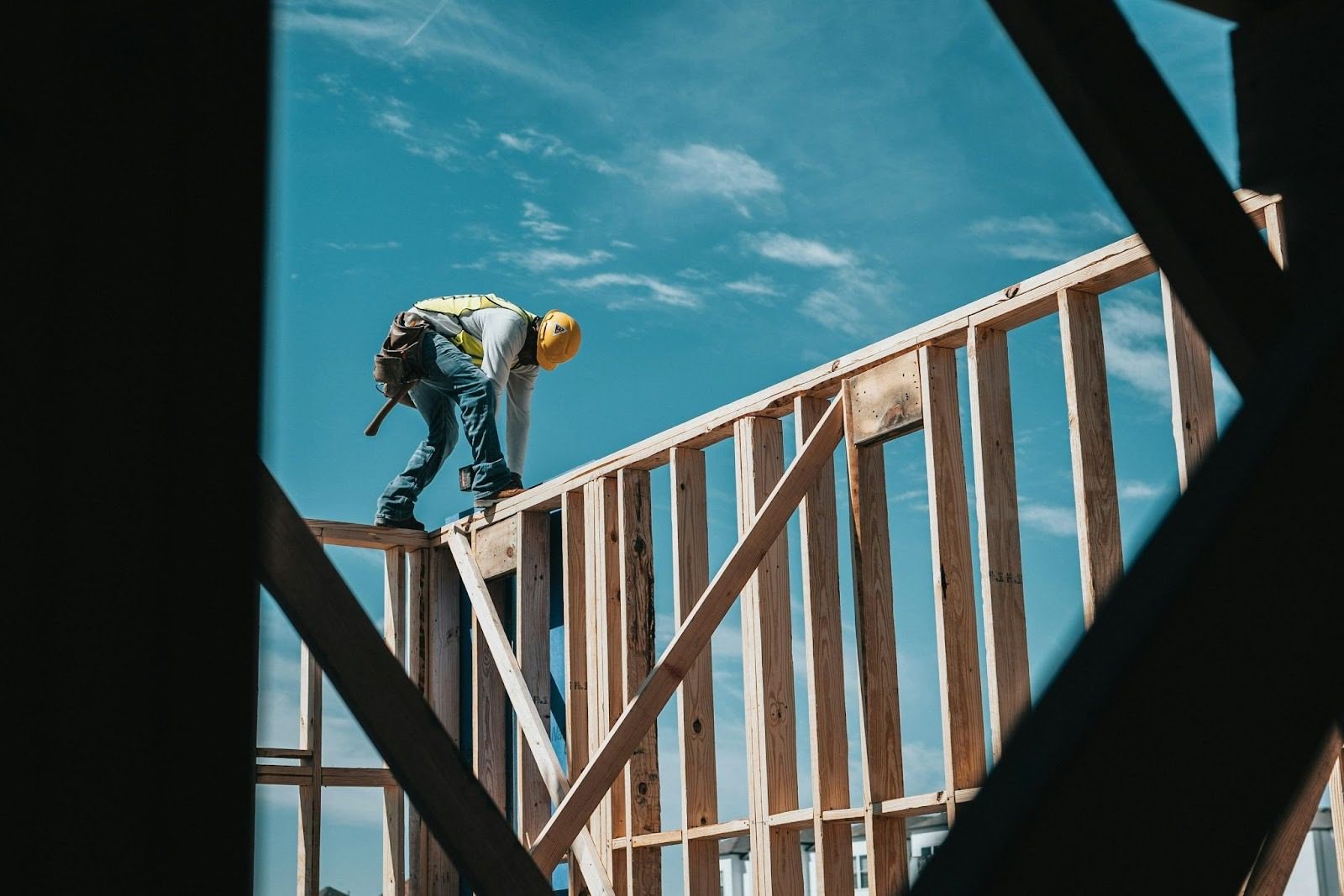
The Benefits of Building Your Own Home
While building your own home takes careful planning, it also comes with major advantages that existing properties can’t always match. For many homeowners, the benefits extend far beyond aesthetics—they include financial flexibility, energy efficiency, and the satisfaction of creating something uniquely personal.
1. Total Customization
When you build from the ground up, you’re not compromising on someone else’s design. You can tailor the floor plan, materials, finishes, and features to fit your lifestyle perfectly—whether that means an open-concept kitchen for entertaining, a home office with natural light, or an energy-efficient mudroom for a growing family.
2. New Construction Means Lower Maintenance
Older homes often come with hidden repairs—outdated wiring, aging roofs, or inefficient HVAC systems. A new build gives you modern systems, warranties, and years of worry-free living. That means fewer unexpected expenses and a more predictable household budget.
3. Energy Efficiency and Modern Technology
Building your own home today allows you to integrate the latest in sustainable materials, smart-home systems, and high-efficiency appliances. Better insulation, energy-efficient windows, and solar-ready designs can reduce your utility costs dramatically and increase long-term property value.
4. Better Return on Investment
New homes typically appraise higher and appreciate faster than older properties with deferred maintenance. Plus, when you build wisely—choosing a desirable location and functional layout—you create built-in equity from day one.
5. Healthier Living Environment
Building your own home means you can choose non-toxic paints, advanced air filtration systems, and moisture-resistant materials that improve indoor air quality. For families with allergies or sensitivities, this can make a meaningful difference in everyday comfort and wellness.
6. Emotional and Creative Satisfaction
There’s something deeply rewarding about walking through a home that reflects your hard work and vision. Every room tells a story you helped write. For many homeowners, that sense of pride and ownership makes the process—and every decision along the way—worth it.
Learn more about Why Building Your Own Home Is Achievable and Affordable in this article!
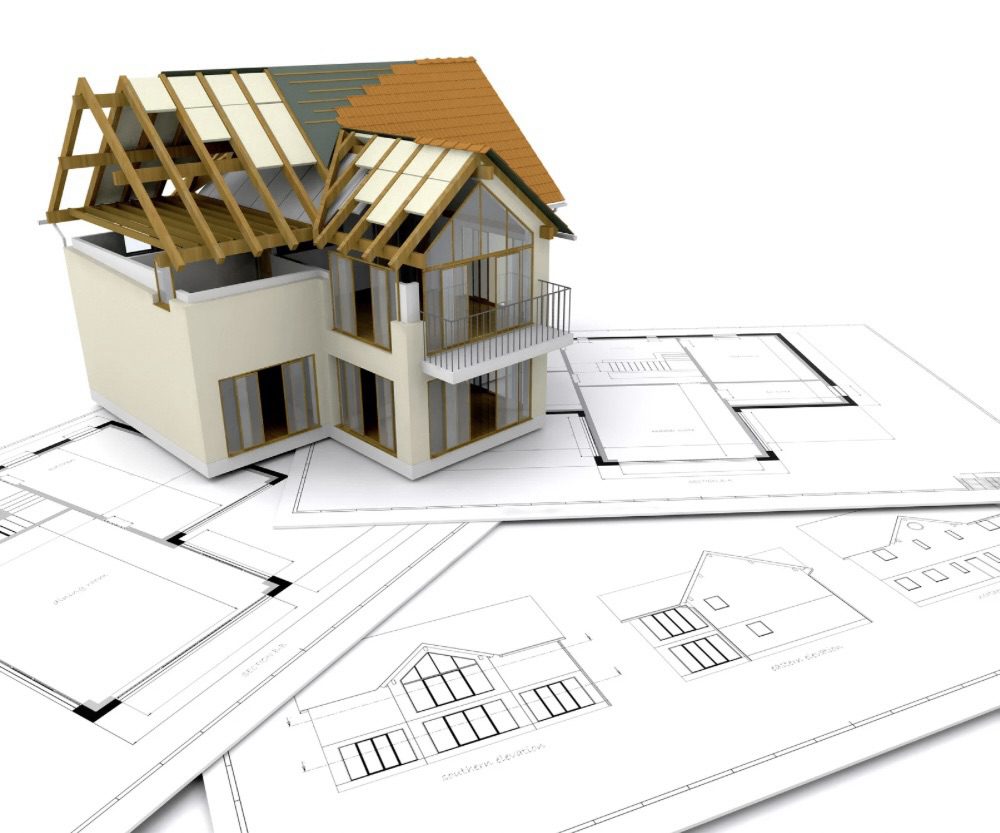
The Downsides of Building a Property
Before you dive in, it’s important to recognize that building a house isn’t for everyone. While it can be rewarding, it also comes with challenges that differ from traditional home buying.
1. Higher Upfront Costs
You’ll need to purchase land, pay for architectural and engineering plans, permits, materials, and labor. Depending on your location, you might also need to finance infrastructure such as a driveway, septic system, or well. Unlike a home purchase—where one mortgage covers everything—construction financing is typically more complex and may require multiple phases of funding.
2. Time and Stress
Even with an experienced contractor, homebuilding takes patience. Unexpected weather delays, material shortages, or design changes can easily push your timeline back by weeks or months. Managing contractors, inspections, and budgets can feel like a full-time job.
3. Decision Overload
When you build from scratch, every detail—from floor plan and roofing to light fixtures and flooring—requires a decision. For indecisive homeowners, this can be overwhelming. Without a clear vision or professional guidance, it’s easy to face “design fatigue” before your home is even complete.
Despite these challenges, building your own home can be deeply rewarding—especially if you’re strategic from the start.
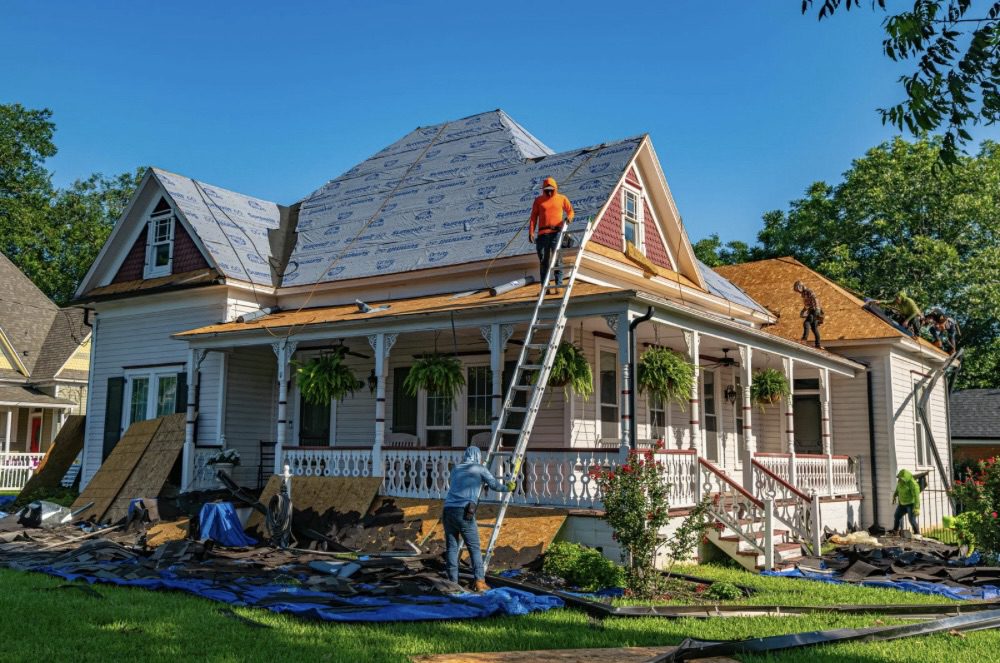
Buying the Right Land
The first step is finding the perfect plot. Unfortunately, not all land is buildable. Before you fall in love with a property, take time to evaluate its zoning, access, and utility connections.
In the USA, you need to ensure that the land is zoned appropriately for your project. You may also need planning permission for the buildings you intend to construct. Even if a property is zoned and ready to build on, you should also ensure that it’s easily accessible from the road and can be connected to utilities.
1. Zoning and Permits
Check with your local municipality to ensure the land is zoned for residential use. In some areas, zoning laws restrict the type or size of structures that can be built. You may also need special permits for driveways, wells, or septic systems.
2. Access and Infrastructure
Does the land have a legal right-of-way or road access? If not, you may face costly easement issues. Verify that electricity, water, gas, and internet can be connected. For rural lots, this can mean running utilities long distances—adding thousands to your build cost.
3. Environmental and Topographical Concerns
Soil type, elevation, and drainage can all impact construction costs. A land survey and soil test will help identify potential issues early. Avoid properties prone to flooding or heavy erosion, as these can lead to expensive foundation problems later. Also, be aware of protected areas such as wetlands, dunes, or conservation zones, where development may be restricted or require special environmental permits.
Pro Tip: Work with a real estate agent who specializes in land sales. They’ll help you navigate zoning regulations and ensure the parcel fits your intended use before you commit.
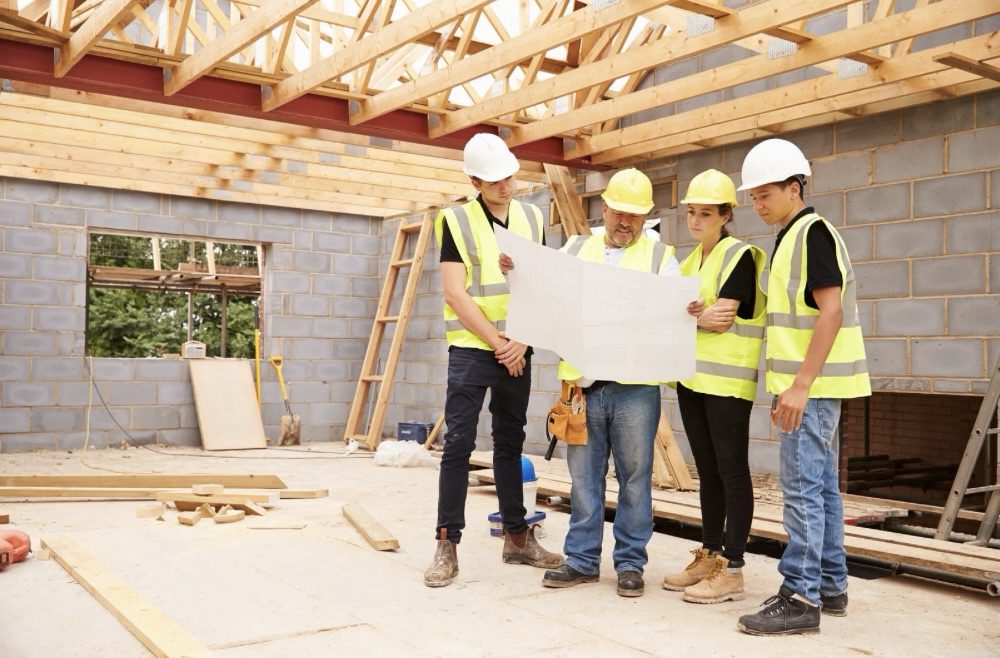
Designing Your Home
This is where the fun begins. Designing your home gives you the freedom to customize every detail—from layout and style to sustainable materials and smart-home features. This is the biggest upside to building your own home rather than buying it. You don’t need to settle for a home that you don’t love but fits your budget, or spend time and money renovating it.
If you’re not an architect, don’t worry—there are practical ways to balance creativity with cost-efficiency:
- Start with stock or semi-custom plans. Use template plans from The House Designers or HousePlans.com, which offer ready-made blueprints that can be customized to your preferences.
- Prioritize layout over luxury. A well-thought-out floor plan adds more long-term value than high-end finishes that may go out of style.
- Think about future needs. Consider your lifestyle 5–10 years from now. Will you need an extra bedroom, office, or accessibility features?
- Incorporate energy efficiency. Adding solar panels, efficient insulation, and modern HVAC systems can significantly reduce long-term costs.
Hiring a reputable builder or general contractor with experience in custom homes will ensure your design ideas translate into a durable, code-compliant structure.
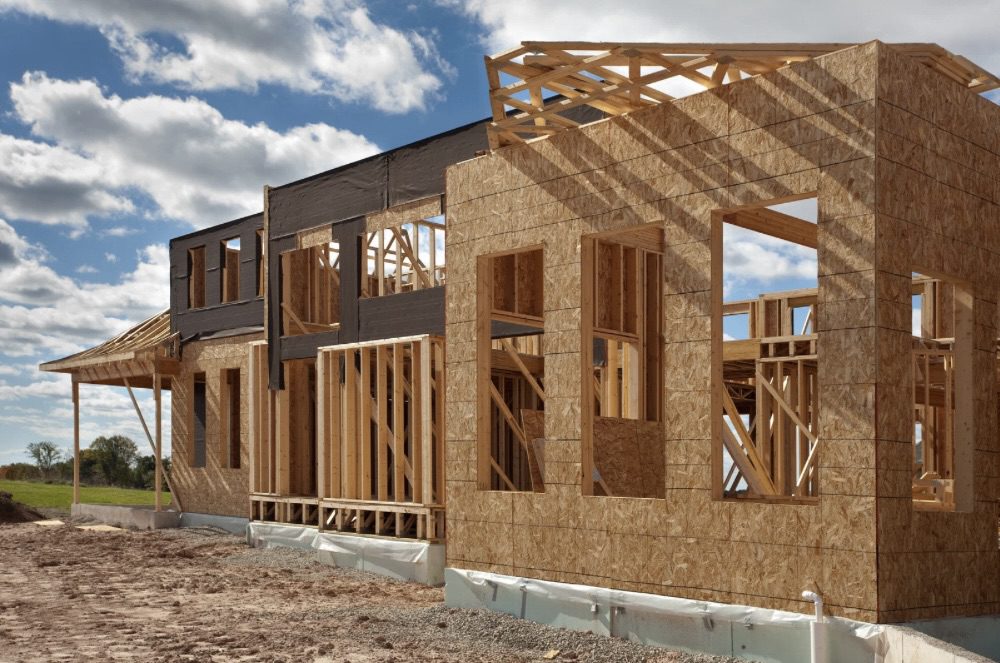
Potential Financial Benefits
Is building your own home cheaper than buying a house? Sometimes. If you add lots of high-end features, it will add up, but often, you end up paying less for the land, materials, and work combined than for a finished house.
One of the main reasons people choose to build is the potential for financial savings and equity growth.
- Lower Cost per Square Foot: In some markets, you can build for less than the price of an existing home, especially if land prices are reasonable and you act as your own general contractor.
- Built-In Equity: A new home appraises at market value, which is often higher than your total construction cost—instantly giving you equity.
- Long-Term Savings: New homes are typically more energy efficient, meaning lower utility bills and fewer maintenance costs for years to come.
- Rental Income Potential: If your plot allows for multiple dwellings, you can build a guesthouse, ADU (accessory dwelling unit), or second home to rent out for passive income.
However, always factor in hidden costs—like landscaping, permits, inspections, and property taxes—that can creep up along the way.
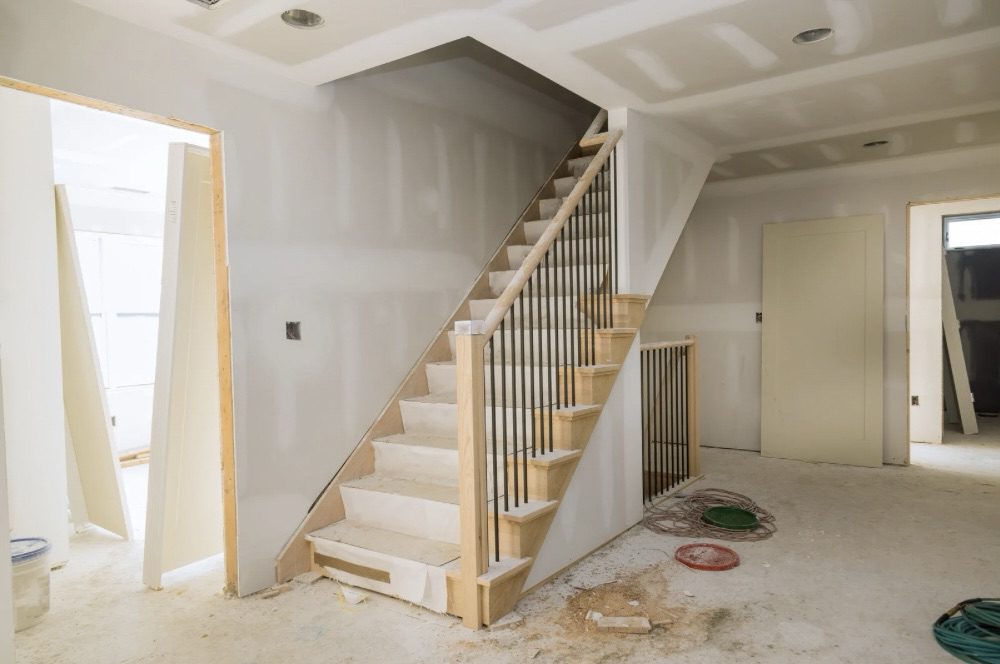
Financing a New Build
Financing new construction works differently from a traditional mortgage. You’ll likely need a construction-to-permanent loan, which funds the build in stages and then converts to a regular mortgage once the home is complete.
To improve your chances of approval:
- Prepare detailed building plans and a realistic budget.
- Work with a lender experienced in construction loans.
- Keep your credit strong and avoid taking on new debt during the process.
Some lenders also offer owner-builder loans, allowing you to act as your own general contractor—ideal for experienced tradespeople or investors looking to save on labor costs.
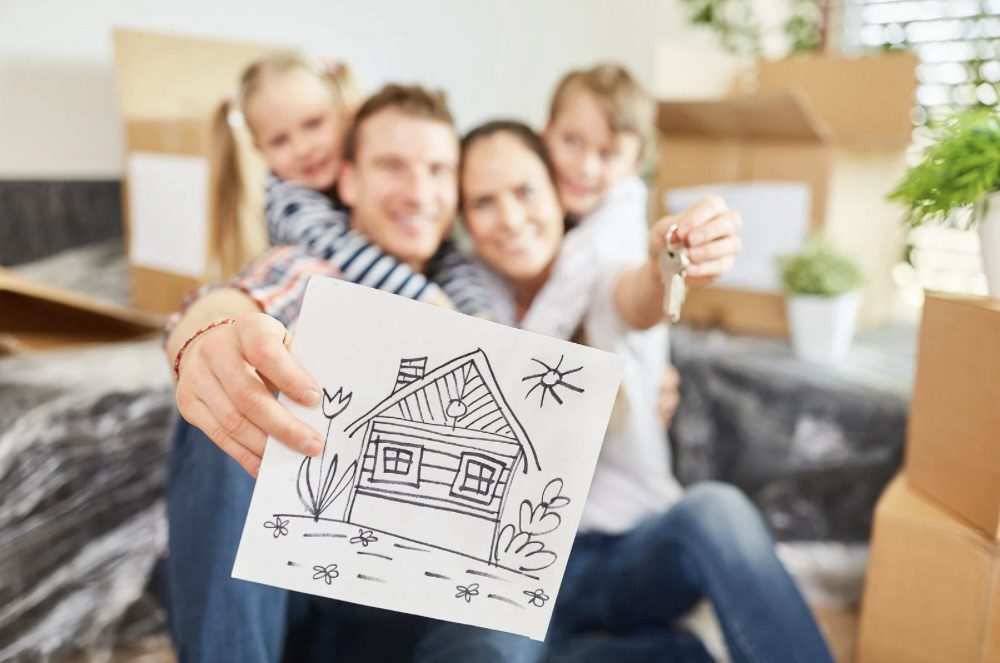
Final Thoughts on Building Your Own Home
So, is building your own home a good idea? It depends on your goals, budget, and risk tolerance. Building offers unmatched customization and potential cost savings—but it also requires patience, planning, and strong project management.
If you thrive on creativity, want a home tailored to your lifestyle, and are willing to navigate the details, the reward can be extraordinary: a one-of-a-kind space that truly feels like yours. But if you’re short on time, prefer predictability, or value location over design, buying an existing home might be the better move.
Either way, the key is to do your research, plan your finances carefully, and partner with the right professionals—from builders and lenders to real estate agents—so your dream home doesn’t become a construction nightmare.
Subscribe
Are You Considering Building Your Own Home?
I’m a licensed real estate agent in Michigan as well as a short-term rental investor and business coach! I can help you find land for a home in Michigan or connect you with a trusted agent in your state on my international real estate team.
Search for properties on my real estate website and download my free app to save your favorites!
More Ideas For Smart Real Estate Strategies!
- Top Neighborhood Features to Look for When House Hunting
- Is Moving Right for You? 3 Critical Questions
- Moving House? Here’s How to Make Things Less Stressful
- Top Tips for Finding the Perfect Place to Live
- From Curious to Confident: Your Real Estate Wealth Journey Starts Here
- Profitable Real Estate Investment Strategies: Tools, Tech, and Resources
- Secrets of Investing in True Luxury Real Estate
- 6 Real Estate Metrics All Pro Investors Track
- 6 Strategies to Sell Your Home Fast
- Home Selling Mistakes That Cost You—And How to Avoid Them
- 7 Easy Home Upgrades to Enhance Your Listing
- How to Start Real Estate Investing with Just $100
- Rethinking Your Career Path? How to Start Working in Real Estate
- What Makes a Market “Elite”: High-End Vacation Rental Investment Hubs
- Vacation Rental Interior Design Tips: Create a Space Guests Will Love (and Book Again)
- 5 Ways to Add Luxury to Your Next Vacation
- Battling Vacation Fatigue? Schedule A Wellness Day
- 3 Romantic Vacation Ideas for Couples
- Romantic Getaway Destinations to Rekindle Your Love
- Vacation Planning Tips for Stress Free Travel
- Luxurious Travel Activities to Add to Your Bucket List
- These Top Airports Are So Inviting, You’ll Want a Flight Delay
- Why a Short Term Rental is the Perfect Backup Plan
- What to Look for When Buying a Student Rental
- Landlord Diaries: Is Passive Income Ever Really Passive?
- Should You Invest in a Commercial Property or Rent?
- How to Handle a Landlord Dispute with Your Tenant
- Six Simple Steps To Stress-Free Real Estate Investing
- Top Commercial Real Estate Investment Strategies: Upgrades That Maximize ROI
- Top Neighborhood Features to Look for When House Hunting
- Buying a Home Overseas? Practical Tips for a Smart Purchase
- Eco-Friendly Home Renovations to Maximize your Sale Price
- The Biggest Mistakes Families Make when Inheriting Land
- How to Handle a Landlord Dispute with Your Tenant
Share this Post on Social Media!
For more inspiration follow my Pinterest Board: Real Estate for Agents, Owners, and Investors.
