
Herb Garden Ideas
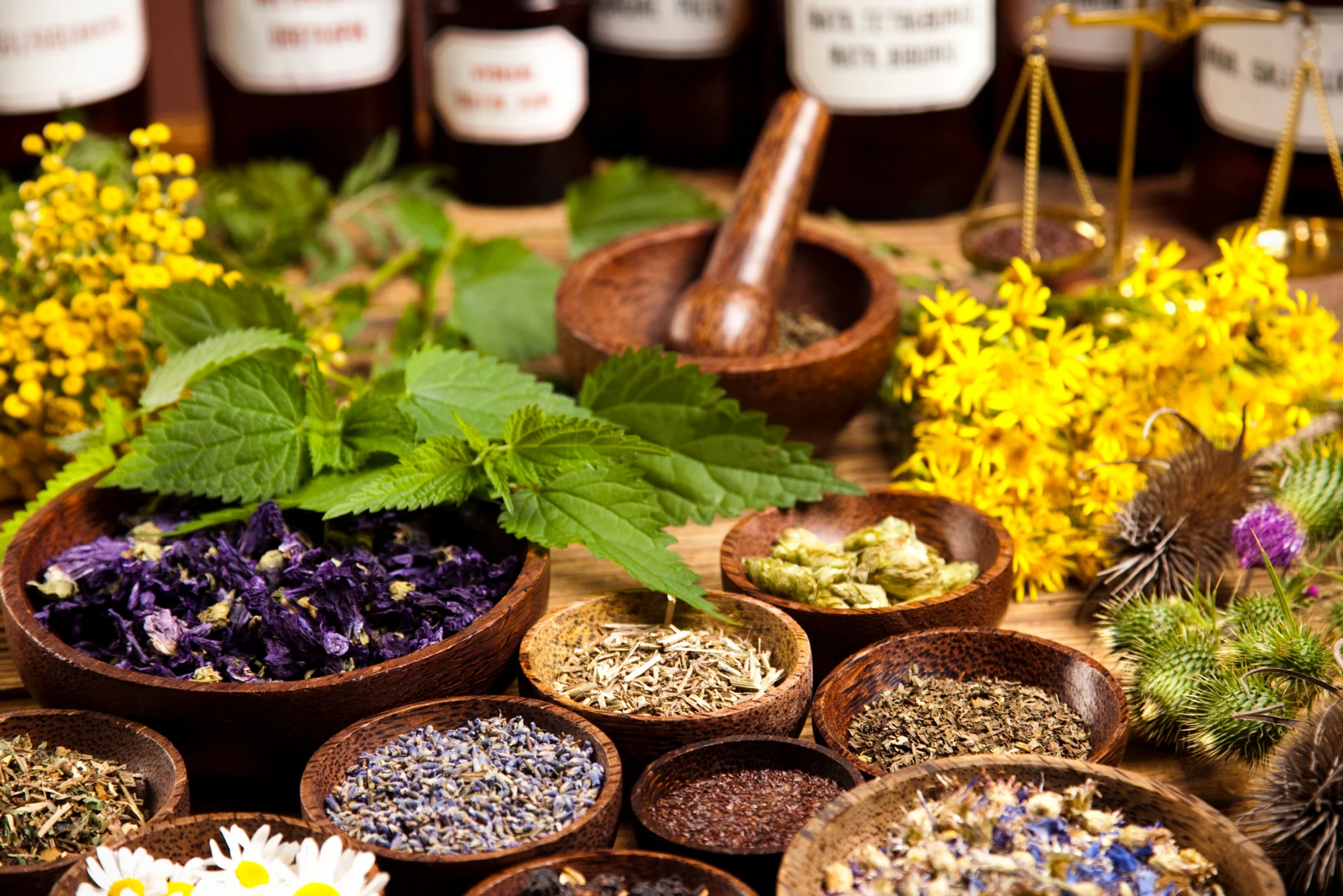
Find inspiration for your herb garden with this list of over 90 plants to grow for dried spices. Save money with an endless supply of homegrown kitchen staples.
More inspiration for your herb garden . . .
- 12 Culinary Herbs for the Flower Garden
- How to Harvest, Dry, and Cure Cilantro
- The Ultimate Guide to Planting an Herb Garden
- How to Start Seeds Indoors and Keep Them Alive!
- How to Grow a Medicinal Tea Garden (Plus over 40 Plants!)
Planning Your Herb Garden
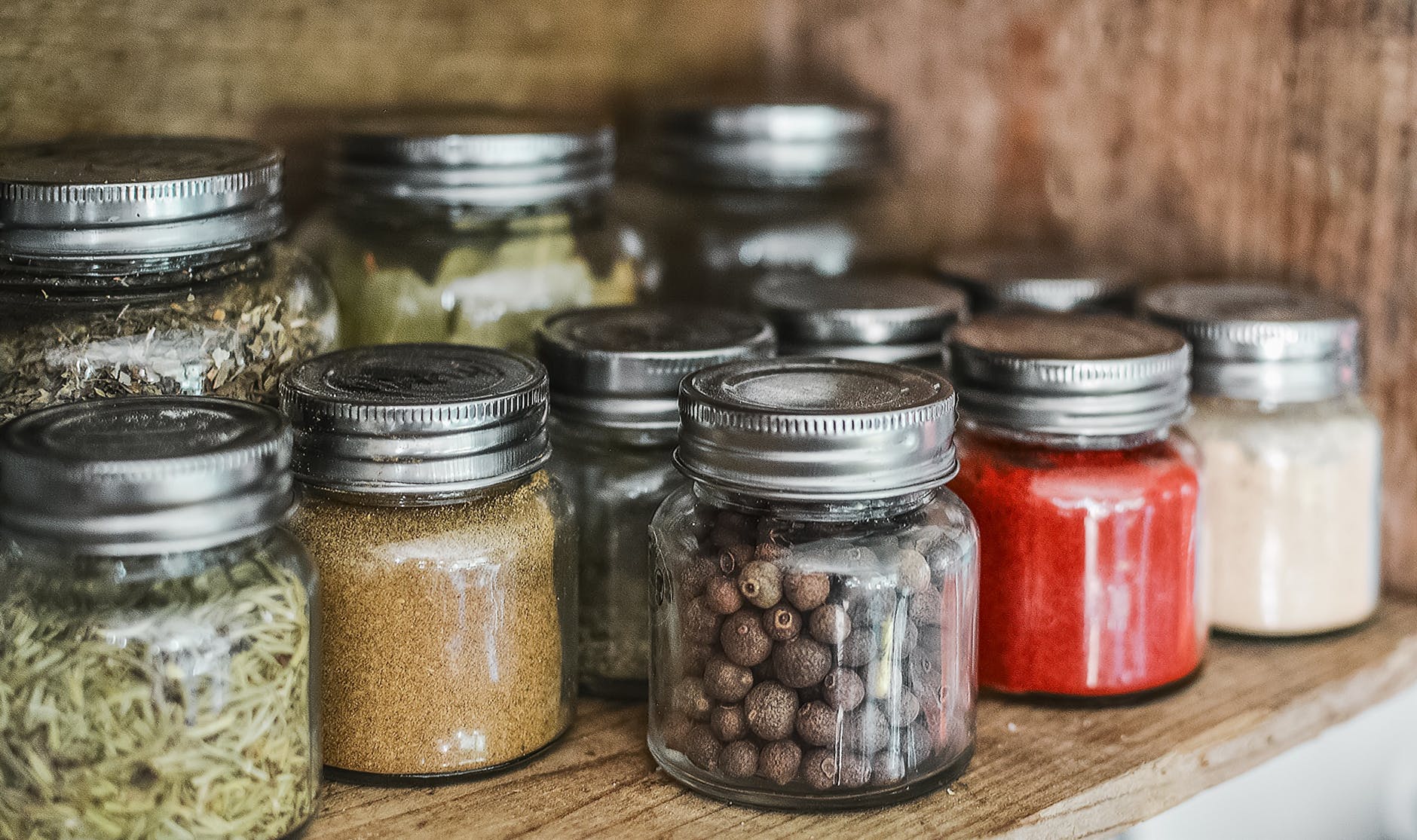
The hardest part of growing an herb garden is deciding what to grow. I typically try to grow the spices that I use the most often. I also preserve much of my garden harvest. This calls for a lot of dill, mustard seed, celery seed, and other uncommon spices. It’s important to plan for your canning recipe ingredients ahead of time.
There are so many more factors to base your decision on, such as space or light requirements. Beneficial herbs in the garden repel pests, enhance the flavor of neighboring plants, and accumulate nutrients in the soil. Learn more about permaculture principles like these to create synergy in your garden.
First, I decide what herbs you’re going to grow. Then, plan the garden by placing mutually beneficial plants together. This is called companion planting.
For a comprehensive list of perennial and reseeding herbs that will come back year after year, read this article.
Essential Cooking Herbs
Thyme – so easy to grow as it is a perennial that will live and grow for years.
Oregano – this is another perennial, but as a member of the mint family, it can be very invasive. Plants that spread like this are best in pots or raised beds.
Parsley – parsley is a biennial plant, meaning it has a two-year life cycle. It is also very cold hardy so the harvest will last even after a few frosts.
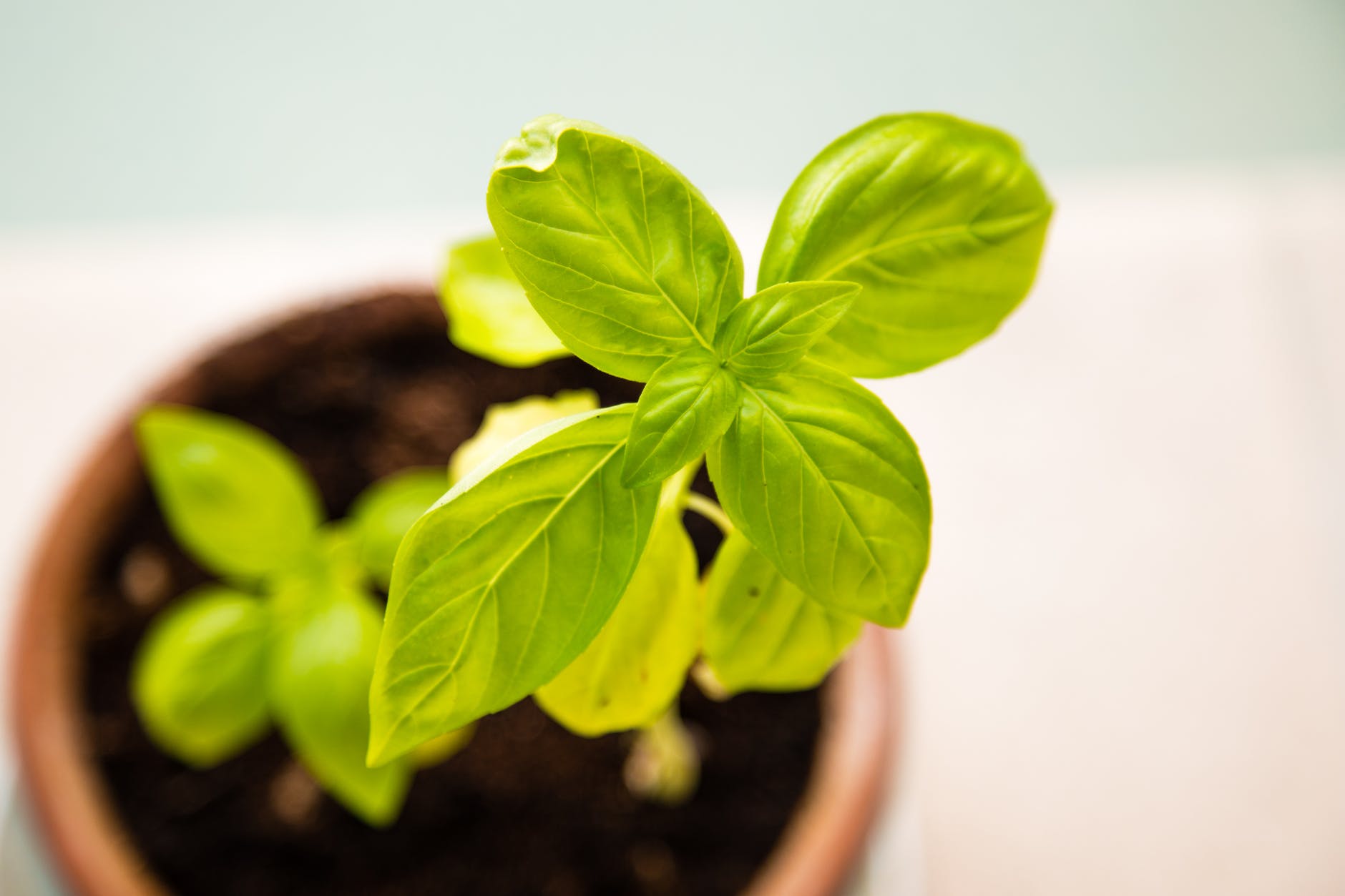
Basil – start early from seed or buy transplants. Basil needs a long growing season and is very sensitive to cold.
Rosemary – grown as an annual in colder climates, rosemary is a perennial in zones 9 & 10.
Sage – another relative to mint, this perennial is a staple for seasoning meats.
Dill – dill is a biennial. It can be directly seeded into the soil after the risk of frost has passed.
Chives – another perennial that grows in grass-like clumps. Just trim off the top when you need some for a meal.
Cilantro – succession planting will give you a continuous harvest. Cilantro goes to seed quickly if you don’t keep it pruned.
Cumin – cumin has beautiful small white flowers that produce edible seeds. These are dried and ground up to produce the cumin spice.
Mint – there are so many different varieties to choose from, just keep this contained or it will take over!
Garlic – more a veggie than an herb, but it can be dried and preserved as granules or powder.
Onion – make your own onion powder or dehydrated minced onion.
Peppers – we normally don’t think of peppers as a spice. However, cayenne powder, crushed red pepper, and paprika all come from peppers. They can all be dehydrated and crushed into powders or flakes.
Herbs for Warm Climates
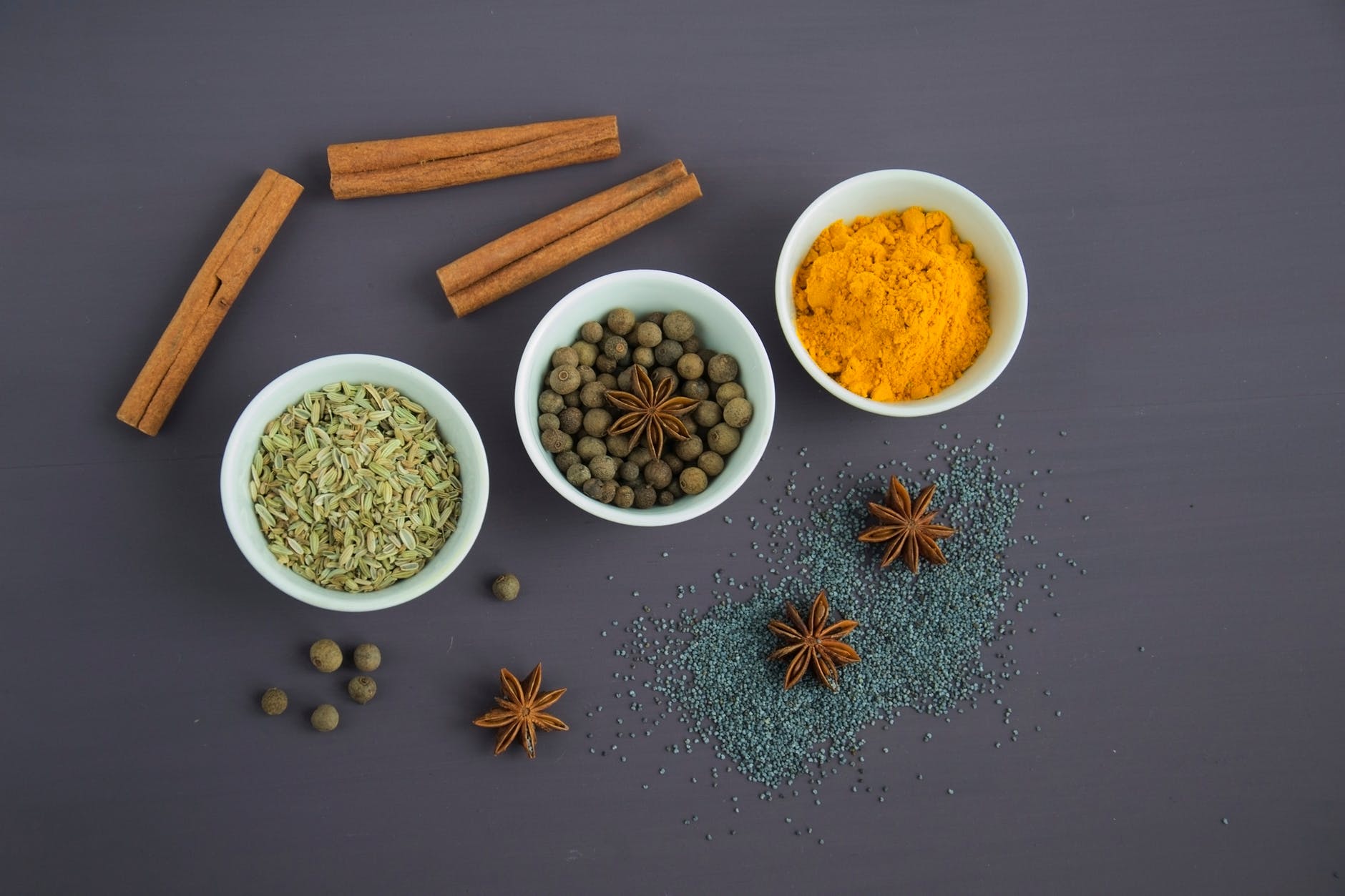
Only growers in warm climates have the option to produce these exotic spices at home. (Unless they’re lucky enough to own a greenhouse). These plants require more space than the previous herbs and work well as landscaping ornamentals.
Ginger – you can use store-bought organic ginger root and plant it directly in the soil. Just break each node off and they will each become their own plant.
Turmeric – very similar to ginger tubers and can be planted the same way.
Cinnamon – this is a small evergreen tree. The inner bark is harvested to make cinnamon sticks.
Coffee – these trees can be grown in zones 9-11.
Black Pepper – pepper is made from the dried berries of the pepper plant. Its vines can climb over 30 feet and make a great feature on a gazebo or fence.
Allspice – this is a beautiful slow-growing tree that can reach 40 feet tall. But it won’t survive any colder climates than zone 10.
Cloves – native to Indonesia, clove trees are best grown in very warm climates with plenty of rainfall.
Bay – leaves from the Bay Tree can be dried and used whole in soups, sauces, or on meats. If properly pruned, they can be used as attractive topiaries. When left to the wild, they can grow up to 50 feet.
Vanilla – vanilla is a climbing vine in the orchid family. It has beautiful flowers and can be grown in a container with a trellis.
Uncommon Herbs and Flowers
These are some lesser-known herbs that are used for specialty spices, herbal teas, and medicinal remedies. These are wonderful additions for gardeners looking to expand their apothecary cabinets!
- Stevia
- Caraway seed
- Fennel seed
- Celery seed
- Mustard seed
- Lemongrass
- Lemon Balm
- Horseradish
- Borage
- Lovage
- Chamomile
- Yarrow
- Tarragon
- Sweet Marjoram
- Feverfew
- Valerian
- Catnip
- Anise
- Hyssop
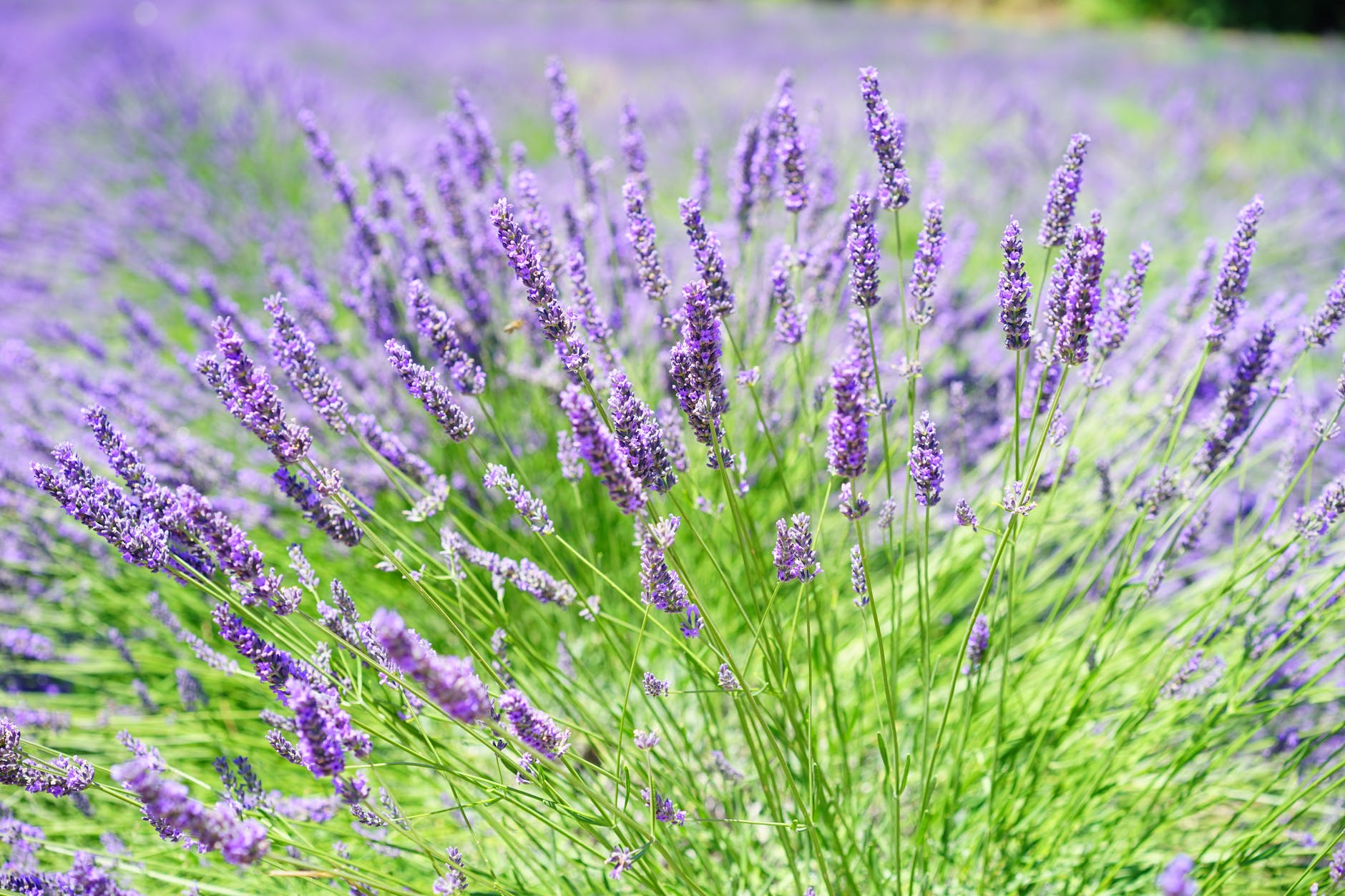
- Lavender
- Rose Hips
- Echinacea
- Marshmallow
- Angelica
- Saffron
- Self-heal
- St. John’s Wort
- Arnica
- Licorice
- Wormwood
- Winter Savory
- Summer Savory
Comment and Share!
There are hundreds of edible and medicinal herbs. Are there any other herbs I should add to my list? Comment with your tips on herb growing!
Share this Post on Social Media!
For more inspiration, follow my Pinterest Board: Apothecary, Oils, and Herbs.

17 thoughts on “90 Unique Spices to Grow in Your Herb Garden”