
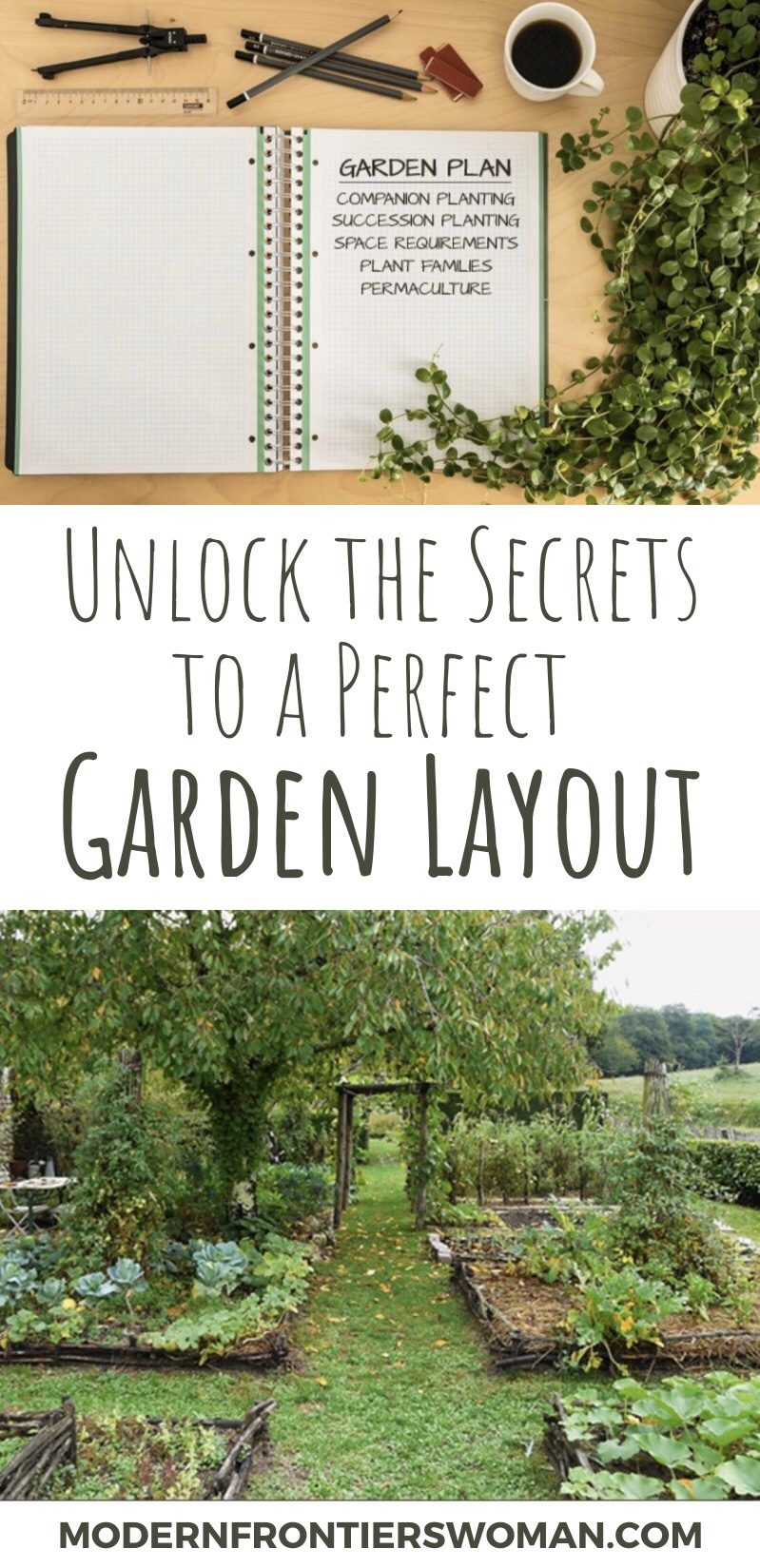
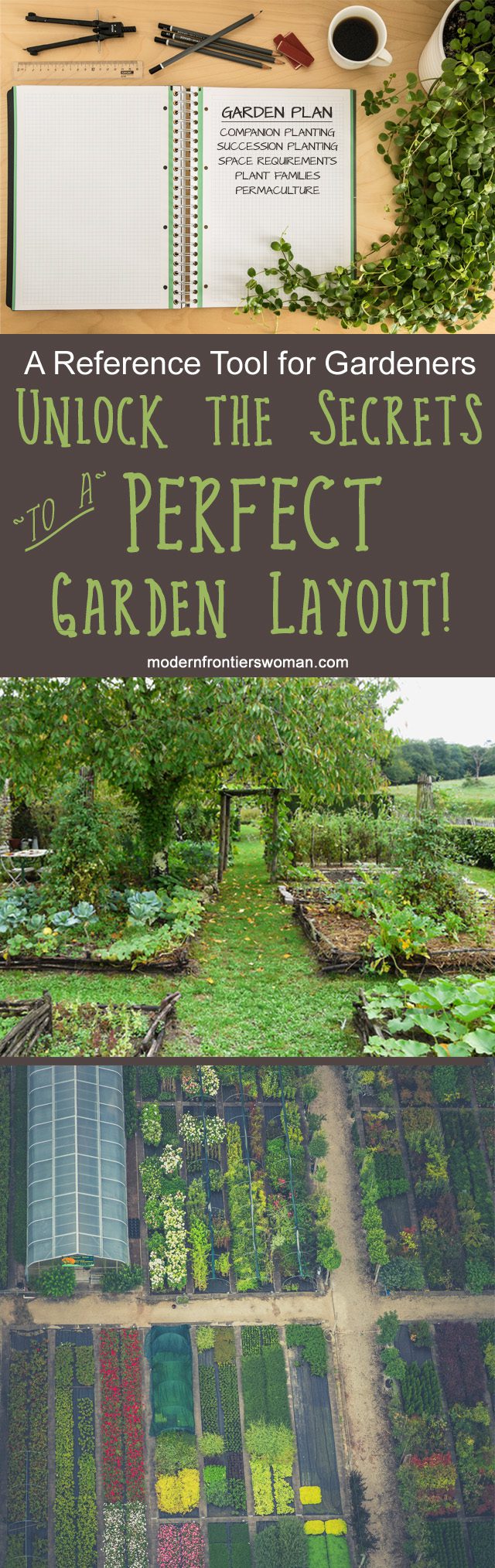
Ever wonder how expert gardeners know how to layout their vegetable gardens? Here’s your guide to companion planting, succession planting, taxonomy, and growing requirements for all your crops with quick references and helpful infographics. Get ready for the best garden layout and biggest harvests you’ve ever had with these secrets to a perfect garden layout!
After you finish planning your garden layout, be sure to stock up on all the essential gardening supplies you’ll need to start planting. You will also need to learn the steps to prepare your garden space, which is essential for successful growing.
You can also save seeds from your own vegetable garden to start indoors or outdoors the following spring! To learn more, check out my E-book “Saving Vegetable Seeds – a quick start guide“.
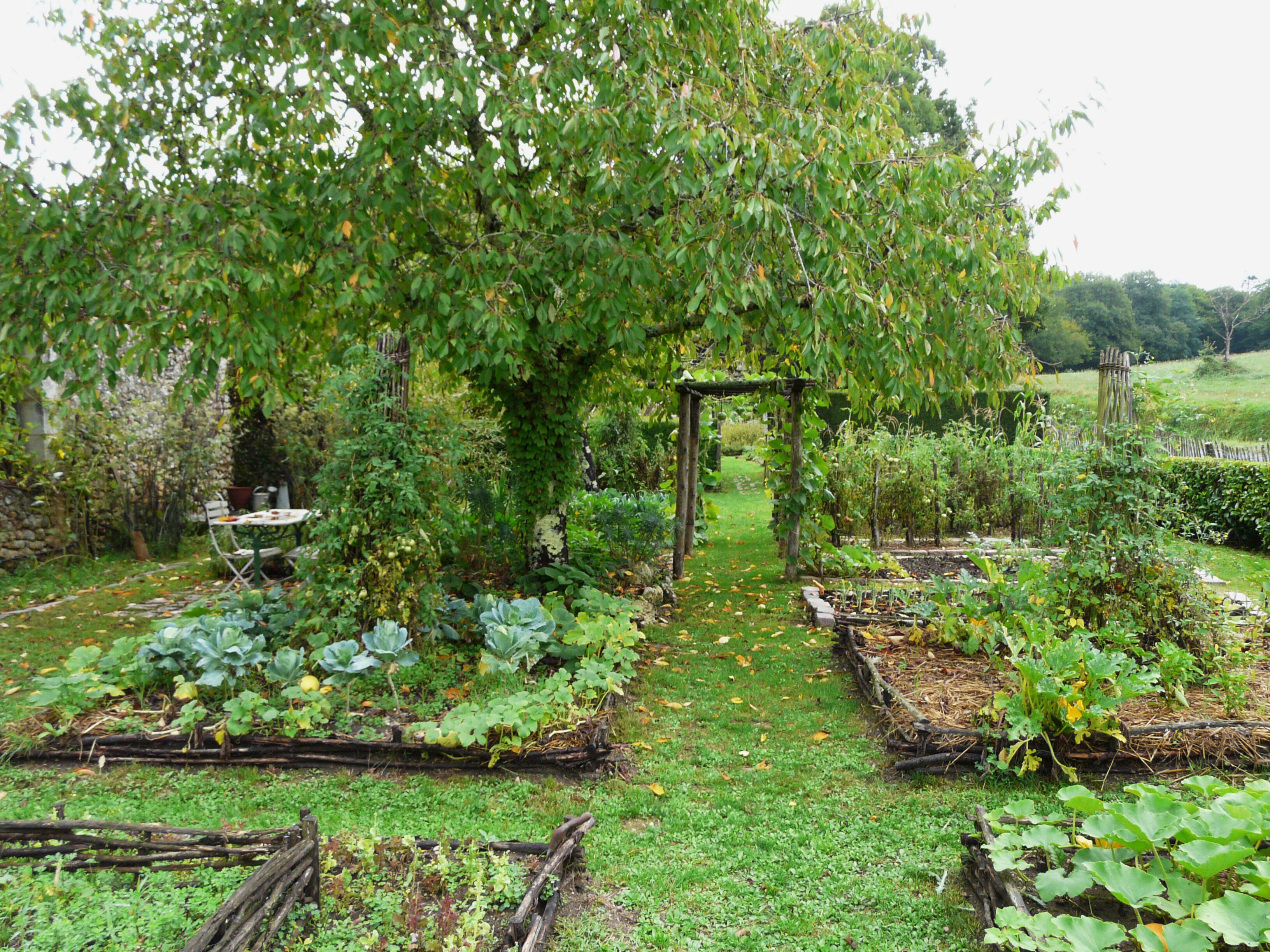
I have gotten some great feedback from my raised bed garden design post, but one of the questions that came up was:
“I love the layouts you share on your blog, but my confusion comes from what to plant next to what . . . How much I’m allowed to grow in the certain square foot etc or how can one thing can grow in the cement blocks and not others, etc”
My answer was a ton of research! But then I thought, why not put all that information in one place to help others plan the perfect garden layout? Of course, there are entire books on this subject, but it would be nice to have a condensed version handy.
Create a Mini Ecosystem
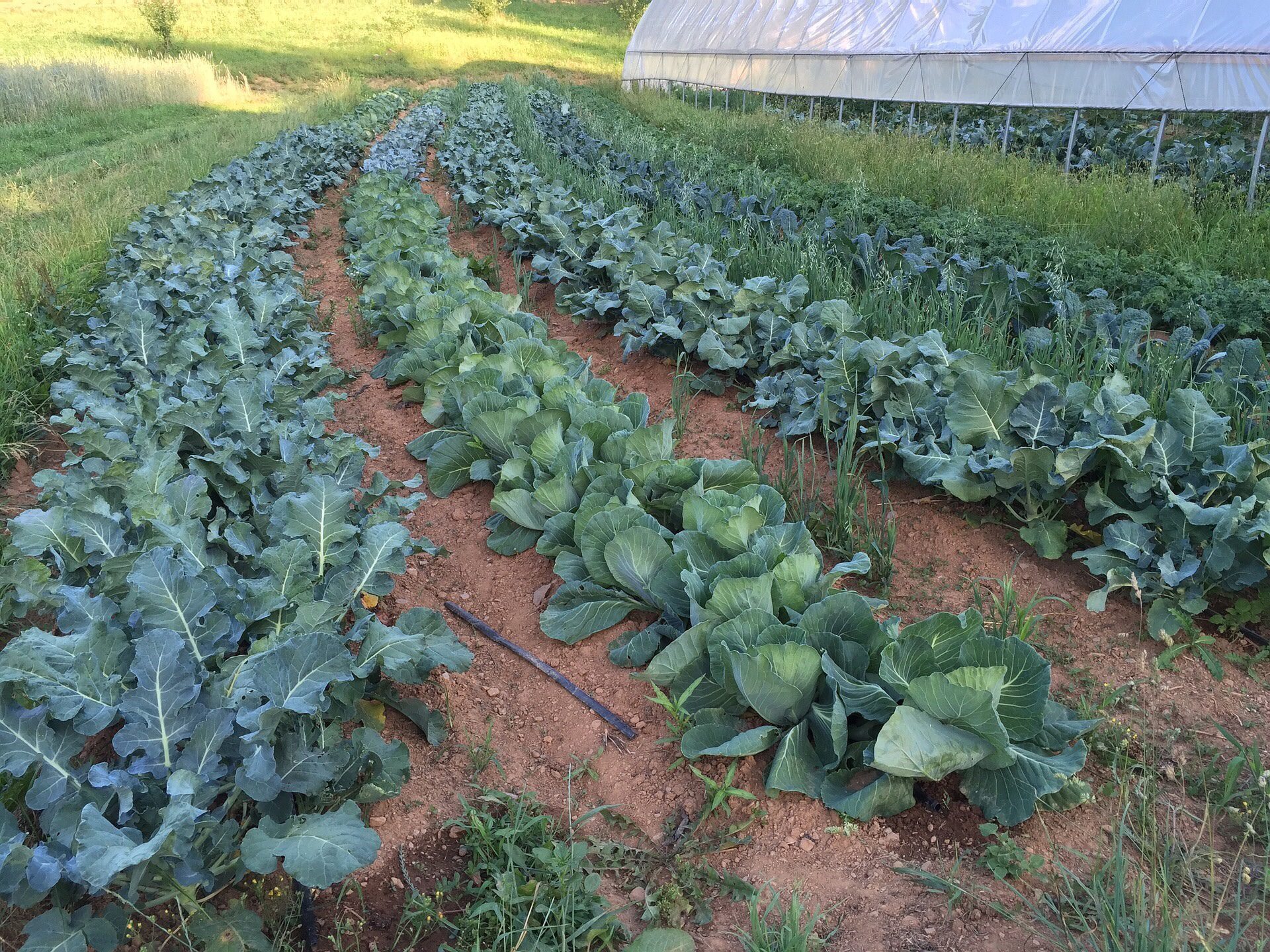
There are two main philosophies you can apply to your vegetable garden layout: Row cropping or intensive cropping.
Row cropping is typically used in large gardens or commercial agriculture. Plants are spaced evenly in long rows with walking paths in between each row. This makes it easy to use mechanical farming equipment for planting, weeding, and harvesting.
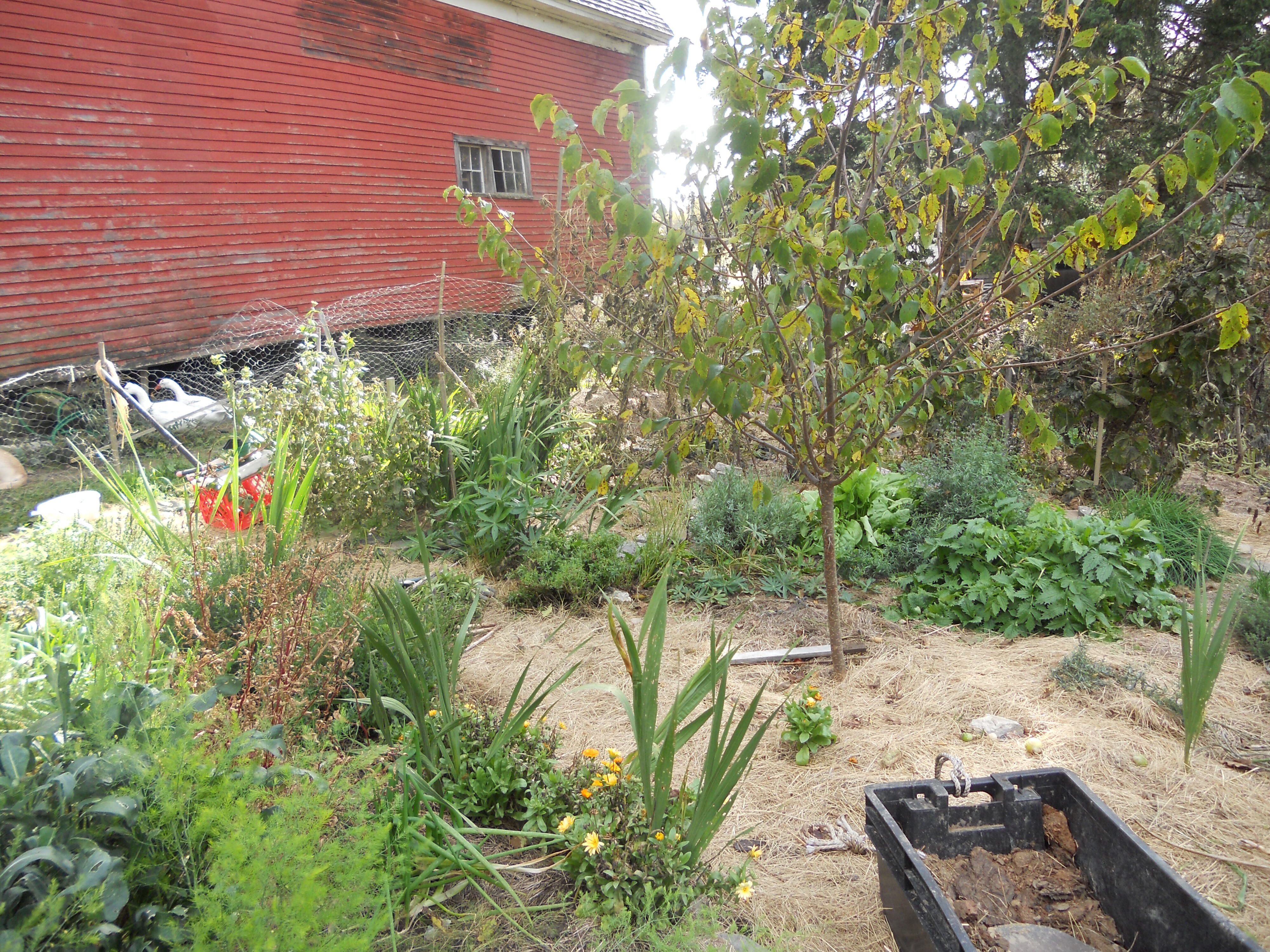
I personally believe that intensive cropping is the most productive gardening method. By mimicking Mother Nature, plants can be laid out in a way that benefits one another and reduces the amount of work required by the gardener. This technique works well in raised bed gardens and permaculture designs.
When to Sow and Harvest
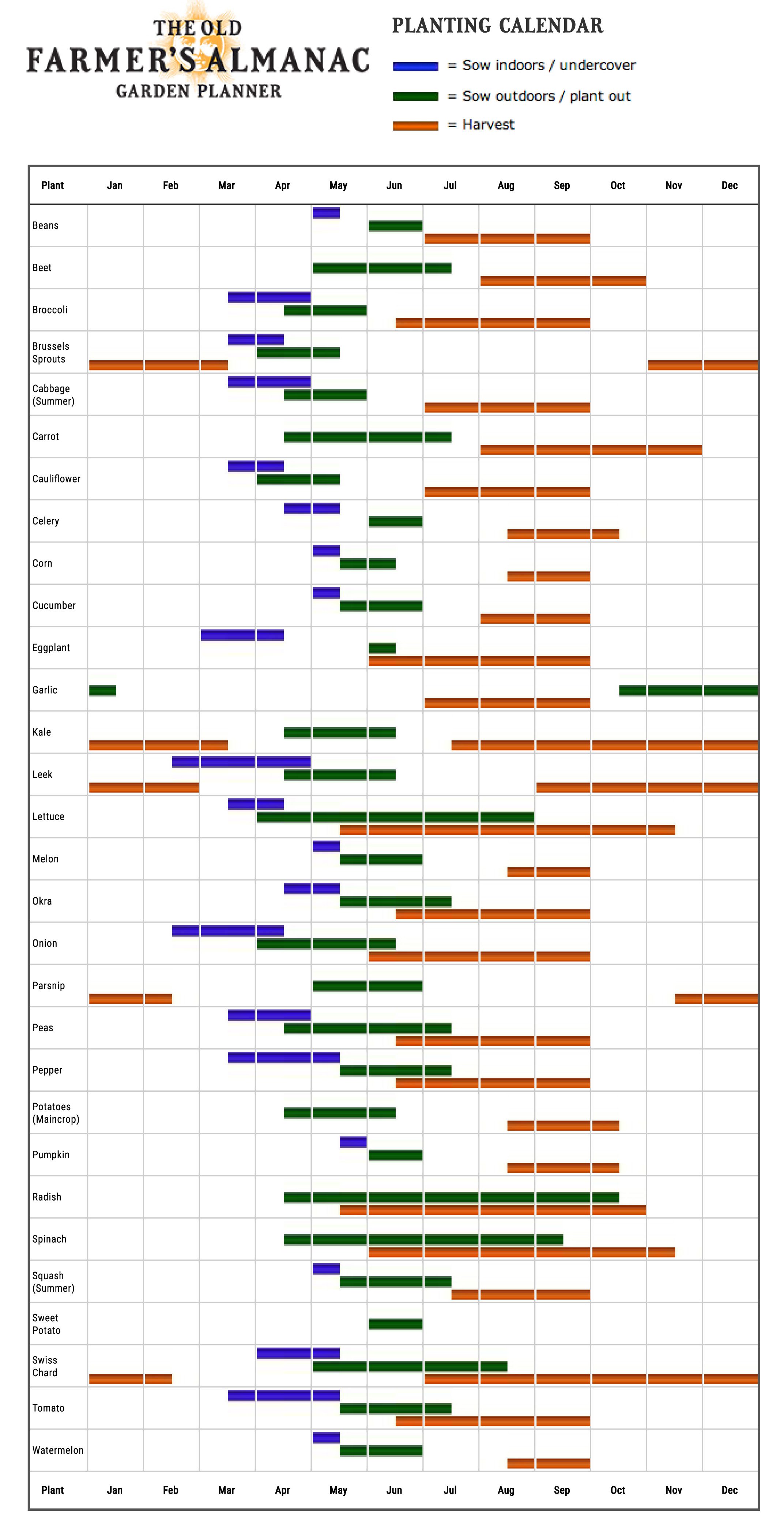
One of my favorite free gardening tools is The Old Farmer’s Almanac Planting Calculator. You enter your zip code, and it will tell you exactly when your last frost date is and when to plant each crop variety in your veggie garden. You can also create a custom schedule for your crops with my Garden Design and Planning Tool!
This is what I get when I put in my information (the dates are for zone 5b).
Companion Planting
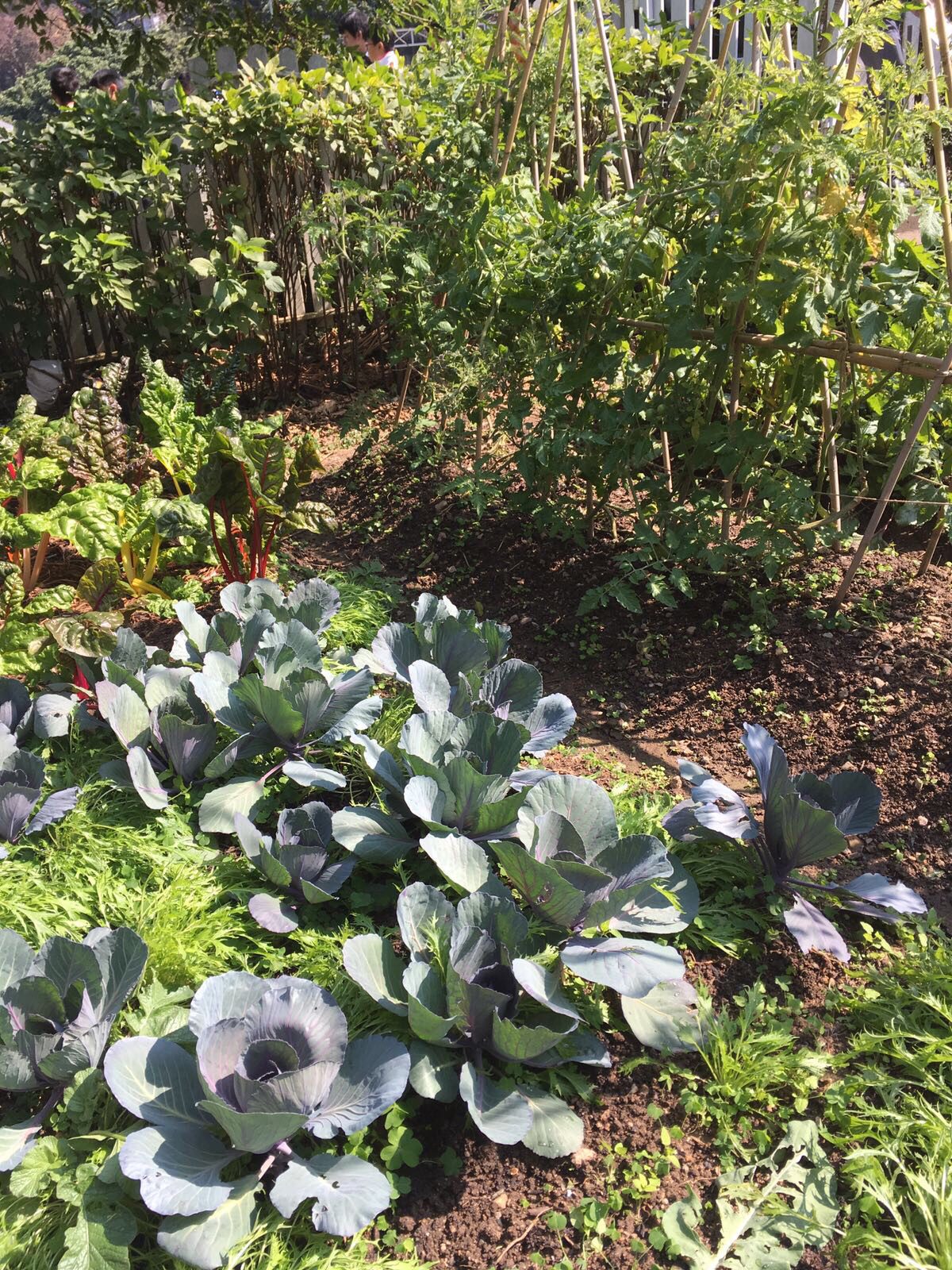
As for companion planting, you can find lists of compatible plants, but there is also an overall “trick” to figuring out what goes together. Pair plants that don’t compete with one another for space, light, or nutrients. Like a root vegetable paired with a herbaceous or vine plant. You can also consider how one plant might benefit another by providing shade/shelter, accumulating soil nutrients, attracting pollinators or repelling pests.
A great example is the 3 sisters permaculture design—corn, beans, and squash. This tradition dates back to the early development of Native American agriculture. Beans are known for pulling nitrogen up from deep in the soil, which benefits the high nutrient needs of the corn. Corn provides a trellis for the beans (or peas) to climb. The squash spreads out with thick foliage that serves as a mulch or ground cover, keeping soil moisture from evaporating in the hot sun and suppressing weeds.
Analyze Your Garden’s Challenges
Every gardener’s site contains different challenges. Depending on your area, there will be different garden pests, different soil compositions, different features to the land, such as contour and water shed, as well as differing amounts of sun and shade. There is no single solution that will fit every garden layout so before planning, you need to analyze your site. It may take an entire year to figure out what problems your garden will face, and you can’t find a solution without knowing the problem.
Repel Pests
If tomato hornworms are a problem, then pair your tomato plants up with another plant that repels them, such as marigolds or basil. Dill actually attracts wasps, which are predators for many other insects.
Attract Pollinators
By inviting pollinators like bees, butterflies, and hummingbirds into your veggie garden, you are rewarded with much larger fruits and veggies. There are many herbs and flowers that attract pollinators, such as marigold, nasturtium, sage, borage, verbena, oregano, lavender – the list goes on and on.
Accumulate Soil Nutrients
Choose plants that help build fertile soil to feed your fruits and vegetables. Some very beneficial plants in this category are: beans/peas, chamomile, lambsquarter, red clover, comfrey, and chickweed.
Provide Shade, Shelter, or Trellis
Larger plants can actually protect more vulnerable plants from wind, sun, or animals looking for a snack. Corn, amaranth, sunflowers, Jerusalem artichokes, and orach are crops that act as a living trellis when companion planted with vines.
Space Requirements
When deciding what to plant together, you can also consider how different varieties fit together. Garlic and onions are great companions to strawberries because neither competes with the other for space or light. The strong onion smell also helps hide the berries from hungry animals and other pests.
Sun, Water, and Soil pH
Celery pairs well with the cabbage family because they both have a very high demand for water. However, if celery were placed near squash plants (which like it very warm and dry) both plants would suffer from getting the wrong amount of water. The same principle can be applied for plants that need full sun or partial shade and high or low acidity in the soil.
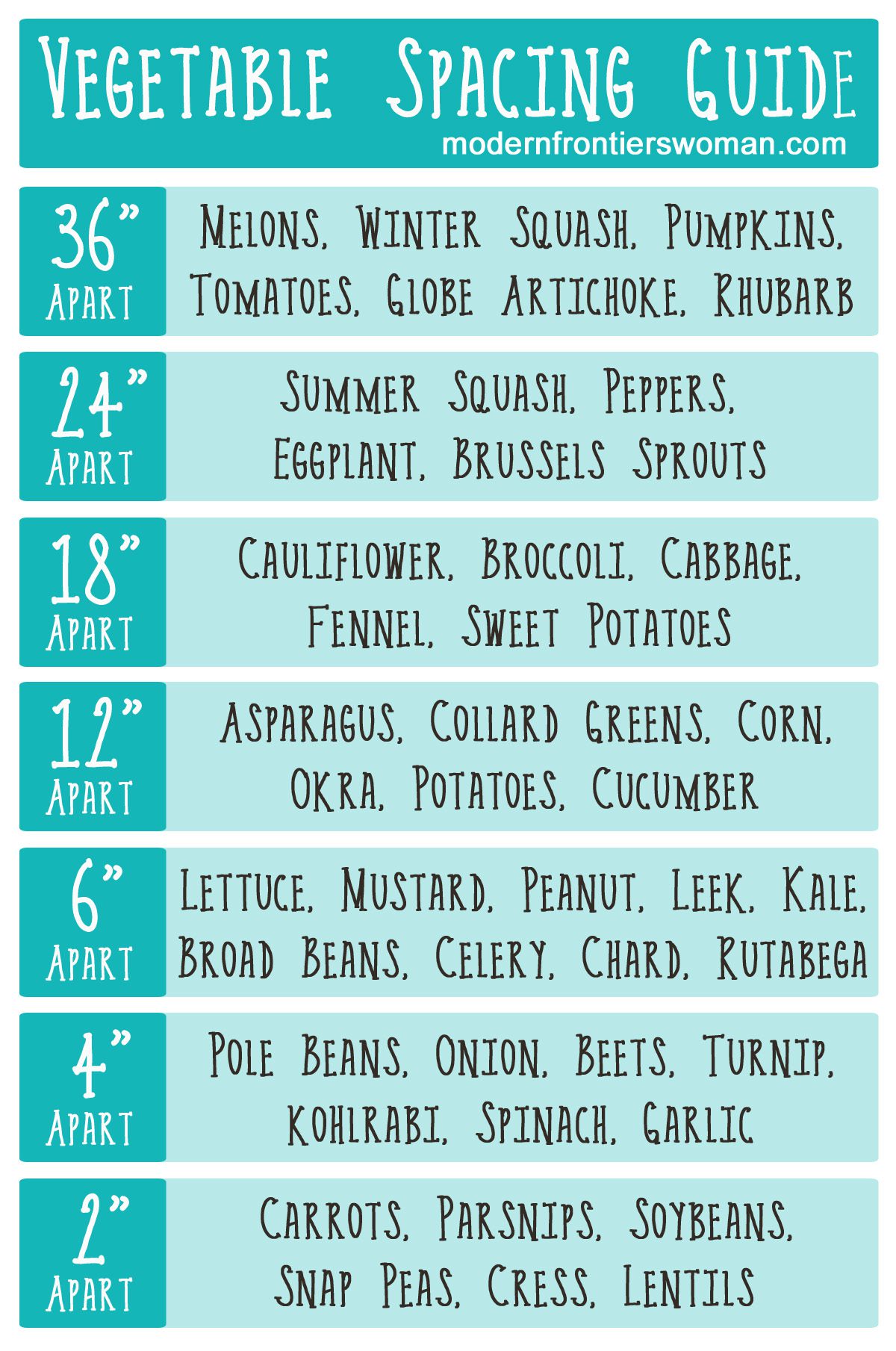
Vegetable Spacing Guide
Enjoy this quick reference tool for gardeners!
Learn Plant Families
I’m not saying every gardener should learn plant taxonomy, but knowing general plant families will help you understand companion planting in a whole new light. Instead of having to memorize each individual plant species, you can make assumptions based on the family that a particular crop belongs to.
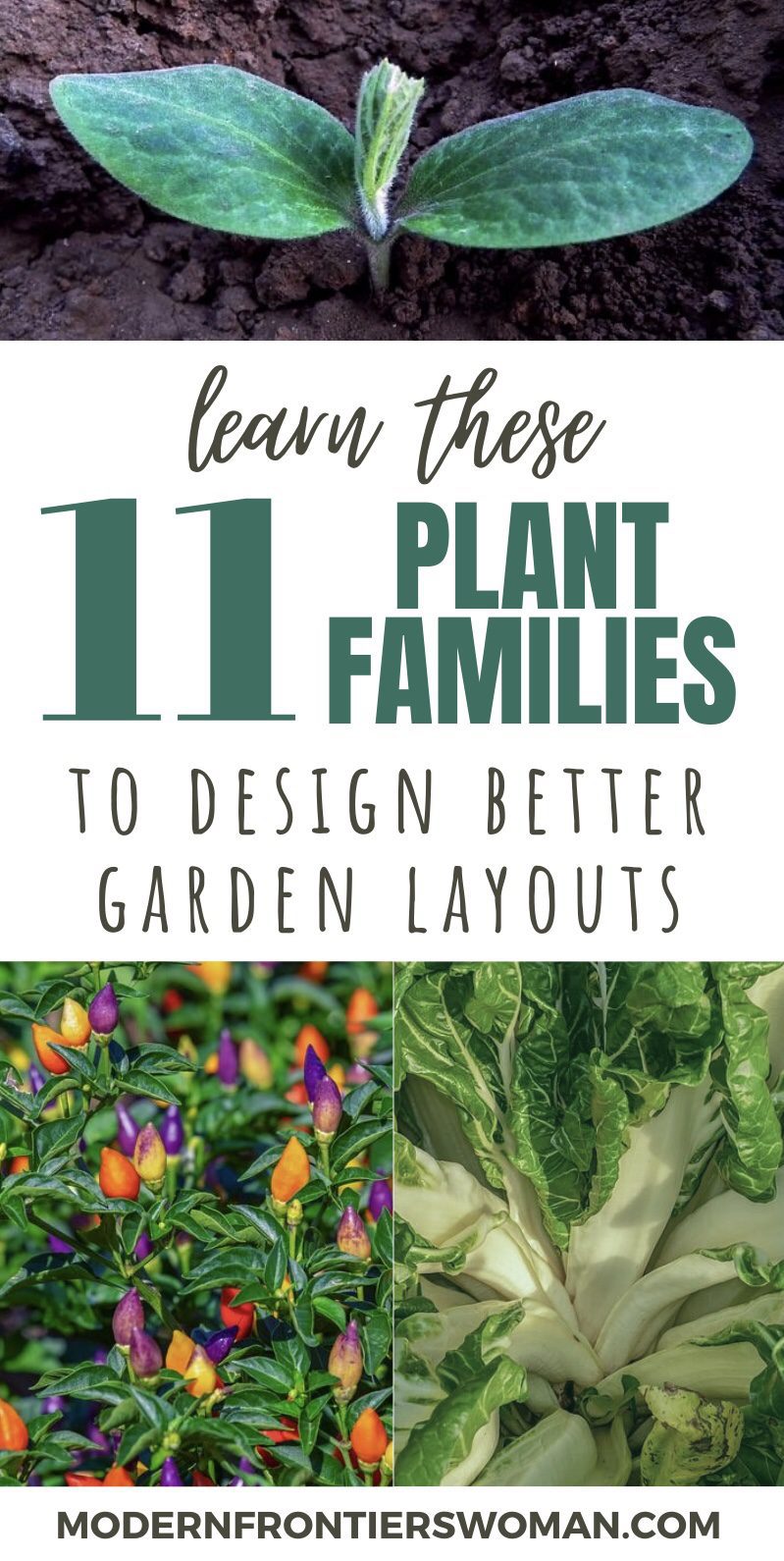
There are core 11 families for gardeners to learn:
1. The Carrot Family (Umbelliferae)
Most prefer to be direct seeded and prefer a long growing season. (dill, anise, carrots, caraway, celery, chervil, cilantro, cumin, fennel, parsnips, and parsley.)
2. The Broccoli Family (Brassicaceae)
Don’t like to be crowded by other plants, they get sweeter with frost. (bok choy, Brussels sprouts, broccoli, cabbages, watercress, turnips, collards, mustard, horseradish, kale and radishes.)
3. The Mint Family (Lamiaceae)
This family is made up of perennial herbs and flowers. Many (not all) of these are considered invasive and should be kept in a contained area. (basil, catnip, hyssop, lavender, marjoram, white horehound, lemon balm, oregano, rosemary, savory, sage, and thyme.)
4. The Allium Family (Liliaceae)
Very cold hardy, most can overwinter in the garden. (garlic, asparagus, chives, scallions, shallots, onions, and leeks.)
5. The Nightshade Family (Solanaceae)
Other than potatoes, these are all heat loving plants which should be started from seed indoors and planted outside when risk of frost is well past. Most need support from becoming top-heavy and falling over. (eggplants, bell peppers, potatoes, tobacco, and tomatoes.)
6. The Rose Family (Rosaceae)
This family is made up of perennial trees, shrubs and herbaceous plants that flower and produce fruit. (strawberries, cherries, raspberries, blackberries, pears, apples, and plums.)
7. The Legumes Family (Fabaceae)
Many in this family can be trellised. They all accumulate nitrogen in the soil. (beans, peas, lentils, peanuts, soy, and fava beans.)
8. The Daisy Family (Asteraceae)
Most are sensitive to root disturbance and should be direct seeded. (artichokes, chamomile, sunflower, salsify, marigolds, cardoons, chicory, tarragon, lettuce, and dandelions.)
9. The Squash Family (Cucurbitaceae)
Many can be grown on a trellis and all members of this family prefer full sun, consistent watering and warm temperatures. Members of this family can cross-pollinate, making seed saving difficult. (pumpkins, squash, gourds, cucumbers, and melons.)
10. The Beetroot Family (Chenopodiaceae)
Grown in spring and fall, short time to mature, bolt in hot weather. (Swiss chard, lambsquarter, quinoa, beets, and spinach.)
11. The Grains Family (Poaceae)
Heavy nitrogen feeders that benefit from interplanting with the legume family. All members of this family are wind pollinated. (corn, rice, wheat, barley, oats, rye, and millet.)
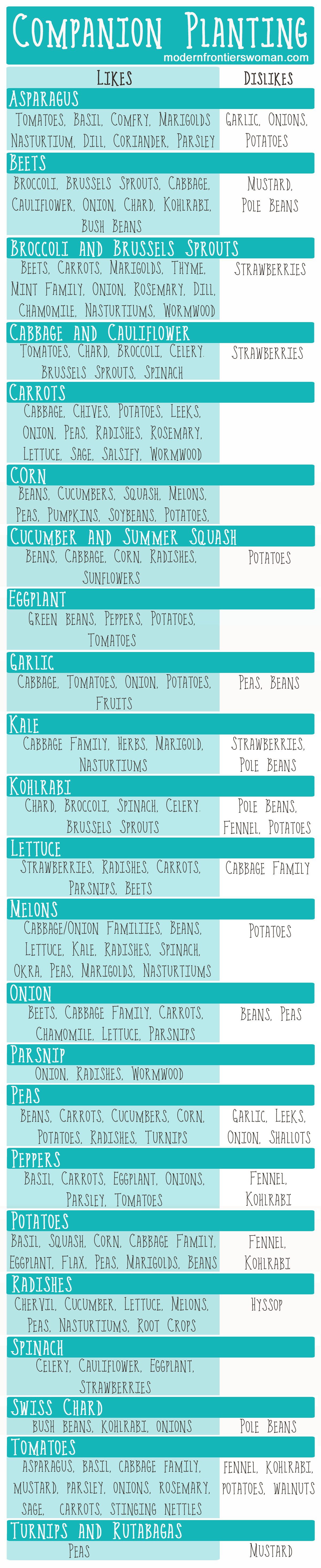
Companion Planting Guide
Enjoy this quick reference tool for gardeners!
Succession Planting
Planting in succession extends your harvest and makes the most of the space you have available. There are two ways to do this.
1. One way to apply succession planting is to plant crops one after another. When one crop is harvested, you plant a different crop in its place. To do this, you need to look at what the planting and harvest times are for the two crops and make sure the first will be out of the way in time for the second to be planted.
For example, snap peas have a very short growing time, about 4-6 weeks. Since they can tolerate some frost, snap peas can be planted at the beginning of April and harvested at the beginning of May. After harvesting, that space will be open to another crop that doesn’t like frost, such as cucumbers. Since both of these crops are climbing vines, they can be planted along the same trellis one after the other, saving valuable garden space.
2. The second way you can apply succession planting is to extend the harvest for one particular crop. You may not want all your lettuce maturing at the same time because it doesn’t stay fresh for more than a week or two. So, instead of planting it all at once, space out planting seeds every few weeks to have a continuous harvest of lettuce all spring (at least until the heat kicks in and it starts to bolt).
Final Thoughts for a Perfect Garden Layout
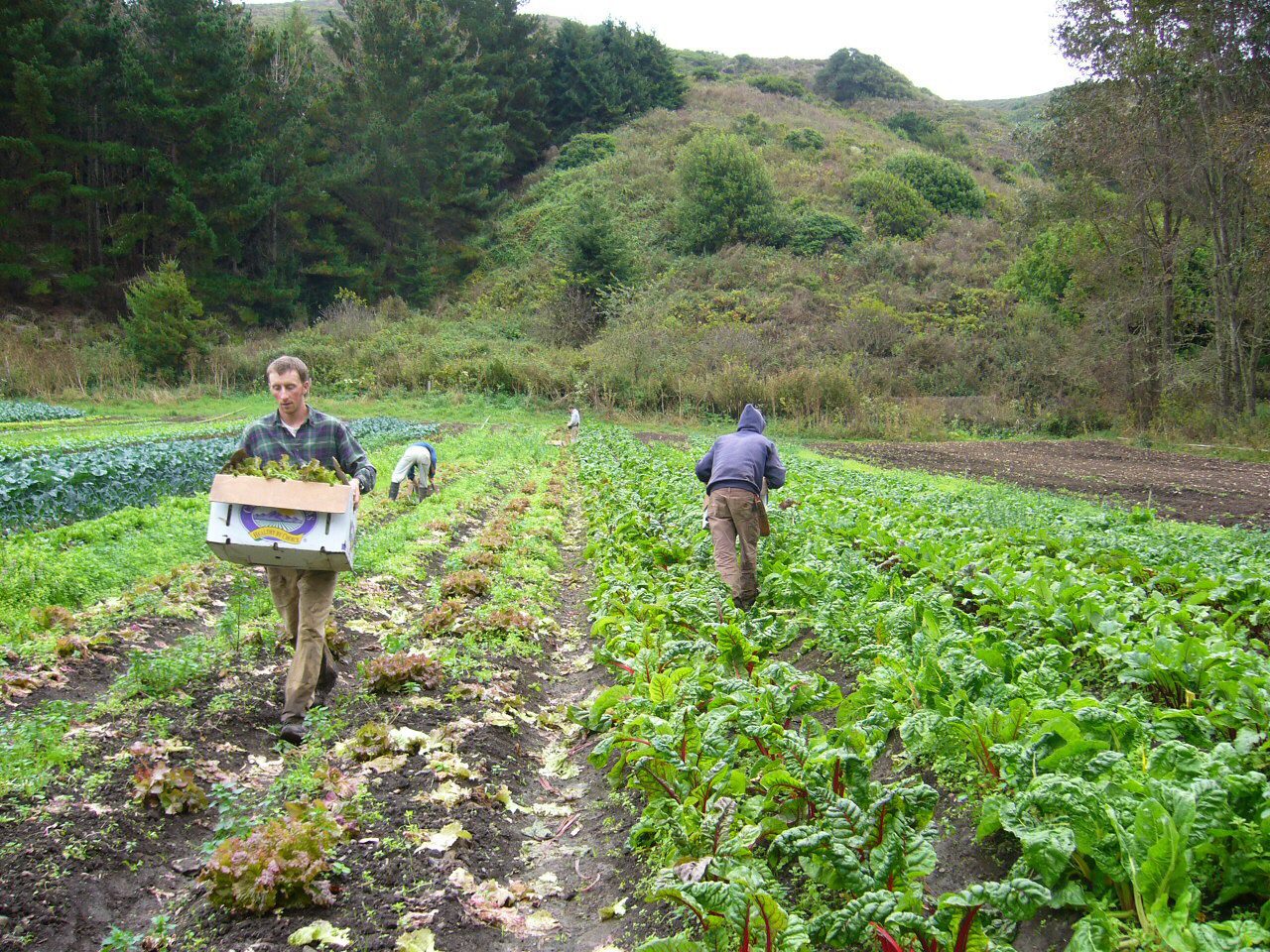
Gardening requires a lot of trial and error. The best way to learn is to study and practice. Even after reading this guide, you will still need to tailor your garden layout solutions to your own climate and the physical features of your land.
The next step after planning your garden layout is planting. Make sure you have everything you need to get started with this Veggie Garden Supply List!
If planting crops year after year seems like too much work, but you still want fresh fruits and vegetables each summer, try a perennial vegetable garden. I have put together a great list of perennial and reseeding plants here.
Brew something beautiful, give your body the nourishment it deserves, and let these happy herbs carry you through winter with more calm, clarity, and joy.

Plan your garden like a pro with these tools
-
Garden Design and Planning Tool
Original price was: $29.00.$19.00Current price is: $19.00. -

E-Book | Saving Vegetable Seeds
$3.00 -
Fall Gardening Checklist Free Printable
$0.00 -
Succession Planting Schedule Free Printable
$0.00

Explore more gardening articles . . .
- Raised Bed Vegetable Garden Plan
- Farm Layout Ideas: Site Plan Designs for Your Homestead.
- The Comprehensive Guide to Raised Bed Gardening
- Gardening 101: 9 Simple Steps to a Fantastic First Season!
- Chaos Gardening for Perpetual Harvests
- Best Gardening Books: Beginners to Masters
- Planning a Survival Garden for Food and Medicine
- Building a Climate Victory Garden to Regenerate Soil
- The Bare Soil Dilemma
- The Ultimate Guide to Planting an Herb Garden
- 90 Unique Spices to Grow in Your Herb Garden
- 75+ Side Hustles for Farmers to Boost Income
- My Passion for Permaculture (and how to apply it to your homestead)
- How to Make a Succession Garden Schedule
- Start your Garden Renovation: Budget and Planning Guide
- How to Build a DIY Outdoor Pizza Oven
- Tips for Garden Critter Control
- The Gardener’s Guide to Pest Insects
- Expert Tips for Gardening Safety
- How to Grow Tomatoes
- 30 Unique Heirloom Vegetables for your Food Garden
- How to Start Seeds Indoors and Keep Them Alive!
- The Secret World of Seeds: Ancient Knowledge
- How to Grow a Medicinal Tea Garden (Plus over 40 Plants!)
- Top 20 Flowers for a Cottage Garden
- 20 Perennial Flowers that Bloom all Summer
- Wildflower Cottage Garden Design
- 12 Culinary Herbs for the Flower Garden
- Learn to Pressure Can Veggies!
- 8 Ways to Preserve Your Harvest
- How to Harvest, Dry and Cure Cilantro
- Companion Planting: Cracking the Code
- Plant Friend or Foe: Companion Planting in the Vegetable Garden
- Most Wished for Gardening Accessories!
- Veggie Garden Supply List
Share this Post on Social Media!
For more inspiration, follow my Pinterest Board: Gardening, Growing Food, Landscaping.

I love your information. However, does not print out very well on the printer. Is there a way to format it to get it divided into pages?
The best way to format it for printing is to copy and paste the text and photos to a document editor such as Microsoft word.
What software did you use?
I create my images in photoshop and canva. My posts are written on Wordpress. Does that answer your question?
Yes, Thank you for aswering.
Thank you for the great information and formattimg! When companion planting, how do you implement correct spacing? Would you do a row of one species with its preferred spacing, and next to it the companion species with its own preferred spacing? And between the two rows, the larger preferred spacing of the two?
Great question! The short answer is yes, however, I often plant shorter plants (carrots, lettuce, etc) under the canopy of taller plants like tomatoes and peppers since they don’t compete for that space. So if a tomato requires 3’ spacing, I might plant some carrots within 12” of it knowing that I will prune off the bottom branches and the carrots will use that space. The key is to make sure everything can get the light it needs and not be shaded by neighboring plants.
I’m new to this GYO I’ve acquired my very first allotment! Into day 4, clearing and digging . My lockdown adventure! What shall I do next?
I love fresh vegetables. I lost my daddy back in December 30 ,2020 he garden all the time. My family tells me it would be easier to just buy it. That’s not what I want. I have done container gardening. That worked. Peas field peas just isn’t the same.
Can you be more specific about the content of your article? After reading it, I still have some doubts. Hope you can help me.