
Workplace safety is more than just a simple compliance requirement. It directly influences productivity, employee satisfaction, and company reputation. Businesses that prioritise safety create environments where people can focus on their work without unnecessary risks.
Safety programs reduce accidents, prevent costly downtime, and help retain skilled staff. They also protect a company from things like legal action and regulatory fines. But beyond avoiding problems, safety fosters trust. Staff who feel secure are more engaged, more loyal, and more productive.
While safety standards differ depending on the industry, the principles remain the same. This might be operating a construction site or in a healthcare setting. Identifying hazards, training employees, and investing in preventive measures is essential. This article provides insight into identifying safety risks and putting prevention steps in place to help your business thrive.
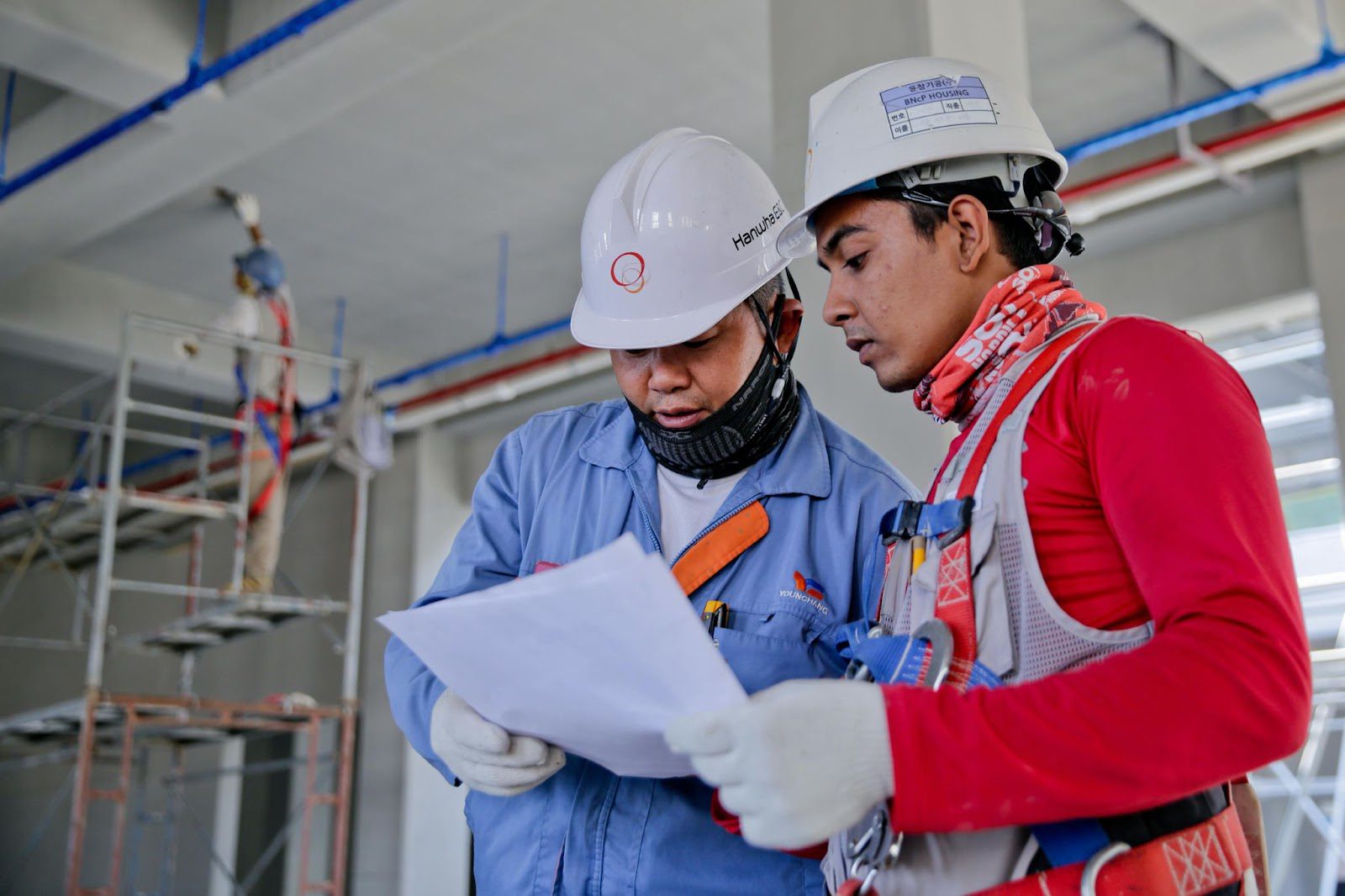
Workplace Safety as a Driver of Productivity
Workplace accidents can halt operations and disrupt schedules. Even minor incidents often lead to delays, investigations, and lower morale. The cost isn’t just financial. Productivity suffers when skilled workers are absent or distracted by safety concerns.
When employees feel safe, they can concentrate better on their workload and will make fewer mistakes. It also helps to improve the quality of work they produce. A well-planned safety program eliminates guesswork by providing clear procedures for high-risk activities. This clarity helps teams work faster without cutting corners.
For example, a logistics company that introduced strict vehicle maintenance checks may start to see a reduction in breakdowns and driver injuries. This will not only improve delivery times, but it will also help to reduce repair costs.

The Financial Case for Workplace Safety Investments
Many businesses hesitate to invest in safety measures because they’re worried about the costs. Yet data consistently shows that prevention is cheaper than having to recover something at a later date.
Direct costs of workplace injuries include medical expenses and compensation claims. Indirect costs include lost productivity, training replacement staff, and damage to equipment or reputation.
A manufacturing plant that installs better machine guards may face an upfront expense. But this investment pays off by preventing injuries, avoiding downtime, and extending equipment life. Insurance premiums often decrease when businesses demonstrate strong safety records. Regulatory fines are also less likely when safety standards are consistently met or exceeded.
Some companies see a return on safety investments within a year. For example, improved ventilation systems can cut sickness absence, while ergonomic office setups can reduce repetitive strain injuries. In both cases, the initial cost is outweighed by ongoing savings. Safety spending is not a drain on resources. It is a measurable, trackable investment in both people and productivity.
Workplace Safety Across Different Environments
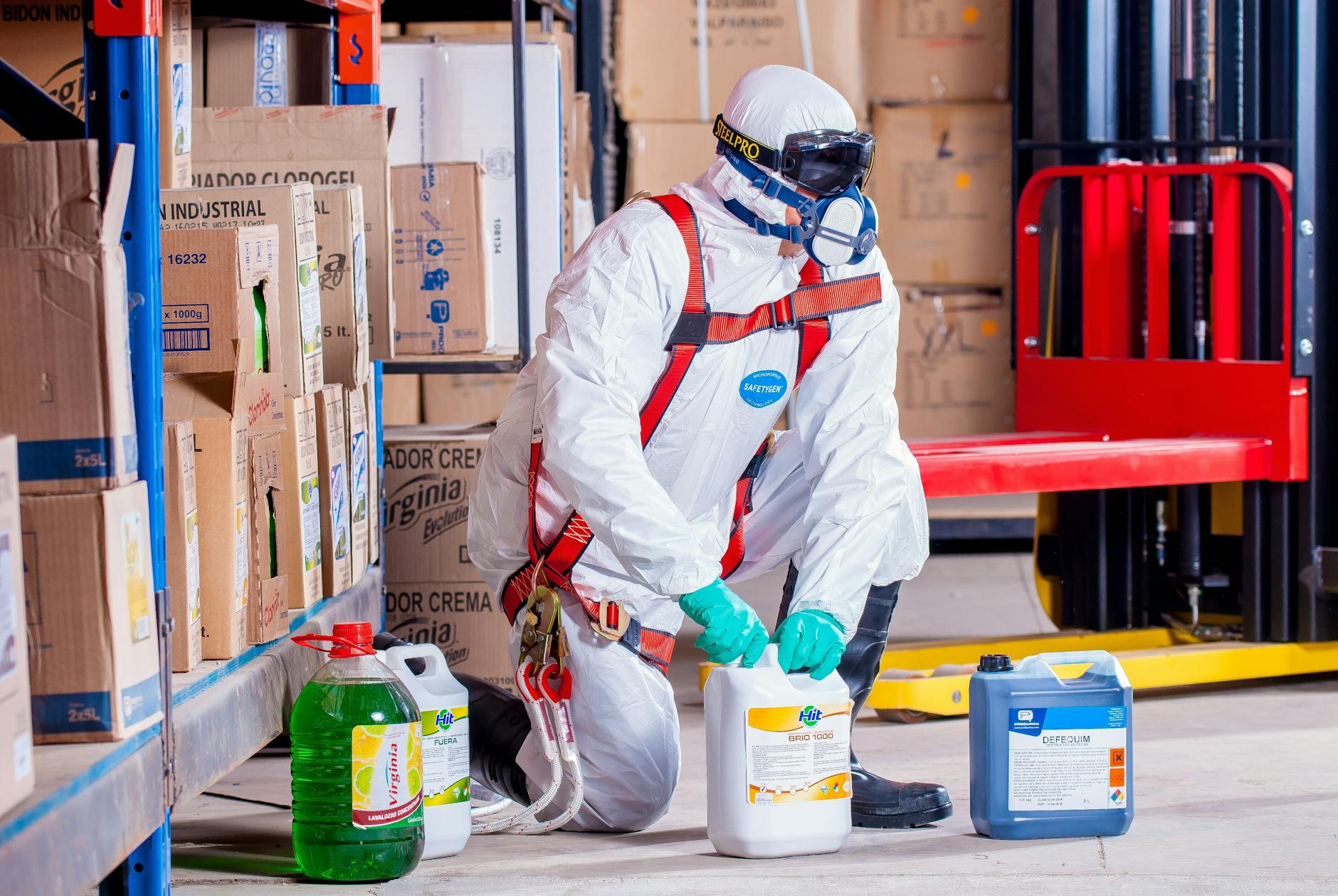
Although the fundamentals of workplace safety are universal, the risks vary depending on the industry. Risks for office-based teams include cluttered walkways, fire hazards, and poor ergonomics. Manufacturing facilities deal with handling chemicals, noise pollution, and machinery.
Because of the possible exposure to chemical and biological hazards, safety is crucial in research and healthcare settings. Specialized measures are needed in this situation. Adopting trustworthy laboratory safety solutions, for example, can shield employees from contamination, spills, and equipment malfunctions. This entails utilizing certified safety cabinets, setting up appropriate ventilation systems, and offering instruction on how to handle hazardous materials.
Controls are necessary on construction sites for managing electrical risks, operating heavy machinery, and working at heights. Clear policies are necessary for employees to handle inventory and ensure the safety of customers in retail settings.
Adapting safety procedures to the surroundings is crucial. A policy that is one-size-fits-all could have gaps. Regular inspections, employee input, and risk assessments all aid in improving these precautions for optimal safety.

Building a Workplace Safety Culture
A safe workplace is not created by rules and equipment alone. Culture is important. Employees who have a strong safety culture are more likely to take personal responsibility for their own and their coworkers’ safety.
Leadership is the first step. The rest of the organization is influenced by managers who set an example of safe behavior. Employees observe and imitate leaders who wear protective gear, adhere to protocols, and promptly address hazards.
Programs for recognition can strengthen best practices. Letting teams know when they reach safety milestones promotes ongoing attention to detail. Safety is no longer viewed as a duty but rather as a shared commitment when it becomes ingrained in the company’s identity. This way of thinking improves teamwork and lowers accidents.

Using Technology to Improve Workplace Safety
Business technology offers powerful tools to reduce workplace risks, and it is something that all businesses should invest in.
Sensors can detect dangerous levels of gas, heat, or vibration. Wearable devices can monitor worker fatigue and alert supervisors to potential risks. Digital platforms can streamline incident reporting, allowing hazards to be addressed and fixed before they cause harm or cause high costs. And training modules can be delivered online, making it easier to reach remote or shift-based teams. In manufacturing, automation can remove people from the most dangerous tasks. In offices, smart building systems can monitor air quality and adjust lighting to reduce eye strain.
Businesses can pinpoint issue areas by using data analytics to find patterns in incident reports. Managers can look into and deal with the underlying cause if several minor injuries happen in the same department.

Conclusion: Workplace Safety
Safety at work is more than just preventing mishaps from happening. It’s about fostering trust, safeguarding assets, and empowering individuals to reach their full potential.
The advantages are extensive and range from developing a strong team safety culture to customizing safety measures for particular environments. Today’s technology makes prevention more effective than ever by providing new methods for anticipating and addressing risks.
The message remains the same whether managing a large industrial site or a small office: safety pays. It pays off in long-term stability, productivity, and reputation. Businesses can safeguard their future and their workforce by making workplace safety a strategic priority.

Subscribe
Be sure to subscribe to the blog and follow for expert insights, real-world case studies, and tools that help exceptional entrepreneurs grow with clarity and confidence.
More Ideas for Business Success . . .
- How to Invest in Your Business for Long-Term Success
- Top 4 Business Software Tools To Keep You Organized
- The Low Down on Launching a Profitable Blog
- 3 Essential Tips to Run a Successful Business & Make a Profit
- 10 Proven Ways to Increase Your Business Visibility Online and Offline
- Avoid These Legal Compliance Dangers When Starting Your Business
- The Importance of a Small Business Emergency Fund
- Why Email Security Still Gets Overlooked (And What To Fix Today)
- Signs You’re Ready To Expand Your Business
- 6 Ways Preventative Maintenance Saves Your Business Money
- 4 Top Traits Of Exceptional Business Leaders
- Office Perks that Work for Every Generation on Your Team
- What You Need to Know Before Hiring Family Members
- When To Update Your Business Office Design
- Business Technology to Propel your Company Forward
- Collaboration: The Secret to Saving Money Without Sacrificing Quality
- 7 Crucial Features You Need For A User-Friendly Business Website
- How to Do Influencer Marketing Like a Pro: Crush the Game and Build Your Brand
- How To Build Your Trade Firm’s Online Presence
- How to Choose the Perfect Store Location for Your Retail Business
- 5 Common Legal Issues Small Business Owners Face
- 3 Reasons to Start a Coffee Cart Business
- Why Fuel Costs Are The Most Important Expense For Your Fleet Business
- Upgrade Your Zoom Meetings with an Eye-Catching Virtual Background
- Business Ownership: Tips for Starting a Construction Company
- 75+ Side Hustles for Farmers to Boost Income
- 4 Ways to Make Your Business More Accessible
- Should You Invest in a Commercial Property or Rent?
Share this Post on Social Media!
For more inspiration follow my Pinterest Board: Entrepreneurship Things Business Group Board.
