

Every small business faces ups and downs. Unexpected costs can pop up at any time. That’s why having a small business emergency fund is a must. It will give your business a financial safety net that will help you survive tough times and avoid getting into deeper problems.
Many businesses operate with tight budgets and very little room for error. One surprise expense can put the business at risk. Emergency savings will provide the support needed to handle surprises and stay in control, even when things don’t go as planned.

Protect the Business You Are Building
Risk management is easier when financial, legal, physical and digital protections reinforce one another:
- Build a cash reserve for disruptions and repairs.
- Address common legal foundations with qualified advisers.
- Review contracts, intellectual property, liability and taxes.
- Improve physical and customer accessibility.
- Strengthen email and account security.
- Prevent avoidable breakdowns with scheduled maintenance.
- Create and test a crisis plan.
Official resources: See the SBA business-management guidance, CISA small-business cybersecurity toolkit and ADA primer for small businesses.
This collection provides general education, not legal, tax, insurance, cybersecurity or accessibility advice for a specific business.
What Should a Business Reserve Cover?
| Reserve category | Examples |
|---|---|
| Property | Leaks, HVAC, electrical work and urgent repairs |
| Equipment | Replacement, rental, parts and emergency service |
| Operations | Payroll, utilities and essential vendors during a disruption |
| Technology | Recovery, replacement hardware and professional support |
| Professional help | Legal, accounting, insurance or compliance guidance |
| Revenue interruption | Seasonality, closures, delayed payments or lost capacity |
What Is an Emergency Fund?
An emergency fund is money set aside for unexpected costs. It is not meant to be used for regular bills or planned spending. Instead, it’s there for things such as sudden repairs, missed customer payments, or even economic slowdowns.
The size of the fund will depend largely on the business. However, most experts recommend you save at least three to six months of expenses to keep the business afloat.
This includes your rent, payroll, and other key costs. Keeping the fund in a separate, and easy-to-access account will help you avoid the temptation to spend it on non-emergencies. This can lead to depletion and regret should you ever need the money.
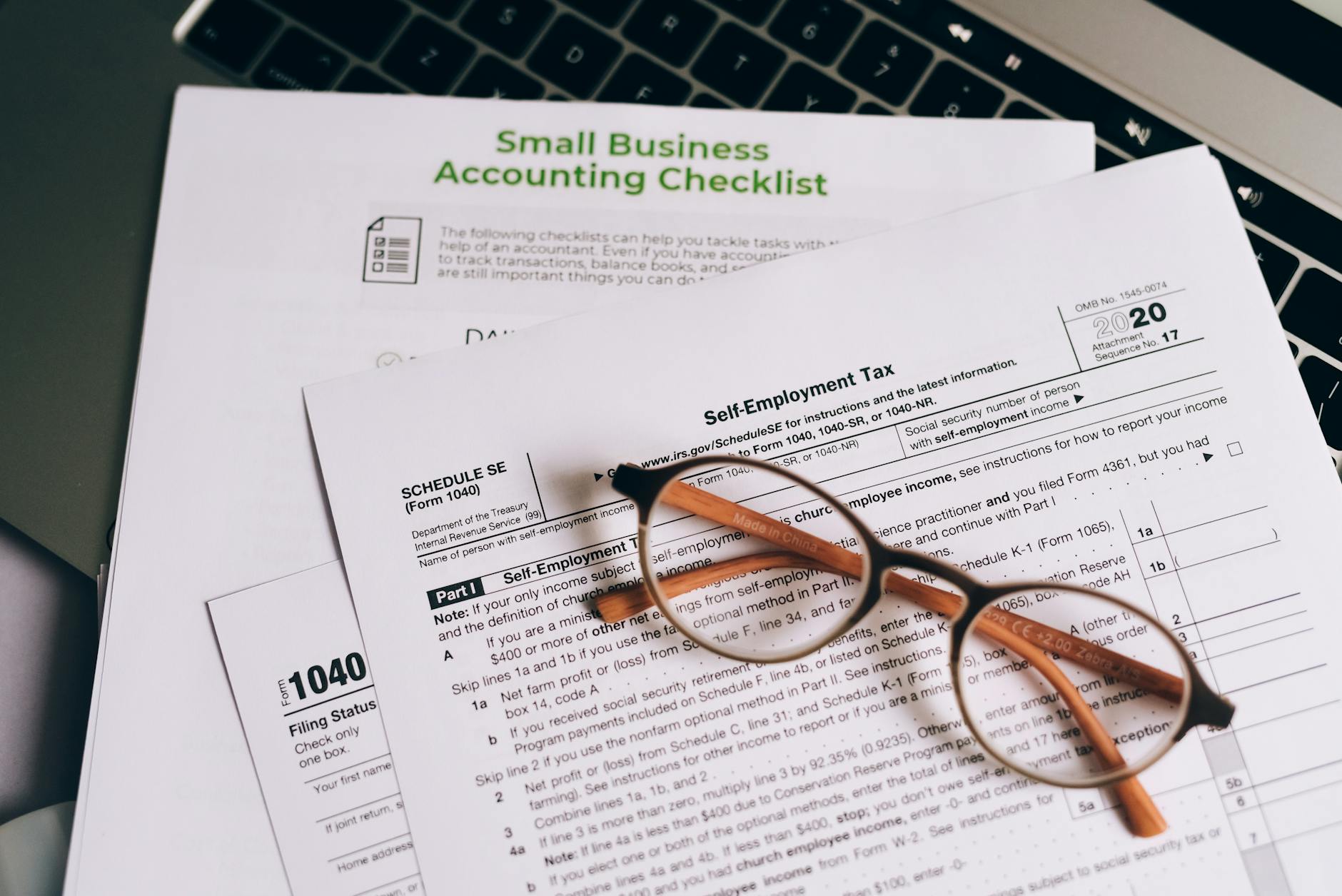
From my experience: My vacation rentals could produce strong revenue and still need cash available for appliances, repairs, seasonal swings and large property expenses. A reserve is not “unused” money. It buys time to make a sound decision instead of accepting the fastest or most expensive solution during a crisis.
Why It Matters
Having an emergency fund means your business can keep running even when your income drops or your expenses start to spike. It helps you avoid taking on high-interest debt, missing payments, or having to cut your staff during slow periods.
It also provides you with peace of mind, knowing there’s a backup plan in place.
During those hard times, businesses with savings will recover much faster. They can also continue their operations, pay all their vendors, and stay open while others without this fund may shut down.
This kind of stability will build trust with your customers and partners. In the long run, this can help the business to grow stronger.

Connecting to Global Business
For businesses that have to deal with customers overseas, emergencies can come in several different forms. Shipping delays, currency changes, or even tech issues can create sudden problems. When you accept international payments, there may also be unexpected fees or timing issues that affect your cash flow.
An emergency fund helps you manage these situations with less stress. It gives your business room to adjust and keep serving clients at the same time, even when international factors start to create extra challenges.
Being prepared will protect your reputation and also allow you to keep promises, even during those tough stretches.
Make Your Business Emergency Fund a Priority
Saving for emergencies may feel extremely hard, especially when cash is tight. However, even small amounts saved regularly will add up over time. Treating your emergency fund like a fixed expense, just like rent or internet, will make it easier to stay consistent.
Be sure to subscribe to the blog and follow for expert insights, real-world case studies, and tools that help exceptional entrepreneurs grow with clarity and confidence.
Share this Post on Social Media!
For more inspiration follow my Pinterest Board: Finance and Investment.
