
Life is full of unexpected moments—and they’re not always pleasant. Imagine this: you finish grocery shopping, walk out to your car, and notice fresh damage that definitely wasn’t there before. There’s no note, no witnesses, and no driver waiting to apologize. Just you, your car, and that deep, sinking feeling in your stomach. Unfortunately, this scenario is more common than most people realize. Knowing how to protect yourself after a hit-and-run can make all the difference—financially, emotionally, and legally.
Once the initial shock fades, the big question hits: how much is this going to cost me? Nothing drains your energy faster than the thought of dealing with insurance, paperwork, and possibly shelling out thousands for something you didn’t even do. It’s unfair, stressful, and exhausting—but you’re not powerless. Here’s what you can do to stay prepared and minimize the damage.

You Can’t Control It, But You Can Be Ready
Hit-and-runs aren’t just something that happens in movies or viral videos—they happen every day in parking lots, on quiet residential streets, and even in your own driveway. You can be the most careful driver in the world, and still, someone else’s panic or carelessness can leave you dealing with the aftermath.
You can follow every rule, and then a distracted driver bumps into your car and drives off like nothing happened. This can leave you wondering, “will insurance cover a hit-and-run?” The reality is simple: you can’t always prevent accidents, but you can protect yourself after a hit-and-run by being proactive before it happens.
Smart ways to prepare include:
- Reviewing your insurance coverage for uninsured motorist property damage (UMPD)
- Installing a dashcam or parking camera for recorded evidence
- Parking in well-lit, visible areas whenever possible
- Keeping an emergency contact list and insurance info in your glove box
- Saving your insurance agent’s number in your phone for quick access
Preparation won’t stop accidents, but it can help you recover faster and with less financial stress.

What to Do Immediately After a Hit-and-Run
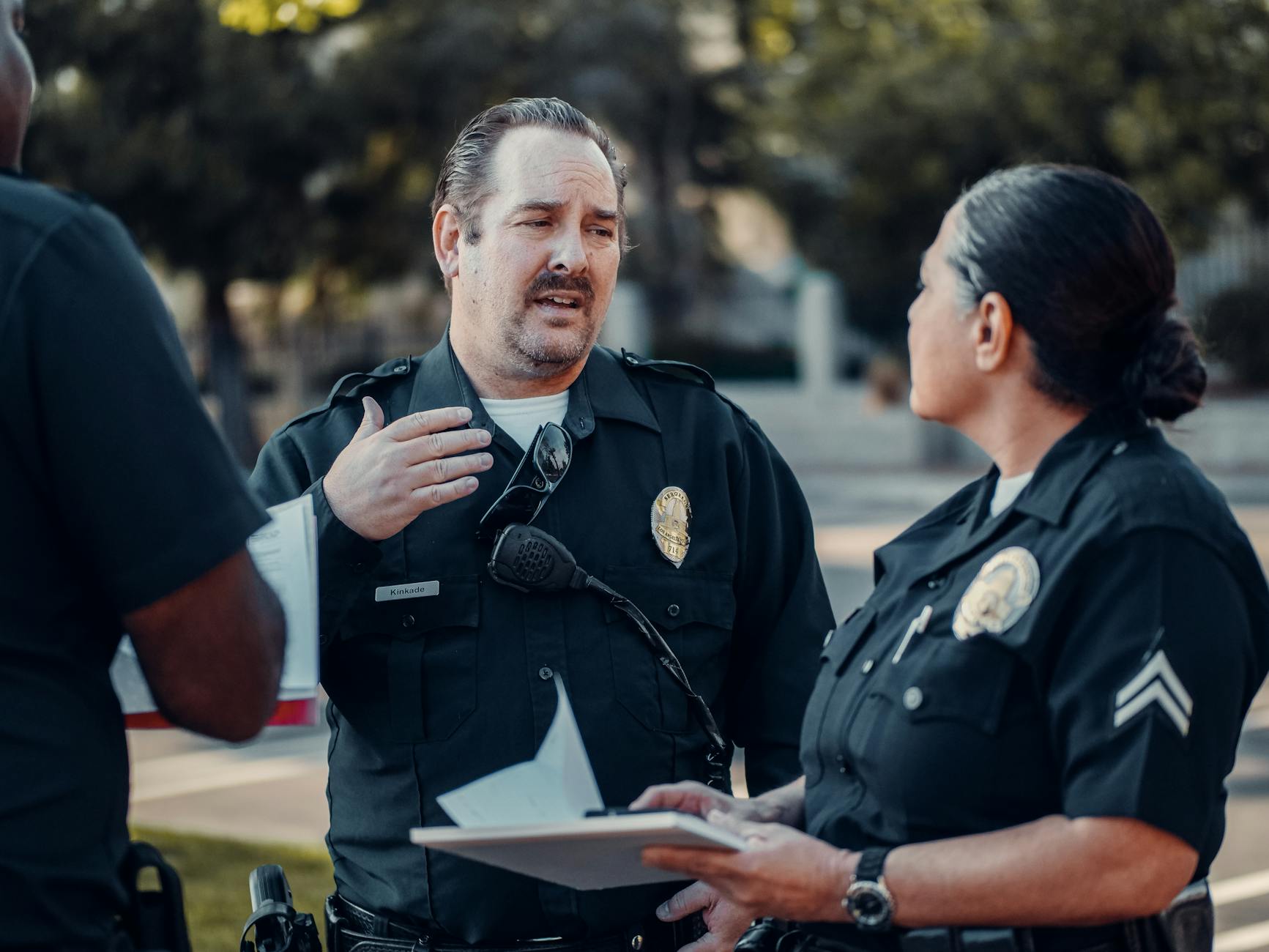
The first few minutes after discovering a hit-and-run are crucial. Staying calm and collecting as much evidence as possible will help you file a police report, file an insurance claim, and potentially identify the driver.
Steps to protect yourself after a hit-and-run:
- Document the damage: Take clear photos and videos of your car, surroundings, and any debris or paint transfer left behind.
- Note the details: Write down the time, location, and any nearby security cameras.
- Ask witnesses: If anyone saw what happened, get their contact information and a quick description of the vehicle.
- Call the police: File a report as soon as possible. A police report can help verify your claim and protect you legally.
- Notify your insurance company: Even if you’re unsure of coverage, report the incident promptly to start the claims process.
If your car is unsafe to drive, call a tow service and avoid moving it until the police give permission—it’s important for documentation.

Insurance Isn’t Fun, But It Still Matters
No one enjoys reading through their insurance policy, but understanding it can save you thousands of dollars. Some auto policies cover hit-and-run incidents under collision or uninsured motorist property damage (UMPD), while others don’t.
To protect yourself after a hit-and-run, don’t assume you’re covered—verify it in writing.
Insurance tips to reduce stress later:
- Review your policy annually and confirm whether hit-and-runs are covered
- Ask your agent about adding UMPD or uninsured motorist bodily injury (UMBI) coverage
- Keep digital and physical copies of your policy and claim instructions
- Maintain good communication with your insurance representative during claims
Insurance companies aren’t always on your side—they’re in business to protect their own bottom line. Being informed is your best defense.

Money Stress Isn’t Worth It
Dealing with car repairs is frustrating, but unexpected costs are even worse. Having a financial cushion can make a huge difference in how quickly you recover. Keeping a small emergency fund, reading your policy, and knowing who to call when things go wrong can save your sanity (which is so incredibly important during tough times).
Ways to financially protect yourself after a hit-and-run:
- Keep a small emergency fund for deductibles or temporary transportation
- Consider a credit card or line of credit for urgent vehicle expenses
- Track and record all repair costs for potential reimbursement
- Save receipts for repairs and towing as part of your claim documentation
You don’t have to expect the worst—but you should be ready for it. Being prepared doesn’t just save money; it saves your peace of mind.
Collect Evidence and Follow Up
Sometimes, the driver gets caught days or weeks later—thanks to witnesses, surveillance footage, or police work. Following up on your report helps ensure your case doesn’t get lost in the system.
Follow-up actions that can help:
- Check in with the responding officer for updates
- Contact nearby businesses for camera footage
- Post in local neighborhood or community apps (Nextdoor, Facebook groups) for witnesses
- Provide any new information promptly to your insurer and police
The more diligent you are, the better your chances of getting justice—or at least proper compensation.

Prevent Future Hit-and-Runs
While no one can completely avoid bad drivers, a few habits can reduce your risk.
Preventative steps include:
- Park away from high-traffic areas or tight spots
- Choose garages or monitored lots when possible
- Install a dual dashcam for front and rear coverage
- Consider motion-detection cameras for your driveway
- Always back into parking spaces when possible for faster visibility
Taking these steps might not make your car invincible, but they significantly reduce risk—and make evidence collection easier if something happens again.

Final Thoughts
Hit-and-runs are frustrating, unfair, and far too common—but you can protect yourself after a hit-and-run by staying calm, documenting everything, understanding your insurance, and preparing financially.
It’s not about expecting the worst; it’s about being ready for anything. When you plan ahead, you take back control—turning a stressful, unfair moment into something you can handle with confidence and clarity.

Subscribe
More health and legal articles . . .
- What to Do If You’re Injured Through No Fault of Your Own
- What to Do After a Car Accident: Step-by-Step Checklist
- 3 Stressful Life Situations When You Need a Lawyer (and Why It Pays Off)
- 9 Times You Need A Lawyer In Your Life
- When to Hire an Attorney: Legal Guidance for Life’s Unexpected Moments
- Why Stress is Sabotaging Your Hair Health
- The Ultimate Guide to Yoga, Healing, and Tools to Support Your Journey
- Wellness Careers For People Who Love Health
- Use Your Phone to Sleep Better: 3 Effective Tips
- Why a Lazy Day is Good for Your Health
- How To React When Health Issues Threaten Your Finances
- 100% Pure Plant Based Skincare Routine for Morning and Evening
- How to Boost Self Confidence
- Relaxation: The Secret to Productivity and Health
- How to Grow a Medicinal Tea Garden (Plus over 40 Plants!)
- Finding Calm: Simple Strategies to Manage Stress and Anxiety This Spring
- How to Combat Pollen and Indoor Allergies
- Relaxing Hobbies to Add Zen to Your Life
- Life On The Water: One Of The Most Addictive Hobbies Out There
- Vacation Planning Tips for Stress Free Travel
- The Best Strategies For Dealing With Loss
- Hygge Home Design Ideas to Feed Your Mental Health
- How to Start Homesteading Where You Live Today!
- The Ultimate Guide to Financial Independence
Share this Post on Social Media!
For more inspiration follow my Pinterest Board: Healthy Mind and Body.
