

Do you wish you could get more out of your vegetable garden space? By creating a succession garden schedule, you can! Increase yields from all your crops with proper planning and foresight. This guide will give you the confidence and tools to create your very own planting schedule no matter the size of your garden.

What is Succession Planting?
Succession planting is a method of maximizing efficiency and increasing productivity during a growing season. To practice succession planting, it is wise to create a schedule so you can plan what to plant when. This works for starting seeds indoors, direct sowing or transplanting seedlings into the garden.
To learn more about succession planting, check out the book, “The Year-Round Vegetable Gardener: How to Grow Your Own Food 365 Days a Year, No Matter Where You Live”.
If you are interested in saving seeds from your vegetable garden, check out my E-book, “Saving Vegetable Seeds – a quick start guide“.
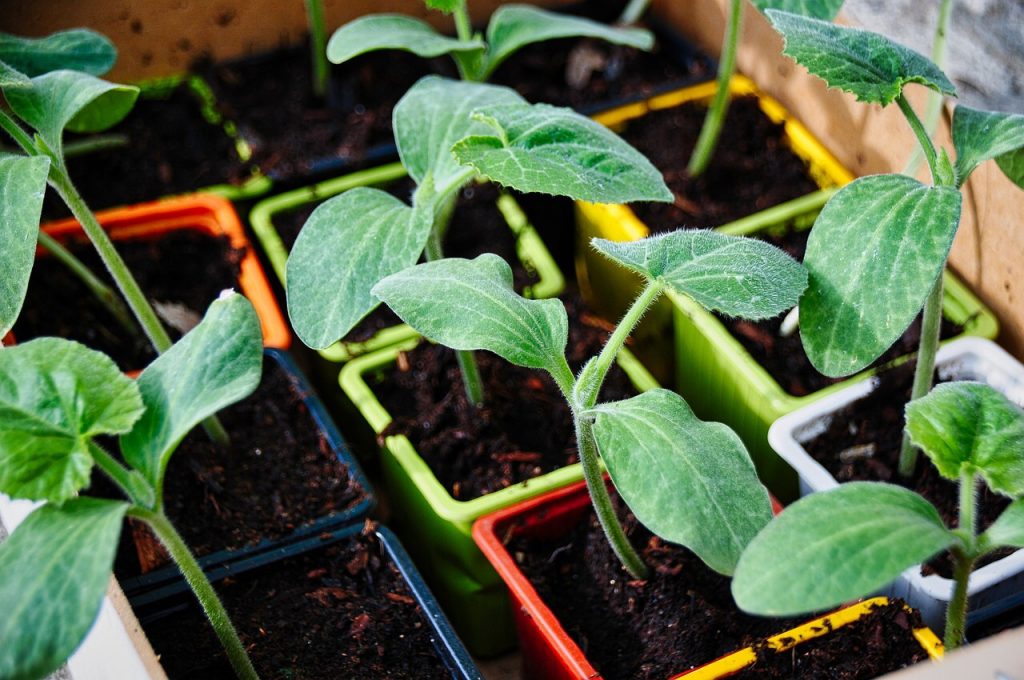
A succession planting schedule usually targets one or both of these goals:
- To obtain a slow, continuous harvest from a single crop.
- To achieve maximum efficiency for growing space.
You should plan your garden layout in tandem with your planting schedule so you know exactly how many of each plant you need and how much space they will require. Record your projected planting dates for each type of fruit, herb and vegetable you will be growing according to the goals you have chosen. Use a Garden Design and Planning Tool to take the guesswork out of creating your schedule and layout.
Subscribe
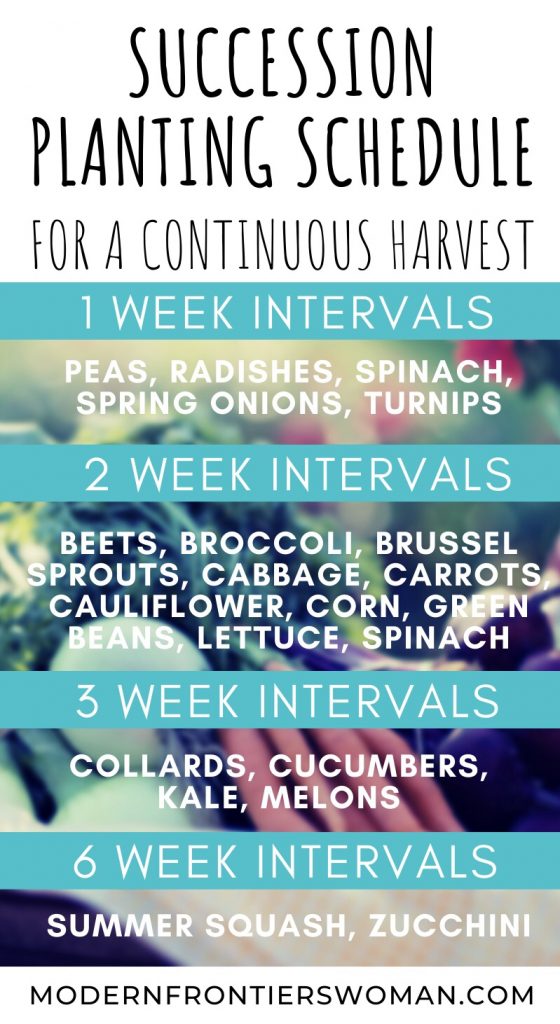
Succession Garden Schedule for a Continuous Harvest
This method may leave some open areas in the garden, but instead of being bombarded with pounds of produce all at once, you will harvest smaller amounts for longer periods. Here are some suggested intervals for succession sowing a continuous harvest:
1 Week Intervals
2 Week Intervals
- Beets, Broccoli, Brussel Sprouts, Cabbage, Carrots, Cauliflower, Corn, Green Beans, Lettuce, Spinach
3 Week Intervals
6 Week Intervals
Plan for Temperature Change
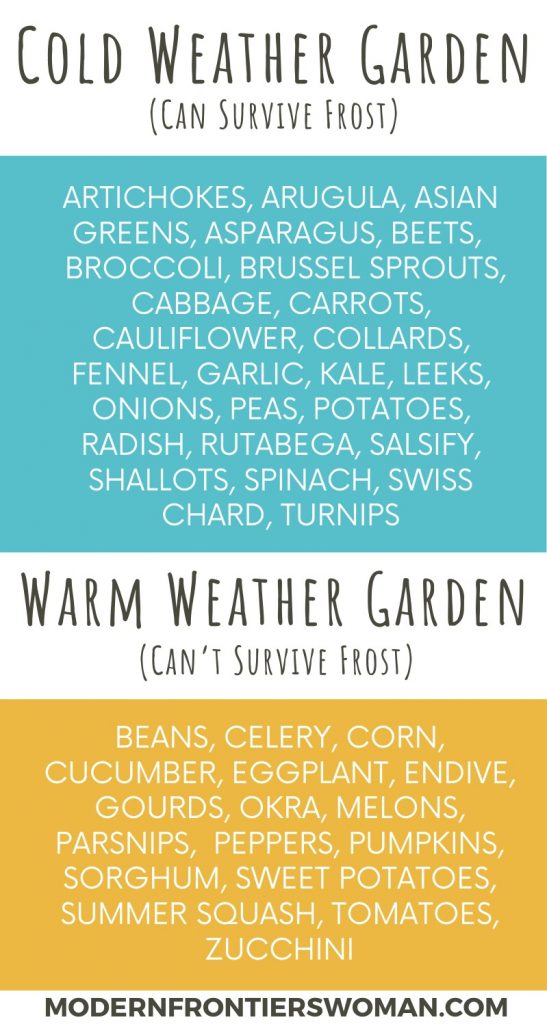
Some types of vegetables (beets, lettuce, peas, spinach, etc) only grow in cold weather and bolt in the heat of summer, so be sure your succession plantings for these crops will be harvested before the warm season. Refer to this infographic for guidance on warm and cool weather crops. (The Cabbage Family can survive frost as mature plants but may not as seedlings)
Schedule for Space Efficiency
If your goal is to have no empty areas in your garden, create a schedule that allows different crops to go in after harvesting the previous crop. This method is referred to as intensive gardening and works especially well in a raised bed garden (follow link to see an example intensive garden layout). This involves densely planting a combination of companion plants in one area together. Applying permaculture principles will help you layout your garden in the most functional way possible. Be sure to make appropriate soil amendments such as compost to ensure plants get all nutrients they need.
For example, radishes are a fast growing cold weather vegetable, they can be scheduled for April and May (zones 4-7), then harvested and replaced with a warm weather crop like tomatoes. The tomatoes will fill the space for around 4 months of summer heat until September-October. As the weather starts to turn cold, tomatoes will stop producing, at which time the plants will be pulled and another cold weather crop, such as spinach would be scheduled. This would finish out the season around November. So that garden space was full for a full growing season!
Days to Maturity
For a succession sowing schedule based on space efficiency, schedule around each plant’s days to maturity. This can vary from cultivar to cultivar, so check the specific days to maturity indicated by the seed company you purchase from. Below is a list of average days to maturity for most crops:
- Artichokes, Globe: 120
- Arugula : 30
- Asian Greens: 40-70
- Asparagus: 365
- Bean, Bush: 60
- Bean, Lima: 65
- Bean, Pole: 60-70
- Beets: 40-70
- Broccoli: 60-70
- Brussels Sprouts: 90-120
- Cabbage: 70-110
- Carrots: 85-95
- Cauliflower: 50-65
- Celery: 100-140
- Collards: 60-75
- Corn: 60-100
- Cucumber: 50-70
- Eggplant: 100-120
- Endive: 85-100
- Fennel Bulb: 90-115
- Garlic: 100
- Gourds: 100-180
- Ground Cherry: 70
- Horseradish Root: 140-160
- Jerusalem Artichoke: 120-150
- Kale: 70-80
- Kohlrabi: 40-60
- Leeks: 120-170
- Lettuce & Greens: 45-85
- Melons: 70-100
- Okra: 50-65
- Onions: 100-175
- Orach: 40-60
- Parsnips: 100-120
- Peas: 60-70
- Peppers: 60-90
- Potatoes: 70-120
- Pumpkin: 85-120
- Radish: 25-45
- Rhubarb: 2-3 years
- Rutabaga: 80-120
- Salsify: 120-150
- Shallots: 90-100
- Sorghum: 90-120
- Soybean: 45-100
- Spinach: 35-45
- Summer Squash: 50-65
- Sweet Potatoes: 90-170
- Swiss Chard: 55-60
- Tomatillo: 70-80
- Tomato: 50-90
- Turnip: 80-120
- Zucchini: 30-55
Creating the Succession Garden Schedule
For each crop, you need to determine the following:
- Create a list of all crops you intend to grow
- Indoor seed starting time (skip if purchasing seedlings)
- Days to maturity
- How long the harvest lasts
- Planting dates for your climate
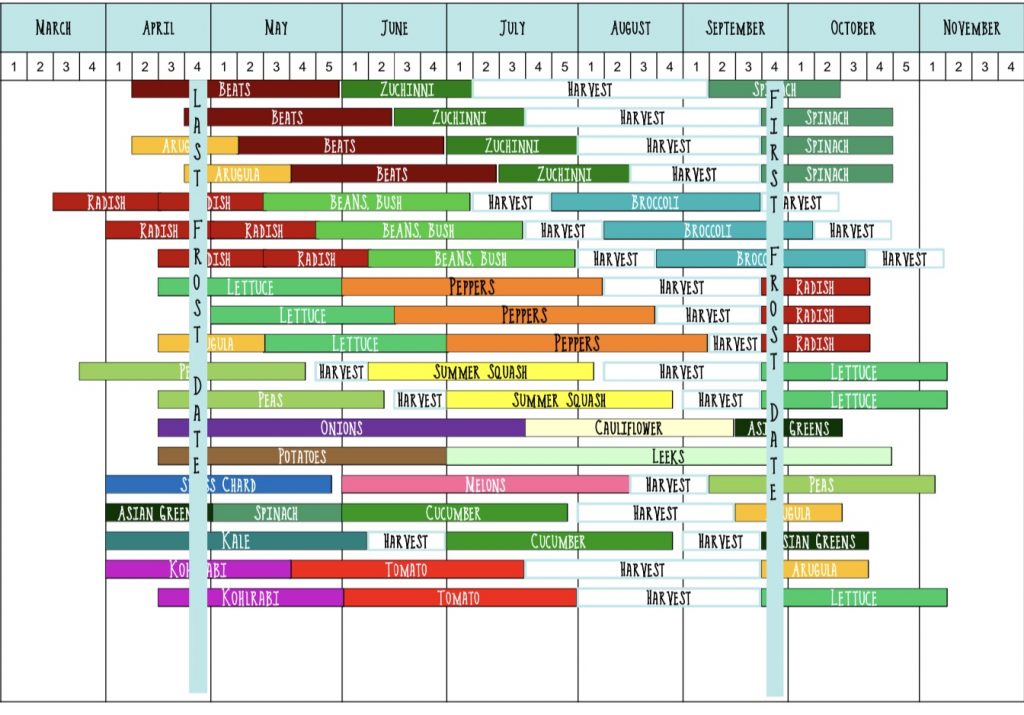
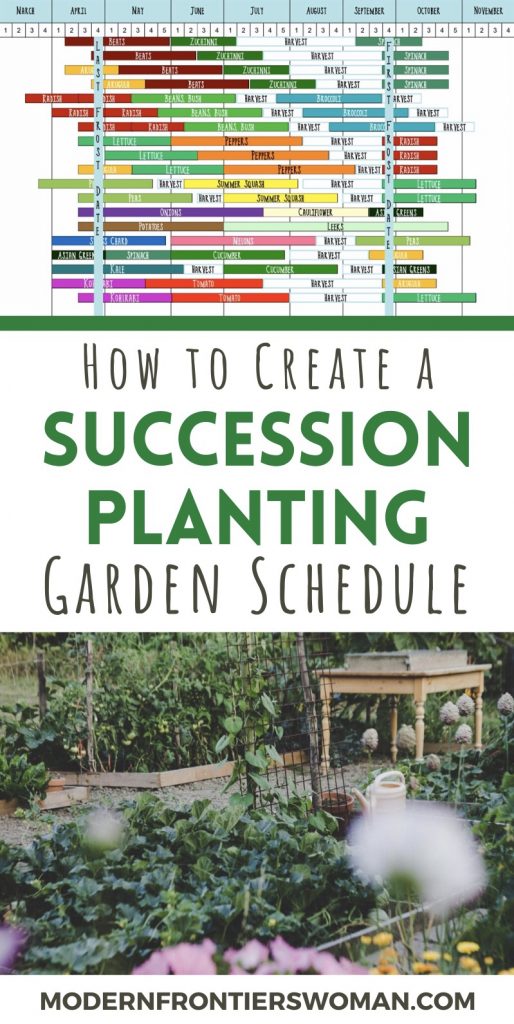
Here is a sample succession schedule created using my Garden Design and Planning Tool. This example is for zone 6 and incorporates the use of season extenders such as row covers.
As you fine-tune your succession garden schedule, consider documenting your planting dates, crop progress, and harvests throughout the season. This not only helps with future planning but also gives you a visual timeline of your garden’s evolution. Many gardeners find it helpful to compile these seasonal snapshots into mixbook photo calendars, turning a year of growth into a practical and inspiring reference for seasons to come.
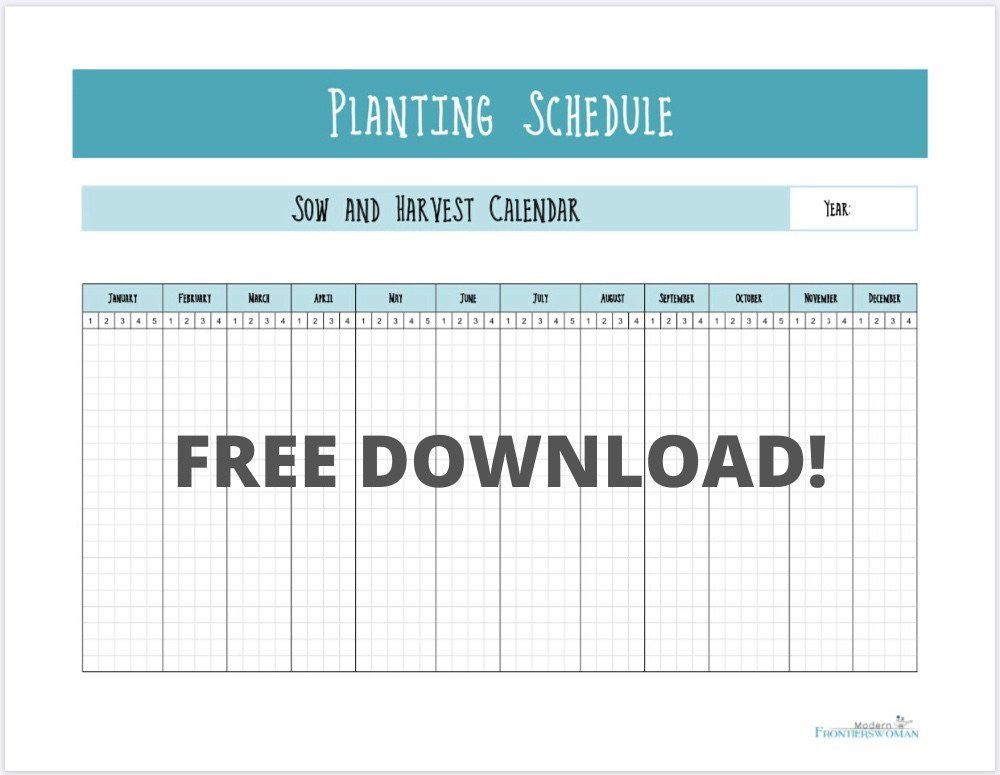
You can make your own succession garden schedule on a computer software such as Microsoft Excel or by hand using graph paper. Enjoy this free printable page from the Garden Design and Planning Tool to create your own succession planting schedule.
Subscribe
Need More Guidance on Your Succession Garden Schedule?
You may be interested in these ideas to help you plan your garden this season!
- Raised Bed Vegetable Garden Plan
- Farm Layout Ideas: Site Plan Designs for Your Homestead
- Veggie Garden Supply List (includes starting seeds indoors)
- Unlock the Secrets to a Perfect Garden Layout! (A Reference Tool for Gardeners)
- Chaos Gardening for Perpetual Harvests
Share this Post on Social Media!
For more inspiration, follow my Pinterest Board: Gardening, Growing Food, Landscaping.

A gorgeous example of how to work with what you have, this is proof that you really can plant anywhere. Before taking old wheelbarrows or even barbecues to the skip, think about how to repurpose them as decorative plant containers. You may need to drill in drainage holes, but once that is sorted, fill them up with an array of foliage. Try Hosta, Caladiums, ornamental grass or you could even go for a wildflower mix for added colour and texture. Thrifty and fabulous.