
There is nothing like a hot cup of tea to cure what ails you! Growing a medicinal tea garden is an incredible resource for making herbal tea and medicines at home. Buying bulk herbs can be quite expensive, whereas garden plants and seeds are a one time purchase that will keep producing for years to come.
Medicinal tea gardens are often created by grouping herbs with the same action or that treat the same ailment, rather than aesthetics. Many medicinal herbs can become weedy and invasive, especially those in the mint family. You may want to keep them contained in small beds or containers. There are many herbs with showy flowers that would do well in a standard flower bed or wildflower garden, just be sure you are able to identify them confidently.

Herbalism today is often viewed as a subcategory of medicine, however it is the compounds extracted from plants that served as the basis for nearly all modern medications. Many believe that these beneficial constituents in plant medicine are safer when taken as whole plants and herb combinations to reduce the risk of drug side effects and toxicity.
Herbal tea, also known as a tisane, is one of the oldest forms of medicine, dating back thousands years. Herbal tea has been used in traditional Chinese medicine since as early as 2737BC and today is consumed worldwide. For a more detailed overview of herbal medicine and plants, read “The Complete Medicinal Herbal”.
How to Brew Herbal Tea
There are two methods for brewing herbal tea:
- Infusion – Typically used for more delicate material such as flowers and leaves. To prepare a hot infusion, pour boiling water over plant material in either a cup or teapot and let steep for 10-15 minutes. To make a cold infusion, allow plant material to soak in cold water in a refrigerated infusion pitcher for 24-48 hours. Strain and drink.
- Decoction – Required method for tough plant material like stems, fruits, seeds, roots and bark. Add approximately 1TBS plant material per cup of water and boil for 20-40 minutes. Strain and drink.
How to Create a Tea Blend
Plant material for tea can be used fresh or dried. If you are growing medicinal plants in your tea garden, you can dry them for later use with a dehydrator or by tying the stems together and hanging them for 4-6 weeks. Roots or bark may need to be roasted in a 200 degree oven to achieve complete drying.
Different herbs can be mixed into tea blends for flavor or medicinal goals. A good rule of thumb is to blend three herbs:
- Base (3 parts) – performs the most important action for healing.
- Support (1-2 parts) – assists and compliments the base herb, improves flavor, or addresses a secondary medicinal goal.
- Accent (1/4-1 part) – typically a stronger flavor added for balance and palatability, can aid in supporting medicinal goals.
You could also add rooibos, mushroom powder, green, white, or black tea leaves to your herbal blends. To learn more recipes for creating your own herbal tea blends check out the book “Healing Herbal Teas: Learn to Blend 101 Specially Formulated Teas for Stress Management, Common Ailments, Seasonal Health, and Immune Support”
Want to try some medicinal tea blends before you decide which herbs to grow? Here are some of my favorite brands of medicinal tea:
- Traditional Medicinals
- Tea Tonix
- The Republic of Tea
- Yogi Tea
- Gaia Herbs
- Secrets of Tea
- Triple Leaf Tea
Disclaimer: Always consult a medical professional, pharmacist or herbalist when adding medicinal herbs to your routine. Take extra caution during pregnancy. The following information is for educational purposes and not intended as a treatment plan for any specific medical conditions.
Plants Used for Herbal Tea
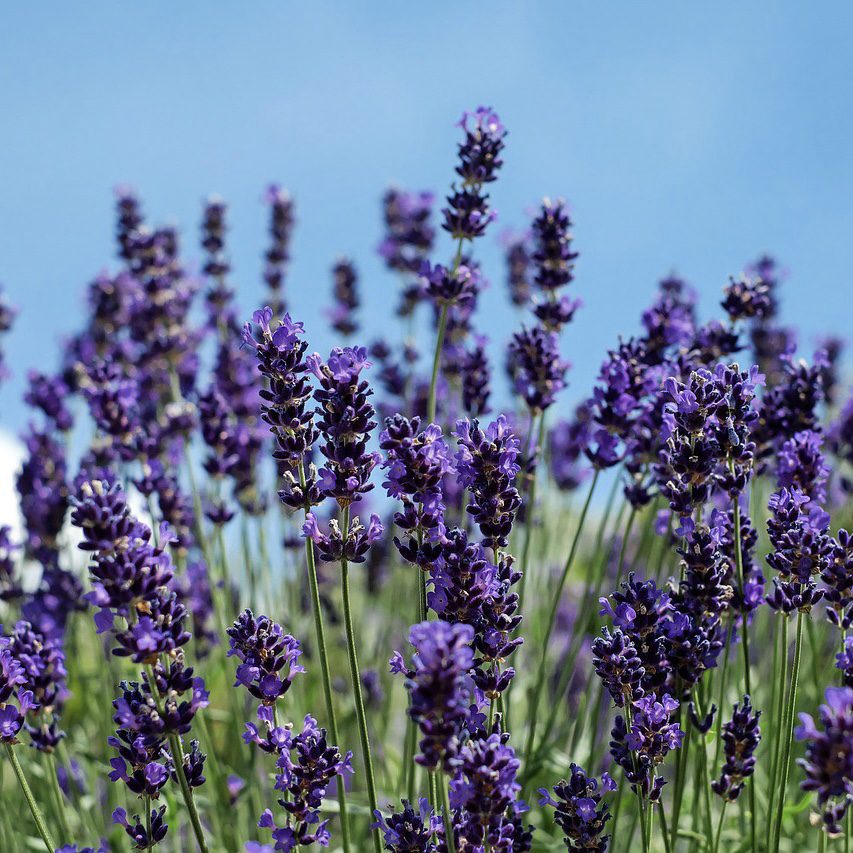
1. Lavender
Aka: Lavendula spp.
Flavor Profile: cooling, dry, bitter
Parts Used: flowers
Medicinal Qualities: sedative and relaxing nerve tonic to relieve headaches, anxiety and sleeplessness, relieves indigestion, stimulates bile production, relieves flatulence.
Caution: uterine stimulant, high doses should be avoided during pregnancy.
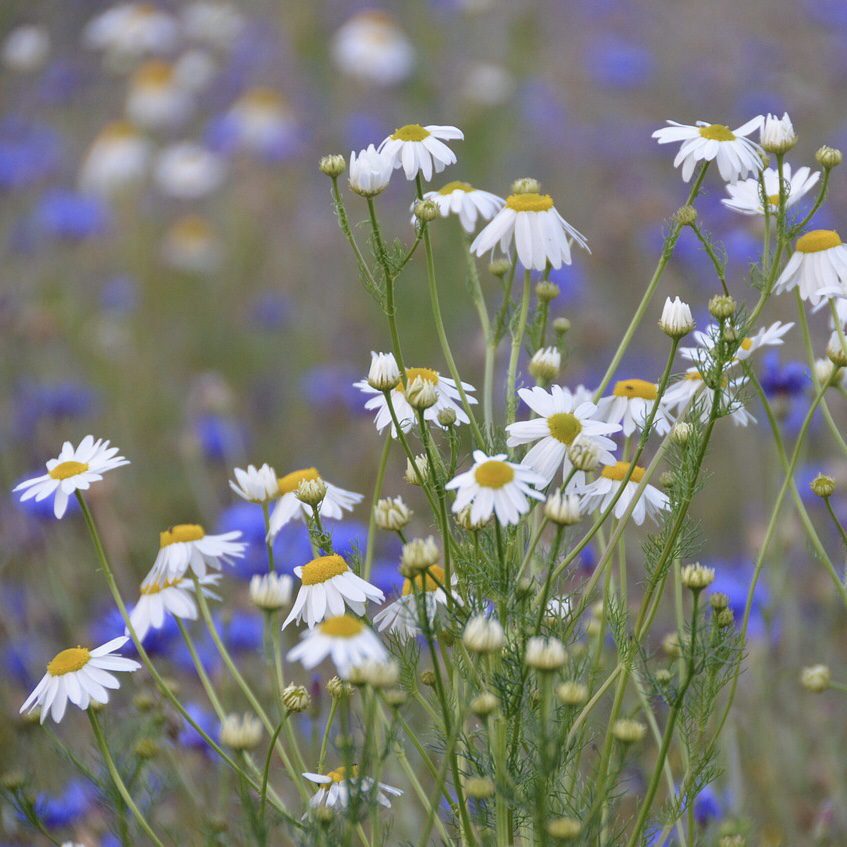
2. Chamomile
Aka: Chamaemelum nobile (Roman), Chamomilla recutita (German), Ground Apple
Flavor Profile: bitter, warm, moist, subtle
Parts Used: flowers
Medicinal Qualities: slightly sedative to promote sleep and relieve anxiety and stress, anti-inflammatory, bitter, prevents vomiting, indigestion, irritable bowels and increases appetite.
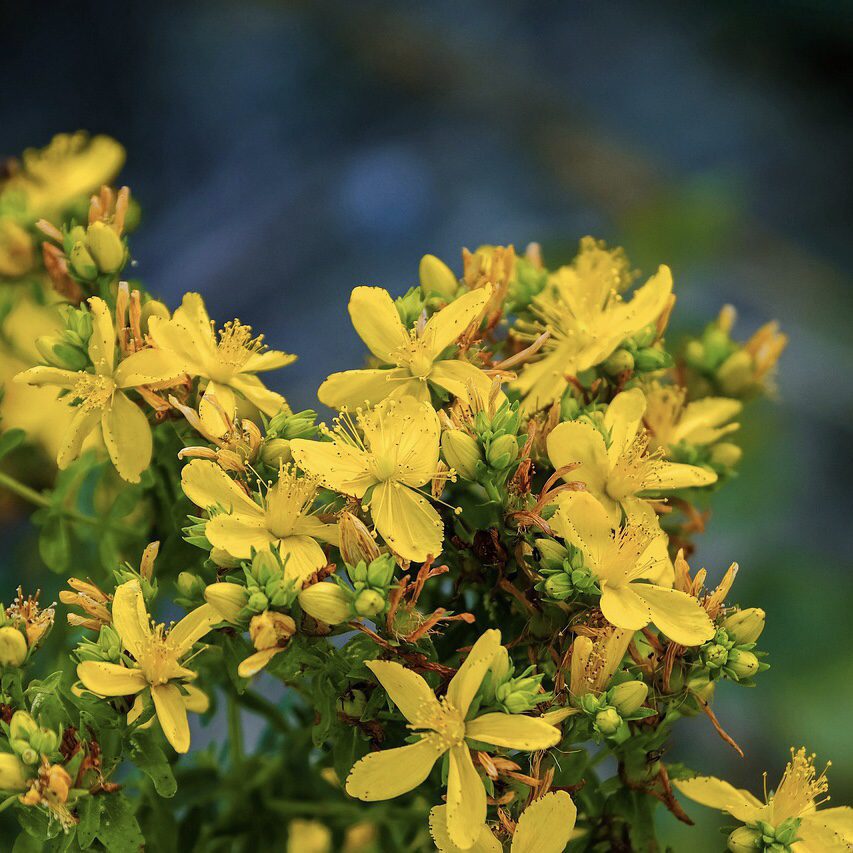
3. St. John’s Wort
Aka: Hypericum perforatum, Heal All
Flavor Profile: bitter-sweet, cool, drying
Parts Used: leaves, flowers
Medicinal Qualities: uplifting and restorative nerve tonic combats depression, anxiety, tension, irritability, nerve pain and menopausal symptoms.
Caution: can cause dermatitis, avoid prolonged sun exposure after taking.
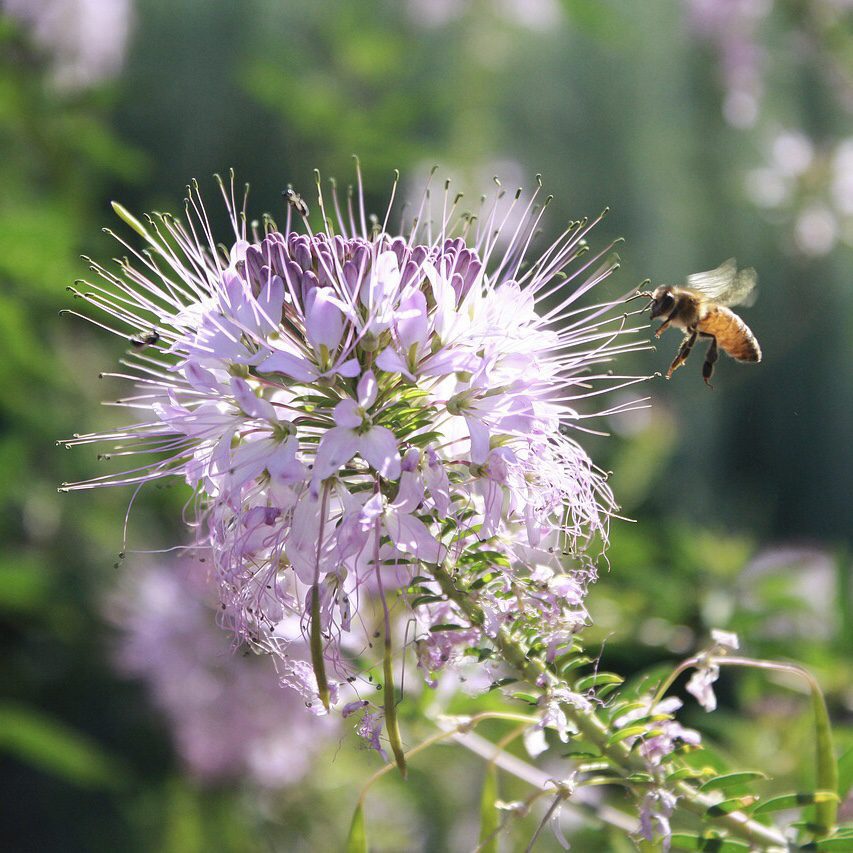
4. Bergamot
Aka: Monarda spp., Bee Balm,
Flavor Profile: warming, dry
Parts Used: petals
Medicinal Qualities: anti microbial soothes sore throats, cold symptoms and the digestive tract, sedative nerve tonic for depression and anxiety.
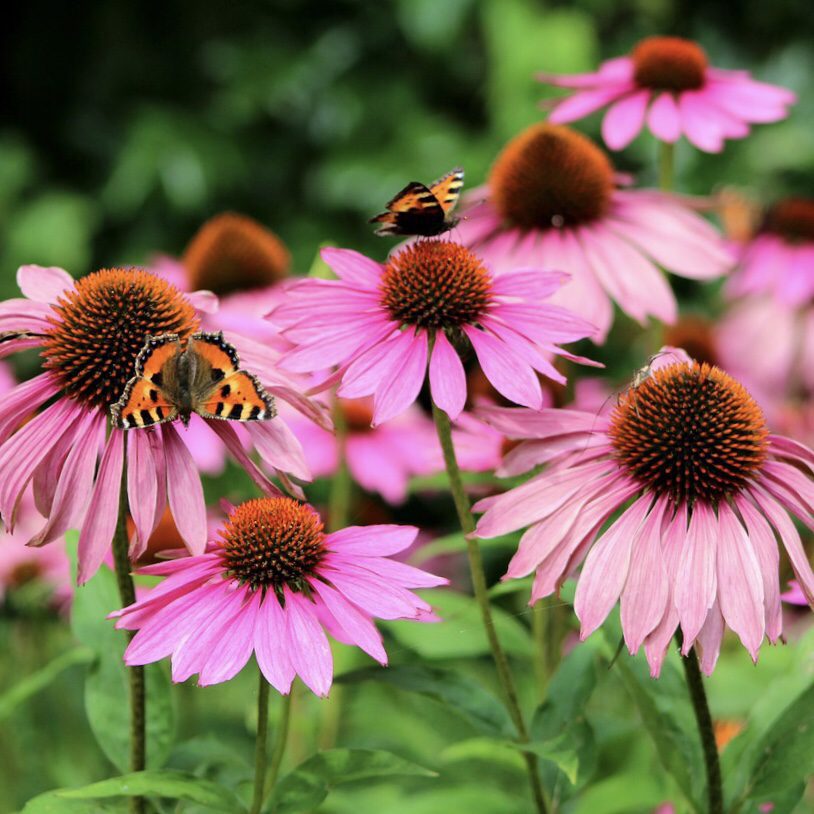
5. Echinacea
Aka: Echinacea spp., E. Purpurea, E. Angustifolia, Purple Coneflower
Flavor Profile: pungent, cool, dry
Parts Used: root
Medicinal Qualities: Antiviral, antifungal and antibacterial properties aid in reducing inflammation, infections, coughs and colds. Tonic for the lymphatic system as well as an immune booster.
Caution: high doses can cause nausea
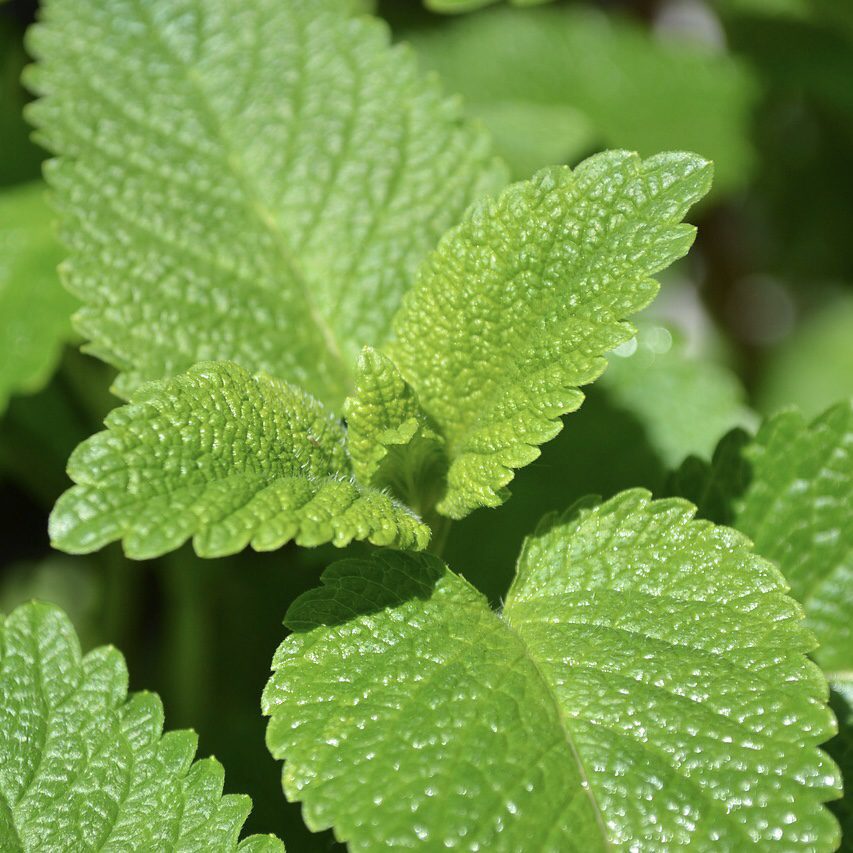
6. Lemon Balm
Aka: Melissa officinalis
Flavor Profile: sour, slightly bitter, cooling, dry
Parts Used: leaves
Medicinal Qualities: sedative and restorative nerve tonic relieves symptoms of depression and anxiety, antiviral, antibacterial, stimulates digestive system and relieves flatulence.
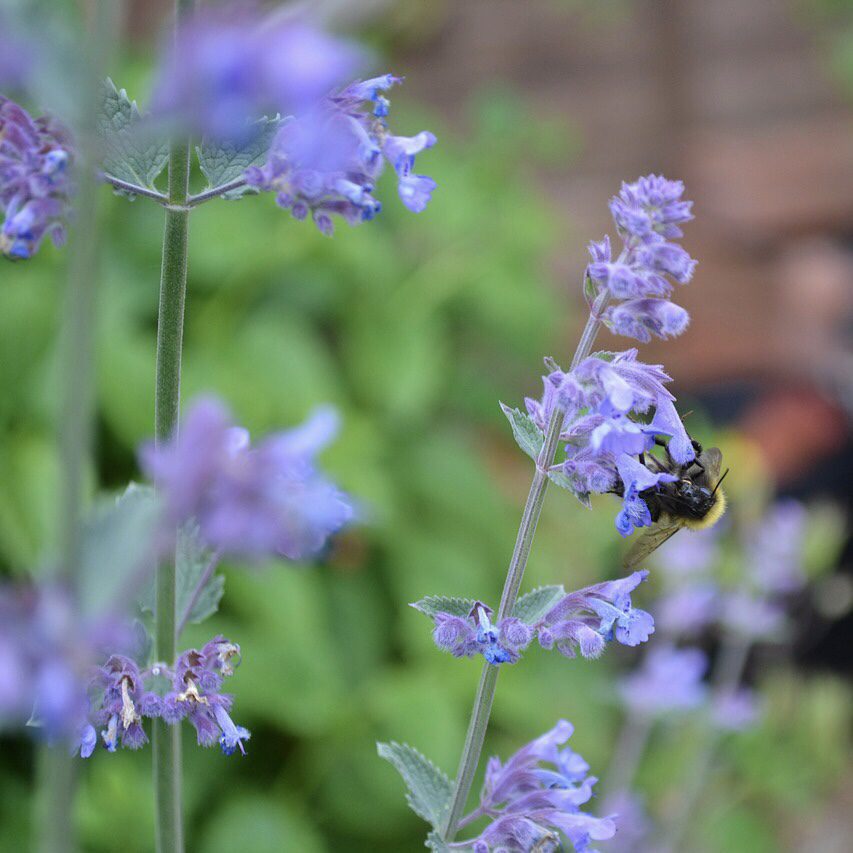
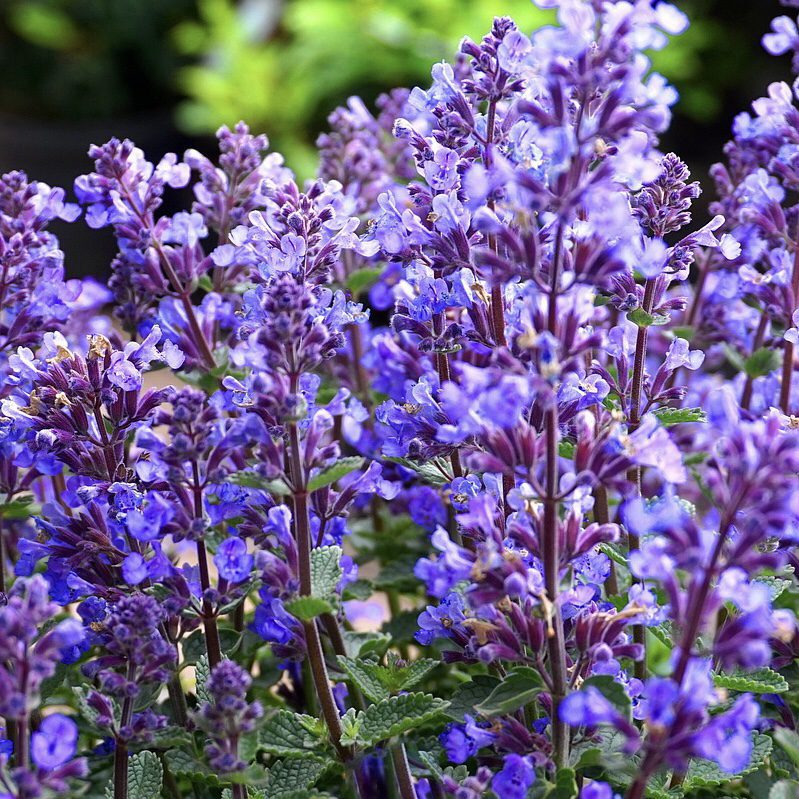
7. Catmint
Aka: Nepta Cataria, Catnip
Flavor Profile: bitter, slightly salty, cooling
Parts Used: flowers, leaves
Medicinal Qualities: sedative properties promotes sleep and reduce anxiety, increases appetites, soothes indigestion and promotes healthy menstruation.
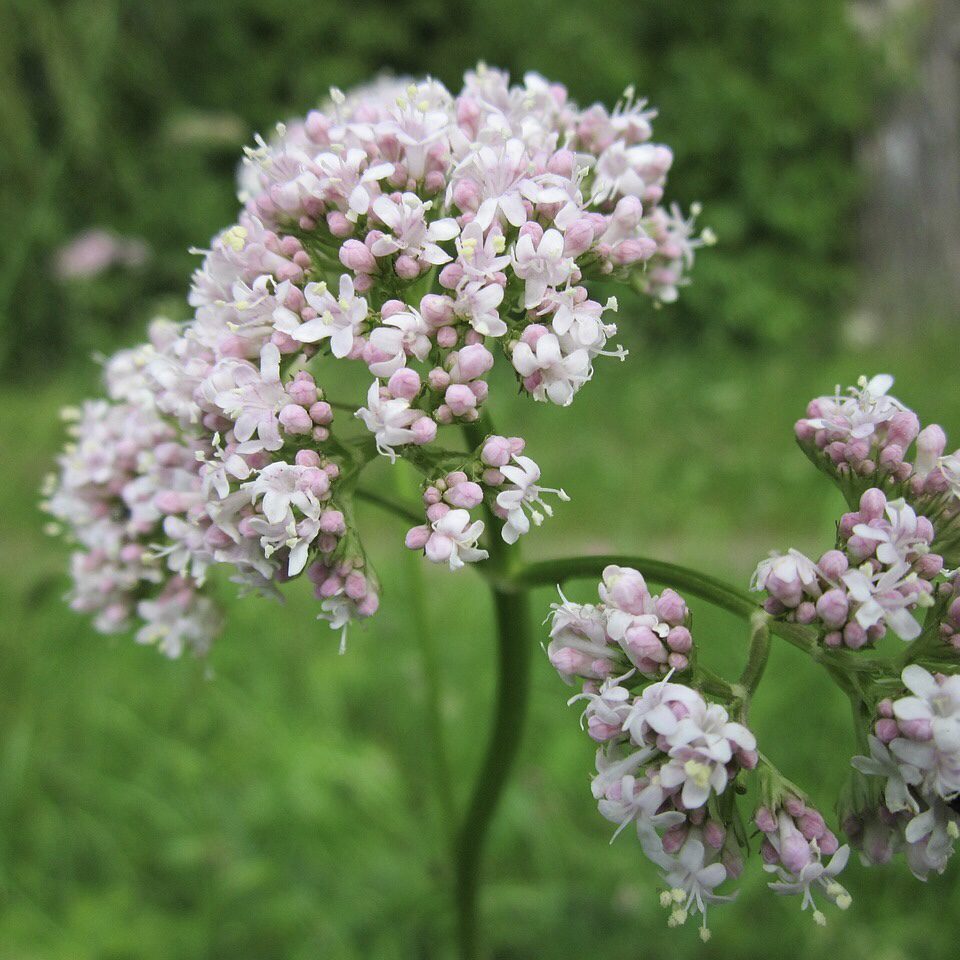
8. Valerian
Aka: Valeriana officinalis
Flavor Profile: cool, bitter, pungent
Parts Used: roots
Medicinal Qualities: extremely strong sedative that is used for insomnia, anxiety and tension, expectorant properties can assist as a cough remedy.
Caution: avoid mixing with other sleep medications, meant for occasional use (no more than 3 weeks at a time).
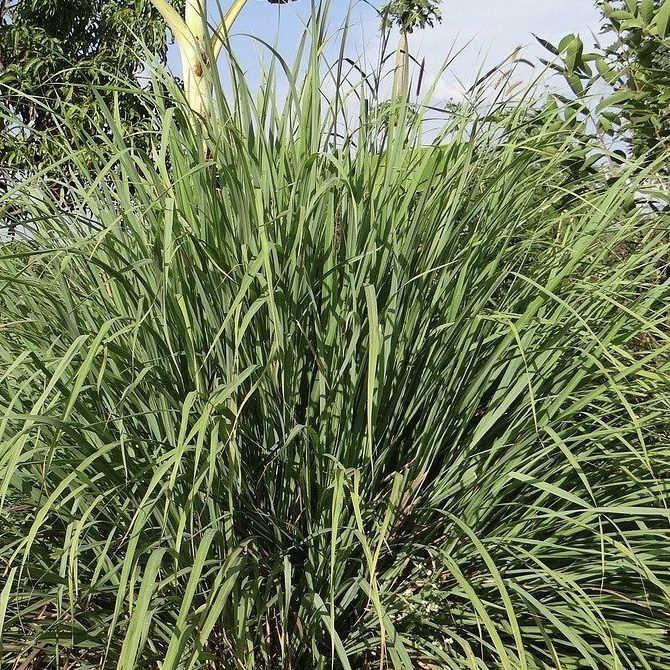
9. Lemongrass
Aka: Cymbopogon, Citronella
Flavor Profile: pungent, sour
Parts Used: leaves
Medicinal Qualities: high in antioxidants, aids in healthy digestion and boosts metabolism and immune system, antimicrobial, anti-inflammatory, diuretic properties help cleanse urinary system and relieve bloating, uplifting mood booster can help relieve anxiety.
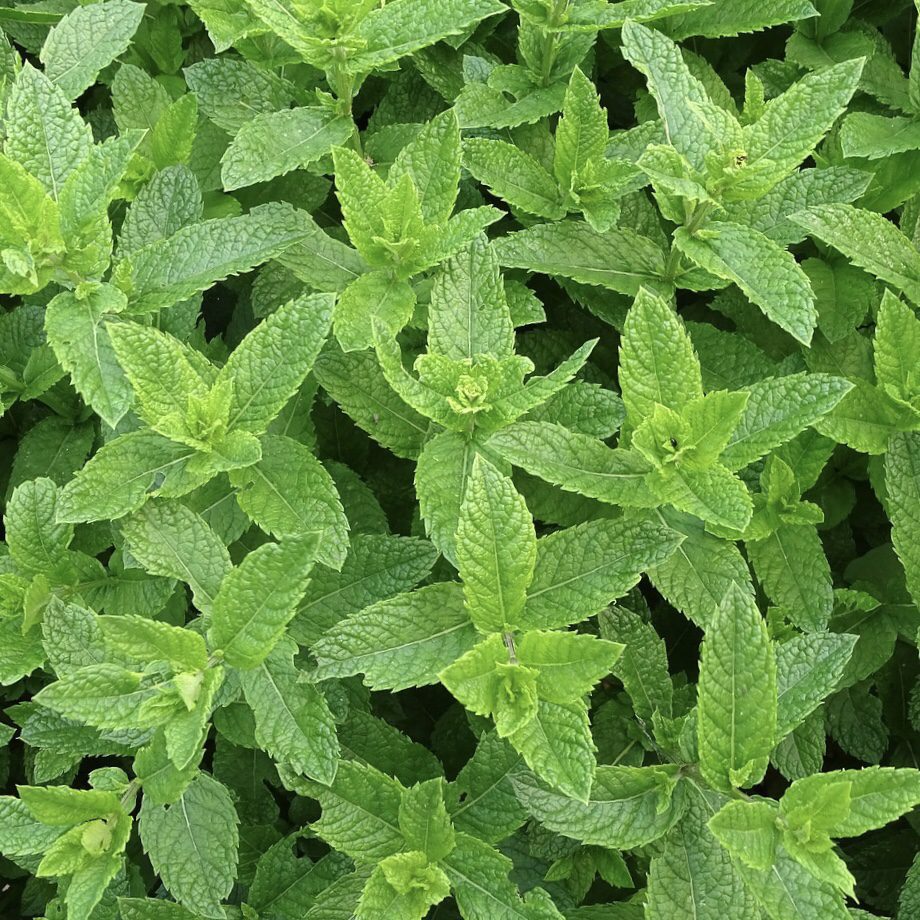
10. Mint
Aka: Mentha spp., M. piperita, Peppermint, M. arvensis, M. spicata, Spearmint
Flavor Profile: cool, pungent, dry
Parts Used: leaves, stem
Medicinal Qualities: digestive tonic soothes nausea and indigestion, stimulates bile flow and relieves flatulence, promotes sweating to reduce fevers.
Caution: can reduce milk flow.
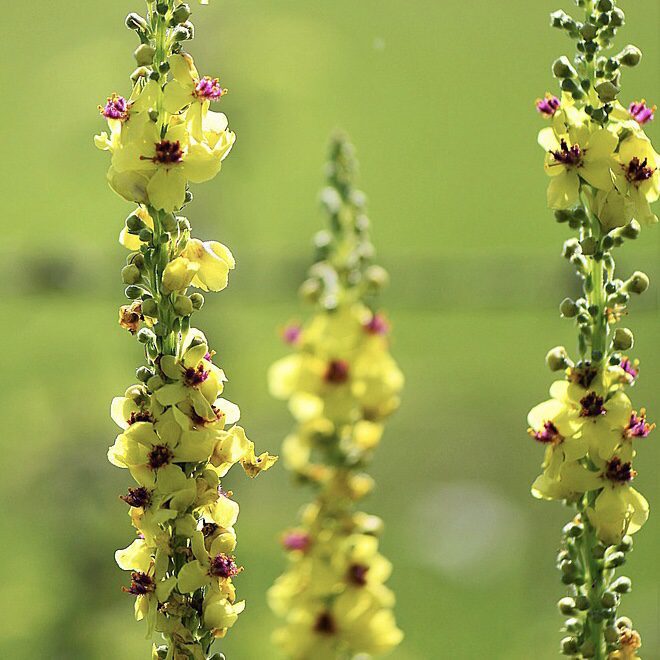
11. Mullein
Aka: Verbascum thapsus
Flavor Profile: slightly sweet, cool
Parts Used: flowers, leaves
Medicinal Qualities: expectorant remedy for asthma, bronchitis, coughs and sore throats, promotes sweating to reduce fevers, slightly sedative, anti-inflammatory, astringent.
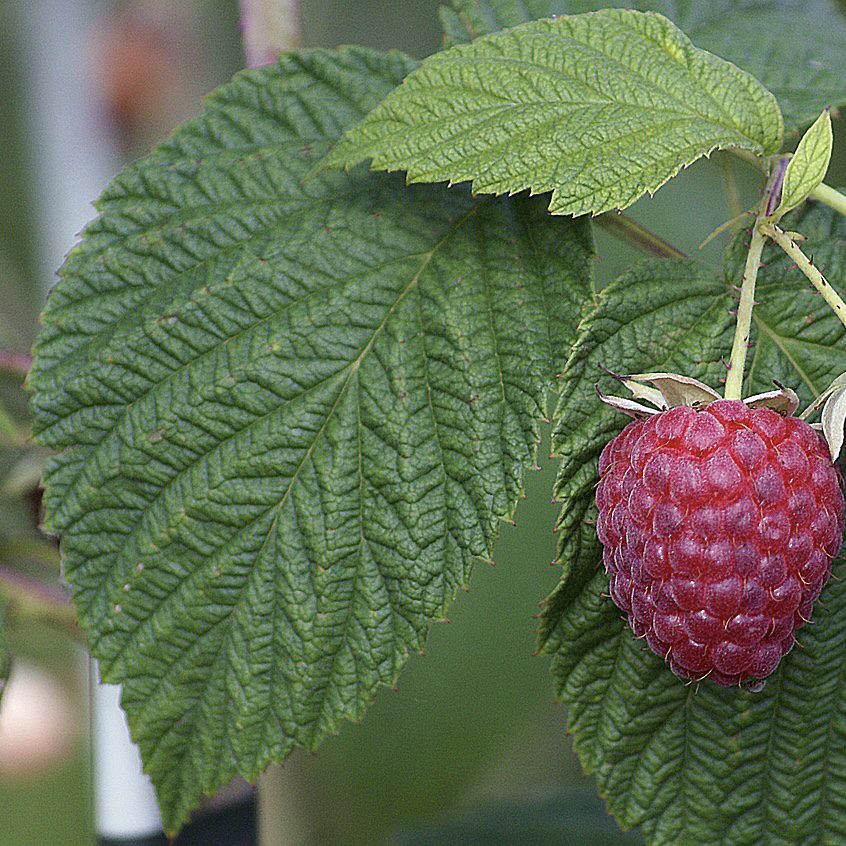
12. Raspberry
Flavor Profile: cooling, dry astringent
Parts Used: leaves, berries
Medicinal Qualities: raspberry leaf tea is recommended during last trimester of pregnancy to stimulate the uterus and prepare for childbirth, eases diarrhea and soothes sore throats.
Caution: uterine stimulant should be avoided during early pregnancy.
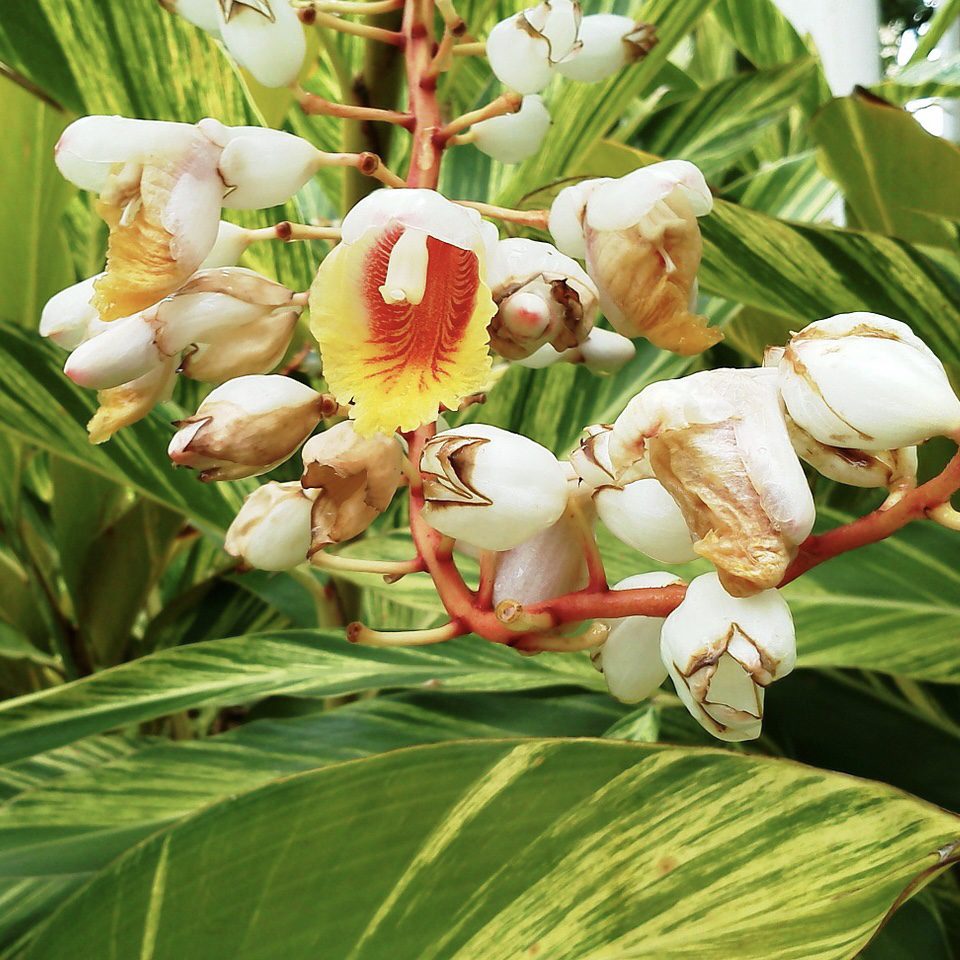
13. Ginger
Aka: Zingiber officinalis
Flavor Profile: warm, pungent, dry
Parts Used: Roots
Medicinal Qualities: prevents vomiting and is used for morning sickness in pregnancy, nausea and motion sickness, stimulates circulatory system to promote sweating and reduce fevers, expectorant used for colds and sore throats.
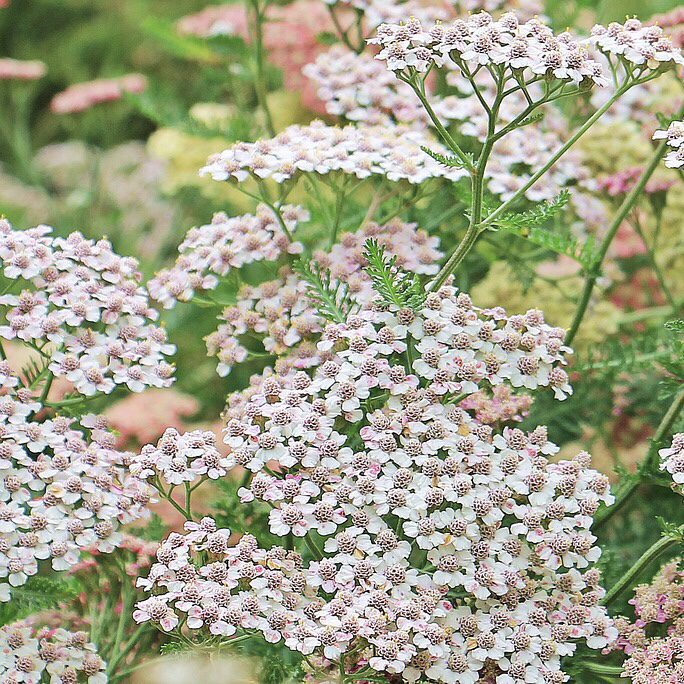
14. Yarrow
Aka: Achillea millefolium, Nosebleed
Flavor Profile: cool, sweet, slightly bitter.
Parts Used: flowers and leaves.
Medicinal Qualities: astringent, digestive tonic for GI problems, promotes sweating to reduce fevers, helps clear upper respiratory system for asthma or colds, restorative for menstrual system.
Caution: uterine stimulant should be avoided during pregnancy.
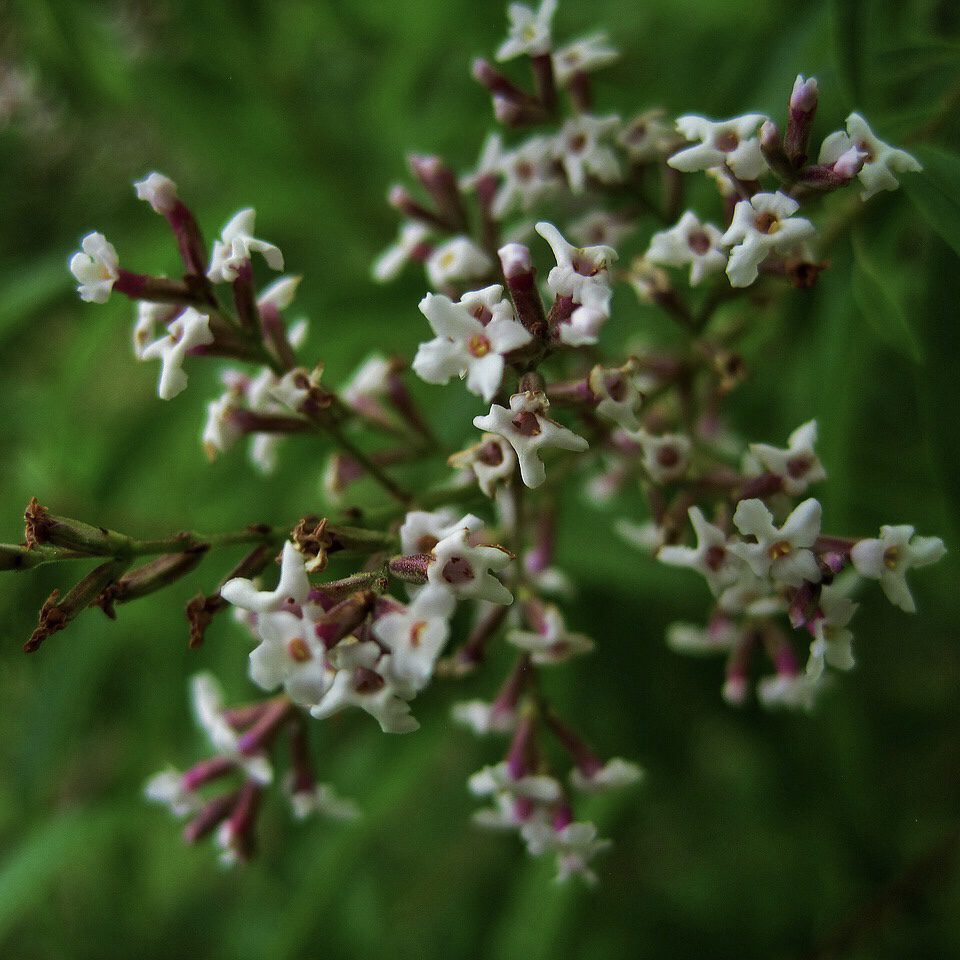
15. Lemon Verbena
Aka: Aloysia citrodora, Lemon Beebrush
Flavor Profile: pungent, sour, slightly sweet
Parts Used: leaves
Medicinal Qualities: digestive remedy for upset stomach, diarrhea and constipation, antispasmodic, anti-inflammatory, sedative used for insomnia and anxiety, promotes sweating to reduce fevers, expectorant boosts immune system and is used for congestion, colds and asthma.
Caution: avoid use with kidney disorders.
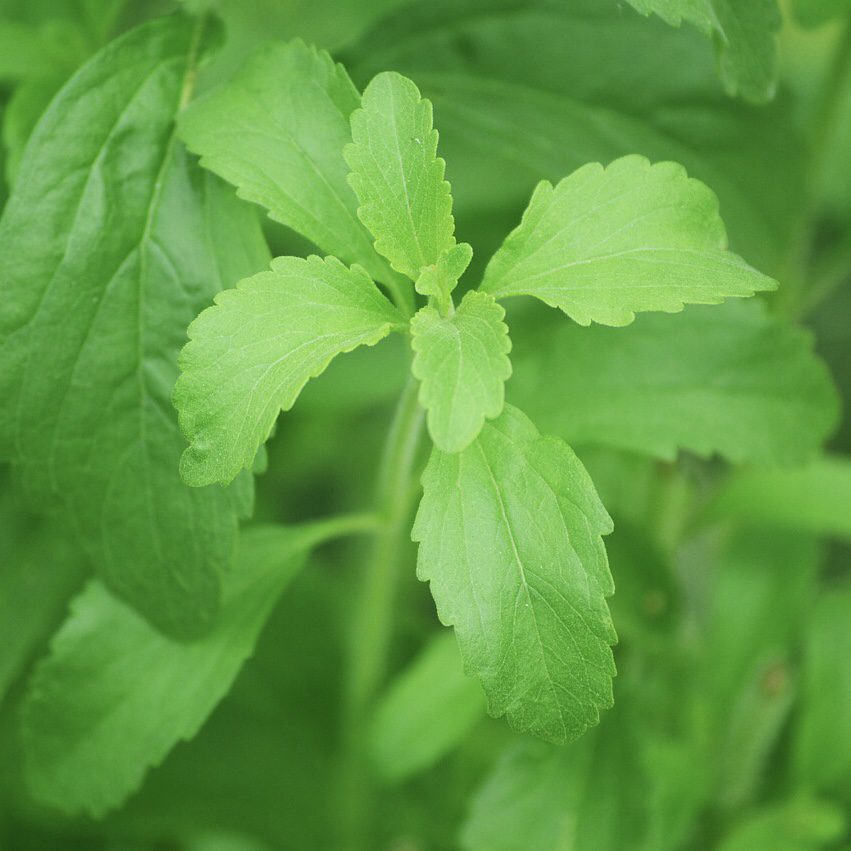
16. Stevia
Aka: Stevia rebaudiana
Flavor Profile: very sweet
Parts Used: leaves
Medicinal Qualities: can help lower cholesterol, blood pressure and blood sugar, protects teeth against cavity causing bacteria, can help prevent ear and respiratory infections.
Caution: do not mix with medications that lower blood pressure or blood sugar.
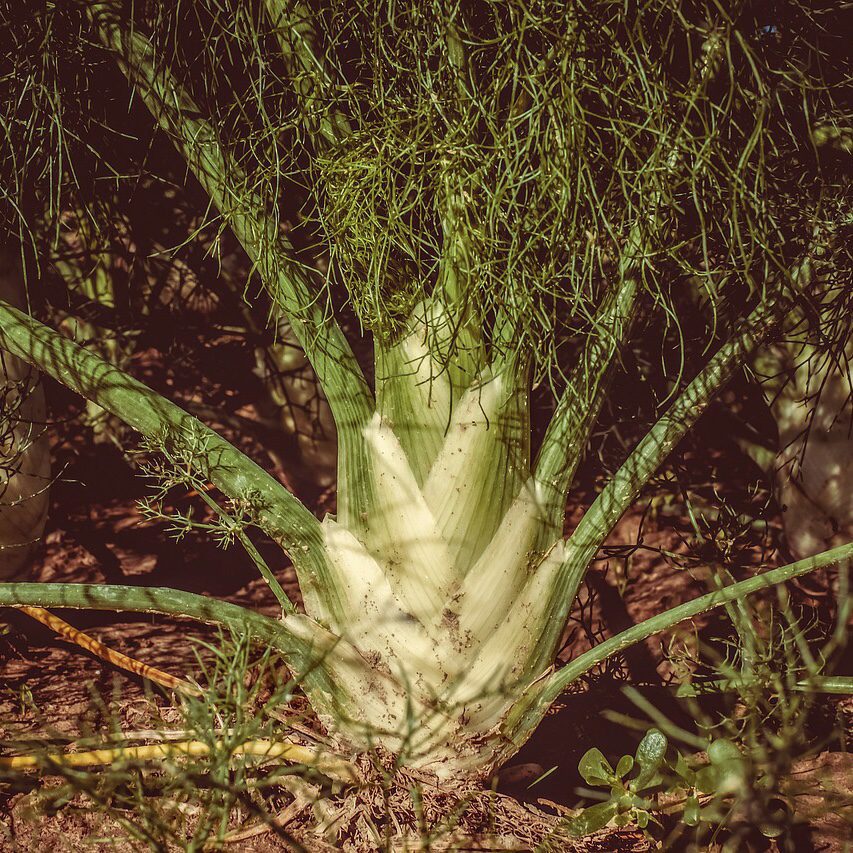
17. Fennel
Aka: Foeniculum officinalis
Flavor Profile: sweet, warming, pungent, dry
Parts Used: seeds, roots
Medicinal Qualities: soothes digestive system to relieve flatulence and colic, promotes milk flow in nursing mothers, anti-inflammatory, mild expectorant.
Caution: uterine stimulant should be avoided during pregnancy.
18. Sage
Aka: Salvia officinalis, S. miltiorrhiza, dan shen
Flavor Profile: cool, pungent, bitter
Parts Used: leaves, roots
Medicinal Qualities: reduces lactation and night sweats during hormonal changes, cleansing mouthwash which reduces saliva production, liver tonic which improves digestion and bile flow, relaxes blood vessels and stimulates circulatory system while lowering blood sugar.
Caution: uterine stimulant, avoid large doses in pregnancy. Large doses can trigger seizures in patients with epilepsy.
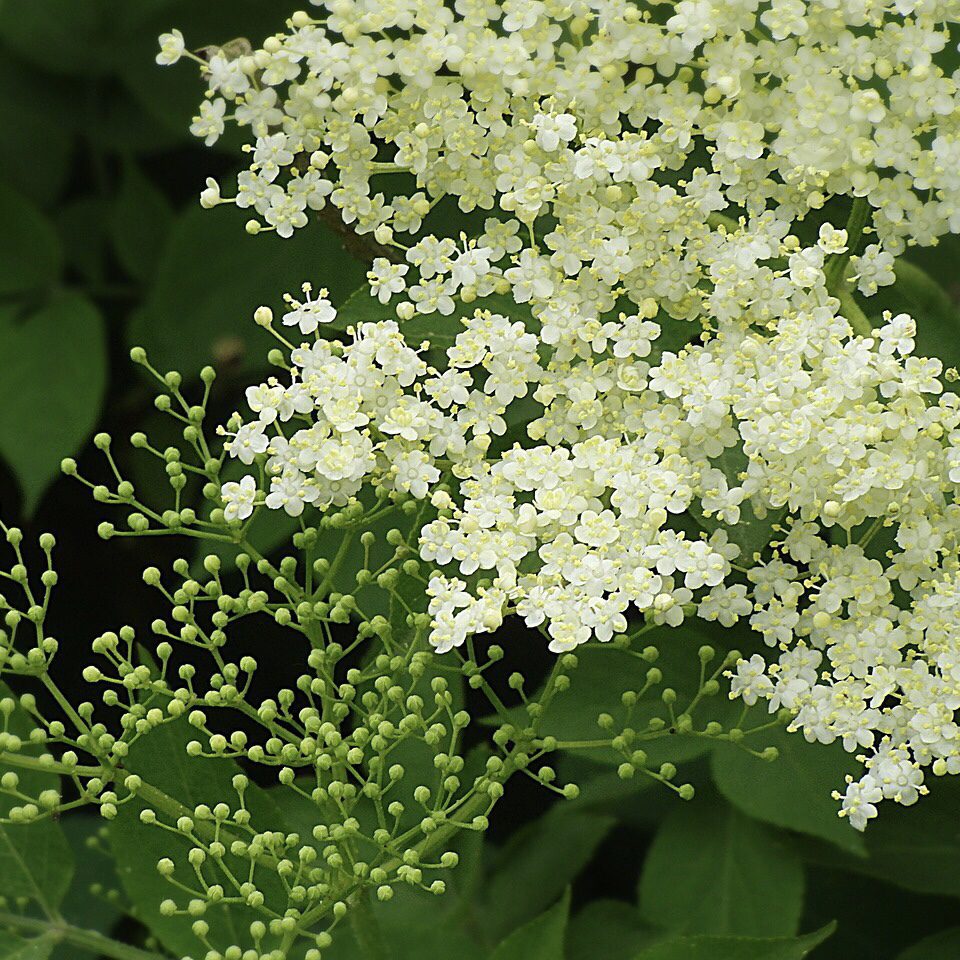
19. Elder
Aka: Sambucus nigra, Elderberry, Elderflower
Flavor Profile: sweet, drying, cool
Parts Used: flowers, berries, bark
Medicinal Qualities: expectorant used for cold and flu symptoms, stimulates circulatory system and promotes sweating to reduce fevers, diuretic and laxative properties.
Caution:can exacerbate dehydration.
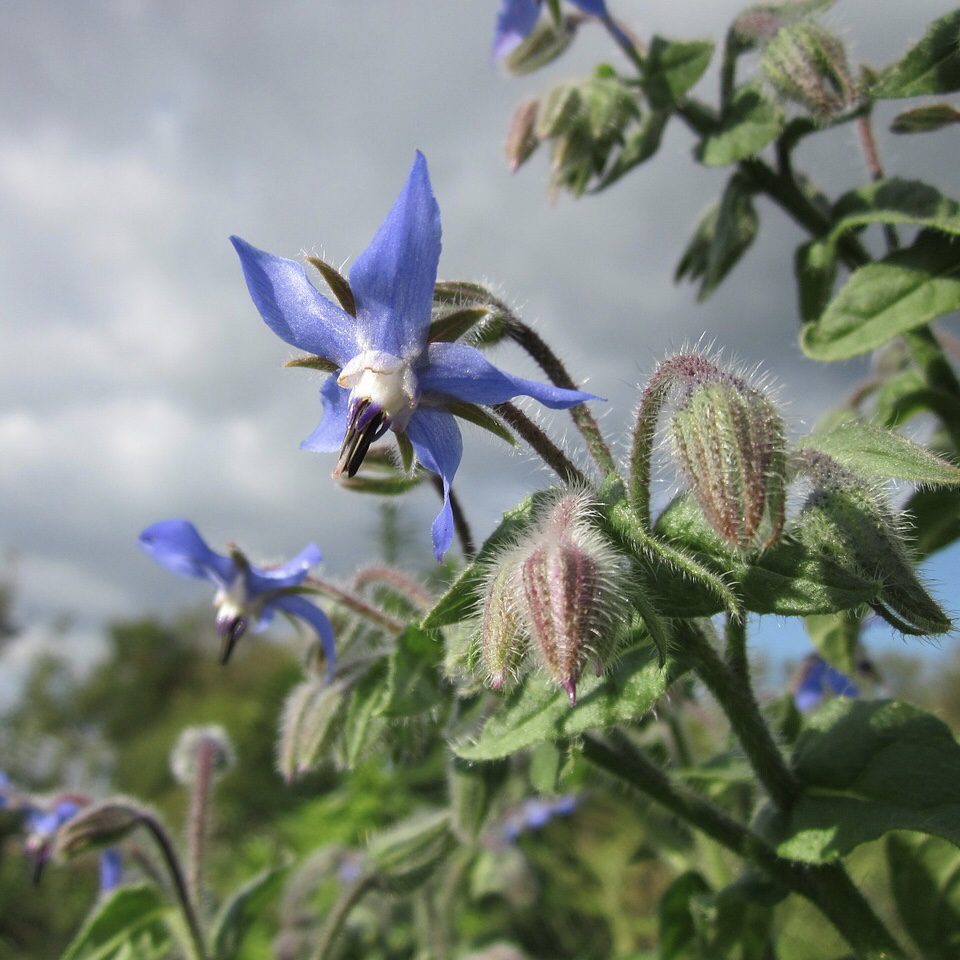
20. Borage
Aka: Borago officinalis
Flavor Profile: slightly sweet, moist, cooling
Parts Used: leaves, flowers.
Medicinal Qualities: adrenal tonic for stress, expectorant and soothing for dry coughs or colds, promotes lactation in nursing mothers, promotes sweating to reduce fevers.
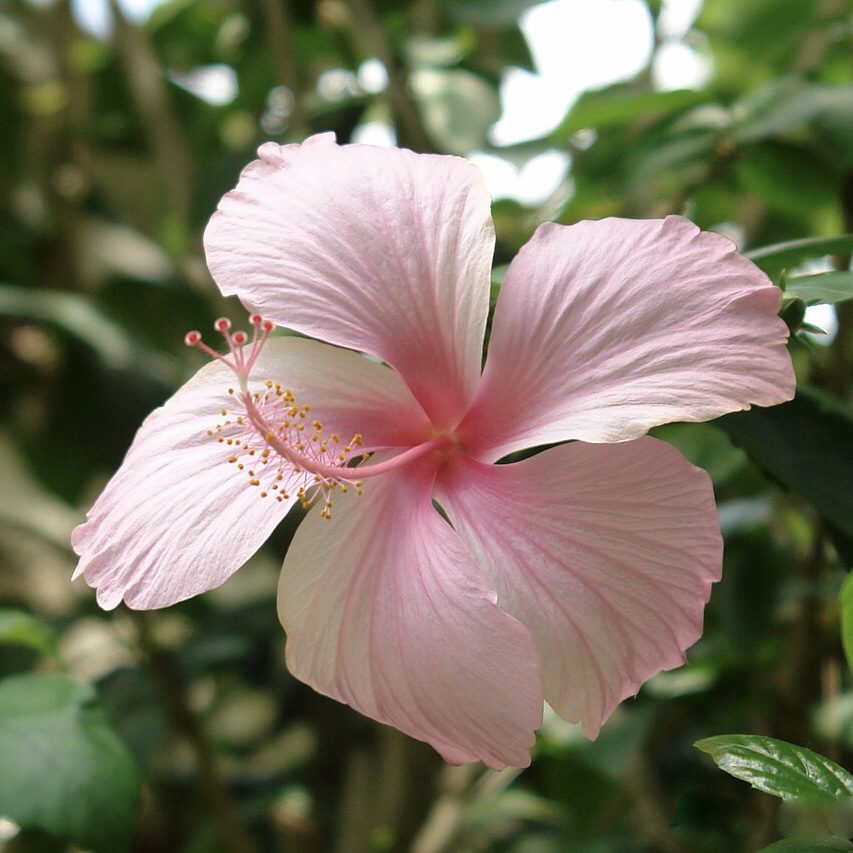
21. Hibiscus
Aka: Hibiscus sabdariffa
Flavor Profile: bitter-sweet, astringent
Parts Used: calyx (sepals)
Medicinal Qualities: high in antioxidants, liver tonic used to lower pressure and cholesterol to promote weight loss, soothes sore throats
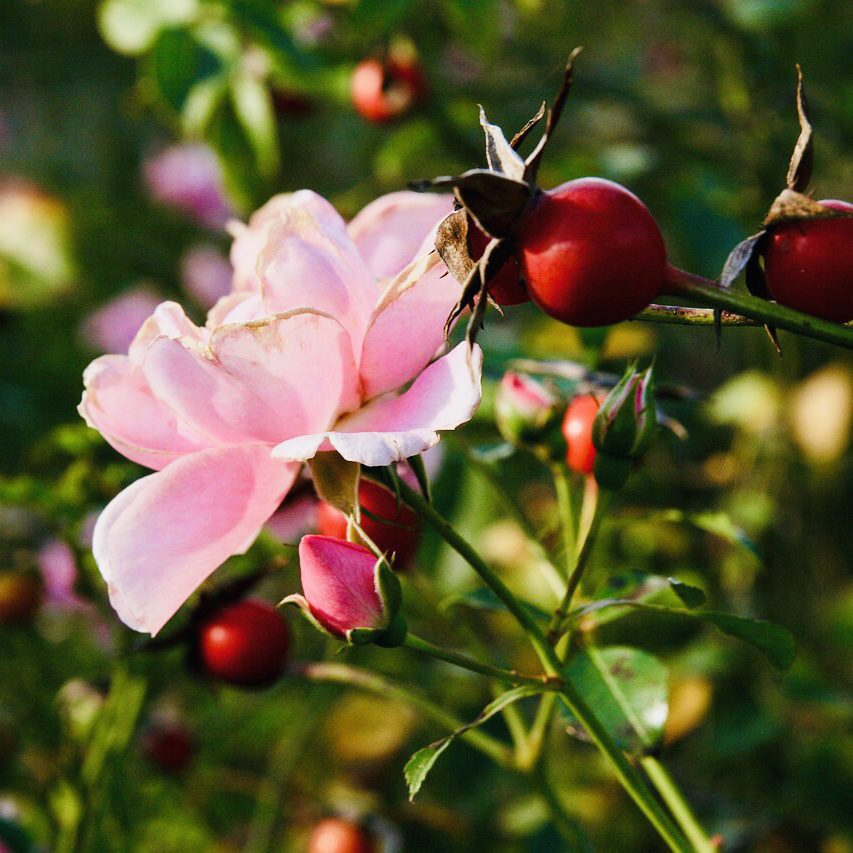
22. Rose
Aka: Rosa spp., R. Canina, R. Laevigata, R. Rugosa, R. Gallica, mei gui hua, jin ying zi
Flavor Profile: sweet, astringent, cooling
Parts Used: rose hips (berries), petals
Medicinal Qualities: high in vitamin C and antioxidants, cleansing, anti-inflammatory and antiseptic properties stimulate the digestive system and regulate mensuration.
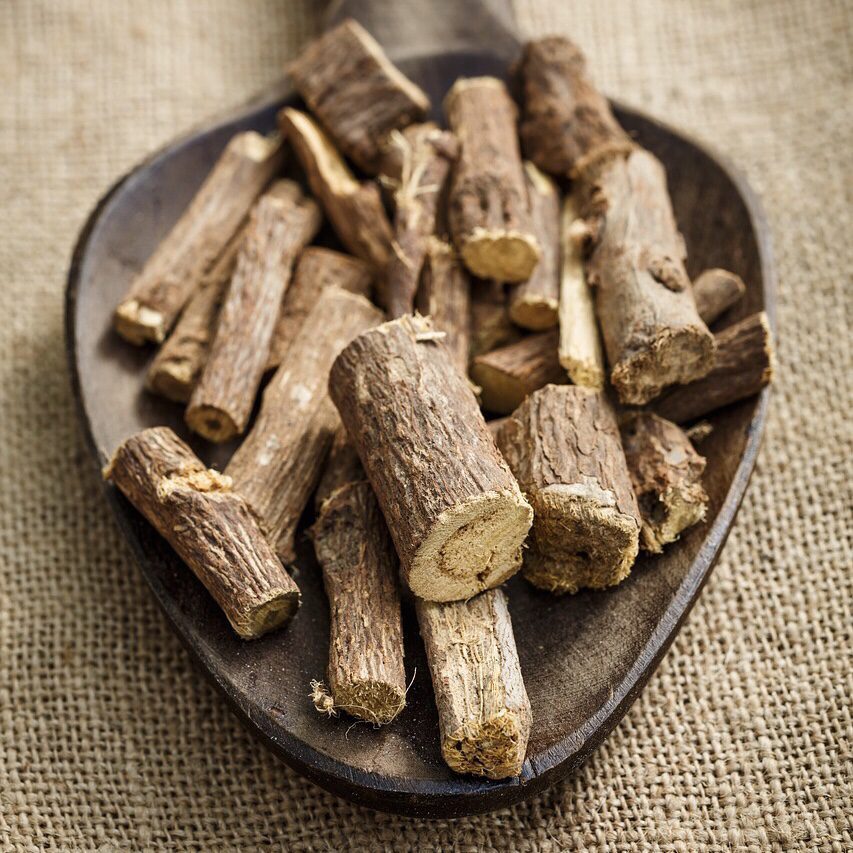
23. Licorice
Aka: Glycyrrhiza spp., G. Glabra, G. Uralensis
Flavor Profile: very sweet, moist, cooling
Parts Used: roots
Medicinal Qualities: soothes mucous membranes in the stomach and digestive tract which relieves symptoms of sore throat and gastric ulcers, expectorant for asthma and bronchitis.
Caution: do not mix with digoxin-based medication.
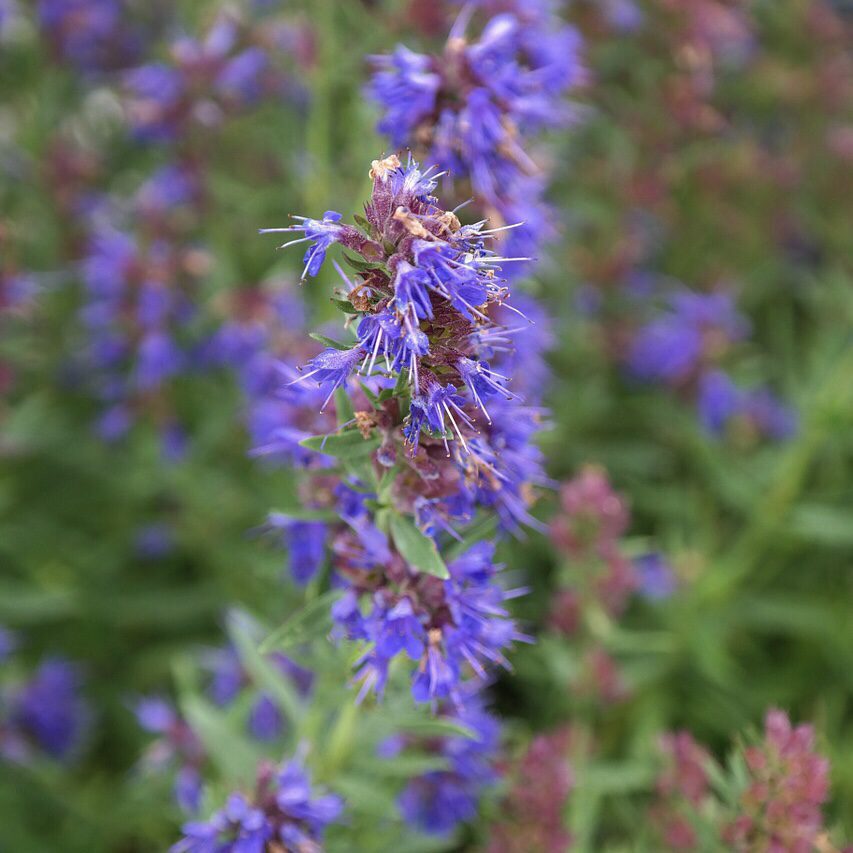
24. Hyssop
Aka: Hyssopus officinalis
Flavor Profile: pungent, warming, bitter, dry
Parts Used: leaves, flowers
Medicinal Qualities: expectorant used to treat colds, asthma and bronchitis, promotes sweating to reduce fevers, soothes stomach and digestive system.
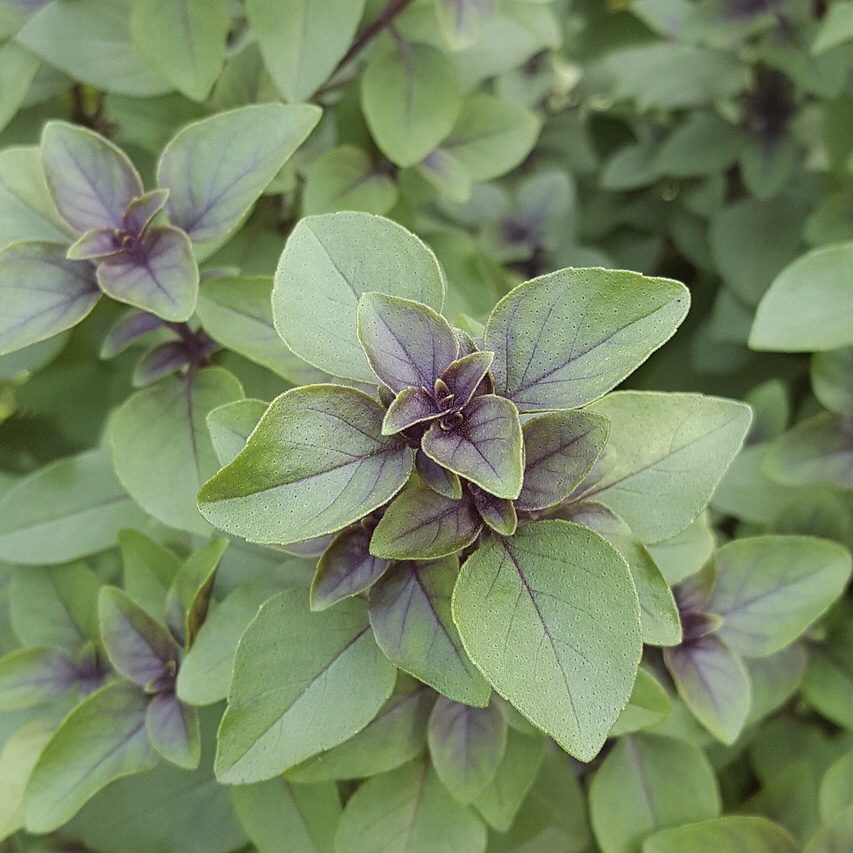
25. Tulsi
Aka: Ocimum spp., O. sanctum, O. tenuiflorum, Rama Tulsi, O. tenuiflorum, Krishna Tulsi, O. gratissimum, Vana Tulsi, Holy Basil
Flavor Profile: bitter, cooling, sweet, pungent
Parts Used: leaves, stem
Medicinal Qualities: high in antioxidants, anti-inflammatory used to treat anxiety, stress and low energy, boosts immune system, detoxifies liver, and prevents kidney stones.
Caution: large doses can cause liver damage.
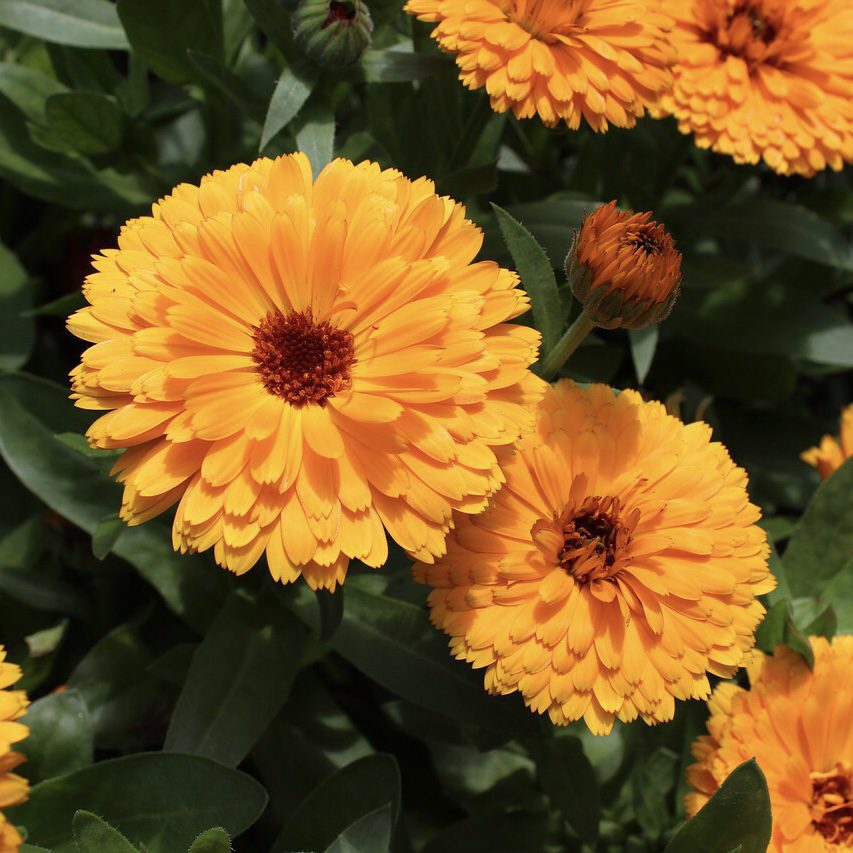
26. Calendula
Aka: Calendula officinalis, Pot Marigold
Flavor Profile: pungent, slightly bitter, cooling
Parts Used: petals
Medicinal Qualities: aids with menopause and period pain, helps gastritis by stimulating bile production, astringent, anti-fungal and anti-inflammatory properties help heal wounds such as mouth ulcers.
Caution: use only Calendula officinalis, not other marigold cultivars.
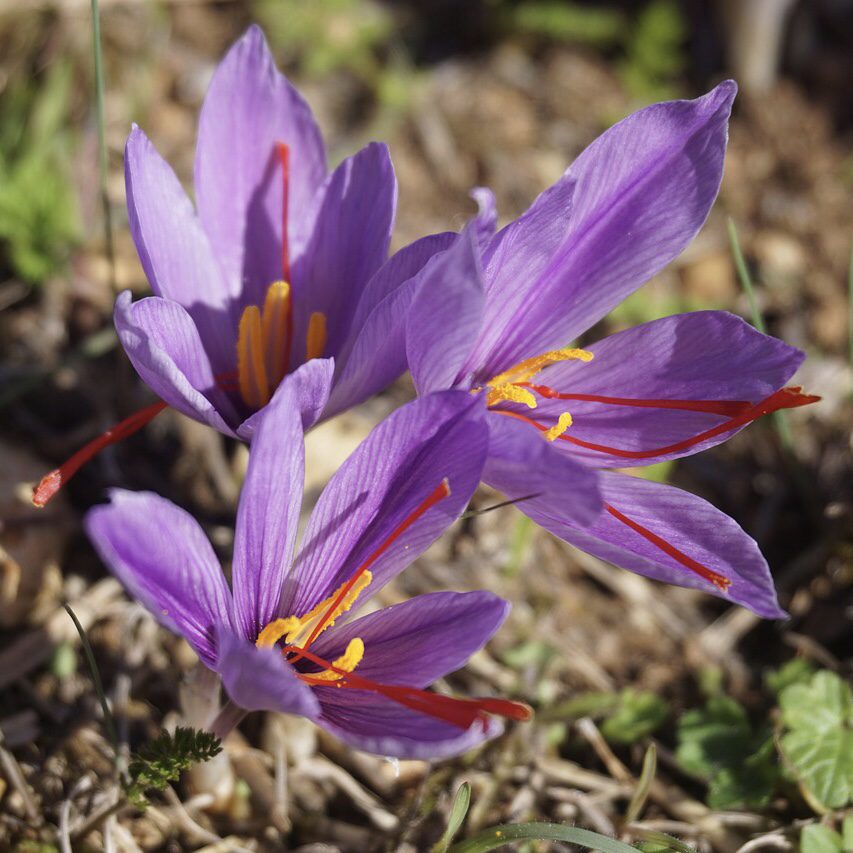
27. Saffron Crocus
Aka: Crocus Sativus
Flavor Profile: pungent, warm, slightly sweet
Parts Used: Stamen
Medicinal Qualities: high in antioxidants, anti-inflammatory improves mood and mental clarity to combat depression, irritability and headaches, reduces appetite to aid in weight loss.
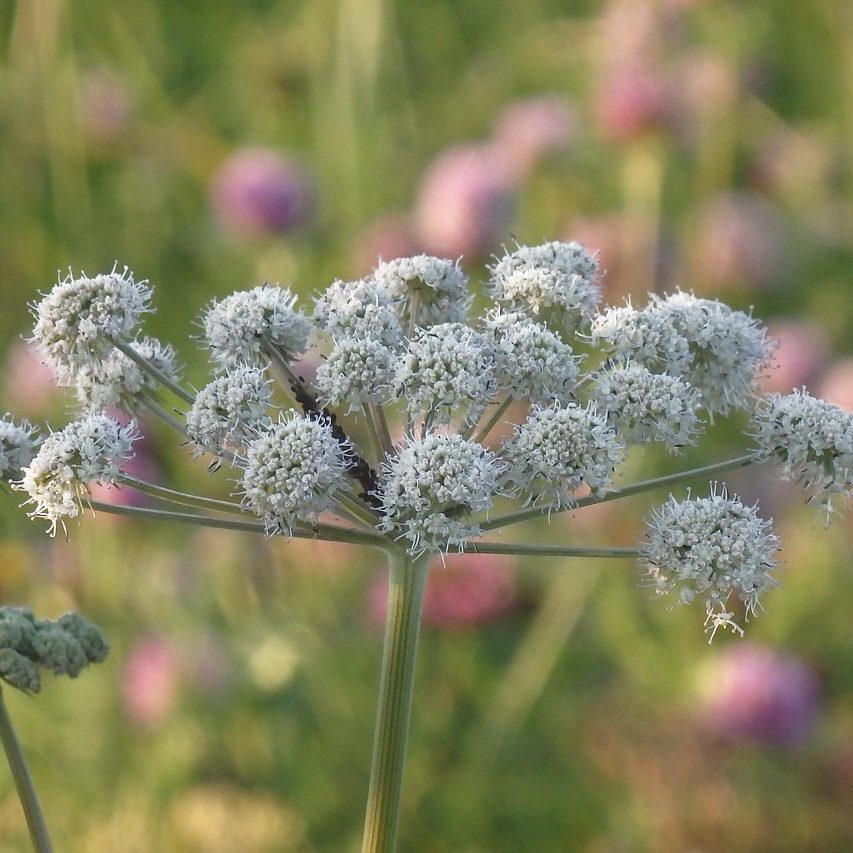
28. Angelica
Aka: Angelica spp., A. Archangelica, A. Sinensis, dang gui, Wild Celery
Flavor Profile: pungent, sweet, warming
Parts Used: leaves, roots
Medicinal Qualities: leaves are used as an expectorant for bronchial problems, an appetite stimulant and digestive tonic, a diuretic and uterine stimulant. Roots stimulate circulation as a blood tonic and act as a laxative.
Caution: uterine stimulant should be avoided during pregnancy.
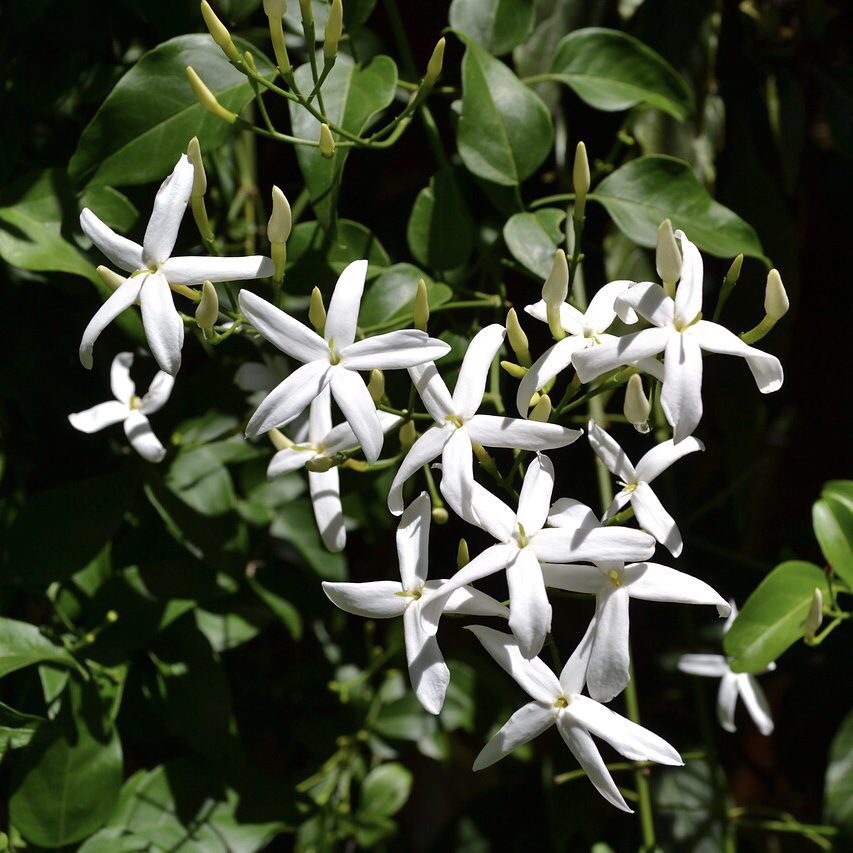
29. Jasmine
Aka: Jasminum officinale, Jasminum sambac, Jasminum sampaguita
Flavor Profile: sweet, floral
Parts Used: flowers
Medicinal Qualities: high in antioxidants which promotes healthy digestion, improves mood and boosts energy levels to help combat depression, slightly sedative to reduce anxiety and promote sleep, eases symptoms of menopause.
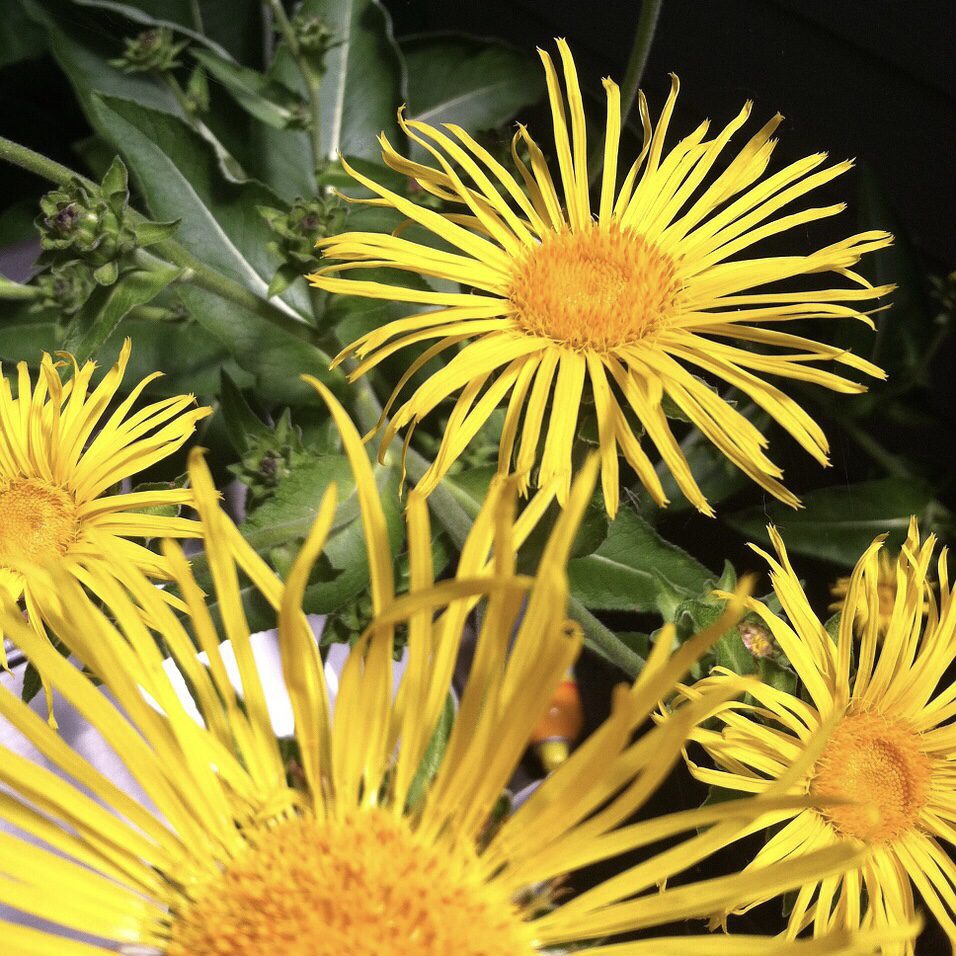
30. Elecampane
Aka: Insula spp., Yellow Starwort
Flavor Profile: slightly sweet, bitter, warm, dry
Parts Used: flowers, roots
Medicinal Qualities: strong expectorant deeply penetrates lungs to relieve coughs, phlegm and congestion, aids in recovery from the flu, colds and other respiratory conditions. Stimulates liver and digestive system and promotes sweating.
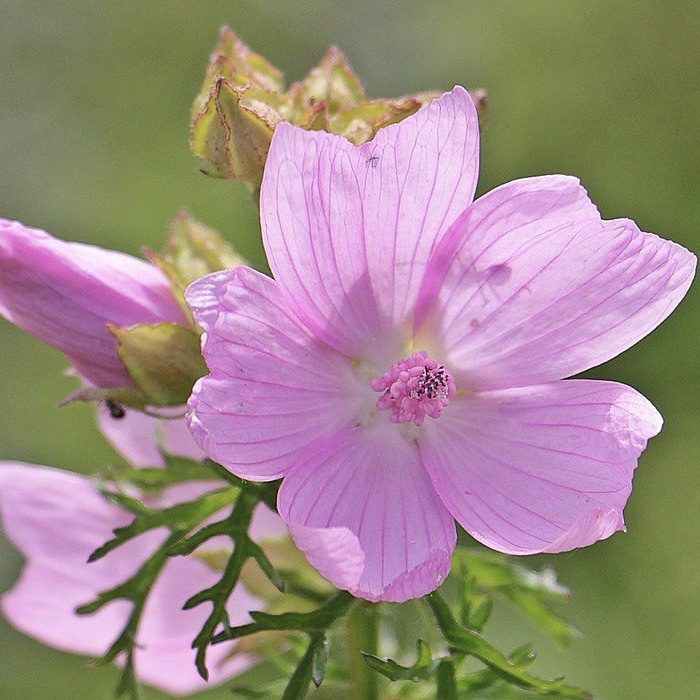
31. Marshmallow
Aka: Althea officinalis
Flavor Profile: cool, moist, sweet
Parts Used: flowers, leaves, roots
Medicinal Qualities: expectorant to soothe and heal coughs, bronchitis, or throat irritation, diuretic aids in clearing up urinary infections.
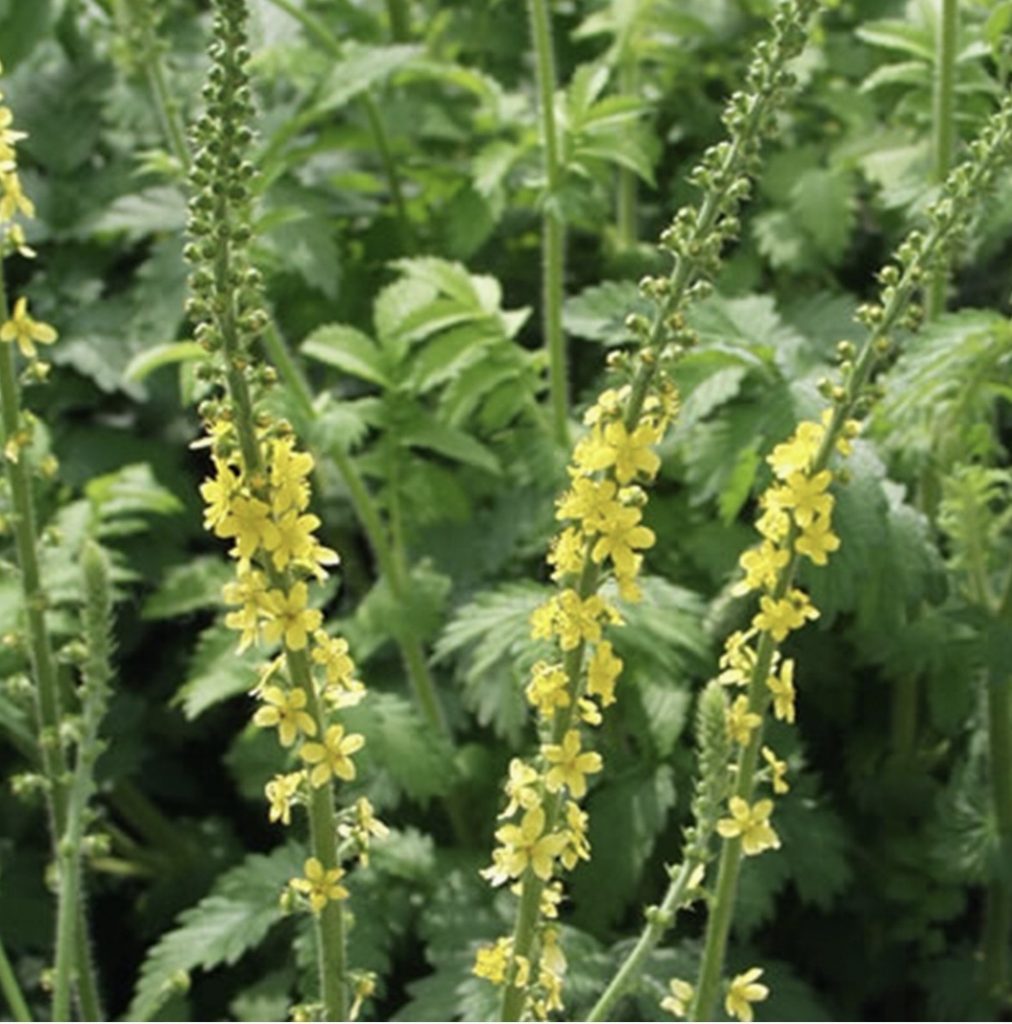
32. Agrimony
Aka: Agrimonia spp., A. eupatoria, A. pilosa, xian he cao
Flavor Profile: cool, bitter, astringent.
Part Used: leaves, stem
Medicinal Qualities: stimulates bile flow as a remedy for diarrhea, diuretic which aids in urinary infections, astringent and anti-viral.
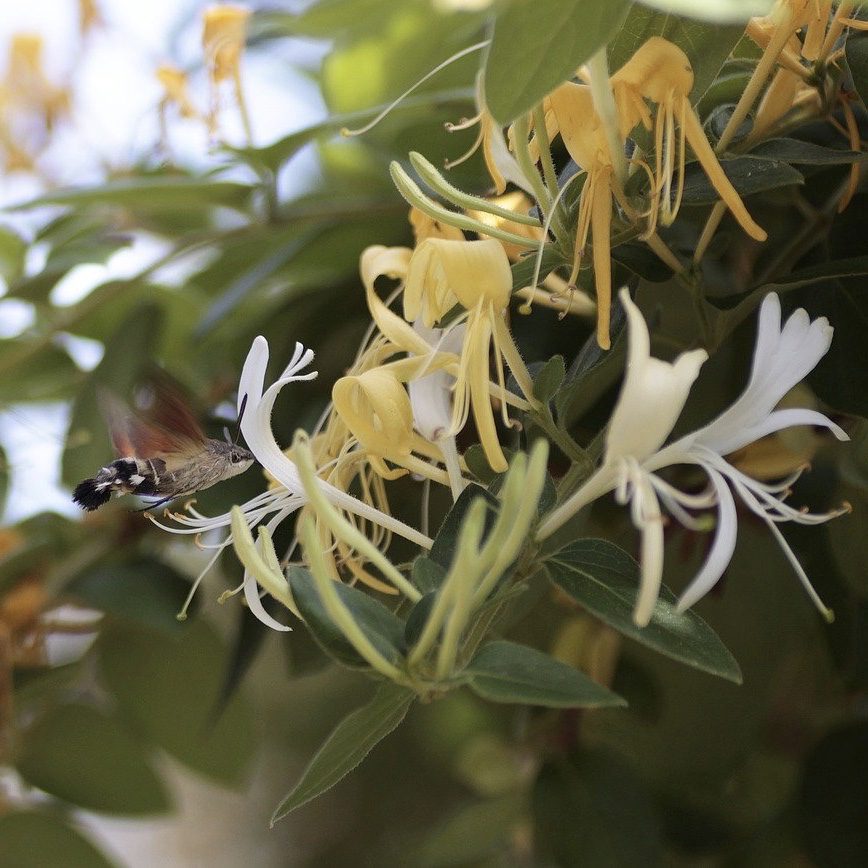
33. Honeysuckle
Aka: Lonicera spp., L. japonica, L. periclymenum, yin jin,
Flavor Profile: sweet, cool
Parts Used: flowers, stem
Medicinal Qualities: mild expectorant aids in treating coughs or asthma, laxative and diuretic properties help clear toxins from the body, reduces blood pressure.
Caution: can cause vomiting, do not use berries.
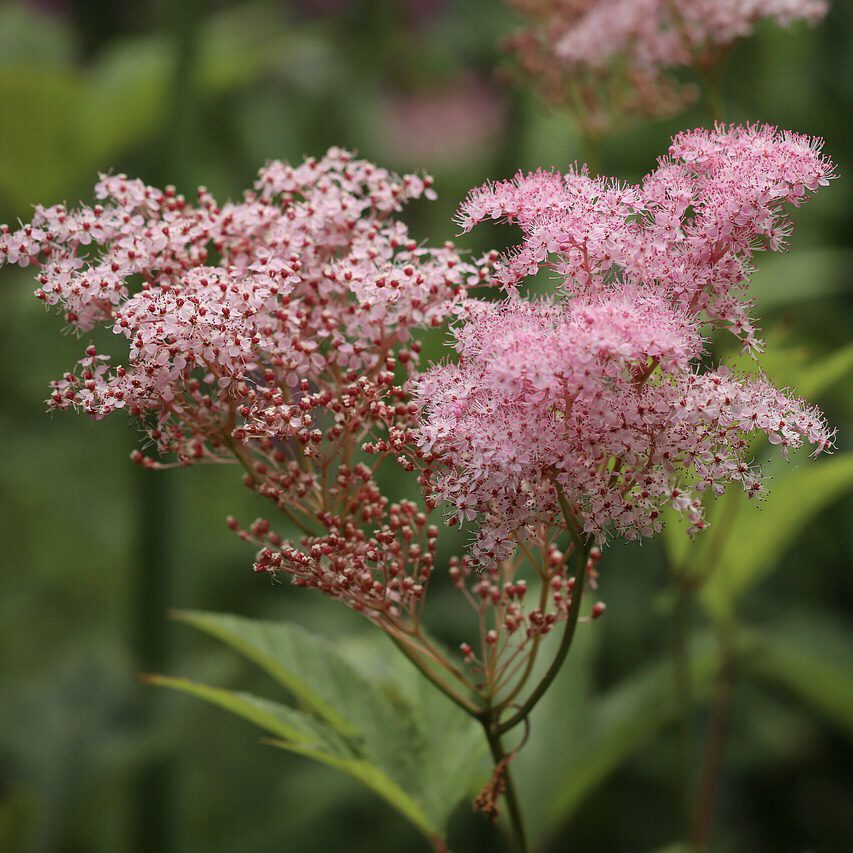
32. Meadowsweet
Aka: Filipendula ulmaria
Flavor Profile: moist, cool, astringent
Parts Used: leaves, stem
Medicinal Qualities: similar effects to aspirin, promotes sweating to reduce fevers, anti-inflammatory and anti-rheumatic eases pain, digestive remedy for upset stomach.
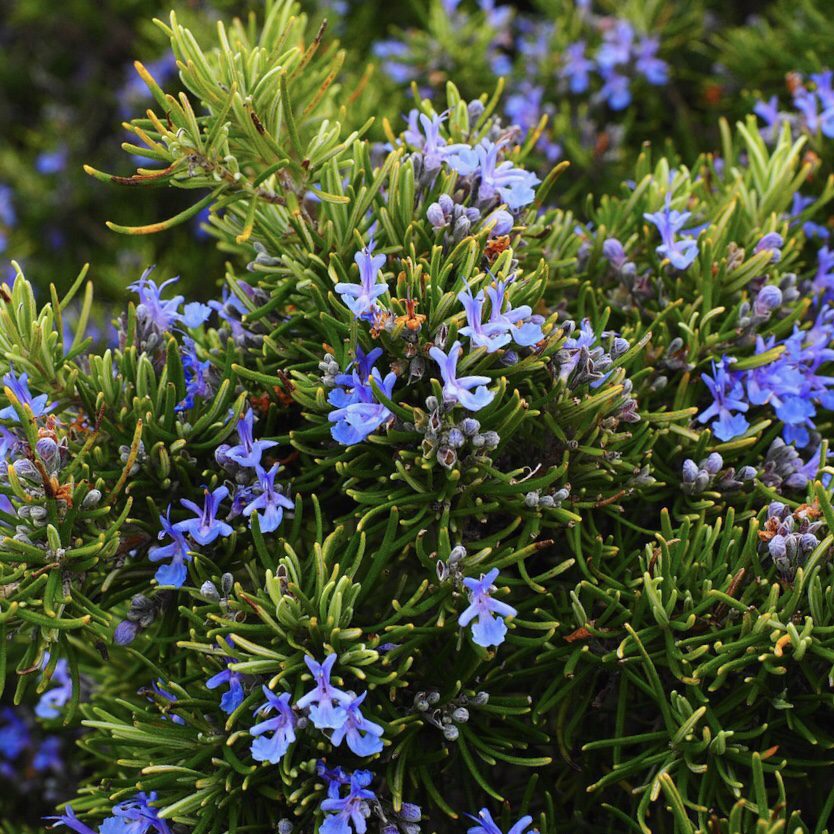
35. Rosemary
Aka: Rosmarinus officinalis
Flavor Profile: warm, pungent, dry, sweet
Parts Used: flowers, leaves, stem
Medicinal Qualities: stimulates circulatory system and promotes sweating to reduce fevers, heart and nerve tonic used for exhaustion, fatigue and depression, digestive remedy which stimulates bile flow.
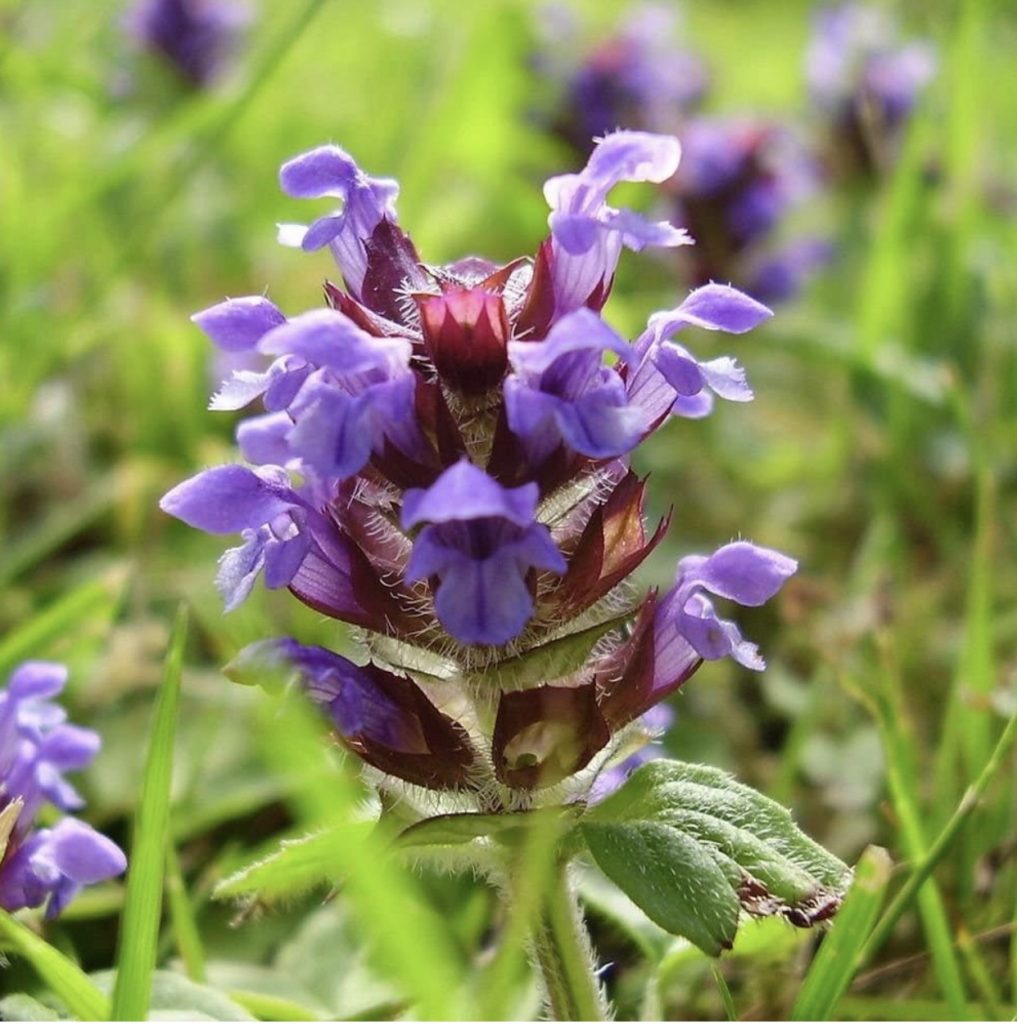
36. Skullcap
Aka: Scutellaria lateriflora, Scutellaria baicalensis, huang qin
Flavor Profile: cool, dry, bitter
Parts Used: leaves, stem, flowers, roots
Medicinal Qualities: relaxing antispasmodic used for anxiety, insomnia and nervous conditions, diuretic properties help cleanse the unirary tract
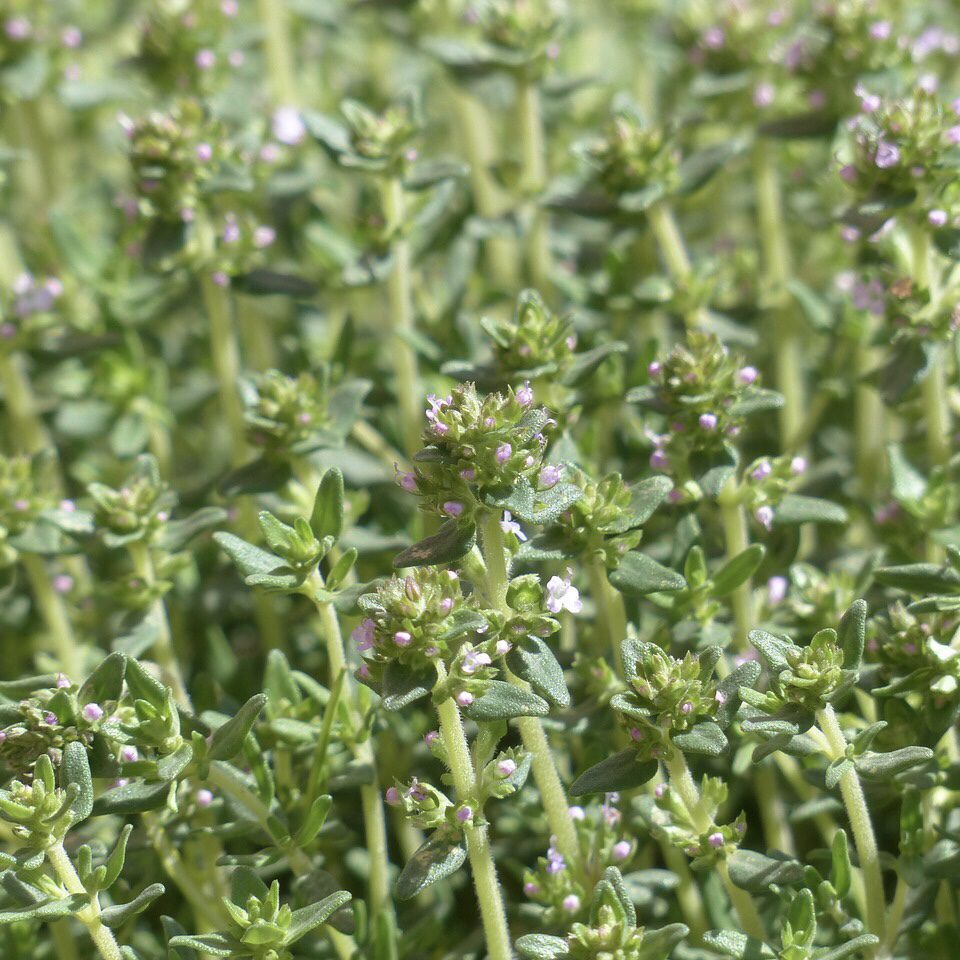
37. Thyme
Aka: Thymus spp., T. vulgaris, T. serpyllum
Flavor Profile: warm, pungent, dry, slightly bitter
Parts Used: leaves, stem
Medicinal Qualities: antiseptic, antimicrobial, antispasmodic, antibiotic, astringent and expectorant properties are used for chest infections and coughs, digestive remedy for stomach cramps, diarrhea and IBS.
Caution: uterine stimulant should be avoided during pregnancy.
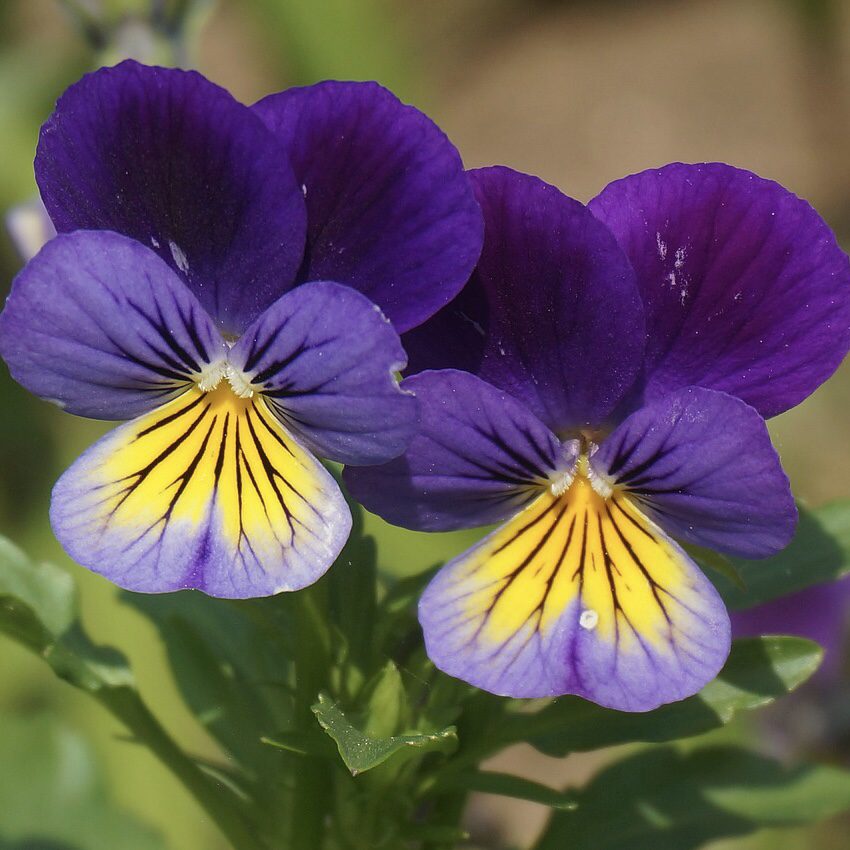
38. Heartsease
Aka: Viola spp. V. tricolor, V. odorata, V. yedoensis, Johnny Jump Up, Violet, Pansy, zi hua di ding
Flavor Profile: cool, pungent, slightly bitter
Parts Used: flowers, leaves, stem
Medicinal Qualities: improves quality of skin and combats skin disorders, expectorant used for coughs, anti-inflammatory, stimulates circulatory and immune systems.
Caution: high doses can cause vomiting
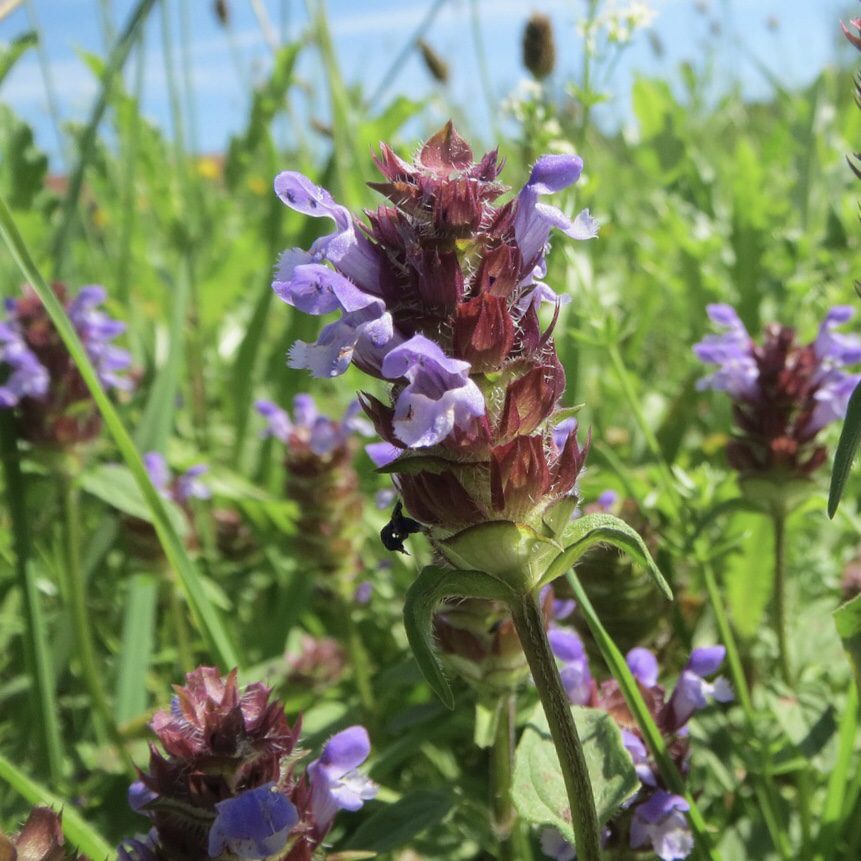
39. Self-Heal
Aka: Prunella vulgaris
Flavor Profile: cool, pungent, slightly bitter
Parts Used: flowers, stem, leaves
Medicinal Qualities: reduces blood pressure and heavy menstruation, diuretic and liver stimulant helps flush out blood in urine, antibacterial.
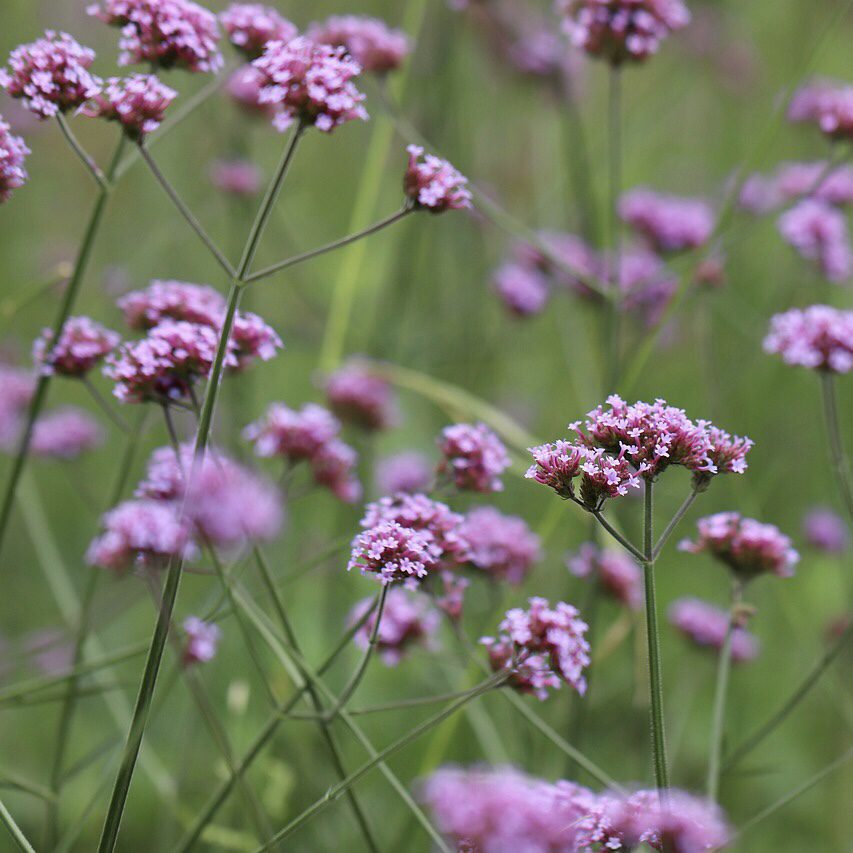
40. Vervain
Aka: Verbena officinalis
Flavor Profile: cool, pungent, bitter
Parts Used: flowers, leaves, stem
Medicinal Qualities: relaxing sedative used for insomnia and tension, promotes milk flow in nursing mothers and encourages contractions during labor, stimulates liver and digestive system to increase appetite and bowel function, promotes sweating to reduce fevers.
Caution: uterine stimulant should be avoided during pregnancy.
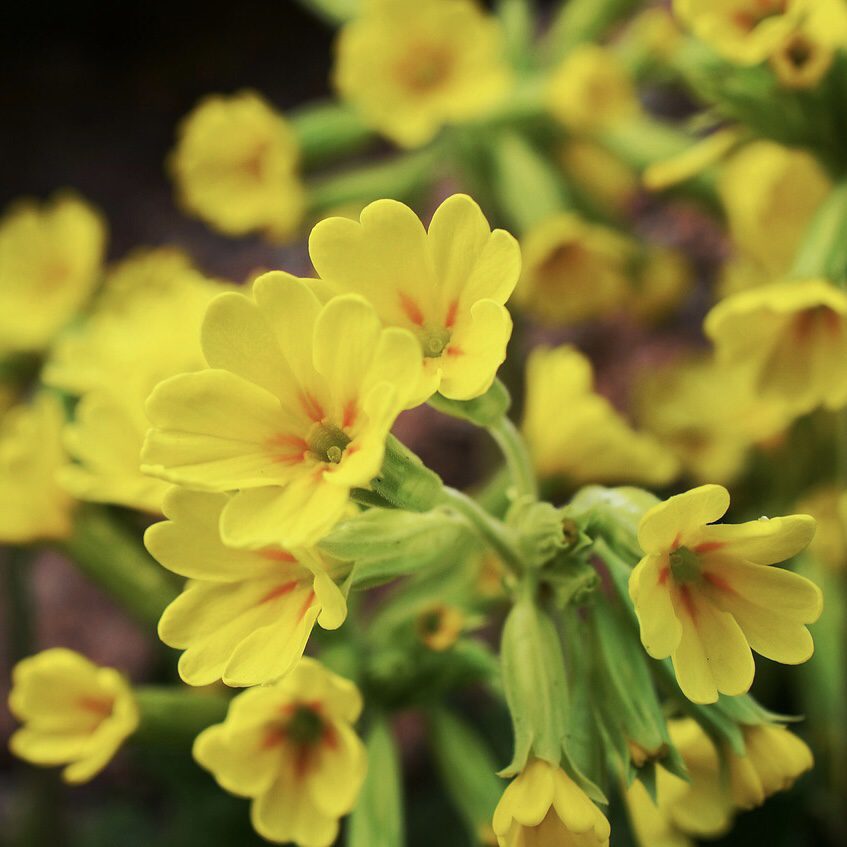
41. Primrose
Aka: Primula spp., P. vulgaris, P. veris, Cowslip
Flavor Profile: sweet, warm, dry
Parts Used: flowers, roots
Medicinal Qualities: strong expectorant helps relieve cold symptoms and congestion, promotes sweating to reduce fevers, anti-inflammatory and sedative to calm headaches.
Caution: uterine stimulant should be avoided during pregnancy. Do not mix with blood thinning drugs.
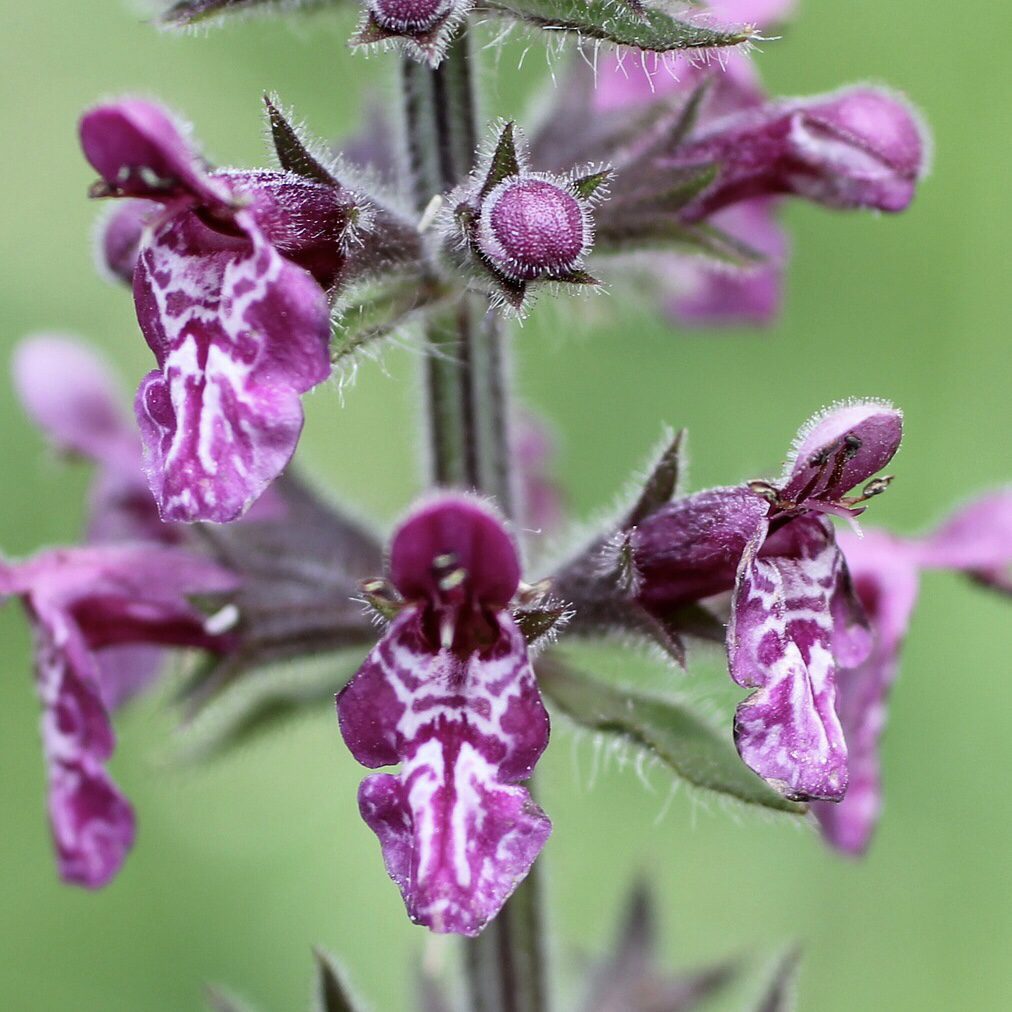
42. Wood Betony
Aka: Stachys officinalis
Flavor Profile: bitter sweet, cool, drying
Parts Used: flowers, stem, leaves, root
Medicinal Qualities: sedative properties used for anxiety, circulatory tonic for headaches, period and labor pain, diuretic and digestive stimulant cleanses and detoxifies.
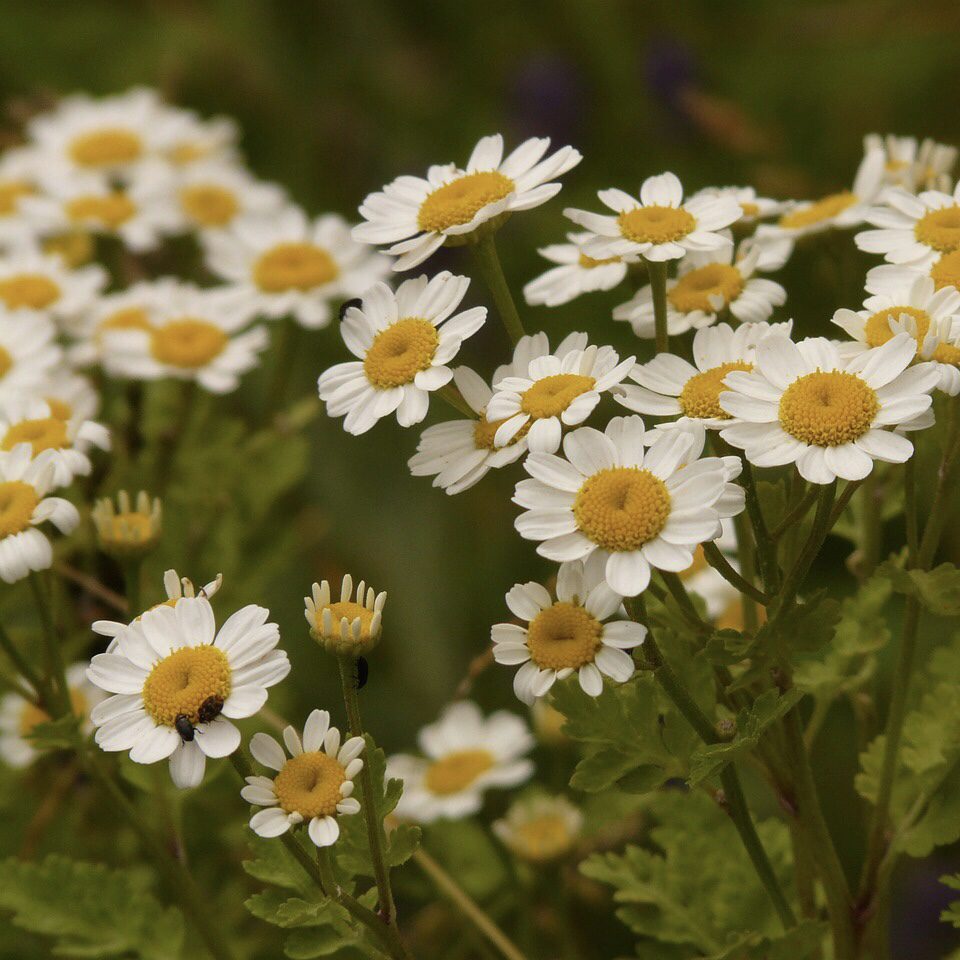
42. Feverfew
Aka: Tanacetum parthenium
Flavor Profile: warm, bitter, dry
Parts Used: flowers, stem, leaves
Medicinal Qualities: anti-inflamatory can relieve headaches, period pain and arthritis, promotes menstruation and cleanses the uterus, acts as a relaxant and digestive stimulant
Caution: do not mix with blood thinning drugs.
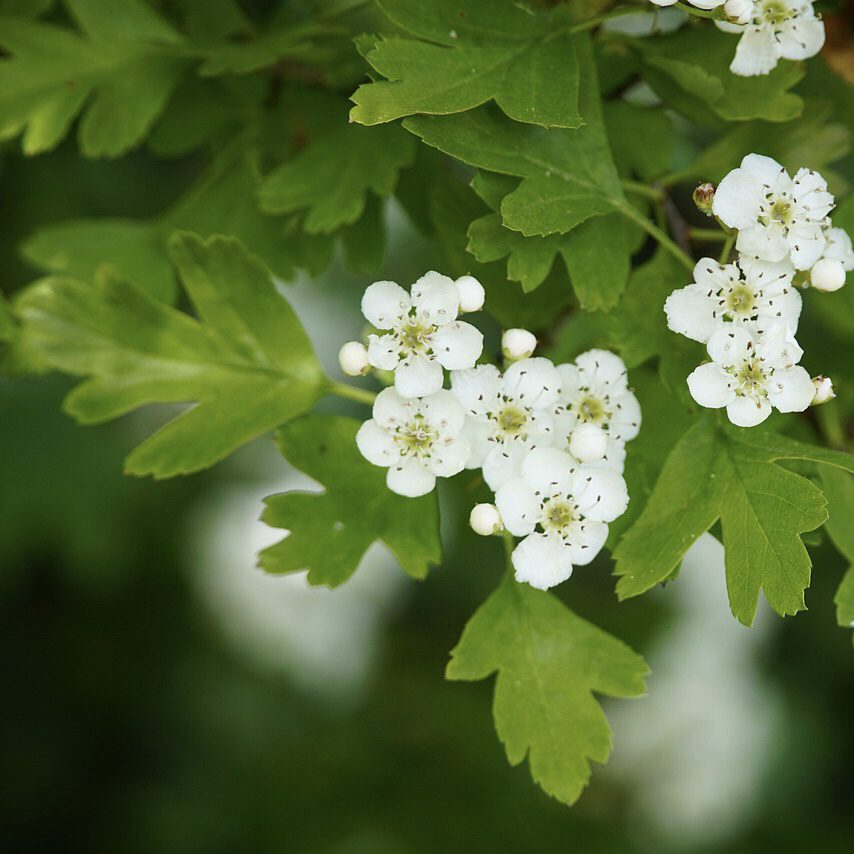
44. Hawthorne
Aka: Crataegus spp., C. oxycantha, C. monogyna, C. pinnatifida
Flavor Profile: cool, astringent
Parts Used: flowers, berries
Medicinal Qualities: a heart tonic that relaxes blood vessels to improve circulation, berries are used to treat diarrhea, indigestion, flatulence and bloating.

Garden Design and Planning Tool
The secret to an organized, functional garden is all in the planning! Use this garden planner to design and track the vegetable garden of your dreams.Instant download: Microsoft Excel and printable PDF files. Read More
Share on Social Media!
More ideas for your medicinal tea garden . . .
Do you have experience with any other plants for a medicinal tea garden? Share in the comments below!
- Happy Tea! 13 Uplifting Herbs for the Winter Blues
- Unlock the Secrets to a Perfect Garden Layout! (A Reference Tool for Gardeners)
- The Comprehensive Guide to Raised Bed Gardening
- Gardening 101: 9 Simple Steps to a Fantastic First Season!
- Chaos Gardening for Perpetual Harvests
- Best Gardening Books: Beginners to Masters
- Planning a Survival Garden for Food and Medicine
- Building a Climate Victory Garden to Regenerate Soil
- The Bare Soil Dilemma
- The Ultimate Guide to Planting an Herb Garden
- 90 Unique Spices to Grow in Your Herb Garden
- My Passion for Permaculture (and how to apply it to your homestead)
- 12 Culinary Herbs for the Flower Garden
- How to Start Seeds Indoors and Keep Them Alive!
- The Secret World of Seeds: Ancient Knowledge
- How to Harvest, Dry and Cure Cilantro
- Plant Friend or Foe: Companion Planting in the Vegetable Garden
For more inspiration follow my Pinterest Board: Apothecary, Oils, and Herbs.

Hi, um, I just wanted to raise a flag about the suggestion to use elder bark in tea– elder bark is highly toxic and causes illness even in small amounts. The berries are also poisonous until cooked or dried.
Thank you for pointing that out. This post refers to Elderberry (Sambucus nigra) which is safe to use medicinally. There are many books and reputable publications with directions as to how prepare medicinal remedies with this plant. This should not be confused with American Elder (Sambucus canadensis) which is a very different plant. It is very important to properly identify and research plants you are using.
It is very important to properly identify plants. I would point out that you have several photos in the article that are not the plants they are supposed to be representing.
I think you have your info confused on Elder species toxicity as well. Sambucus Nigra is generally considered more toxic than American Elder species… this includes all parts of the plant.
I recognize there are historical uses for the leaves, bark and roots of Elder shrubs/trees, but it should be mentioned that this is not a beginner remedy.
Elderberries are not poisonous, they just taste bad before cooked. Grew up eating them. Heard the same when I moved south (just above Fla) about beauty berries. Their taste vastly improves with cooking.
There is historical use of the leaves, bark and roots being used medicinally but its not considered a beginner remedy. The term ‘highly toxic’ needs to be taken in context… i personally consider poison hemlock to be ‘highly toxic’ in that a small piece of it will kill you in a relatively short period of time. In comparison, if you eat a raw elder leaf, you may experience nausea, vomiting and diarrhea and its over within 24 hours. More serious side effects occur when ingesting larger amounts. Some people consider all elder berries to be highly toxic and its even listed as an inedible berry in some references. This needs to be clarified with additional information to put it in a better perspective. ?
Hi, thank you for putting these all down in one place! Do you have any suggestions where to buy seeds for these? I know mountain rose herbs sells the herbs, but I can’t find good seeds altogether.
Thank you so much. Try these links to seed companies I like: Seeds Now https://www.seedsnow.com/?rfsn=3833652.951aa7, True Leaf Market https://www.pjatr.com/t/TUJGRklGSkJHSEtLSU5CRkpIRk1K, Edén Brothers Seed Company https://www.pntra.com/t/TUJGRkpOTkJHSEtLSU5CRkpNSkpO, Seed Savers https://www.seedsavers.org/
Hi, some of the pictures are not for the correct flower/plant: That’s not bergamot, of any sort. I think you are referencing catNIP not catmint for the properties you listed, Wrong kind of fennel for what you listed. THat’s fennel bulb, while having similar properties, not the plant that is used medicinally, I have questions about the tulsi… doesn’t look like any tulsi I have grown. Not scullcap, that’s selfheal (same as 2 pics below). That;s not vervain.
I am new to using medicinal herbs. In the taste description, warm or cool was used. I don’t understand the context. Will you please explain?