
Choosing the right retail store location is one of the most important decisions you’ll make as a business owner. Whether you’re opening a boutique, coffee shop, or specialty store, your location affects foot traffic, rental costs, customer accessibility, and your overall success. This guide will walk you through how to find the best store location based on your budget, audience, and business goals.
Evaluate Your Budget and Retail Rental Costs
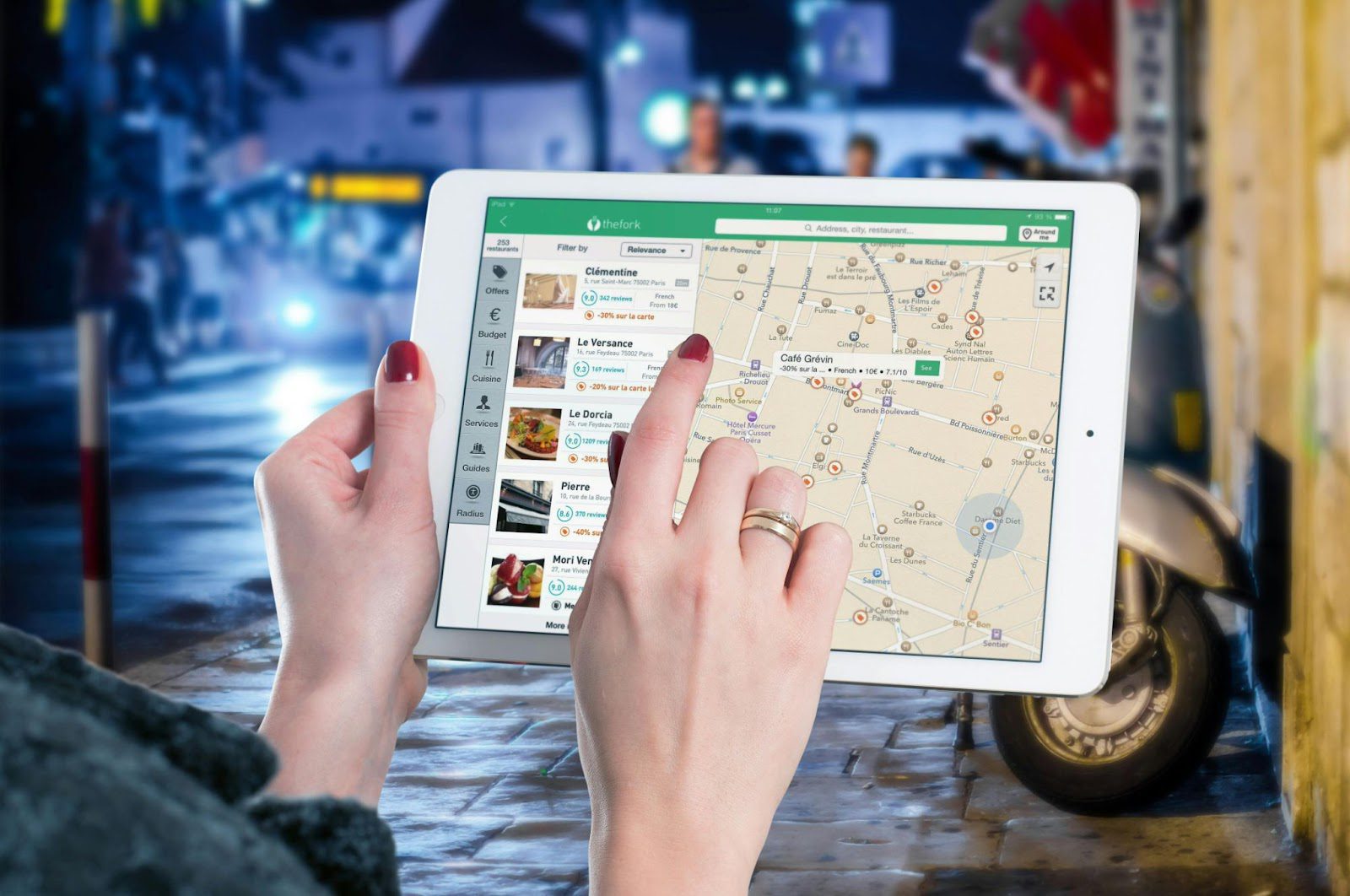
The cost of renting a store varies drastically across the country, anywhere from $10 to $100 per square foot annually. Prime urban locations will cost the most, while rural locations and those in the suburbs are generally less expensive. Think about how much you can feasibly spend as this will limit what types of locations you can look into.
Book Recommendations for Retail Entrepreneurs:
- The Everything Guide to Starting and Running a Retail Store: All you need to get started and succeed in your own retail adventure
- Remarkable Retail: How to Win and Keep Customers in the Age of Disruption
- The Monocle Guide to Shops, Kiosks and Markets
Choose a Location That Attracts Your Target Customers
Your store should ideally be located somewhere where your core demographic lives or hangs out. For example, an outdoor adventure clothing store is more likely to thrive in a town or village that attracts a lot of hikers or mountain bikers. Stores selling luxury goods meanwhile may do better in towns or areas with a wealthier demographic.
Choose a Store Location That Matches Your Customer Profile
The best retail location aligns with where your ideal customers live, work, or spend time. Before signing a lease, analyze who your product or service is for—and where those people naturally gather.
Your goal is to place your store in a location where your core demographic already shops or frequently visits. This increases visibility and the likelihood of consistent, organic foot traffic.
Think about your ideal customer’s:
- Age group
- Income level
- Lifestyle or hobbies
- Typical shopping behavior
- Commute or travel patterns
Use that information to narrow down neighborhoods or commercial areas they frequent.
Is Foot Traffic Essential for Your Store’s Success?
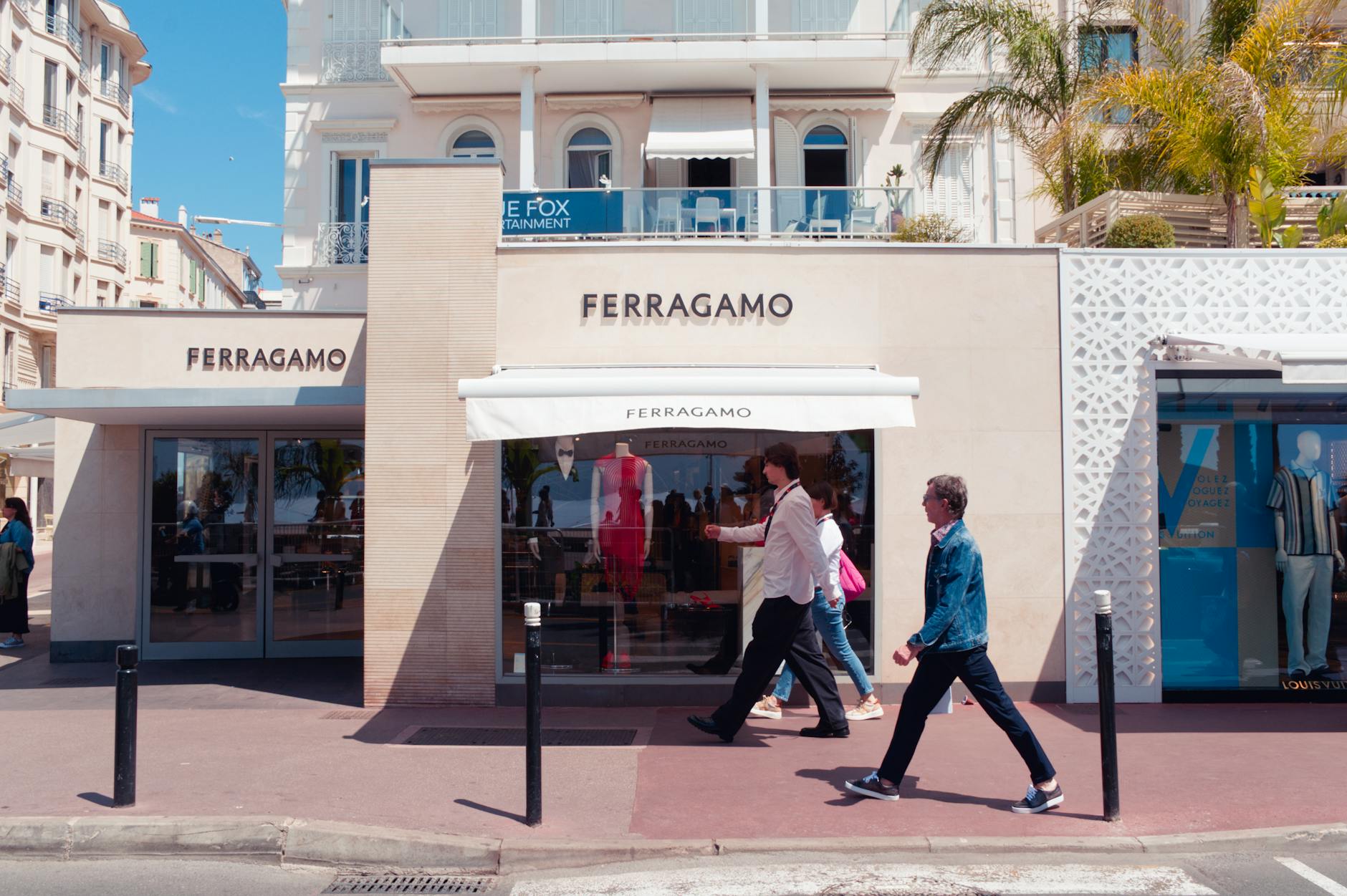
Is your store going to attract people off the street? If so, it could be worth considering local foot traffic. Stores like cafes, hair salons and clothing stores can benefit from locations where people wander past. Novelty stores like piano shops or wedding dress retailers don’t require such a visible location. These are stores that people actively search for, and so focusing on SEO and digital marketing may be better for attracting customers.
Parking Availability: A Must-Have or Not?
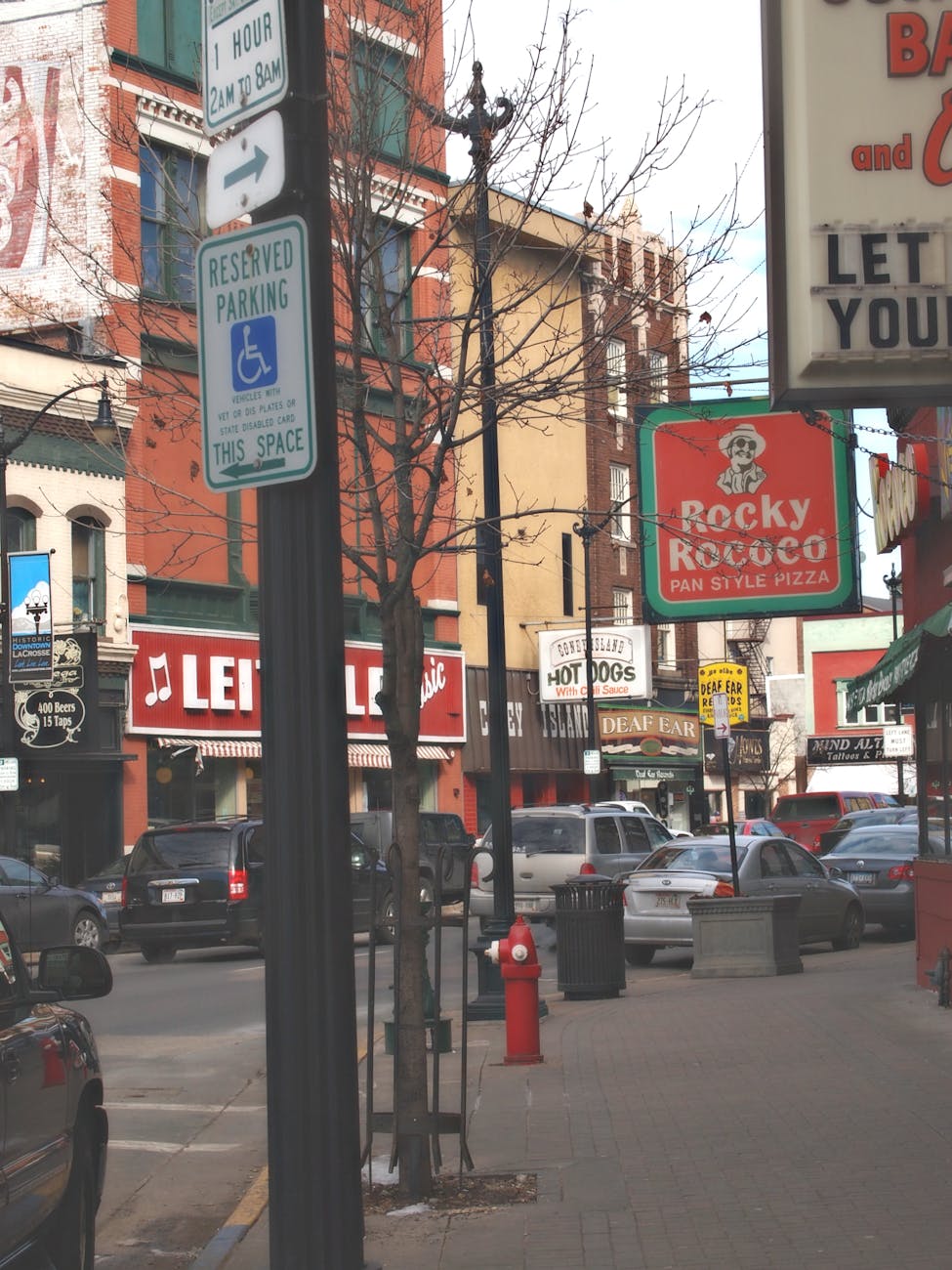
Having conveniently accessible parking could be necessary if customers are driving to your store and buying heavy items that they don’t want to carry too far. For example, a rural furniture store is ideally going to need its own parking lot. More urban stores that sell smaller items may not need parking.
Determine Square Footage Based on Store Type
If you require a lot of space for your store, focus on rural and suburban locations. Central city areas have smaller properties, and larger square footage will cost more. Building your own store may be a solution if you find a suitable plot of land. This allows you to decide the precise measurements and design features of the property.

Research the Competition Before You Commit
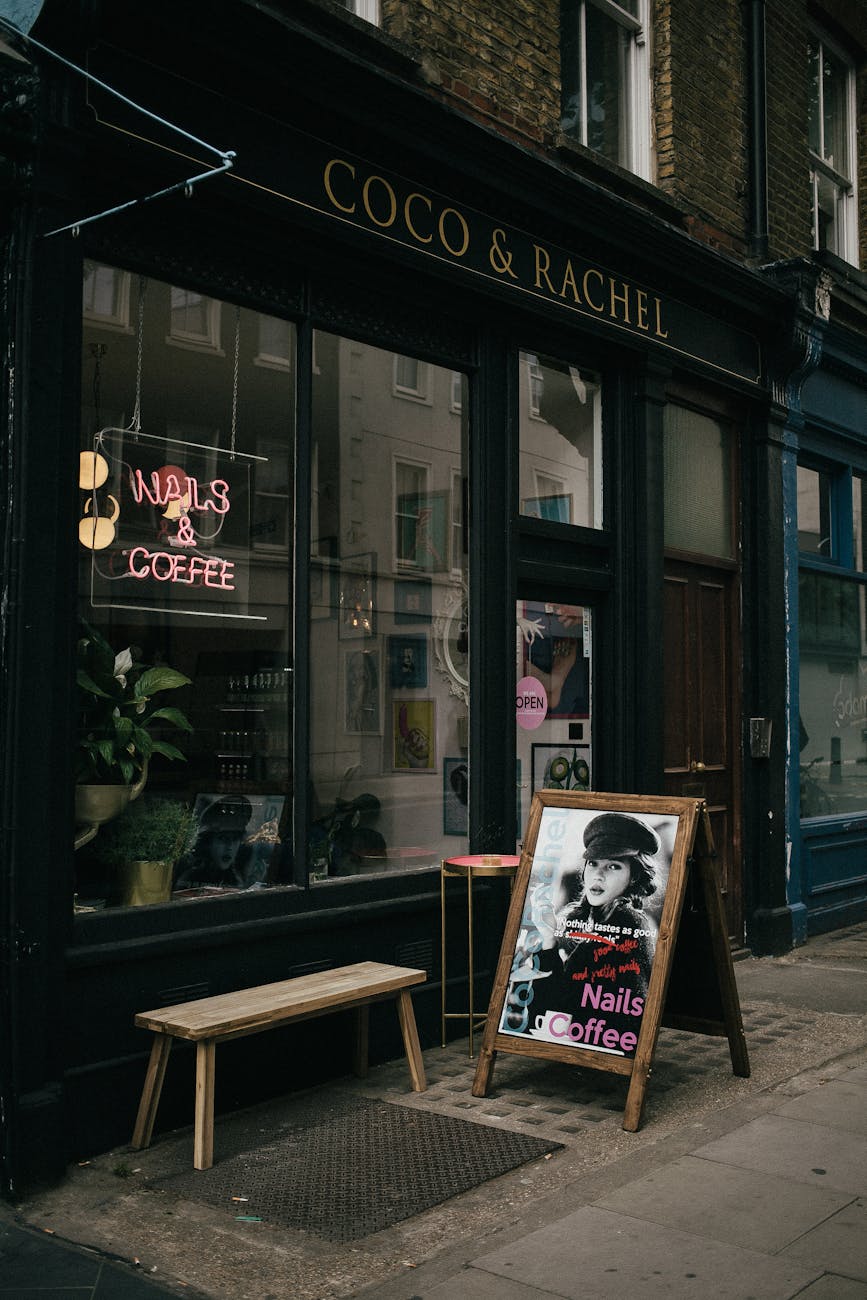
When choosing your store location, consider how many competitors are in the area and whether they are succeeding or struggling. Ideally, you want to move somewhere with few competitors. Neighboring competitors should be thriving enough that there is a demand for your business. Finding a USP will be key to helping you stand out—make sure you’re not selling exactly the same products as someone else in the area.
Prioritize Store Security and Neighborhood Safety
Not all affordable retail spaces are created equal. While lower rent can be tempting—especially for new business owners—it’s important to weigh those savings against the safety and reputation of the neighborhood.
High-crime areas may come with increased risks such as:
- Vandalism or break-ins
- Theft or shoplifting
- Higher insurance premiums
- Difficulty attracting customers who perceive the area as unsafe
- Trouble hiring or retaining staff
Before committing to a lease, take time to research crime statistics, talk to neighboring business owners, and visit the area at different times of day. A location that feels unsafe to your customers or employees can hurt your bottom line far more than a slightly higher rent in a more secure area.
Tip: Look for retail spaces with good lighting, nearby businesses that stay open late, visible security measures, and regular foot traffic—these are signs of a safer, community-supported commercial district.
Match Your Store Type to the Right Area
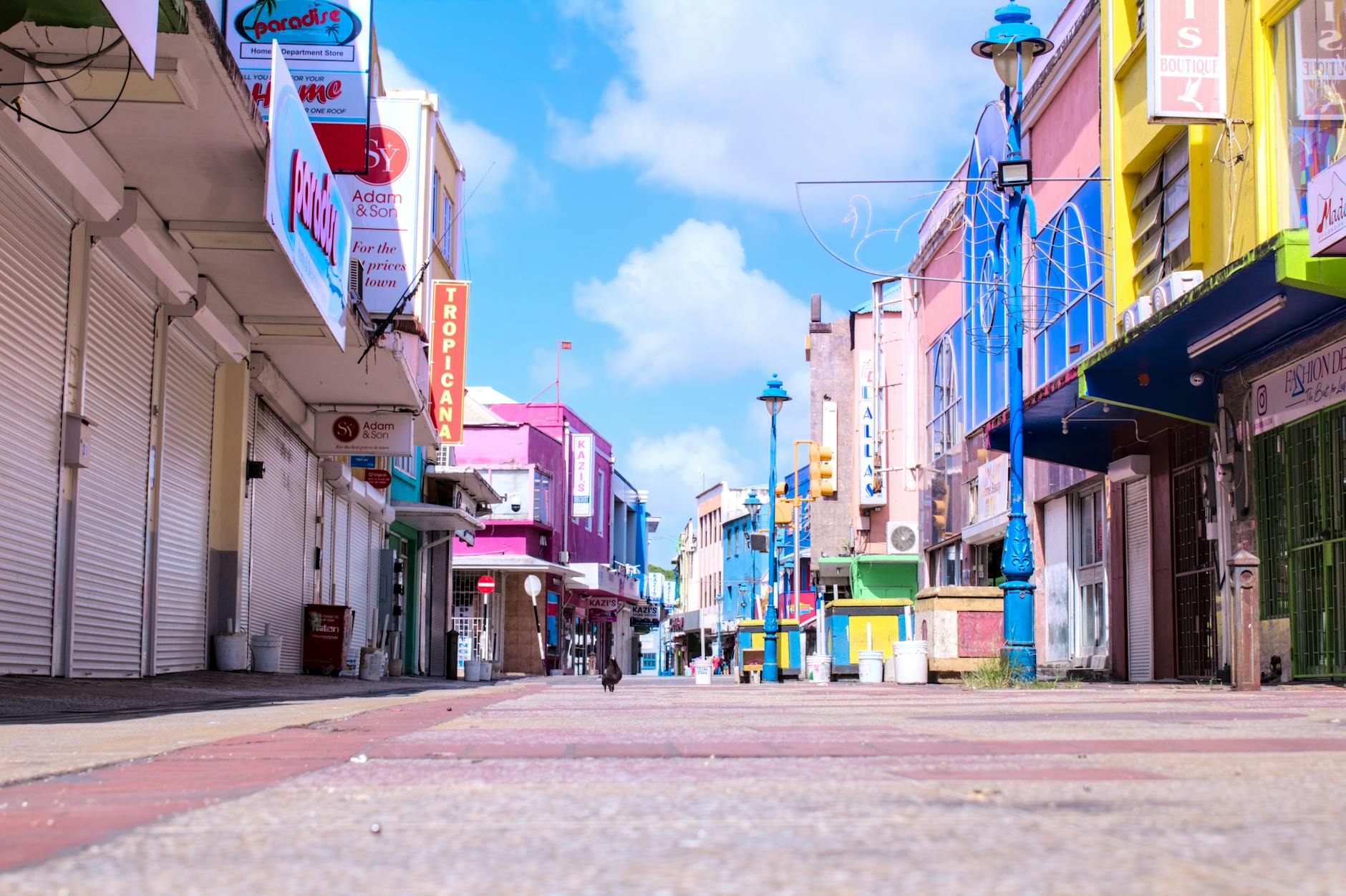
Different business types thrive in different locations:
- Outdoor gear & sporting goods: Tourist towns, mountain regions, trail-adjacent retail strips
- Luxury boutiques or designer goods: Affluent suburbs or downtown shopping districts with high-income demographics
- Family-oriented stores: Near schools, playgrounds, or neighborhoods with young families
- Trendy coffee shops or vintage stores: Artsy districts, college towns, walkable urban centers
- Professional services (real estate, tax prep): Central business districts or commuter corridors
When your store is embedded in the daily life of your ideal client, it becomes a natural part of their routine.
Final Thoughts on Picking the Perfect Store Location
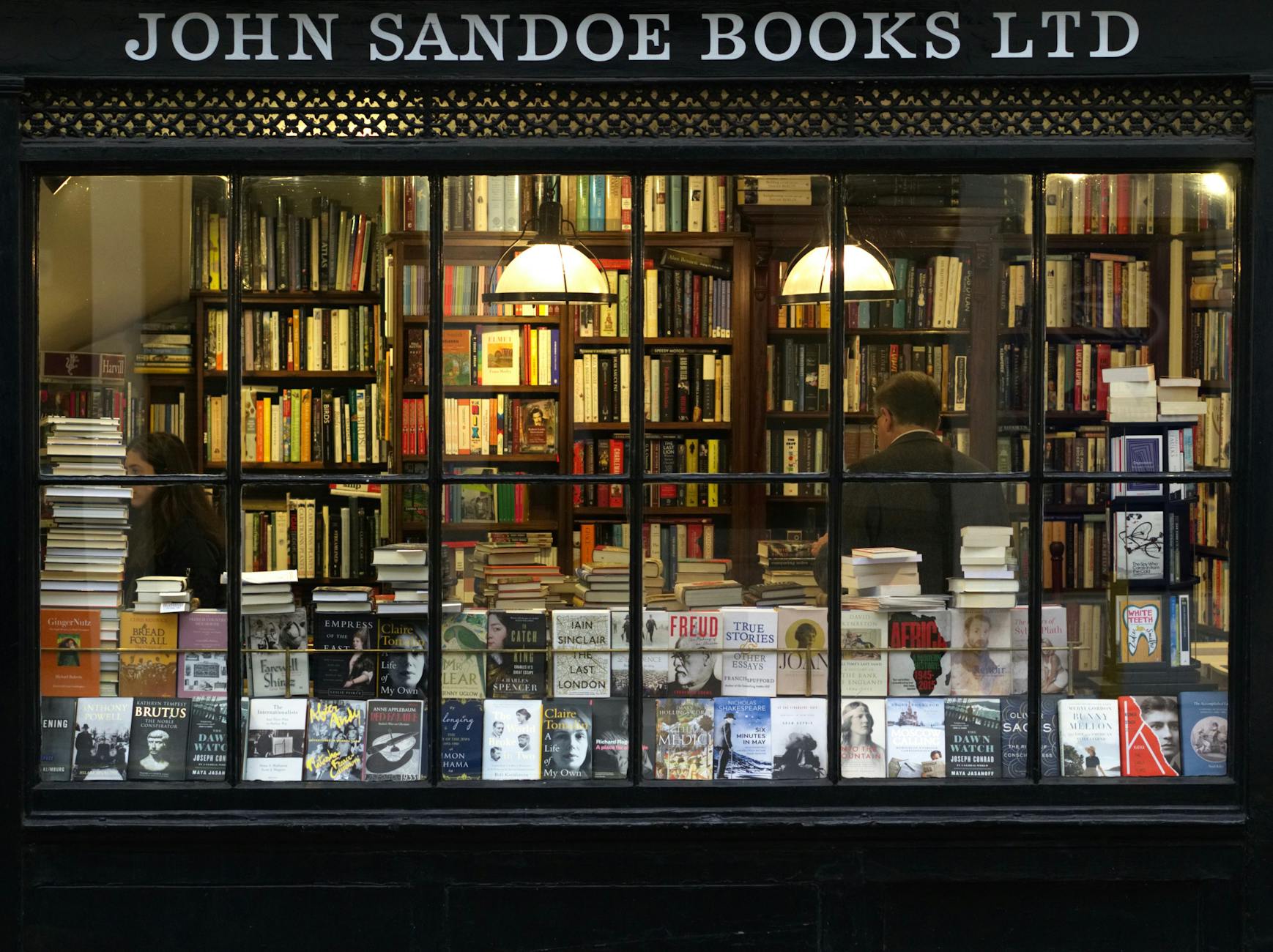
Choosing the best location for your retail business involves balancing cost, visibility, safety, and access to your target customers. Taking the time to assess these factors now can set you up for long-term success.
Checklist: What to Consider in a Store Location
- Budget and price per square foot
- Target customer demographics
- Foot traffic potential
- Available square footage
- Parking availability
- Competitor presence
- Safety and crime rates
Need help finding a commercial space that fits your goals? Let’s talk about your vision. Book a consultation.
Subscribe
More business ideas when choosing a retail location . . .
- 7 Crucial Features You Need For A User-Friendly Business Website
- How to Do Influencer Marketing Like a Pro: Crush the Game and Build Your Brand
- How To Build Your Trade Firm’s Online Presence
- 3 Reasons to Start a Coffee Cart Business
- Why Fuel Costs Are The Most Important Expense For Your Fleet Business
- 15 “Attainable” Ways to Reduce Waste and Save Money Now!
- 22 Eco Friendly Products to Replace Disposables and Save you Thousands a Year!
- Upgrade Your Zoom Meetings with an Eye-Catching Virtual Background
- Business Ownership: Tips for Starting a Construction Company
- 75+ Side Hustles for Farmers to Boost Income
- Should You Invest in a Commercial Property or Rent?
- 4 Ways to Make Your Business More Accessible
- Six Simple Steps To Stress-Free Real Estate Investing
- How to Handle a Landlord Dispute with Your Tenant
- Eco-Friendly Home Renovations to Maximize your Sale Price
- The Ultimate Guide to Financial Independence
Share this Post on Social Media!
For more inspiration follow my Pinterest Board: Finance and Investment.

