
The world of industrial manufacturing continues to evolve, and few areas have seen as much change in recent years as heavy metal fabrication. Traditionally, this field has relied heavily on manual skill, hands-on craftsmanship, and the experience of seasoned fabricators. While that expertise remains essential, automation is increasingly shaping how large-scale metal components are designed, produced, and delivered across industries.
Key Technologies Driving Automated Fabrication
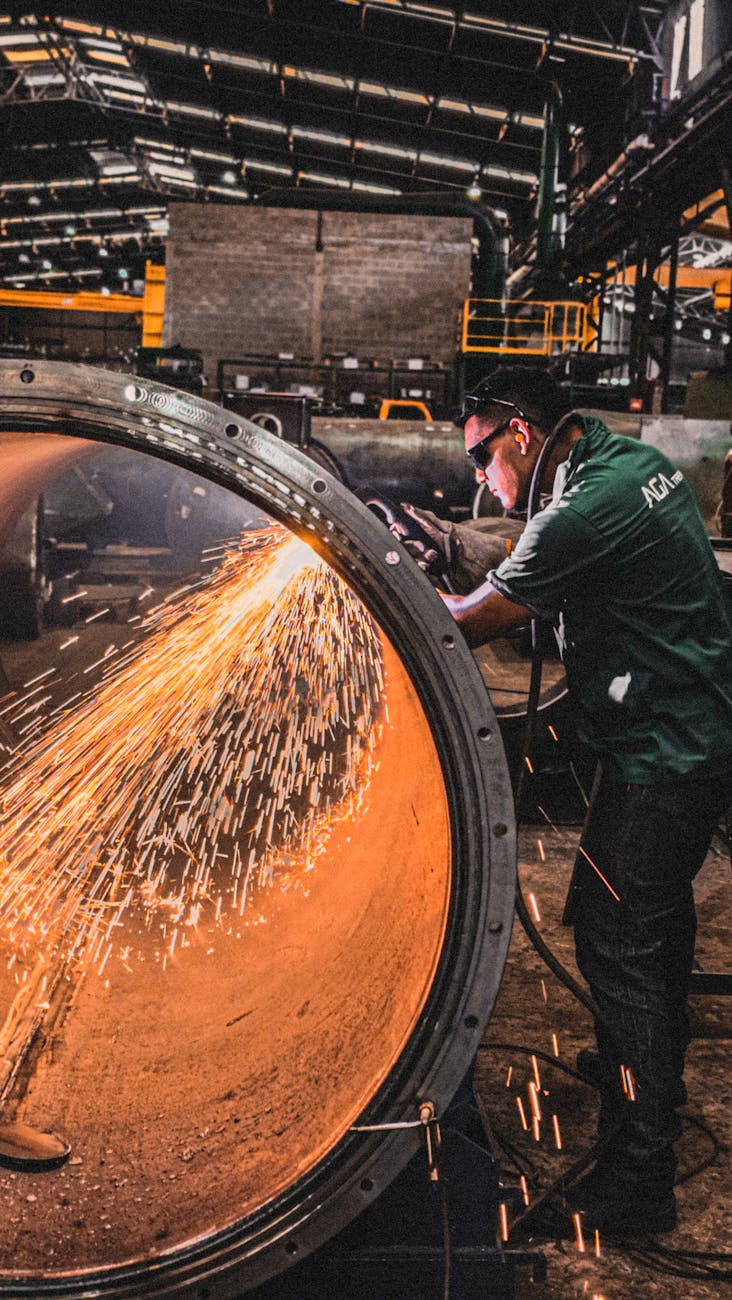
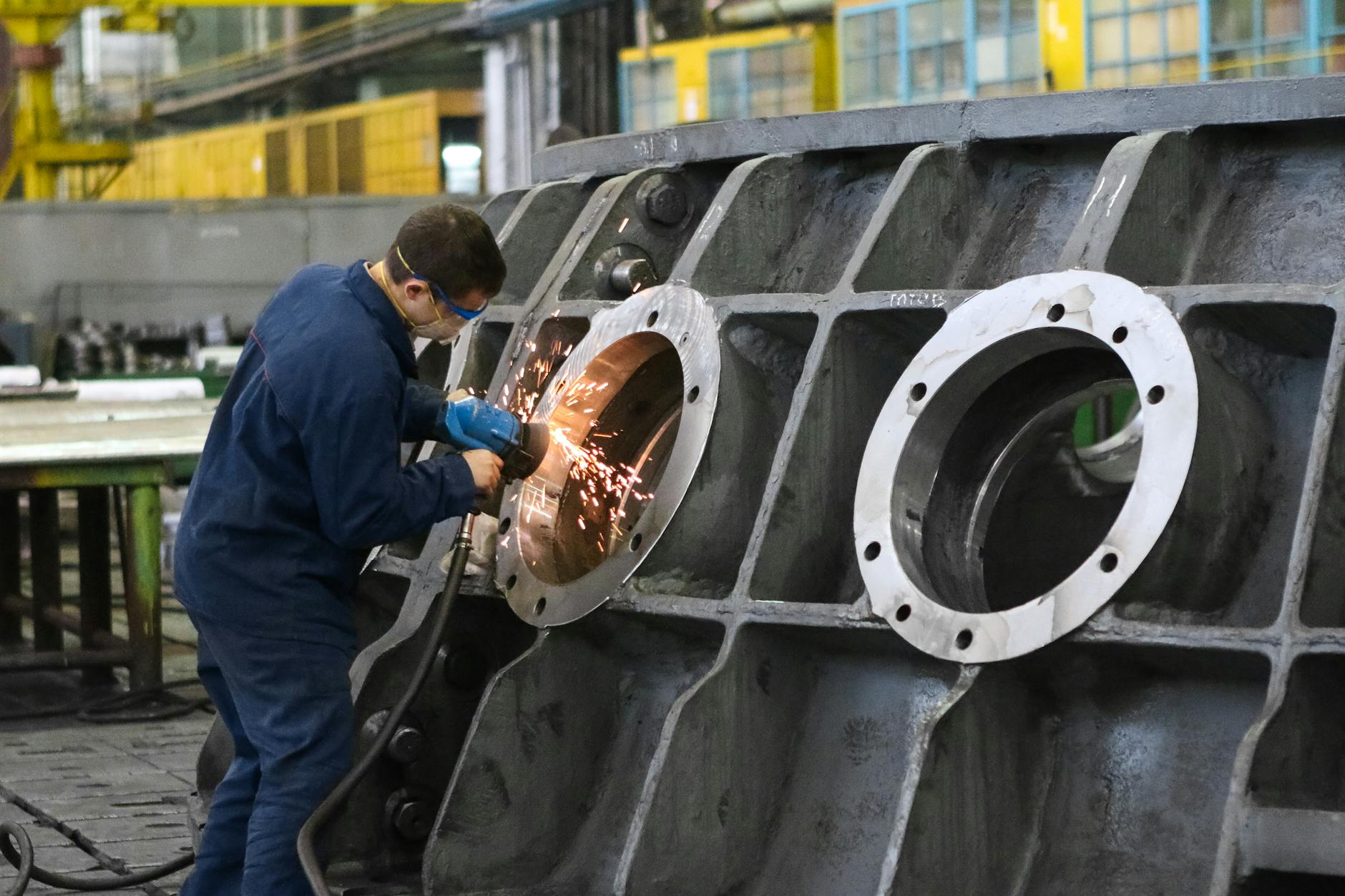
Automation in heavy metal fabrication includes a wide range of technologies—robotic welding systems, CNC machining centers, automated cutting tables, robotic material handling, and advanced inspection tools. These innovations are helping fabricators improve quality, reduce production time, and enhance overall consistency, especially when handling thick plate materials, oversized components, and complex geometries.
Precision and Tighter Tolerances Through Automation
One of the most significant impacts of automation is its ability to increase precision. In heavy metal fabrication, even small measurement errors can lead to significant challenges during assembly or operation. Automated cutting and welding systems allow fabricators to achieve tighter tolerances with greater repeatability than manual approaches. This level of accuracy is especially valuable in sectors such as energy, chemical processing, and industrial equipment manufacturing, where large vessels, frames, and components must meet strict engineering standards.
Enhancing Workplace Safety With Robotic Systems
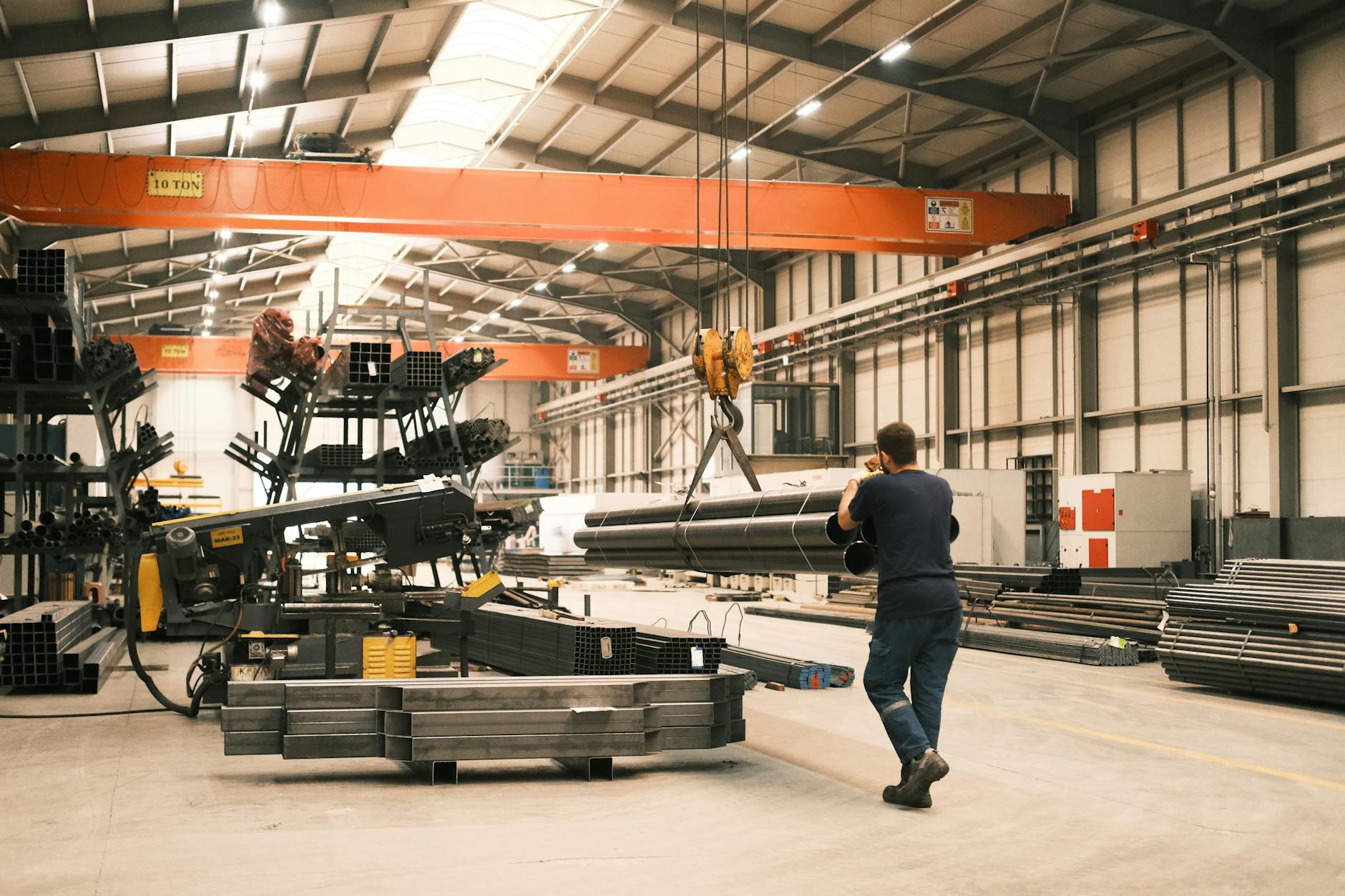
Automation also enhances safety in environments where heavy metal fabrication takes place. Handling large sheets, structural steel, or multi-ton components comes with inherent risks. By integrating robotic systems for lifting, positioning, or welding, fabricators can reduce the amount of manual labor required in potentially hazardous areas. This shift not only protects workers but also creates a more controlled, predictable workflow.
How Automation Boosts Productivity
Productivity is another key area where automation is making a measurable difference. Automated plasma and laser cutting machines can operate continuously with minimal downtime, enabling faster turnaround for large-scale fabrication projects. Robotic welding arms can complete repetitive welds efficiently, maintaining consistent bead quality across long sections of material. For companies that process high volumes of heavy components or frequently produce large custom structures, this efficiency helps them meet demanding project timelines without compromising quality.
Digital Integration and Streamlined Workflows
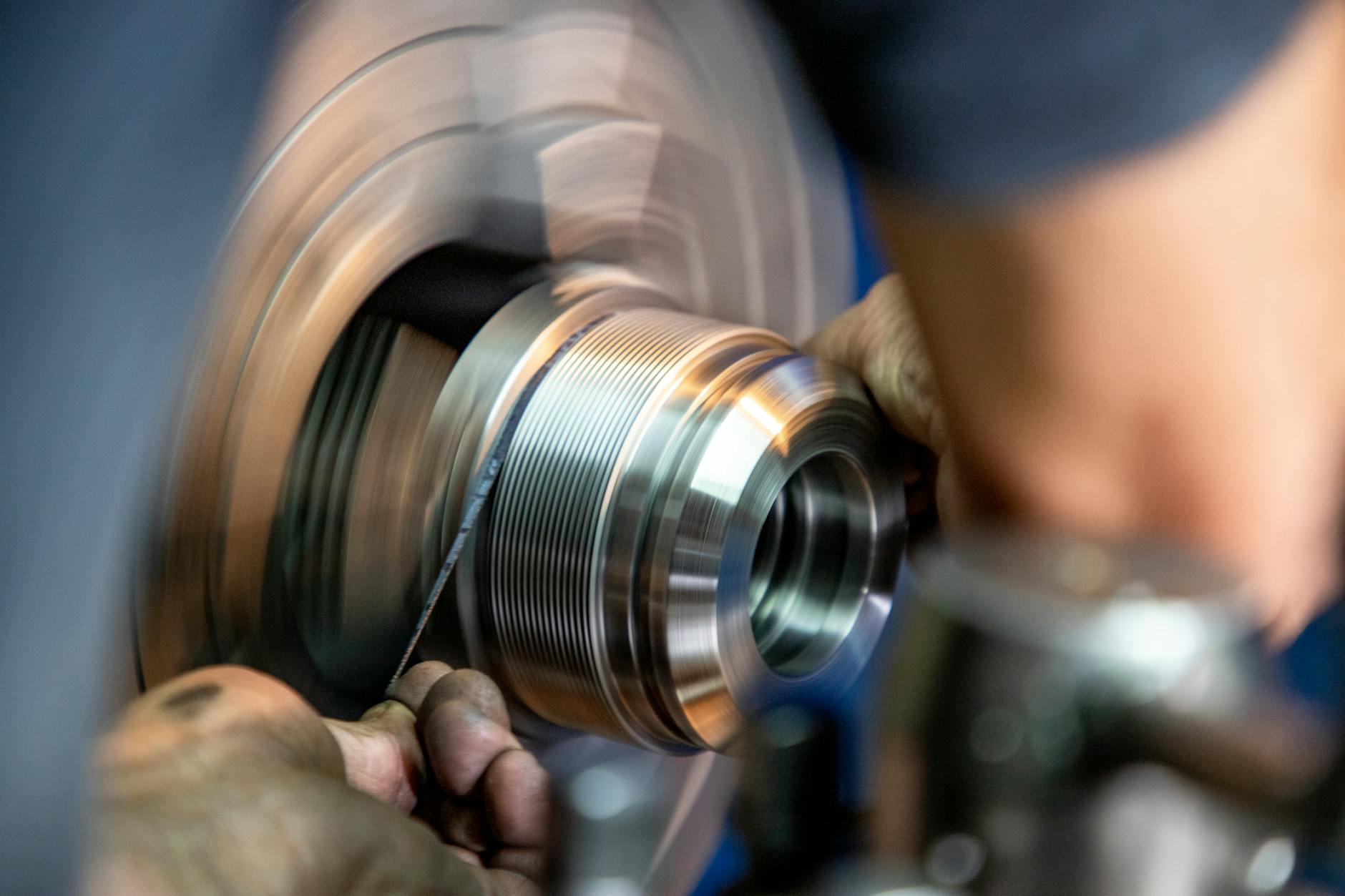
Beyond the shop floor, automation is also improving digital integration throughout the fabrication process. Many modern fabrication systems are connected to software that manages cutting paths, welding programs, material traceability, and inspection data. This digital workflow allows engineers to simulate parts before production, detect potential errors early, and streamline communication between design and fabrication teams.
The Continued Importance of Skilled Fabricators
Despite these advancements, automation does not replace the knowledge required in heavy metal fabrication. Instead, it supports skilled fabricators by giving them tools that enhance their capabilities. Human oversight remains essential for complex problem-solving, quality assessments, and adapting to unique project requirements. The combination of skilled craftsmanship and automated technology is what allows many fabricators to deliver reliable, high-quality results.
Automation’s Role in the Future of Heavy Metal Fabrication
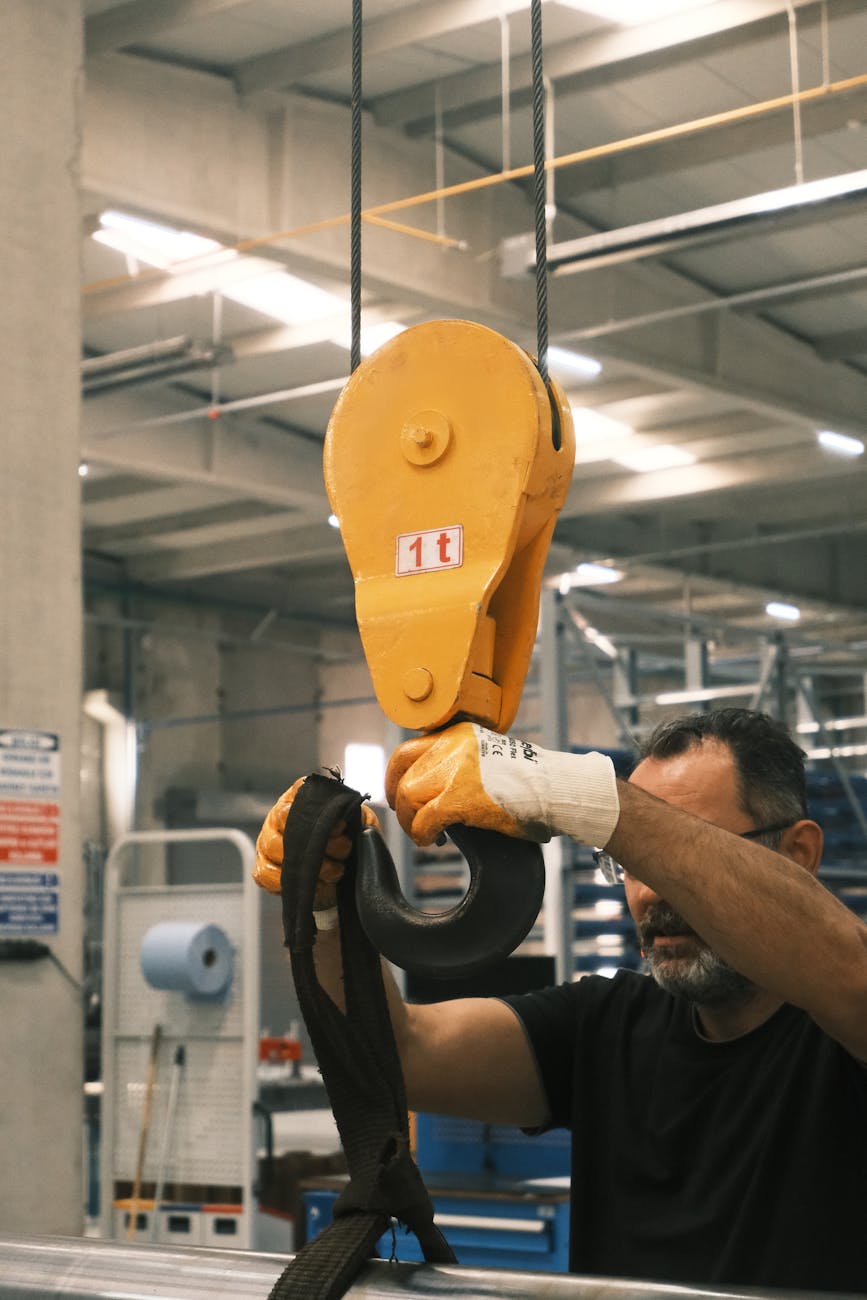
As industries continue to demand stronger, larger, and more precisely engineered components, automation will play a growing role in shaping the future of heavy metal fabrication. By improving accuracy, efficiency, and safety, automated systems are helping fabricators meet the rising expectations of modern manufacturing while ensuring long-term operational reliability.
In a rapidly changing world, the smartest supply chains are those that learn, adapt, and evolve—one data point, one partnership, and one innovation at a time.
Subscribe
More Ideas for Sustainable Business Owners . . .
- Tips For Mastering Your Supply Chain In The Digital Age
- How To Make Your Company More Energy Efficient And Carbon Friendly
- Building a Sustainable Supply Chain: Lessons from the Industrial Sector
- Sustainability Mindset: 7 Ethical Ways to Cut Carbon on Your Commute
- 4 Top Traits Of Exceptional Business Leaders
- Why Fuel Costs Are The Most Important Expense For Your Fleet Business
- 4 Ways to Make Your Business More Accessible
- 10 Proven Ways to Increase Your Business Visibility Online and Offline
- Why Streamlining Sales Orders Improves Customer Trust
- Employee Online Policy: How to Create Clear Rules Your Team Will Actually Follow
- How Smarter Tools Can Streamline Daily Operations for Small Teams
- Top 4 Business Software Tools To Keep You Organized
- The Low Down on Launching a Profitable Blog
- 3 Essential Tips to Run a Successful Business & Make a Profit
- How to Do Influencer Marketing Like a Pro: Crush the Game and Build Your Brand
- 7 Crucial Features You Need For A User-Friendly Business Website
- How Bad Marketing Can Hurt More Than Just Your Business
- 10 Time-Saving Tricks to Improve Customer Service
- Smart Spending: How To Cut Costs Without Sacrificing Quality
- What Goes Into Product Design? 6 Key Steps to Create a Successful Product
- The Hidden Struggle of High-Achieving Women: Mental Burnout
- Tech Troubles Slowing Your Business Down? Here’s 8 Ways to Fix Them
- The Business Hacks Every Entrepreneur Overlooks
- How to Make Your Small Business Stand Out In a Crowded Marketplace
- Entrepreneurship 101: How To Make Running A Business Feel Less Stressful
- 5 Top Digital Marketing Agencies Reviewed in 2025
- 3 Key Steps to Improve Marketing Efforts for Lasting Growth
- 10 Proven Tips for Finding Help with Your Marketing Strategy
- 3 Reasons Why FOMO Is The Best Marketing Tactic
- 5 Essential Strategies to Build Brand Visibility Long-Term
- Eco-Friendly Home Renovations to Maximize your Sale Price
- Is Geothermal Right for You? (Taking Your Homestead Off-Grid)
- How to Have an Eco-Friendly Home: Ideas to Save Money and Live Sustainably
- Building a Climate Victory Garden to Regenerate Soil
- How to Create a Wildlife Friendly Garden in Your Own Yard
- 15 “Attainable” Ways to Reduce Waste and Save Money Now!
- 22 Eco Friendly Products to Replace Disposables and Save you Thousands a Year!
Share this Post on Social Media!
For more inspiration follow my Pinterest Board: Entrepreneurship Things Business Group Board.
