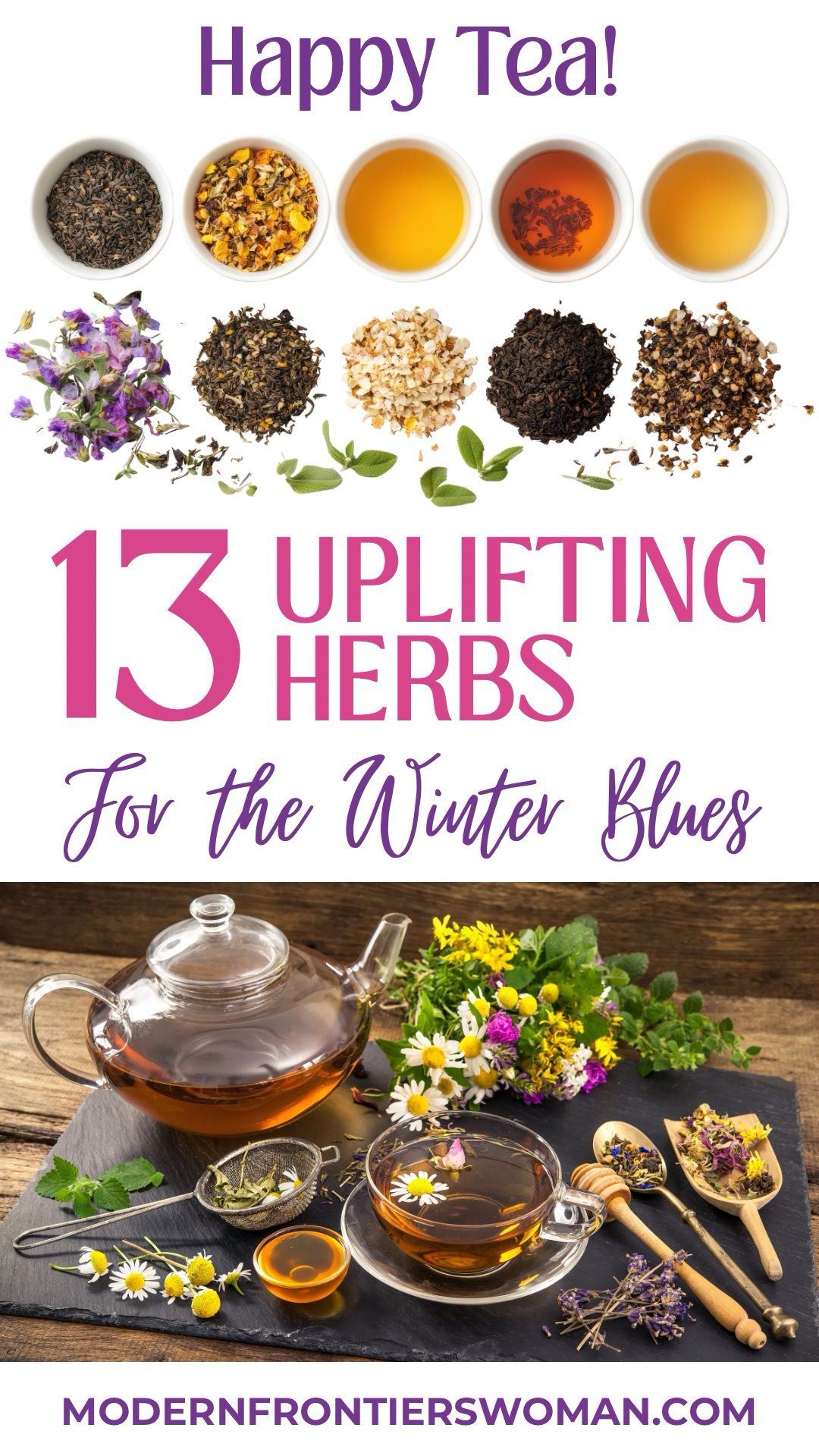
Gray skies, snow-covered landscapes, and decreased sunlight can take a toll on our brain chemicals. Feed your soul this winter with these uplifting herbs to add to your herbal regimen or tea recipes.
For more information on growing, blending, and brewing your own herbal teas, read How to Grow a Medicinal Tea Garden (Plus over 40 Plants!).
Disclaimer: Always consult a medical professional, pharmacist, or herbalist when adding medicinal herbs to your routine. Take extra caution during pregnancy. The following information is for educational purposes and not intended as a treatment plan for any specific medical conditions.
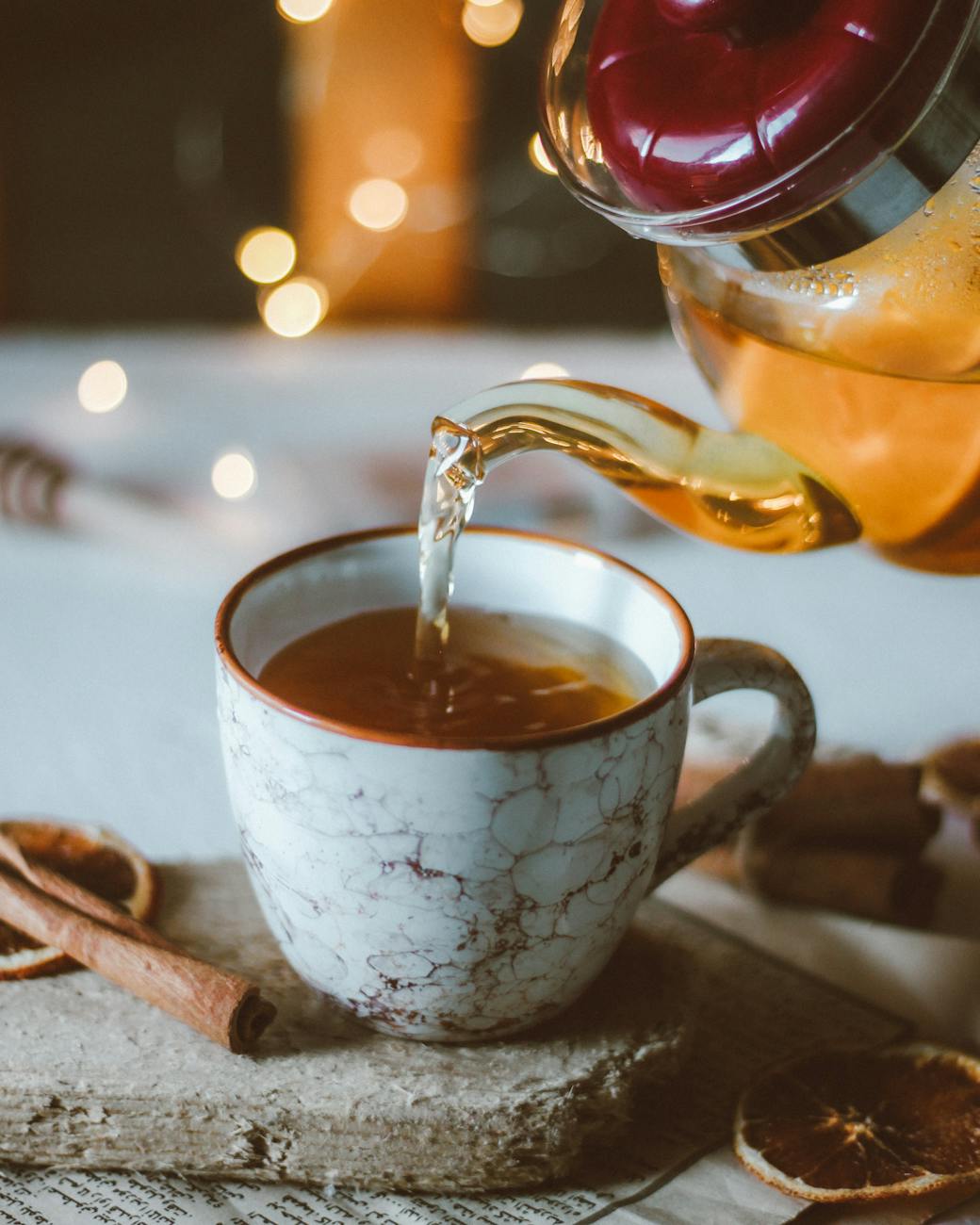
Uplifting Herbs for Tea
As the days grow shorter and the cold settles in, many of us feel our energy dip and our motivation fade. Winter has a way of slowing everything down—our routines, our creativity, even our sense of joy. Herbal teas can be a gentle antidote to that heaviness.
With their soothing aromas, nourishing compounds, and naturally uplifting properties, these plants offer a simple yet powerful way to support emotional balance during the darker months. A warm mug can become a ritual of comfort, grounding, and self-care—one that helps you reconnect with your inner light when the world outside feels dim.
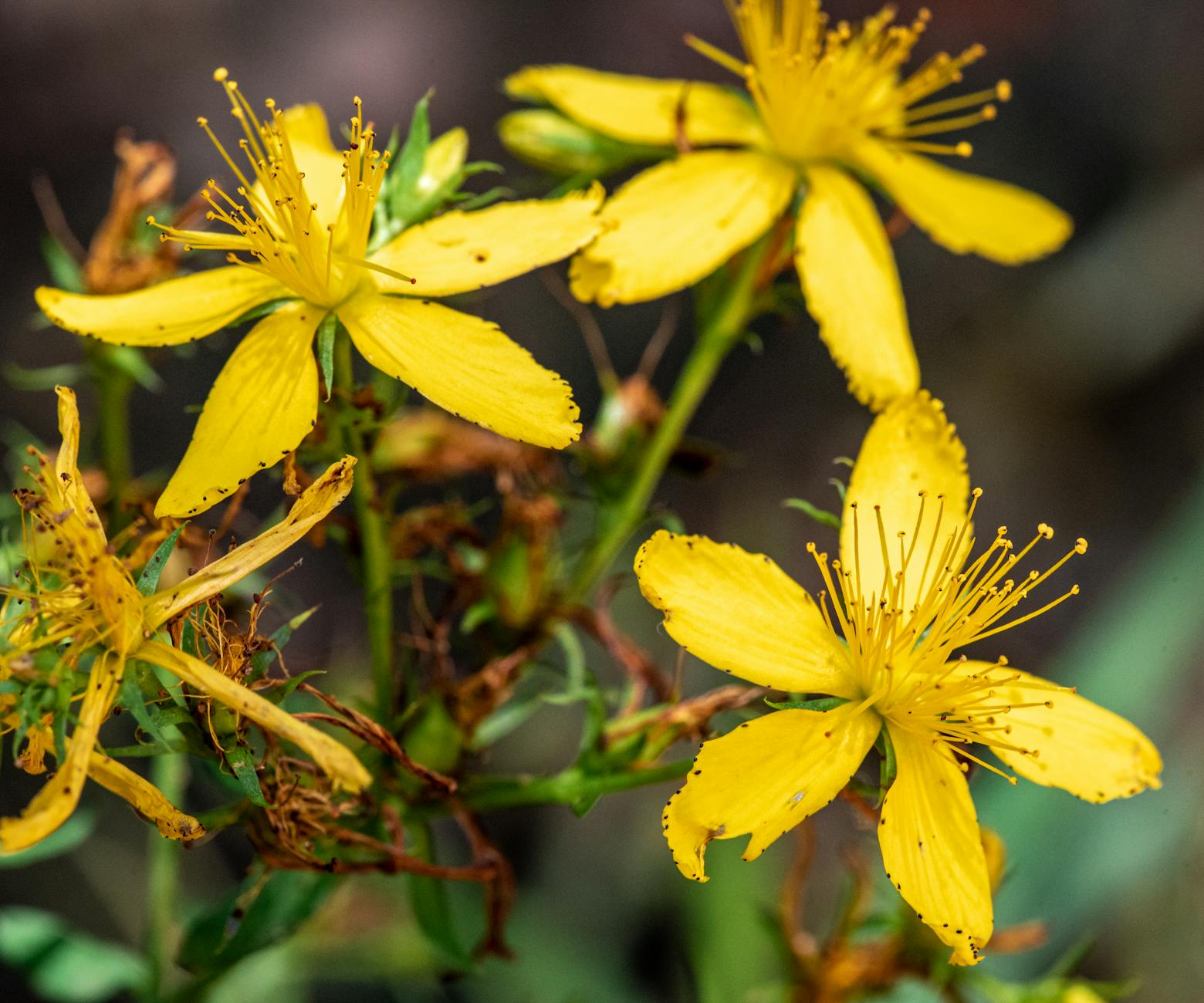
1. St. John’s Wort
St. John’s Wort (Hypericum perforatum) is one of the most well-studied herbs for seasonal low mood and mild depression. It contains hypericin and hyperforin—active constituents believed to help balance serotonin, dopamine, and norepinephrine.
Benefits:
- May improve mild to moderate depression
- Helpful for anxiety, irritability, and emotional fatigue
- Traditionally used to soothe nerve pain
Grow your own or purchase ready-made St. John’s Wort tea bags or loose-leaf tea. Use sparingly in blends due to its strong flavor. Often paired with lemon balm or chamomile for balance.
Important: St. John’s Wort interacts with many medications, including antidepressants, birth control, blood thinners, and more. Seek professional guidance before using.
2. Ginkgo
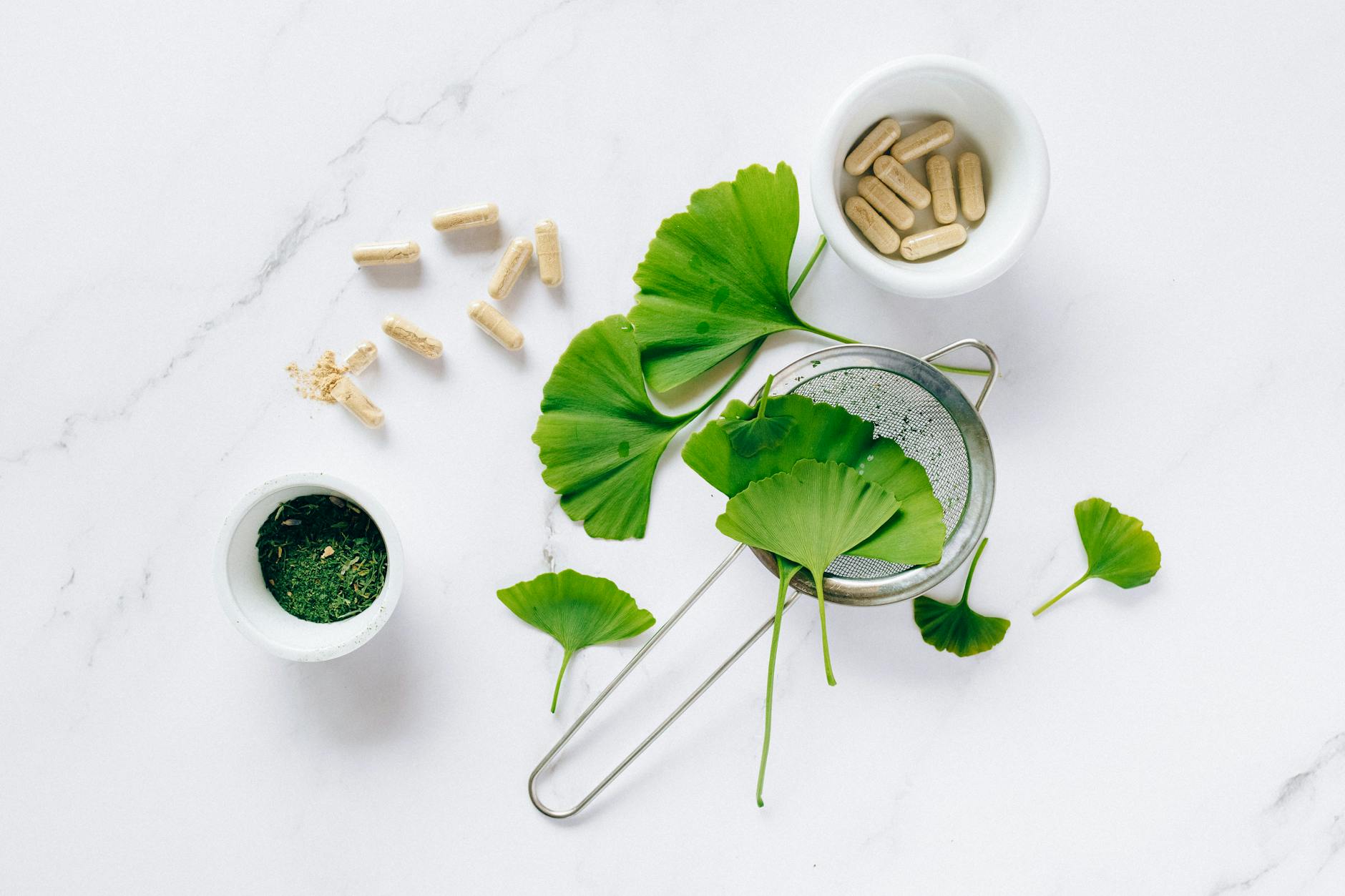
Ginkgo biloba, made from the leaves of one of the world’s oldest trees, is prized for its cognitive and circulatory benefits.
Benefits:
- Improved concentration and memory
- Enhanced blood flow to the brain and extremities
- Mild mood-lifting and anti-anxiety effects
Ginkgo tea has a mild, earthy flavor and combines well with mint, tulsi, or passionflower. Many prefer it in capsule or tincture form as well as in tea bags.

3. Lemon Balm
Lemon Balm (Melissa officinalis) is a calming, citrus-scented herb beloved for its ability to soothe the nervous system.
Benefits:
- Reduces stress and nervous tension
- Gently lifts mood
- Improves sleep quality
- May ease digestive discomfort caused by anxiety
Beautiful on its own or in almost any blend. Purchase tea bags or loose-leaf tea. Pairs especially well with chamomile, mint, or lavender.
Pro Tip: If you’re growing Lemon Balm from seed, these hardy perennials will come back year after year. Keep them in a contained area as they spread vigorously from dropping their seeds nearby.

4. Passionflower
Passionflower (Passiflora incarnata) is a natural anxiolytic—meaning it helps calm the mind without heavy sedation.
Benefits:
- Eases racing thoughts
- Supports deeper, more restorative sleep
- Helps with tension headaches
Passionflower herbal tea tastes light and grassy and is often used in evening routines. Loose-leaf tea blends beautifully with lemon balm, tulsi, or chamomile.
5. Tulsi
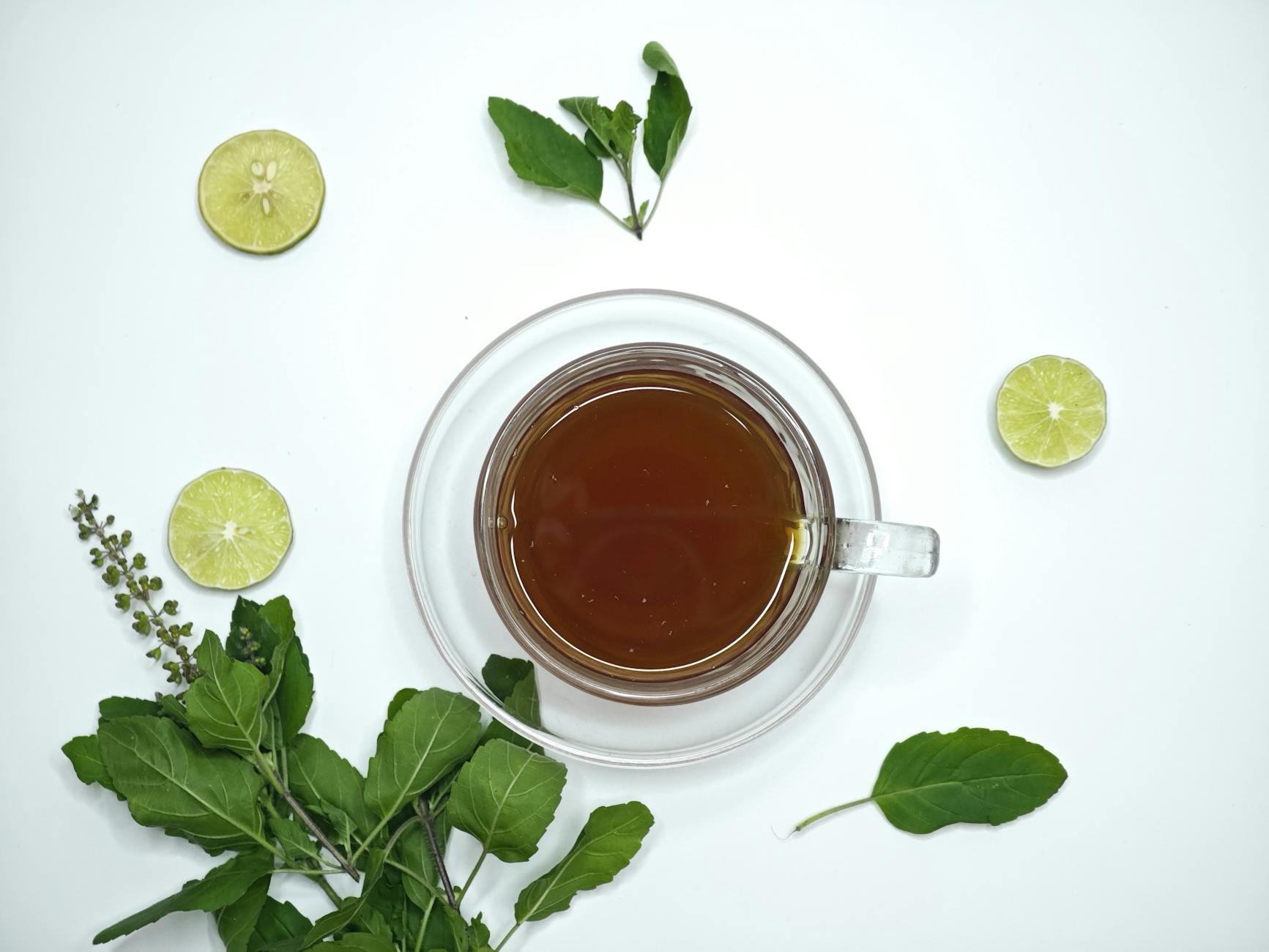
Tulsi, also known as Holy Basil (Ocimum Sanctum or Ocimum tenuiflorum), is an adaptogen that may offer health benefits such as:
- stress, anxiety, fatigue, and headache reduction
- organ protection and chemical/metal detoxification
- improved memory and cognitive function
- heightened immunity and reduced infections with antimicrobial properties
- enhanced mood and mental clarity
- blood pressure, glucose, LDL cholesterol, and inflammation control
Grow your own tulsi from seed or purchase loose-leaf dried tulsi for tea. Other supplement options for non-tea drinkers include: Holy Basil Liquid Extract, Herbal Capsules, Essential Oil, and Tulsi Powder for seasoning dishes or adding to smoothies.
6. Skullcap
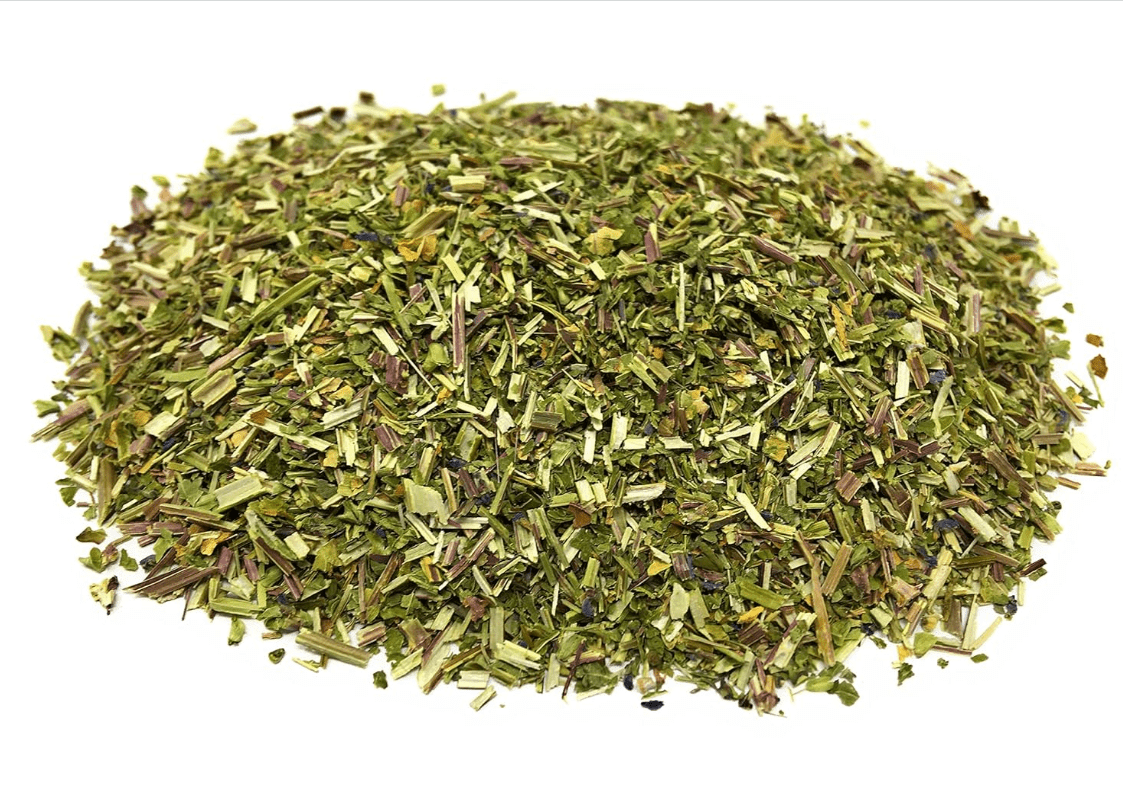
Skullcap (Scutellaria lateriflora) is a beautiful nervine herb known for its calming properties.
Benefits:
- Relieves tension and muscle tightness
- Helps quiet an overactive mind
- Supports relaxation during high-stress periods
Best used in small amounts within a blend. Try pairing skullcap tea with chamomile and passionflower for a deeply soothing evening tea.
7. Chamomile
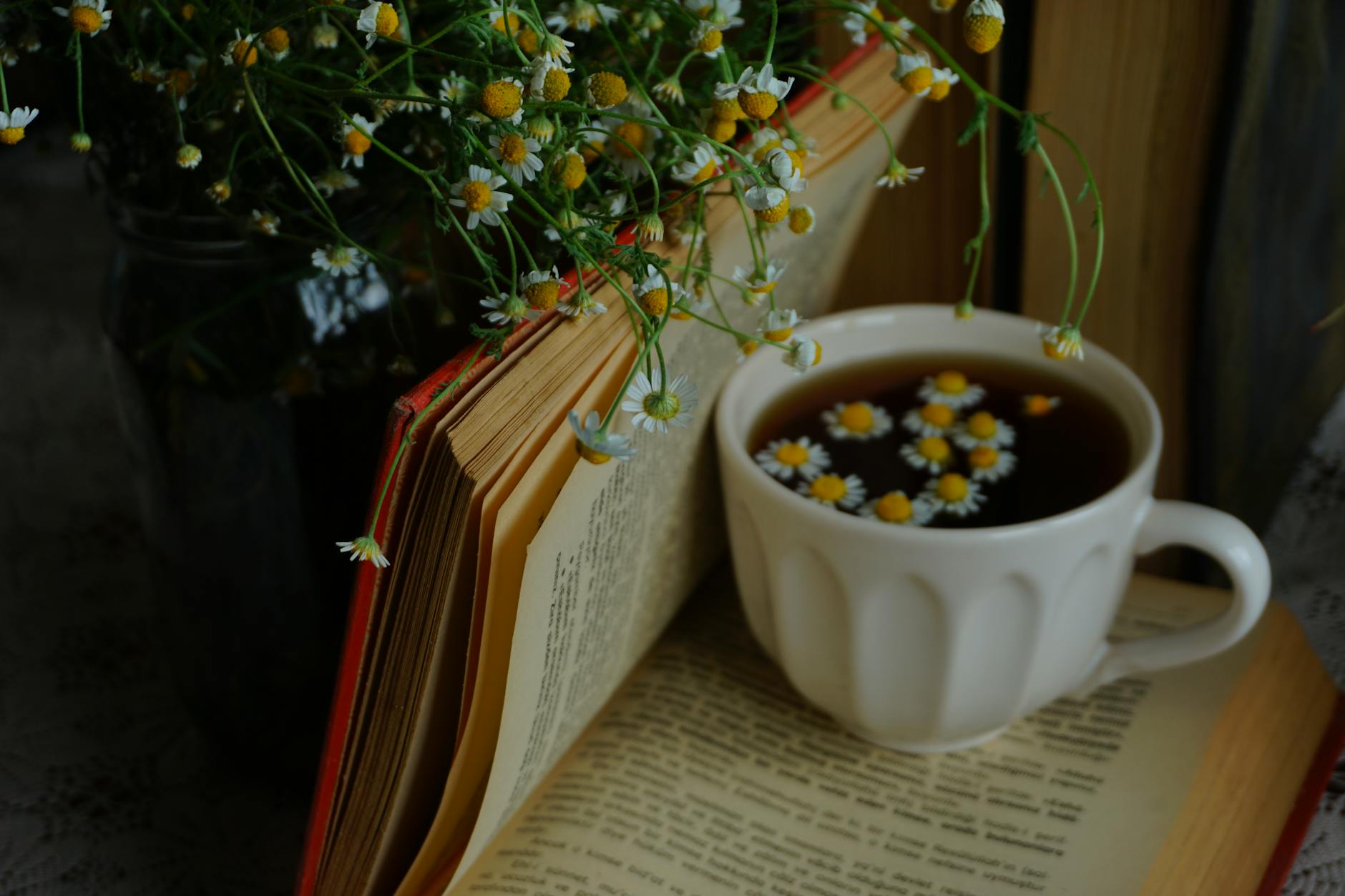
Chamomile (Matricaria chamomilla) is a classic herb for soothing the nervous system and bringing gentle emotional comfort.
Benefits:
- Eases anxiety and irritability
- Promotes deeper sleep
- Helps with digestive upset related to stress
- Mild mood enhancer
Delicious solo in tea bags or blended with loose-leaf herbs. Its apple-like aroma pairs beautifully with lemon balm, lavender, and mint.
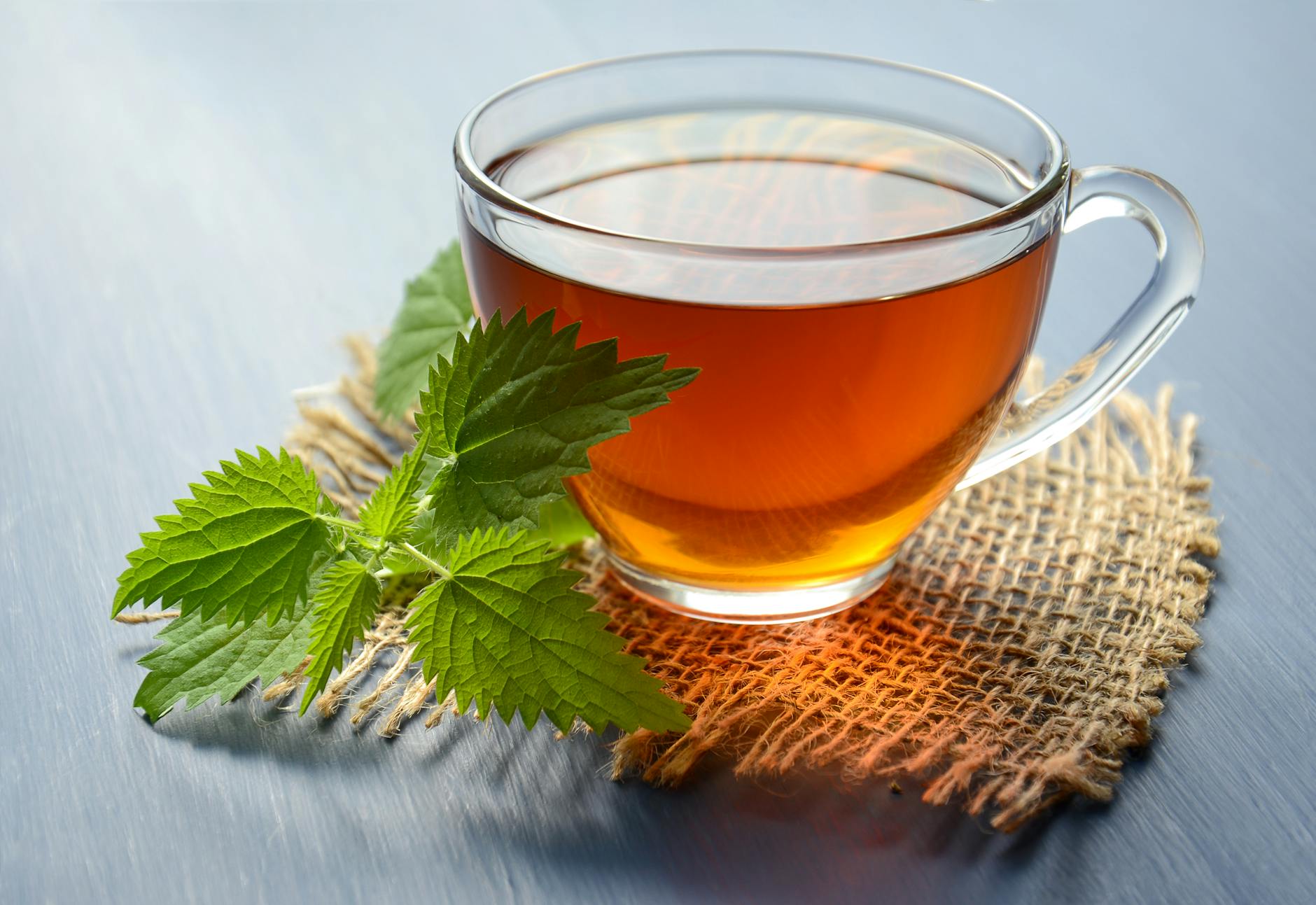
8. Mint
Peppermint and spearmint both offer invigorating yet calming effects—perfect for lifting mental fog on dark winter days.
Benefits:
- Boosts alertness and focus
- Helps reduce stress and ease headaches
- Supports digestion and reduces nausea
Mint brightens almost any herbal blend. Combine with tulsi for a refreshing morning tea or with chamomile for a relaxing nighttime cup.
Gardener Note: The mint family of plants spreads quickly via their root system. Keep these herbs in a container or raised bed.
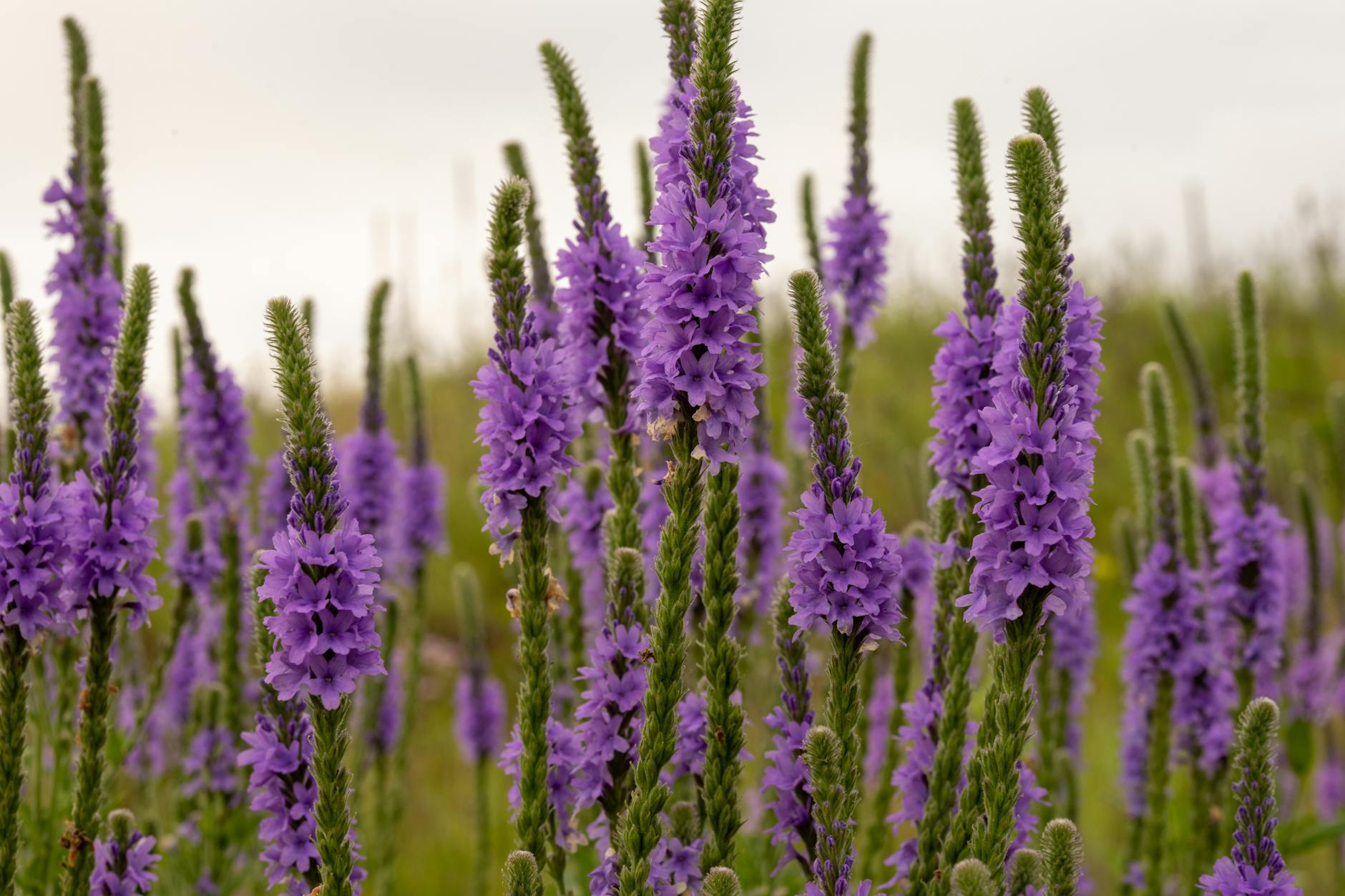
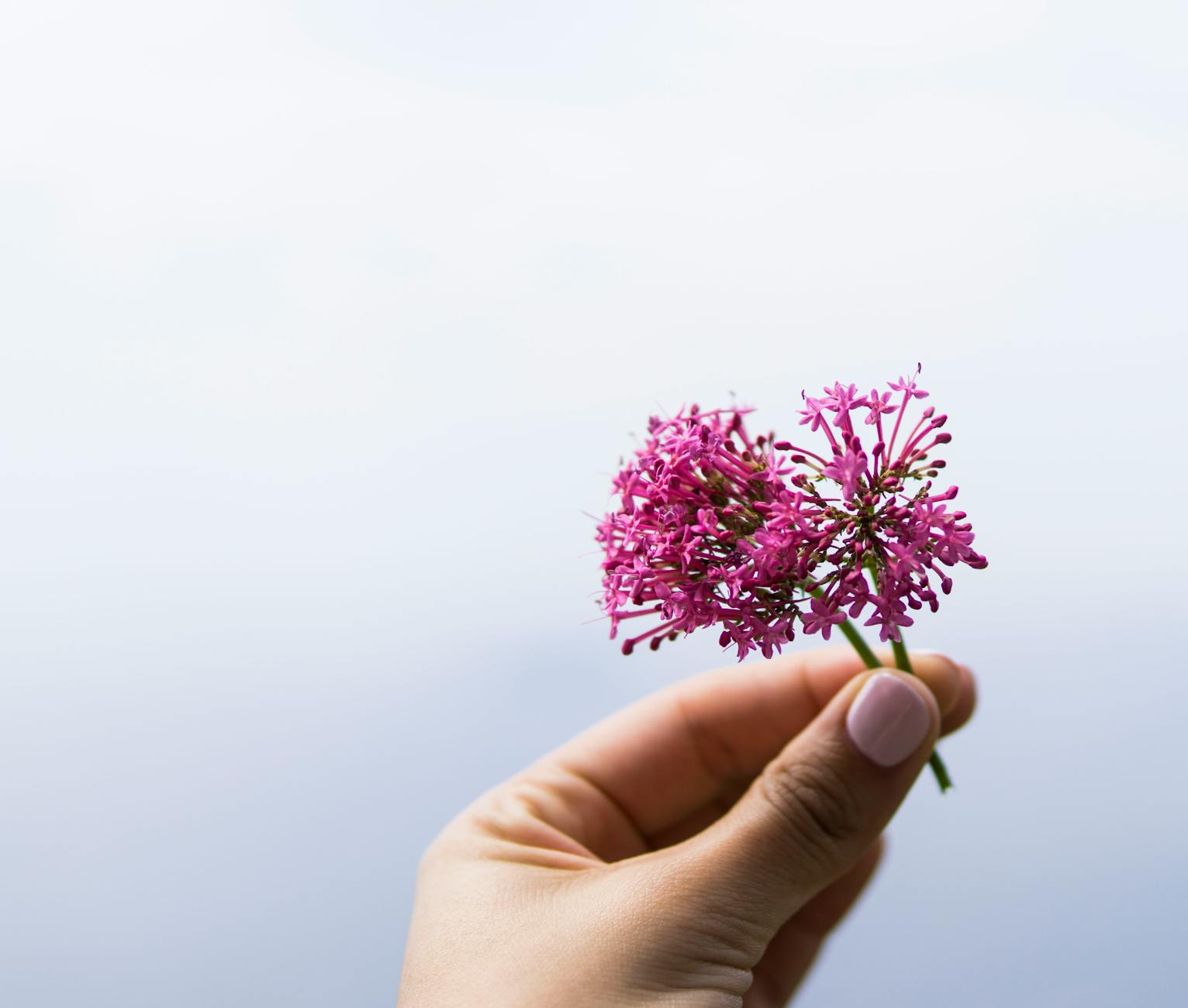
9. Vervain
Blue Vervain (Verbena hastata) is a strong herbal ally for emotional overwhelm and tension.
Benefits:
- Eases irritability and emotional burnout
- Relaxes tight muscles, especially in the neck and shoulders
- May support hormone balance related to mood
Vervain herbal tea can be bitter, so it’s often blended with mint, lavender, or lemon balm. Start with small amounts.
Garden Tip: These flowers attract and support pollinators in the garden.
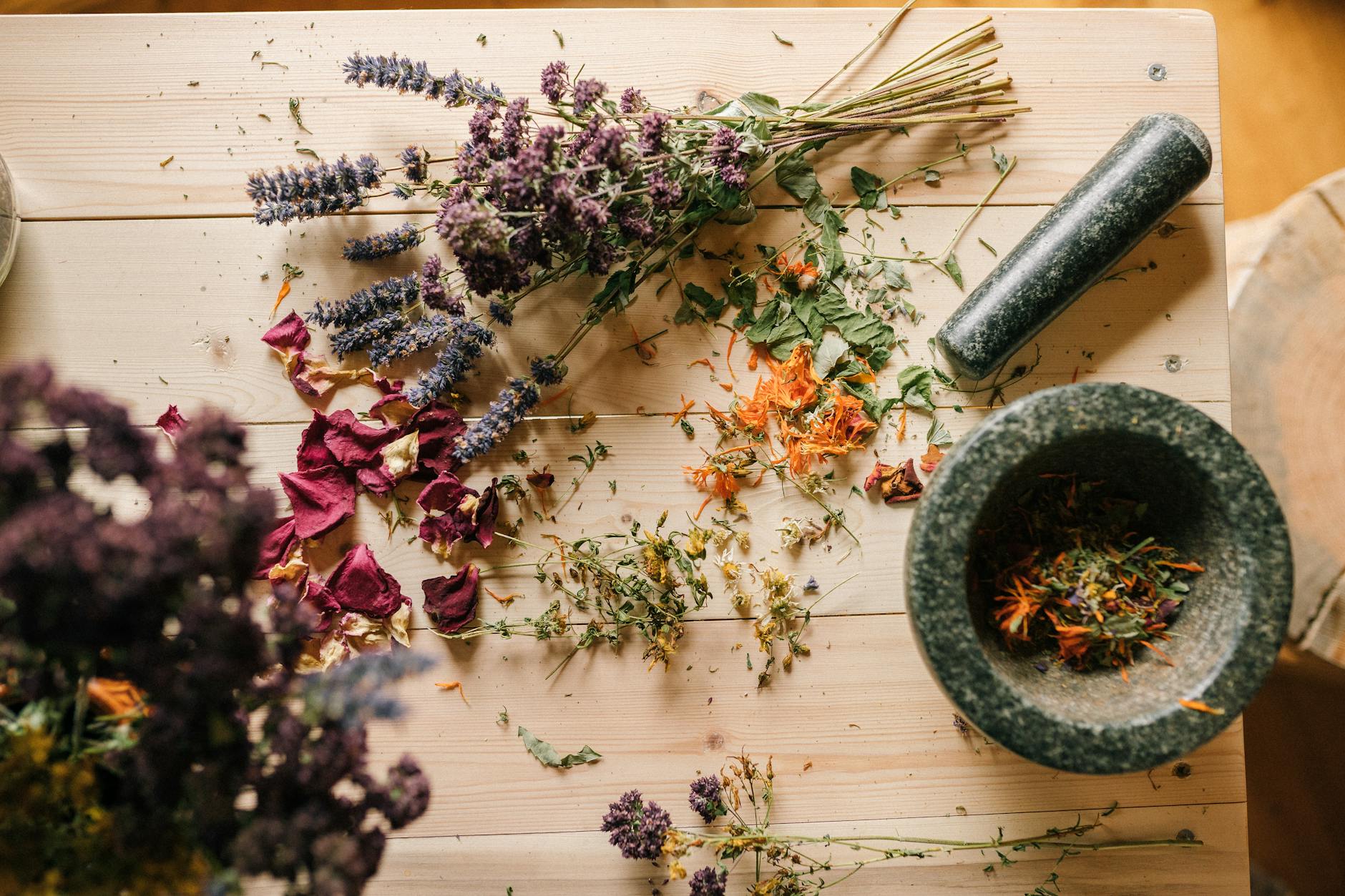
10. Lavender
Lavender (Lavandula antustifolia) isn’t only for aromatherapy—its blossoms also make a beautiful addition to tea blends.
Benefits:
- Reduces anxiety and tension
- Promotes restful sleep
- Soothes headaches
- Provides gentle mood-lifting aromatics
A little lavender tea goes a long way. Blend with chamomile, lemon balm, or mint for a fragrant, calming infusion.
Gardener Note: This woody perennial is tricky to grow from seed, but it’s very rewarding when you succeed. Plant and moisten seeds in a seed-starting tray and place them in the freezer for 6 weeks before moving to the windowsill. These seeds need cold stratification to germinate.
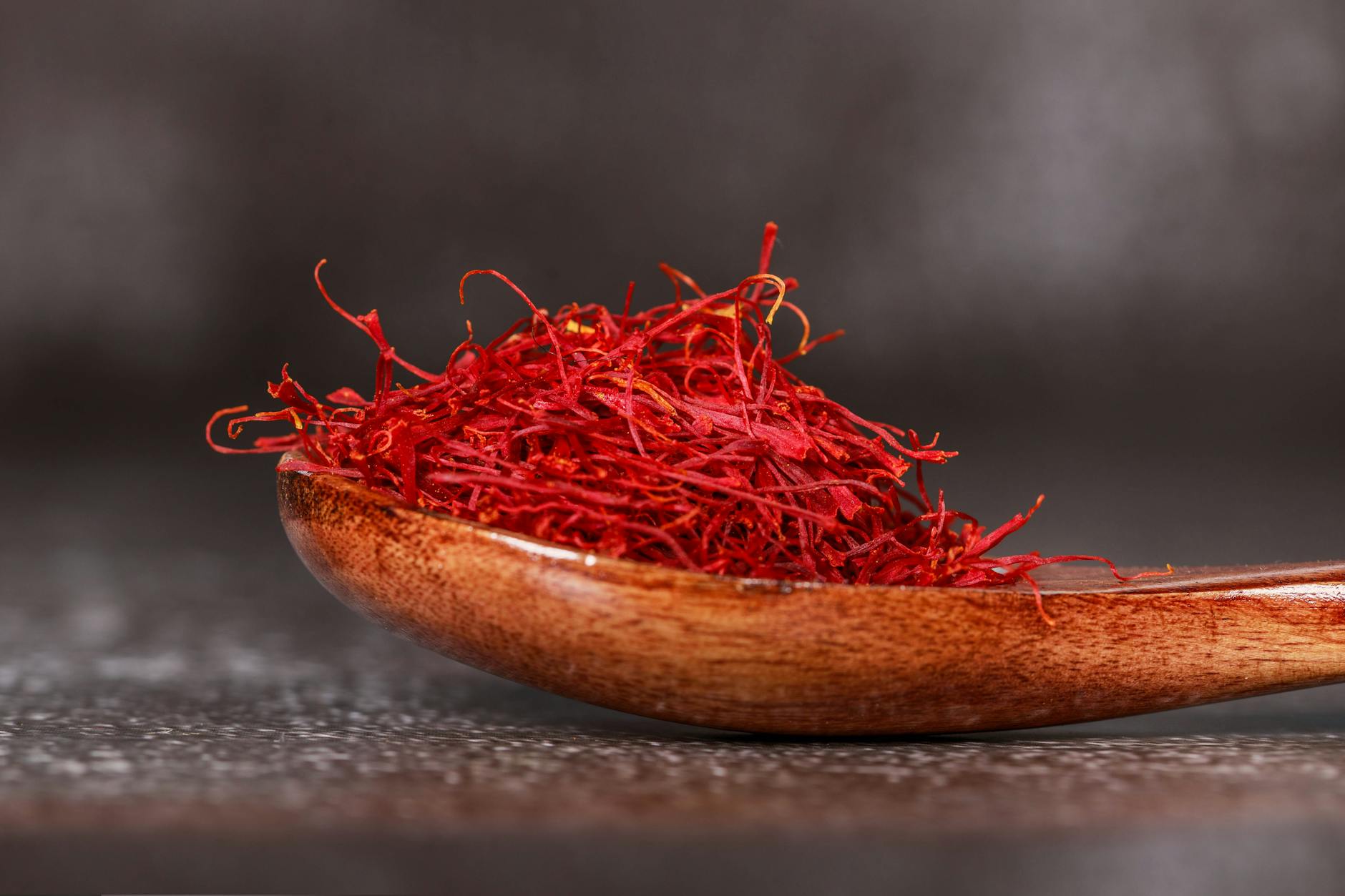
11. Saffron
Saffron (Crocus Sativus) is a luxurious spice with potent mood-enhancing properties backed by clinical studies.
Benefits:
- Shown in research to improve symptoms of mild to moderate depression
- Contains crocin and safranal, which may support serotonin balance
- Provides subtle energy without jitteriness
Steep just a few saffron threads in hot water or combine with chamomile, cinnamon, or tulsi. Saffron’s warming nature is perfect for winter.
12. Valerian
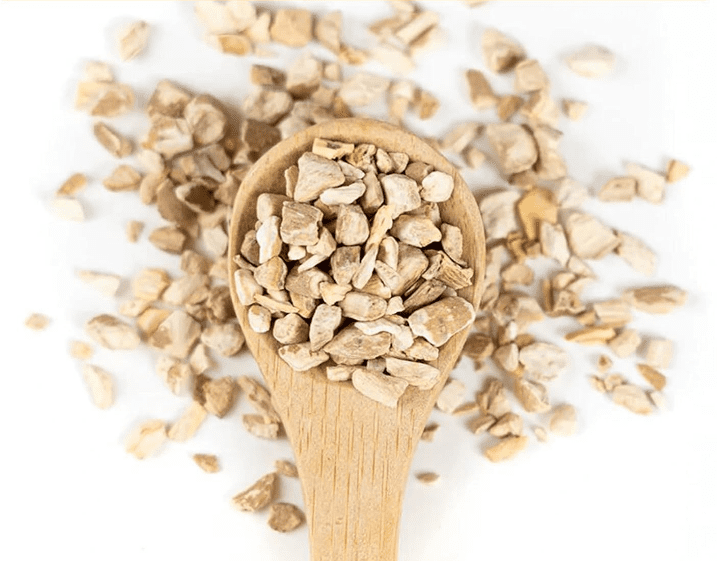
Valerian root (Valeriana officinalis) is one of the strongest herbal sedatives and a key ally for nighttime relaxation.
Benefits:
- Deeply calming for the nervous system
- Helps with insomnia, especially when related to anxiety
- Eases muscle tension
Valerian tea has a very strong, earthy taste—many prefer tinctures or capsules. If using loose-leaf tea, blend with mint, chamomile, or lemon balm.
13. Ashwagandha
Ashwagandha (Withania somnifera) is a beloved adaptogen used for centuries to build resilience and emotional balance.
Benefits:
- Reduces stress hormones like cortisol
- Improves mood and reduces anxiety
- Supports energy, stamina, and sleep
- Helps with brain fog and focus
Ashwagandha root tea is naturally earthy and pairs well with cinnamon, ginger, or tulsi. It’s also widely available in gummies, capsules, or powdered form for smoothies.
How to Blend a “Happy Tea”
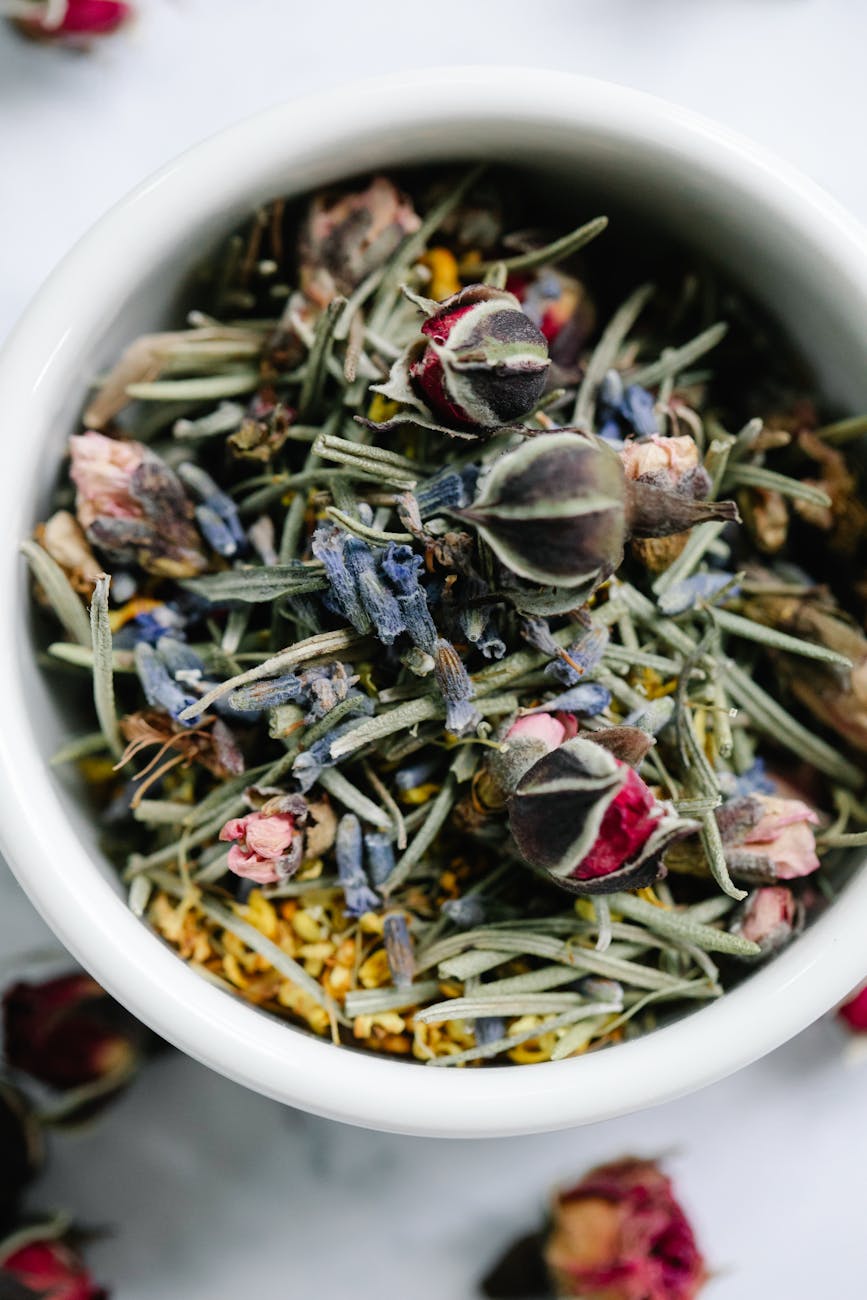
Try combining 3–5 of the herbs above for a winter-uplifting cup. Here are a few favorite combinations:
Mood-Boosting Morning Blend
- Tulsi
- Mint
- Lemon Balm
Stress-Relief Afternoon Blend
- Ginkgo
- Lemon Balm
- Skullcap
Cozy Evening Unwind Blend
- Chamomile
- Passionflower
- Lavender
- Optional: A pinch of valerian root
Luxurious Sunshine Blend
- Saffron (2–4 threads)
- Chamomile
- Tulsi
Conclusion
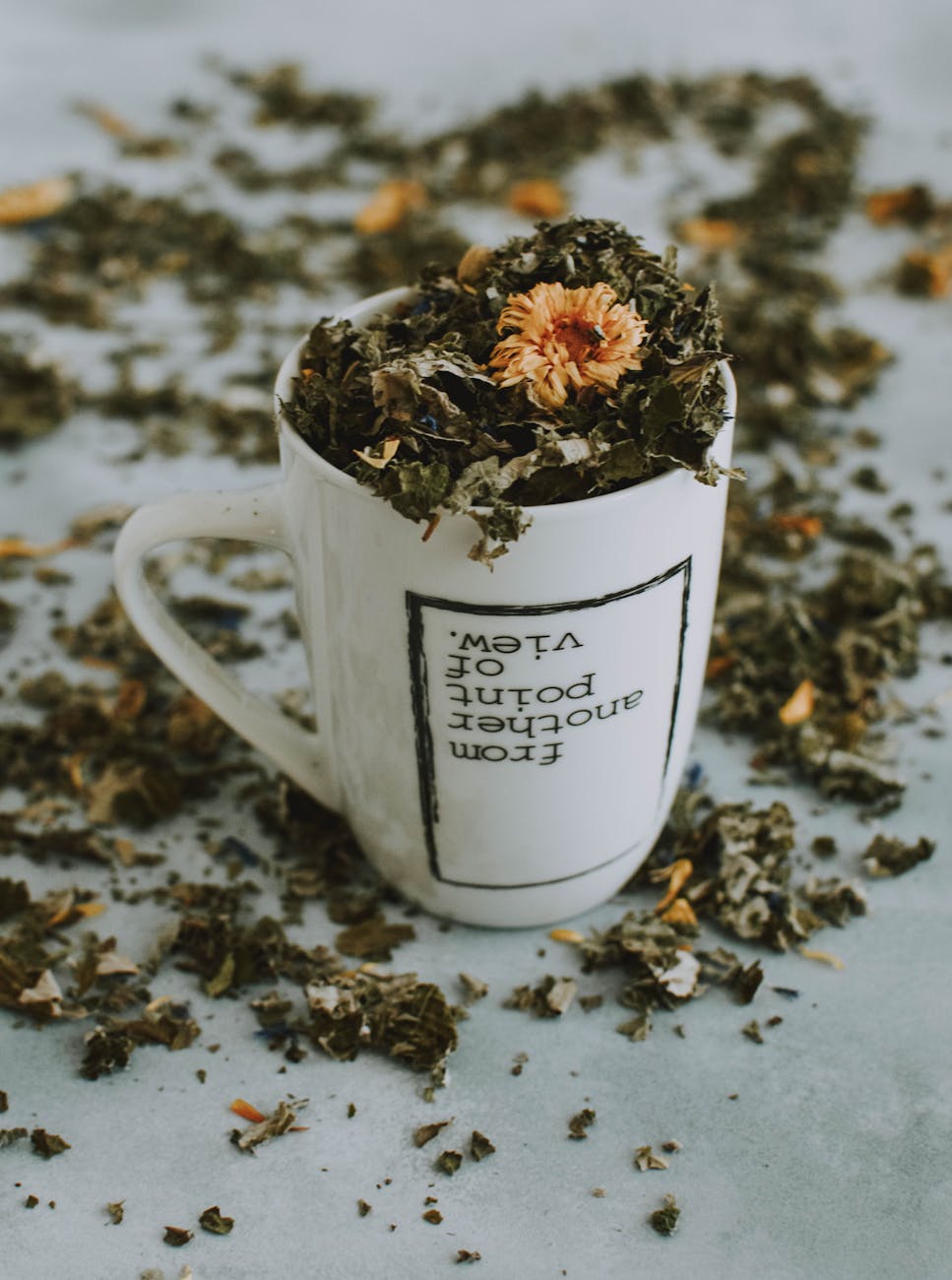
Winter doesn’t have to dim your inner light. With the help of uplifting herbal allies—like tulsi, lemon balm, mint, passionflower, and saffron—you can nourish your nervous system, brighten your mood, and bring more warmth and grounding into the coldest, darkest months of the year. Whether you grow these herbs yourself or blend them into custom tea recipes, each cup is an invitation to slow down, reconnect, and support your emotional well-being naturally.
Brew something beautiful, give your body the nourishment it deserves, and let these happy herbs carry you through winter with more calm, clarity, and joy.

Garden Design and Planning Tool
The secret to an organized, functional garden is all in the planning! Use this garden planner to design and track the vegetable garden of your dreams.Instant download: Microsoft Excel and printable PDF files. Read More
Subscribe
Share on Social Media!
More ideas to uplift your mood . . .
Do you have experience with any other uplifting herbs? Share in the comments below!
- How to Grow a Medicinal Tea Garden (Plus over 40 Plants!)
- Rediscover Yourself: 10 Gentle Ways to Reconnect with Who You Are
- What to Do When You’re Feeling Unfulfilled
- 7 Proven Calming Techniques for Your Racing Mind
- The Ultimate Guide to Yoga, Healing, and Tools to Support Your Journey
- The Hidden Struggle of High-Achieving Women: Mental Burnout
- Menopause Management: 4 Empowering Tips Every Woman Should Know
- How To Develop Resilient Mental Health
- Protect Your Health: Practical Steps for Staying Strong, Safe, and Resilient
- Home Sanctuary Design: 8 Ways To Create Your Relaxation Space
- How To Rediscover Joy In Your Life
- From Weekend Warrior to Wellness Pro: Making Detox a Regular Part of Your Routine
- Why Stress is Sabotaging Your Hair Health
- Finding Calm: Simple Strategies to Manage Stress and Anxiety This Spring
- 100% Pure Plant Based Skincare Routine for Morning and Evening
- Best Gardening Books: Beginners to Masters
- Planning a Survival Garden for Food and Medicine
- The Ultimate Guide to Planting an Herb Garden
- 90 Unique Spices to Grow in Your Herb Garden
- 12 Culinary Herbs for the Flower Garden
- How to Start Seeds Indoors and Keep Them Alive!
- The Secret World of Seeds: Ancient Knowledge
- How to Harvest, Dry and Cure Cilantro
- Plant Friend or Foe: Companion Planting in the Vegetable Garden
For more inspiration follow my Pinterest Board: Apothecary, Oils, and Herbs.