
Autumn is more than just harvest season—it’s a golden opportunity to prepare your garden for next year’s success. As the weather cools and plants slow down fall becomes the perfect time to plant, prune, amend, clean, and protect. In this guide to gardening in the fall, you’ll find 30 essential projects and tasks to make the most of this transitional season. Whether you’re extending your harvest, improving soil health, or tidying up for winter, these simple steps will help your garden thrive long after the leaves fall.
Keep scrolling for your free checklist for gardening in the fall!

Your Guide to Gardening in the Fall
Fall is a magical time of year when the heat of summer starts to recede and bountiful garden harvests shower us with produce. Orange, red, and yellow leaves crunch underfoot as we enjoy the crisp and refreshing aroma that signals fall’s arrival. For the dedicated gardener, fall is a busy time of year as we try to make the most of our garden’s productivity before the growing season comes to an end.
The harvest season leaves gardeners with a short window of time to preserve our bounty, prepare to winterize our gardens, and get all our equipment for long term storage. With so much to do in so little time, it’s important to prioritize these tasks.
To help you get organized, I’ve put together a free Fall Gardening Checklist with the 30 projects and tasks in this post.

What to Plant in the Fall
1 Plant Fall Vegetables
Fast-growing crops that mature in under 60 days are perfect for planting in the fall. Here in Michigan, fall frosts start threatening by October, so August is the last chance to get any new plants in the ground. Every local microclimate will have its own unique weather patterns that determine when the last round of crops can be planted.
The free Old Farmer’s Almanac Tool will calculate your “last frost date” and let you know what to plant when for your specific zip code. Keep in mind that some vegetables can survive frost while others cannot. To learn which vegetables are cold hardy read, “How to Make a Succession Garden Schedule“.
Pro Tip: Check your first frost date and count backward the “days to maturity” for each crop—sow seeds or transplants early enough so they’re well established before hard freezes arrive. Adding row covers or cold frames can extend your harvest even further.
Cool-Season Vegetables to Plant in Fall
Leafy Greens
- Spinach
- Kale
- Swiss chard
- Arugula
- Mustard greens
- Lettuce (butterhead, romaine, leaf)
Root Vegetables
- Carrots
- Beets
- Radishes
- Turnips
- Rutabagas
- Parsnips
Brassicas (Cole Crops)
- Broccoli
- Cauliflower
- Cabbage
- Brussels sprouts
- Kohlrabi
Alliums & Others
- Garlic (plant in late fall for a summer harvest)
- Onions (sets or overwintering varieties)
- Shallots
- Leeks
Herbs That Tolerate Cold
- Cilantro
- Parsley
- Chervil

2. Plant Spring Bulbs in Fall
Beautiful blooms in the spring come from flower bulbs that must be planted in the fall. Flowers such as daffodil, tulip, allium, hyacinth, muscari, iris, and crocus all need to be planted in the fall when the ground is between 40-50°F. A bulb planter with measurements can help speed up the planting process, as each species of bulb will require a different planting depth of anywhere from 1-10 inches. Over time, each bulb will multiply and fill in the bed more densely.
3. Plant Trees in Fall
Trees can be planted in both spring and fall, however, fall can be the ideal time for certain climates. Trees planted in the fall usually experience more rainfall and milder temperatures, allowing them to develop their root systems more easily. These trees do not have to endure intense summer heat that can sometimes kill spring transplants. Plant trees at least 6 weeks before your last frost date to give them enough time to take root. Be sure to add tree protection from animals foraging in the winter.
4. Transplant or Divide Perennials
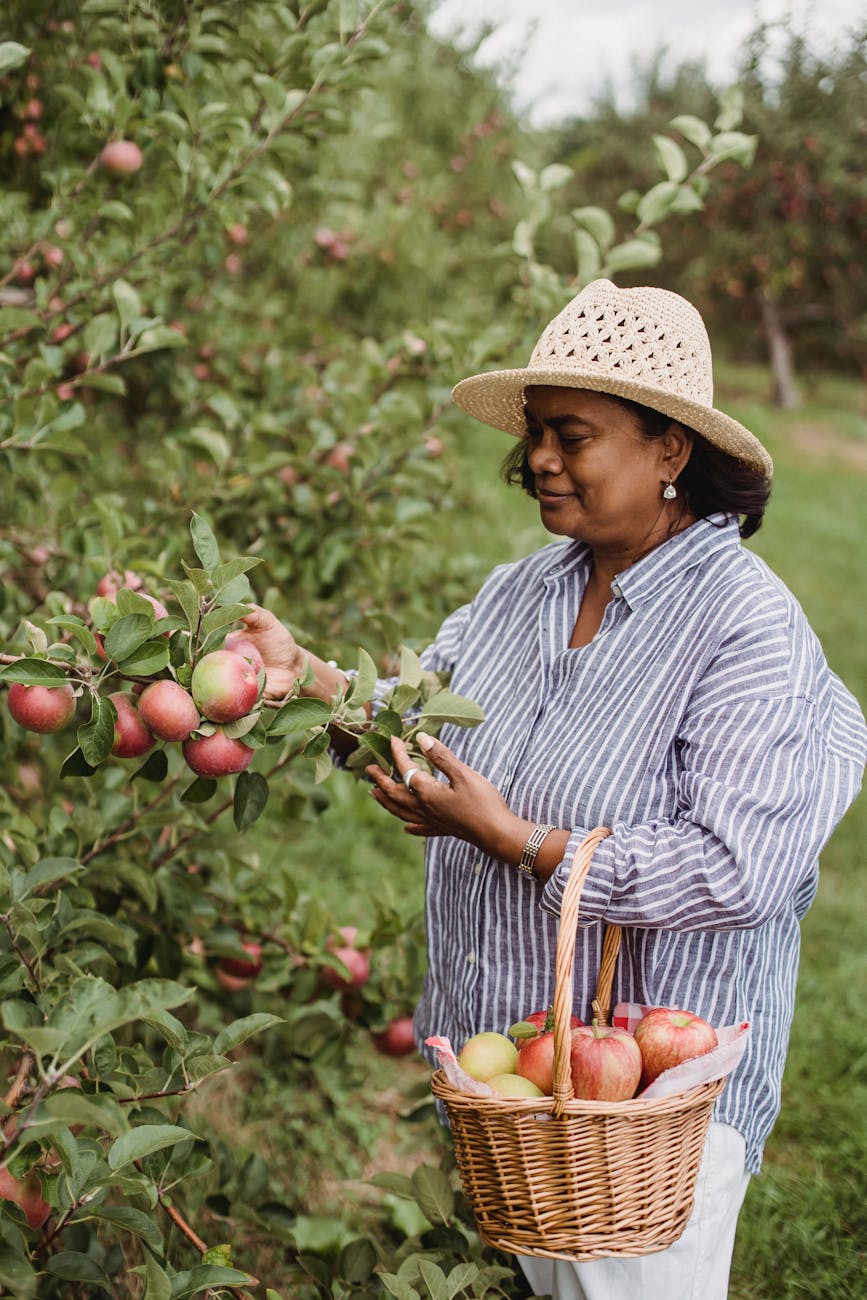
As the summer months go by and you admire your flower garden, you may take note of certain plants that need to be moved or divided. If a shorter plant is struggling for light behind a taller one, or if a certain plant doesn’t have the space it requires, move it to a new location after the heat of summer dies down and it has finished blooming.
If a perennial has outgrown its space, it can be divided by digging up half the plant and transplanting it to a new location. Note that woody plants can not be divided, only those that multiply using their root system such as bulbs, hostas, daisies, yarrow, phlox, astilbe, and blanket flower. Dividing and transplanting can be done in the spring as well, but there is more risk of damaging the plant’s foliage and therefore, future blooms.

5. Plant Cover Crops
While cover crops can be planted at any convenient time of year, fall is a great time to enrich the soil after a long growing season. Cover crops allow the soil to “stay alive” during winter while the organic matter decays and leeches nutrients. This helps improve soil structure while feeding insect decomposers, microorganisms, and wildlife foraging in winter. To learn about why tilling and leaving soil bare is so detrimental to the health of your garden or farm field read more here.
Fall Food Preservation
6. Harvest and Dry Herbs
Before the first frost arrives is the perfect time to harvest tender herbs such as basil, cilantro, and dill. Although perennial herbs can survive winter, it is not wise to do a large harvest too late in the season. This might damage the plant and its chances of surviving through the winter season. To learn how to harvest, dry and cure these tender herbs, read more here.

7. Preserve Fruits and Veggies
Frost can ruin crops that are sitting on the vine waiting for harvest. If weather is threatening, bring produce indoors for preservation. Canning vegetables is one of the easiest ways to preserve them for long-term storage. Just remember, most low-acid produce, like vegetables, need to be pressure canned, and high acid foods like fruit and tomatoes can be water bath canned.
Additionally, produce can be frozen, dried, or cooked into recipes. For more ideas on how to get the most from your garden bounty, learn these 8 Ways to Preserve Your Harvest.

8. Propagate Cuttings
Take cuttings from woody perennials or any plant that you would like to clone. Depending on the type of plant, cuttings can be rooted in a moist towel, in soil, or accelerated with rooting powder. Cuttings taken in the fall will have plenty of time to mature in a greenhouse or sunny window before being planted outside in the spring. Propagating cuttings is a great way to grow more plants for free!
9. Save Seeds When Gardening in the Fall
Seed saving can be done throughout the growing season, however, any seeds that are drying out on the plant should be harvested before inclement weather arrives. Frost or even heavy rain can damage seeds, cause pods to shatter, or cause mold to begin growing. Learn more about how to save seeds from different species of fruit and vegetables in my E-book, available here.

10. Collect Plants for Crafts and Medicine
Do you plan on making winter wreaths or adorning your Christmas gifts with pinecones? These natural craft supplies need to be gathered before the snow falls and they become impossible to find or damaged by weather. Medicinal roots, leaves, and flowers should be gathered before the plant goes dormant or the ground freezes. These can be made into medicine while fresh or dried for medicinal tea or later use.
Nourish Your Soil in Fall
11. Soil Amendments to Add in Fall
Winter signals an end to the life cycle of many plants and insects, but under the surface, the soil is still living. Organic matter continues to break down, while some insects and microorganisms carry on their work during winter. Adding compost or other beneficial soil amendments in the fall allows them to continue breaking down over winter. Completing this task in the fall also saves time and labor during the busy spring planting season.

12. Fall Watering
Trees and perennials need an adequate water supply to survive winter, even while they are dormant. Sometimes, harsh winter winds and frozen ground can injure plant root systems or kill them completely. While temperatures are cool, but not freezing during the day, continue watering plants when rain is scarce. This will ensure the plants have enough water stored to make it through winter.
13. Reinforce Mulch
Mulch in flower beds and vegetable gardens should be replenished as needed in the spring or fall. Fall is a great time to apply mulch because it will work to improve soil over the winter months. Mulch will insulate plants and provide a more hospitable environment to beneficial soil organisms. Mulching also helps control erosion, retain water throughout winter, and suppress weeds.

14. Set Up a Compost Bin
If you don’t already have a composting system set up, fall is the perfect to get started. Composting doesn’t need to be complicated and it can be as simple as a heap or hole in the ground. All the chaff and spent plant material cleaned out of garden beds can be added to the compost heap to begin decomposing over the winter. While compost decomposition can slow in winter, it still remain active and can continue to accept kitchen scraps all year. Composting used in combination with worms results in a quicker breakdown process and more nutrient-dense finished compost.
15. Plan for Fall Pollinators and Wildlife
Keep wildlife and pollinators in mind when cleaning up flower beds and vegetable gardens. These creatures are essential to local ecosystems and rely on seed pods and other plant material for food and habitat. Fallen leaves can be home to hibernating bumble bee queens as well as larvae of other pollinators like moths and butterflies. Whenever possible, leave nature alone and consider the needs of the animals who share your land.
Fall Garden Clean-up
16. Clean and Sharpen Tools
Over the summer, garden tools tend to accumulate dirt, rust, and sap. Not only will rust continue to worsen over winter, but dirty tools can also spread fungal and soil-borne diseases to plants the following season! Use a wire brush to loosen dirt and rust. Sharpen tools using a bastard file or whetstone and lubricate blades with machine oil before storage. This will extend the life of your tools and allow you to get started on all your spring garden chores more efficiently.
17. Fallen Leaves in the Garden
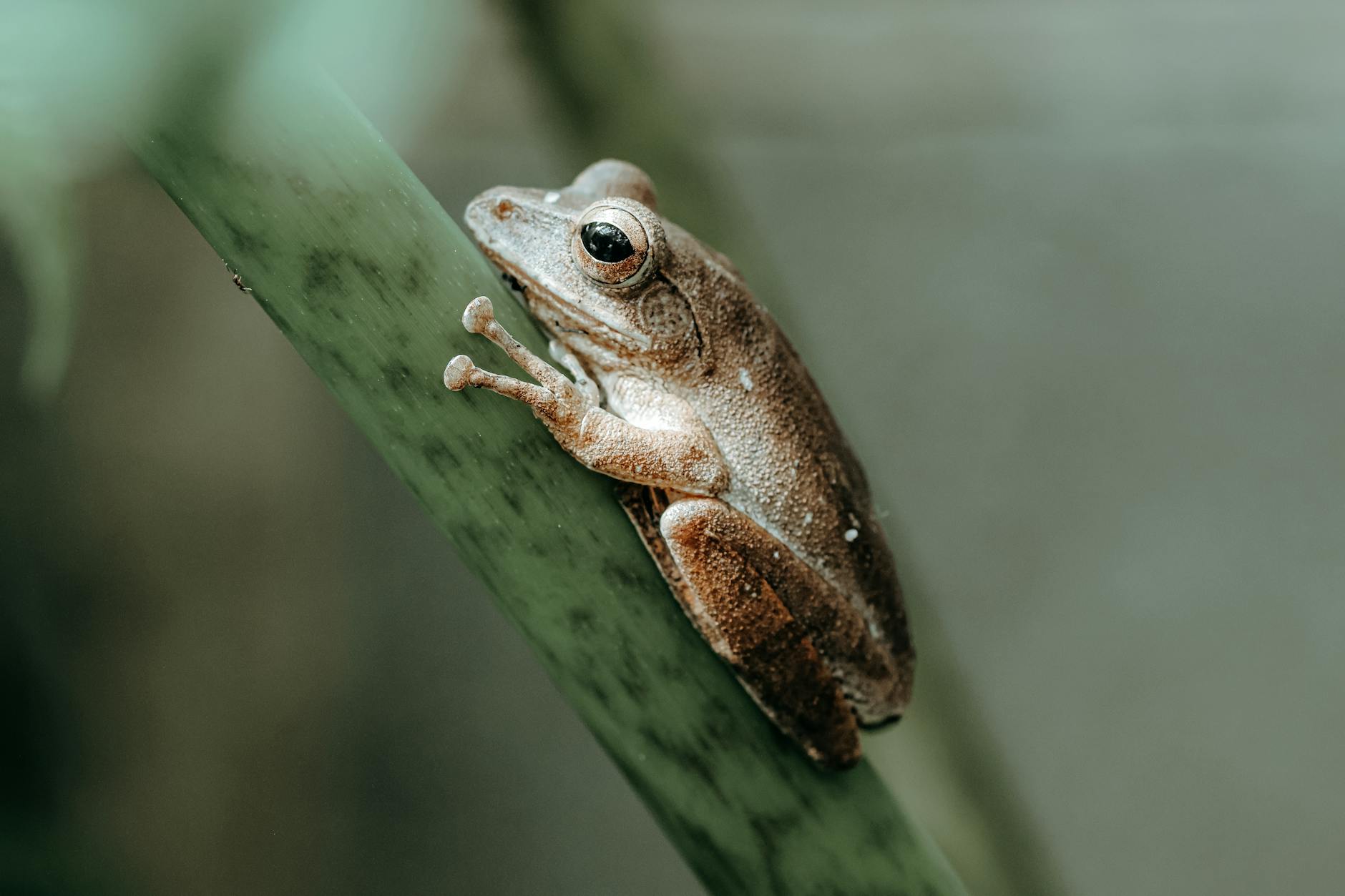
Whenever possible, let leaves stay where they are to benefit the ecosystem. Use a leaf blower or leaf rake to collect leaves on a tarp. Leaves can then be bagged for the city yard waste service, or placed into the compost pile. Leaves also make great mulch for gardens and woodland paths.

18. Prune Spent Annuals
Annual flowers and veggie garden plants can bring down the curb appeal of your yard when they reach the end of their lifespan. Trim stems just above the ground and collect all the dead plant material in a wheelbarrow or yard waste bags. It’s important to leave the roots so that your soil structure isn’t damaged when pulling out plants. The root system will continue to decompose and add more nutrients to the soil over winter. Pots, containers, hanging baskets, window boxes, raised beds, and flower beds can all benefit from this type of cleanup.
19. Remove Fall Weeds
To give yourself a break in the spring, tackle weeds in the fall. Weeds can be pulled by hand in perennial beds, or large planting areas can be solarized. Solarization requires a large tarp or heavy-duty landscaping fabric to be laid over the bed for 4-6 weeks to kill all the plants and weed seeds growing in that area. Cardboard or heavy mulch can also be used to kill weeds or turf for planting. Leave the area covered all winter, if possible, for quick and easy spring planting.

20. Prune Plants in Fall
The best time to prune trees, shrubs, and other woody perennials is when the plants are dormant in either fall or early spring. Always remove any parts of the plant that are dead or diseased. Prune according to your desired plant shape while eliminating any branches that are crossing or growing at awkward angles. Make sure all parts of the plant can receive adequate sunlight and have room to breathe. Always use sharp, clean pruning tools, and make sure to cut branches off at the base.
Protect Your Garden for Winter
21. Tree Guards and Row Covers
Hungry animals have no discretion when choosing plants to nibble in winter. Garden perennials, evergreens, and fruit tree bark all make for delicious winter foraging. When the bark is stripped, smaller plants and trees may not survive the winter. Fall is the time to put up tree guards to protect saplings or garden netting around evergreens or low-growing plants.
Row covers can also be added to the vegetable garden to protect plants and extend the growing season. Under the row cover “blanket” plants can survive light frosts which will keep your garden producing for several weeks beyond your typical growing season. The row covers can be used in spring as well to protect newly planted seedlings from surprise late frosts.

22. Dig up Bulbs to Overwinter
Tender flower bulbs such as dahlias, elephant ear, and gladiolas can perish during a harsh winter in colder growing zones. They need to be dug up every fall and brought into a protected space to wait out the freezing temperatures before being re-planted in the spring. If this sounds like a daunting task, a bulb basket can make the process much more efficient and will keep you from forgetting where your bulbs are located in the ground.
23. Bring Tender Plants Indoors
Bring houseplants indoors well before the cold weather begins. Tender annual herbs like basil and cilantro can be dug up and potted before they’re killed by frost. Place these potted herbs in a sunny window and continue watering them for fresh herbs all winter. Perennial herbs like mint, rosemary, or sage can be kept in containers year-round so they don’t go into transplant shock when brought indoors.

24. Cover Outdoor Furniture
Outdoor furniture deteriorates quickly when it is subjected to harsh winter snow and wind. Bring outdoor furniture indoors in late fall or use furniture covers to protect individual pieces from the weather. This will greatly lengthen the longevity of your outdoor furniture investment.
25. Store Gardening Equipment
Change the oil and drain gas lines for mechanical equipment before placing it into long term storage. Rotate equipment so that winter tools like snow plows and shovels are easy to reach and tuck summer items like lawnmowers and weedwhackers toward the back of the garage or barn.

Organize for Next Garden Season
26. Create a Seed Library
Seeds saved throughout the summer or unused seeds leftover from spring often end up in a disorganized jumble. Fall is a great time to take inventory of the seeds you have so you know which varieties to plan on planting next year and what seeds need to be purchased in the spring. Seal any open seed packets in glass jars or seed bags. Record as much information as possible on each seed in your library and organize by species so you can always find what you’re looking for.
27. Tidy the Tool Shed
Summer is a busy time for every gardener and it’s easy to let things become disorganized throughout the season. Tidy up the storage shed, barn, or garage each fall and reorganize winter tools and equipment where they can be easily accessed. Organize pots and containers so they’re ready for seed starting and spring planting.

28. Store Outerwear and Winter Gear
Autumn is the time to dust off winter coats and bring hats and mittens out of storage. Starting the winter season with organization will ensure you’re family will be ready for bad weather before it strikes. Inventory everyone’s winter gear to make sure it still fits and is in good condition.
29. Decorate for Autumn
Adding some potted mums to the front porch or hanging dried corn is a great way to greet your autumn guests. Use pumpkins and gourds from the garden or farmer’s market to add a festive touch during the season. Swapping out indoor décor from summer to autumn before holiday entertaining will leave you with more free time to enjoy your beautiful home with friends and family.

30. Plan Your Next Garden
Take a sigh and congratulate yourself on all your hard work! Now that you’ve finally finished all your fall chores, the fun part can begin—planning next year’s garden! Start browsing seed catalogs and choose some fun new varieties to grow next season, or start sketching out your dream veggie garden layout. Winter is the best time to get everything in order for the next planting season.
Don’t forget to grab your free Fall Gardening Checklist with these 30 projects and tasks in a handy printable PDF!
Thank you for reading! Don’t forget to subscribe to the blog.
Subscribe
Explore more gardening articles . . .
- Unlock the Secrets to a Perfect Garden Layout! (A Reference Tool for Gardeners)
- Farm Layout Ideas: Site Plan Designs for Your Homestead.
- Gardening 101: 9 Simple Steps to a Fantastic First Season!
- Chaos Gardening for Perpetual Harvests
- Best Gardening Books: Beginners to Masters
- Planning a Survival Garden for Food and Medicine
- Building a Climate Victory Garden to Regenerate Soil
- The Bare Soil Dilemma
- The Ultimate Guide to Planting an Herb Garden
- 90 Unique Spices to Grow in Your Herb Garden
- 75+ Side Hustles for Farmers to Boost Income
- My Passion for Permaculture (and how to apply it to your homestead)
- How to Make a Succession Garden Schedule
- Start your Garden Renovation: Budget and Planning Guide
- How to Build a DIY Outdoor Pizza Oven
- Tips for Garden Critter Control
- The Gardener’s Guide to Pest Insects
- Expert Tips for Gardening Safety
- How to Grow Tomatoes
- 30 Unique Heirloom Vegetables for your Food Garden
- How to Start Seeds Indoors and Keep Them Alive!
- The Secret World of Seeds: Ancient Knowledge
- How to Grow a Medicinal Tea Garden (Plus over 40 Plants!)
- Top 20 Flowers for a Cottage Garden
- 20 Perennial Flowers that Bloom all Summer
- Wildflower Cottage Garden Design
- 12 Culinary Herbs for the Flower Garden
- Learn to Pressure Can Veggies!
- 8 Ways to Preserve Your Harvest
- How to Harvest, Dry and Cure Cilantro
- Companion Planting: Cracking the Code
- Plant Friend or Foe: Companion Planting in the Vegetable Garden
- Most Wished for Gardening Accessories!
- Veggie Garden Supply List

Garden Design and Planning Tool
The secret to an organized, functional garden is all in the planning! Use this garden planner to design and track the vegetable garden of your dreams.Instant download: Microsoft Excel and printable PDF files.
Share this Post on Social Media!
For more inspiration, follow my Pinterest Board: Gardening, Growing Food, Landscaping.


Autumn is the best time to prepare your vegetable and ornamental plants for winter.
Without this preparation, most plants won’t be able to survive winter. Will mark this post to prepare for winter.