
Not sure whether you’re dealing with a fracture vs sprain? While both injuries can cause pain and swelling, the treatment—and urgency—can be very different. Sprains may heal with rest, but fractures usually need medical care to prevent long-term issues. In this post, we’ll break down the key differences, symptoms to watch for, and how to properly diagnose and treat each type of injury.
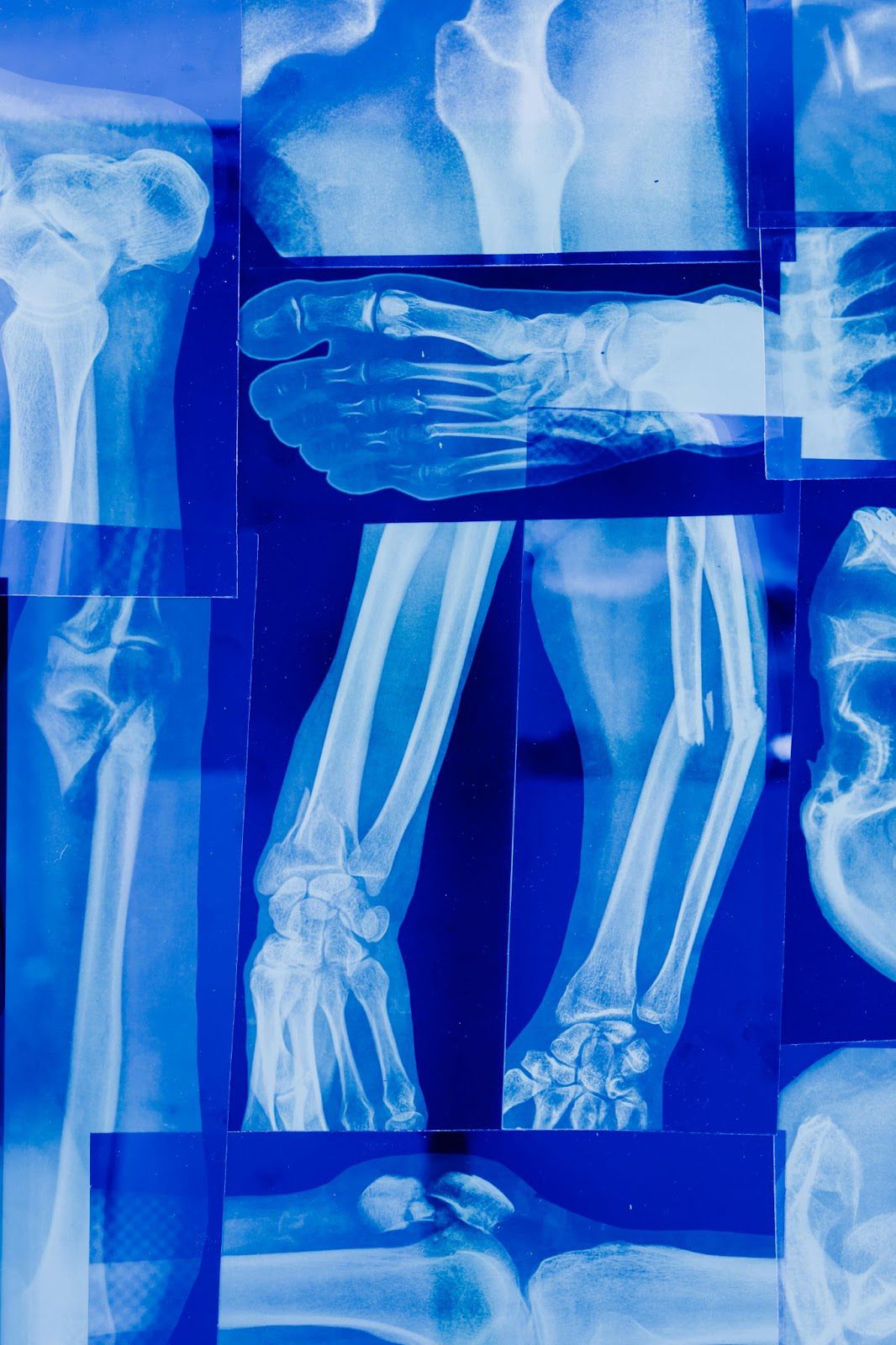
What is a Fracture?
A ‘fracture’ is the medical term for a broken bone. It could be a partial or complete break. In some cases, a bone may be broken in multiple places.
You can usually tell if you’ve sustained a fracture due to one of the following signs:
- The pain is sharp, intense, and deep within the body
- It’s impossible or very painful to bear weight on it
- There is a visible lump or deformity in the area
- You heard a cracking or crunching sound when you sustained the injury
- You’re experiencing a sense of numbness or tingling in the area
- You noticed rapid swelling immediately after the injury
Fractures often occur during falls and collisions. They are common injuries following a car accident and can occur in high-impact sports too. If the fracture was caused by someone else, consider seeking legal compensation with the help of a personal injury attorney to help pay for treatment.
While a fracture can heal on its own without medical attention, there is a high chance the bone won’t grow back correctly, causing further problems. This is why you should see a doctor as soon as possible to seek treatment such as a cast, a splint, or pins—this will ensure proper alignment as the bone grows back.

What is a Sprain?
A sprain is the term for when a ligament gets stretched or torn. While a stretched ligament can be mild, tears are typically more severe and easier to mistake for a fracture.
You can identify a sprain if you notice any of the symptoms:
- The pain appears to be in the soft tissue around the bone
- Although painful, you’re still able to bear some weight on it
- There doesn’t appear to be any noticeable deformity
- While severe sprains may cause a popping sound, most do not make any sound when you sustain them
- You may experience painful muscle spasms
- Swelling occurs, but generally not as rapidly as a fracture
Like fractures, sprains can be caused by collisions or falls. However, they are also commonly caused by sudden twists—often while partaking in sports or running. Improper warm-up and cool-down exercises before and after a workout can increase the risk of a sprain.
Mild sprains can heal without the need for medical intervention—provided that you rest and take steps to ease inflammation (the RICE method is recommended). Severe tears may require medical attention, such as surgery or fitting of a brace. Don’t hesitate to see a doctor if the pain is intense.

Sprain Recovery Essentials
Recovering from a sprain doesn’t have to be a guessing game—having the right tools on hand can make a big difference in how quickly and comfortably you heal. From compression braces and cold therapy wraps to pain-relief creams and mobility aids, these recovery essentials are designed to reduce swelling, support the injured area, and ease discomfort as your body repairs. Whether you’re dealing with a mild strain or a more serious ligament tear, this list includes everything you need to stay supported, reduce inflammation, and promote a faster, safer recovery at home.
Compression & Support
- Adjustable Ankle Brace with Arch Support
- Wrist Compression Sleeve (Pair)
- Neoprene Knee Brace with Hinges
Cold Therapy
- Reusable Gel Ice Packs (Hot or Cold)
- Ice Pack Wrap with Compression Strap
- Cold Therapy Ankle Boot or Knee Wrap System
Pain Relief & Recovery
- Topical Arnica Gel or Cream for Bruising & Pain
- Epsom Salt for Soaking
- TENS Unit Muscle Stimulator for Pain Relief
Mobility Aids
Optional Recovery Extras
- KT Tape Precut for Swelling and Support
- Instant Cold Packs (No Freezer Needed)
- Massage Ball Set or Foam Roller

Fracture vs Sprain: Do you have a broken bone?
If you can’t put weight on the injury, notice numbness or tingling, see a visible deformity, or heard a cracking sound at the time of impact, there’s a strong chance you’ve fractured a bone.
On the other hand, if none of these signs are present, it may just be a sprain—but don’t ignore it. Severe pain still warrants a visit to the doctor to rule out more serious damage and ensure proper healing.

Subscribe
More health articles . . .
- Why Stress is Sabotaging Your Hair Health
- The Ultimate Guide to Yoga, Healing, and Tools to Support Your Journey
- Wellness Careers For People Who Love Health
- Use Your Phone to Sleep Better: 3 Effective Tips
- Why a Lazy Day is Good for Your Health
- How To React When Health Issues Threaten Your Finances
- 100% Pure Plant Based Skincare Routine for Morning and Evening
- How to Boost Self Confidence
- Relaxation: The Secret to Productivity and Health
- How to Grow a Medicinal Tea Garden (Plus over 40 Plants!)
- Finding Calm: Simple Strategies to Manage Stress and Anxiety This Spring
- How to Combat Pollen and Indoor Allergies
- Relaxing Hobbies to Add Zen to Your Life
- Life On The Water: One Of The Most Addictive Hobbies Out There
- Vacation Planning Tips for Stress Free Travel
- The Best Strategies For Dealing With Loss
- Hygge Home Design Ideas to Feed Your Mental Health
- How to Start Homesteading Where You Live Today!
- The Ultimate Guide to Financial Independence
Share this Post on Social Media!
For more inspiration follow my Pinterest Board: Healthy Mind and Body.
