
You don’t have to own a dairy farm to know cows hate extreme heat. But if you do, you already know how even a slight rise in temperature can send milk production into a nosedive. It’s not just about keeping the herd comfy—it’s about protecting your bottom line. And as climate patterns shift, managing your dairy farm productivity and microclimate is no longer a luxury. It’s survival strategy 101.
Let’s talk about how to outsmart the heat, keep cows happier, and ultimately boost productivity. No fluff. Just practical, outside-the-box thinking.
Further reading for dairy farm management:
- The Small-Scale Dairy: The Complete Guide to Milk Production for the Home and Market
- Climate Smart Technologies for Improving Farm Productivity
- Whole Farm Management: From Start-Up to Sustainability
The Heat-Stress Domino Effect
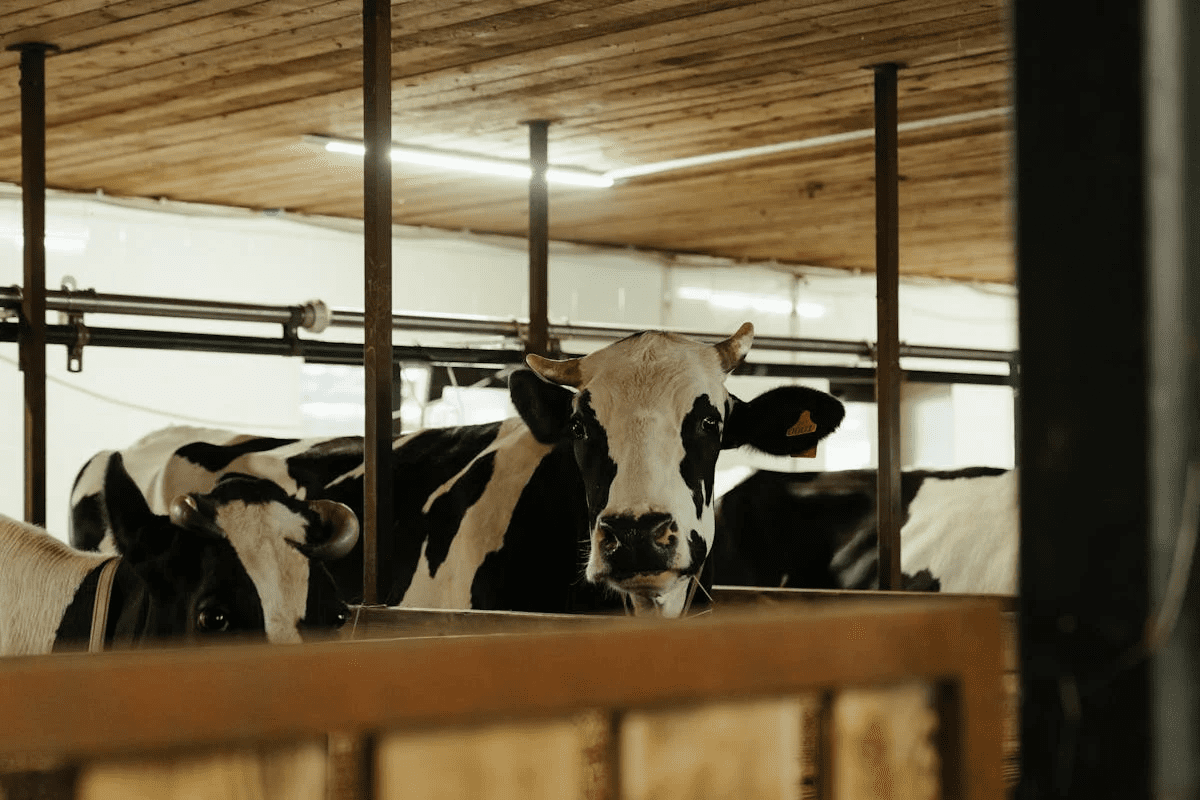
Cows don’t sweat efficiently. That’s a problem. When it gets hot, their feed intake drops. Less feed means less energy to produce milk. Add dehydration, increased standing time, and elevated heart rates—and you’re looking at a stressed animal that’s doing everything but making milk.
But the dominoes don’t stop falling there. Fertility suffers. Immune systems take a hit. And you might notice more mastitis or lameness creeping in. So yeah, managing heat is about a whole lot more than a temperature gauge in the barn.
Think Beyond Shade and Water
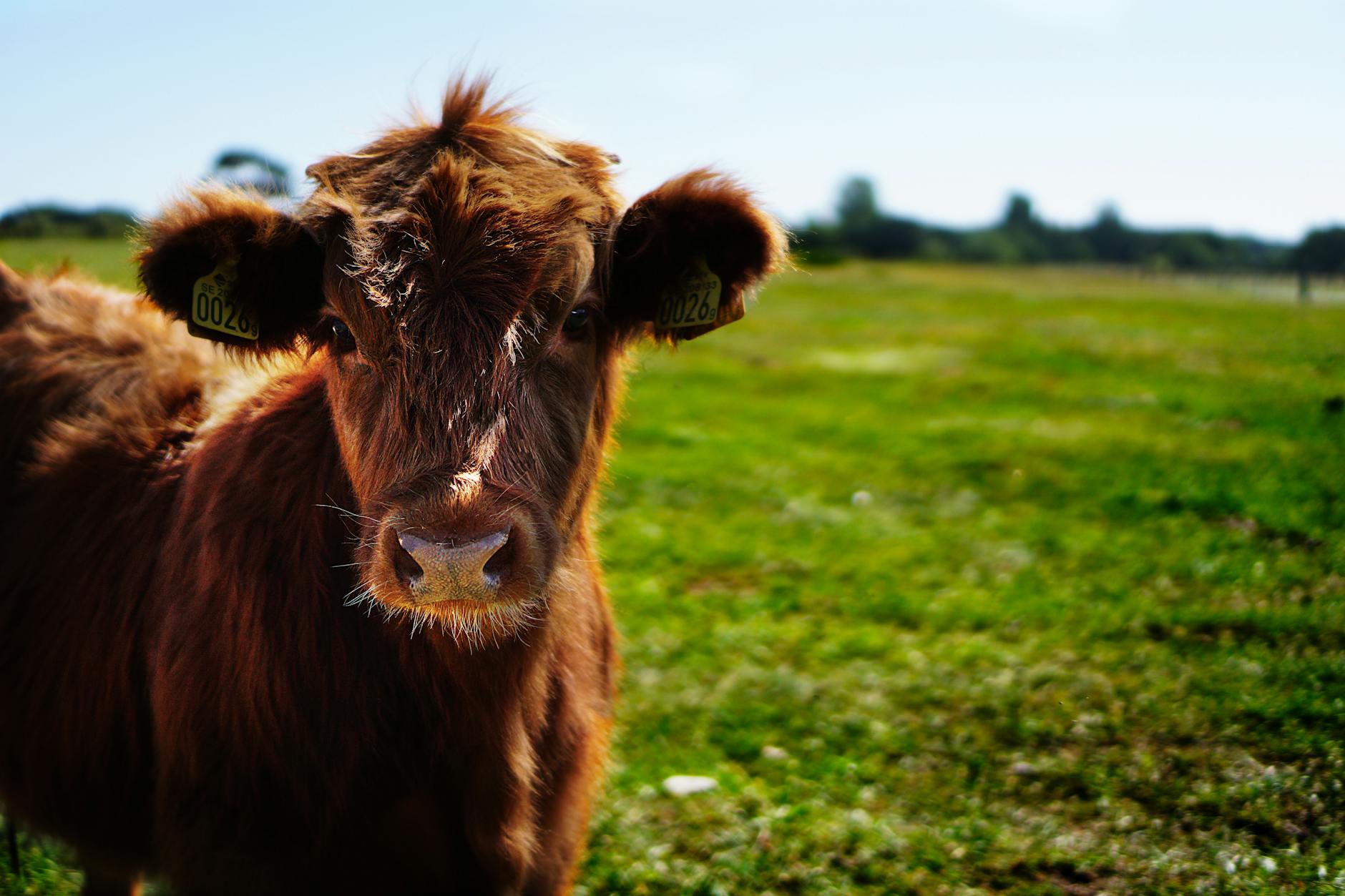
Sure, shade and water are the basics. But if you stop there, you’ve barely scratched the surface. Think of your barn as an ecosystem. Every detail—airflow, humidity, bedding, stocking density—can be tweaked to create a climate that supports production, not stifles it.
For starters, let’s talk airflow. Natural ventilation is great, but it has limits, especially during windless, humid days. That’s where barn fans come in. Not the cheap ones that rattle in the corners—high-volume, low-speed (HVLS) fans that move serious air without spooking the cows. One strategically placed fan can reduce ambient temperature by several degrees and, more importantly, create airflow across the animal’s body.
Cool Cows Eat More. More Feed = More Milk.
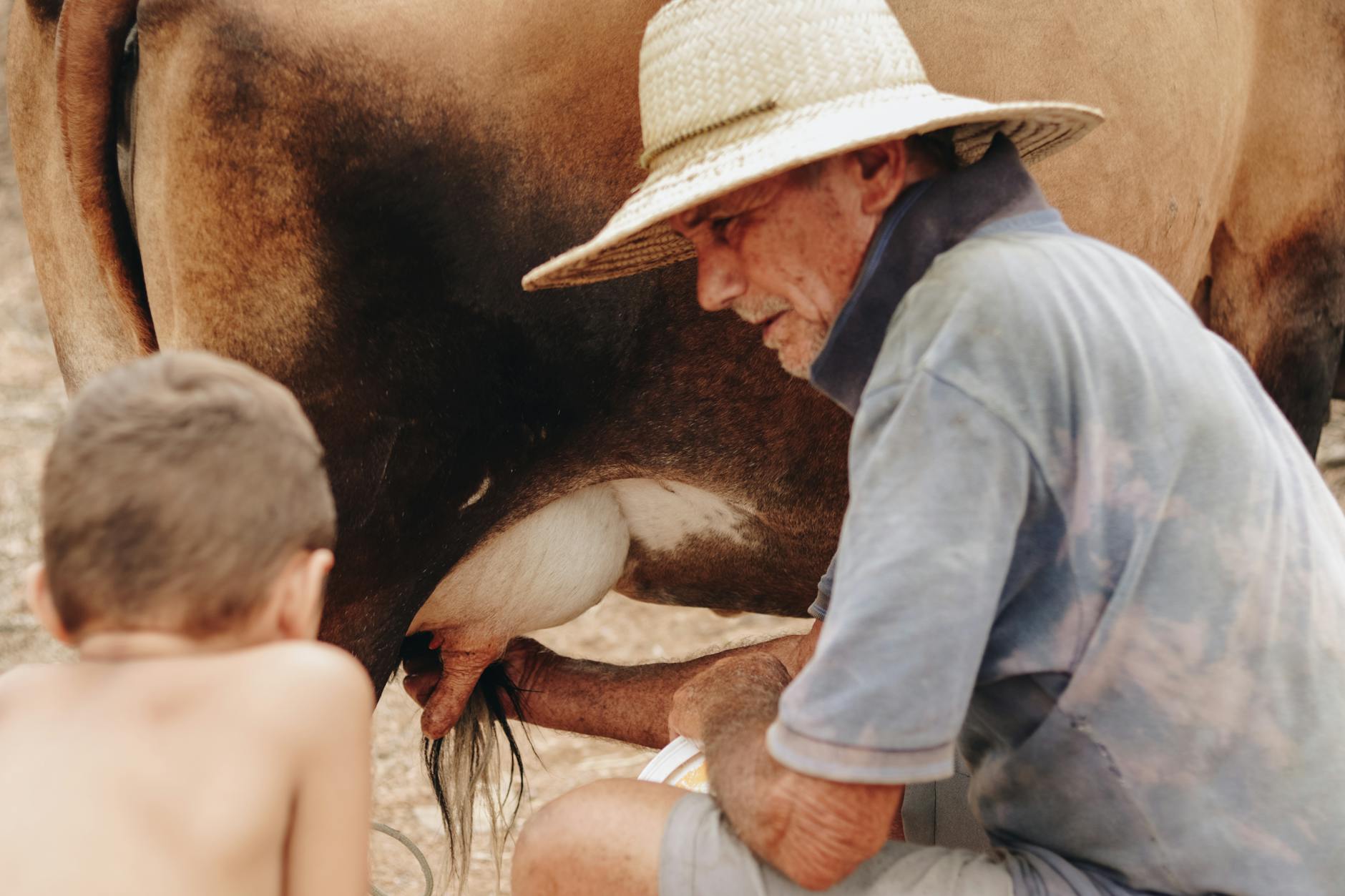
Heat-stressed cows spend more time standing. Why? Because standing allows more surface area to release body heat. Unfortunately, this puts extra strain on hooves and joints. By managing barn temperatures, cows lie down more. And a lying cow is a rumen-working, milk-producing cow.
Want a trick? Monitor the “panting score.” If cows are breathing with their mouths open or you notice excessive drooling, it’s time to act. Production is already declining!
Feeding strategies matter, too. Feeding during the cooler parts of the day, adding rumen buffers, or tweaking rations to include more digestible ingredients can all help mitigate heat effects.
Climate Data: Your New Best Friend
Technology isn’t just for the big guys. Affordable climate sensors and smart barn systems can help track humidity, ammonia, airflow, and temperature in real-time. Some systems can even trigger fans or adjust curtains automatically. Imagine solving heat stress before it starts.
Got an old smartphone? Mount it in the barn with a weather-tracking app. Not perfect, but it beats flying blind. Make sure that you have any critical spare parts you might need for this operation, and you should be ready to go. All in all, this will significantly enhance your productivity.
Bottom Line: Comfortable Cows Are Productive Cows
It’s simple. Cows that aren’t using energy to stay cool use that energy to make milk. Climate management is one of the highest-return investments in dairy today. Not just in terms of liters but also animal health, reproduction, and longevity.
Don’t just react to the weather. Engineer your environment. Because the future of dairy productivity isn’t in more cows—it’s in happier, cooler cattle.
Subscribe
More tips for your dairy farm . . .
- 75+ Side Hustles for Farmers to Boost Income
- The Ultimate List of Homesteading Skills!
- The Complete Guide to Raising Pigs in your Backyard
- Choosing the Right Pig Breed for your Homestead
- The Benefits, Myths and Downside of Keeping Pigs
- Raising Pigs: Housing, Fencing and Supplies
- The Process and Timeline of Raising Meat Pigs
- The Glossary of Pig Farming Terminology
- The Art of Homesteading Relaxation: Why Rest is Your Greatest Tool
- The Bare Soil Dilemma
- Building a Climate Victory Garden to Regenerate Soil
- My Passion for Permaculture (and how to apply it to your homestead)!
- Planning a Survival Garden for Food and Medicine
- How to Teach Frontier Children Confidence
- Garden Design and Planning Tool
For more inspiration follow my Pinterest Board: Homesteading and Farming.

