
It’s normal to feel a bit uneasy when everything around you seems unpredictable. From the cost of living to job stability, the uncertainty can make anyone question how secure their finances really are. Building financial security doesn’t happen overnight. However, small, consistent steps can help you feel more in control of your future, no matter what’s happening around you.
Financial stability can come from managing what you have to protect your lifestyle and give you peace of mind. With thoughtful planning, smart decisions, and the right tools, you can create a financial foundation that supports you through both calm and challenging times.

1. Understand your Current Financial Situation
Before making any financial changes, it’s important to know exactly where you stand. That means reviewing your income, expenses, and any debts you might have. Creating a clear picture of your finances helps you identify areas where small adjustments can make a big difference.
If you haven’t tracked your spending recently, spend a few weeks tracking every dollar that flows in and out. Once you see where your money goes, you’ll likely find habits you can refine, such as small subscriptions, unused memberships, or unnecessary daily expenses that add up faster than expected.
Identify what’s working well. Maybe you already have some savings or a regular payment routine that helps keep your bills on track. Building on those strengths makes it easier to stay motivated and organized.

2. Build an Emergency Fund
An emergency fund acts as your safety net when life doesn’t go as planned. It can cover things like medical bills, car repairs, or temporary job loss without forcing you into debt. The goal isn’t to save everything at once, but to start small and build gradually.
Try setting aside a manageable amount from your salary, even if it’s small at first. Over time, those tiny amounts add up, giving you a cushion that brings peace of mind when unexpected expenses appear. Once your emergency fund is in place, keep it in a separate account that’s easy to access but not linked to your daily spending. That way, it’s there when you truly need it but out of sight to avoid temptation.

3. Review and Protect Your Income
Your income is the foundation of your financial security. Protecting it means making sure that you have safeguards in place if something unexpected happens, such as illness or redundancy. This is where it helps to review your protection options and compare insurance to find the most suitable coverage for your needs.
Different types of insurance like life policies, income protection, or critical illness cover can provide reassurance that your finances won’t collapse if your ability to earn changes. Taking the time to explore what’s available helps you make informed decisions about how to keep your household stable.
It’s also worth checking any benefits or protections that might already be available through your employer. Sometimes valuable coverage goes unnoticed simply because it hasn’t been reviewed in a while.
4. Manage Debt Wisely
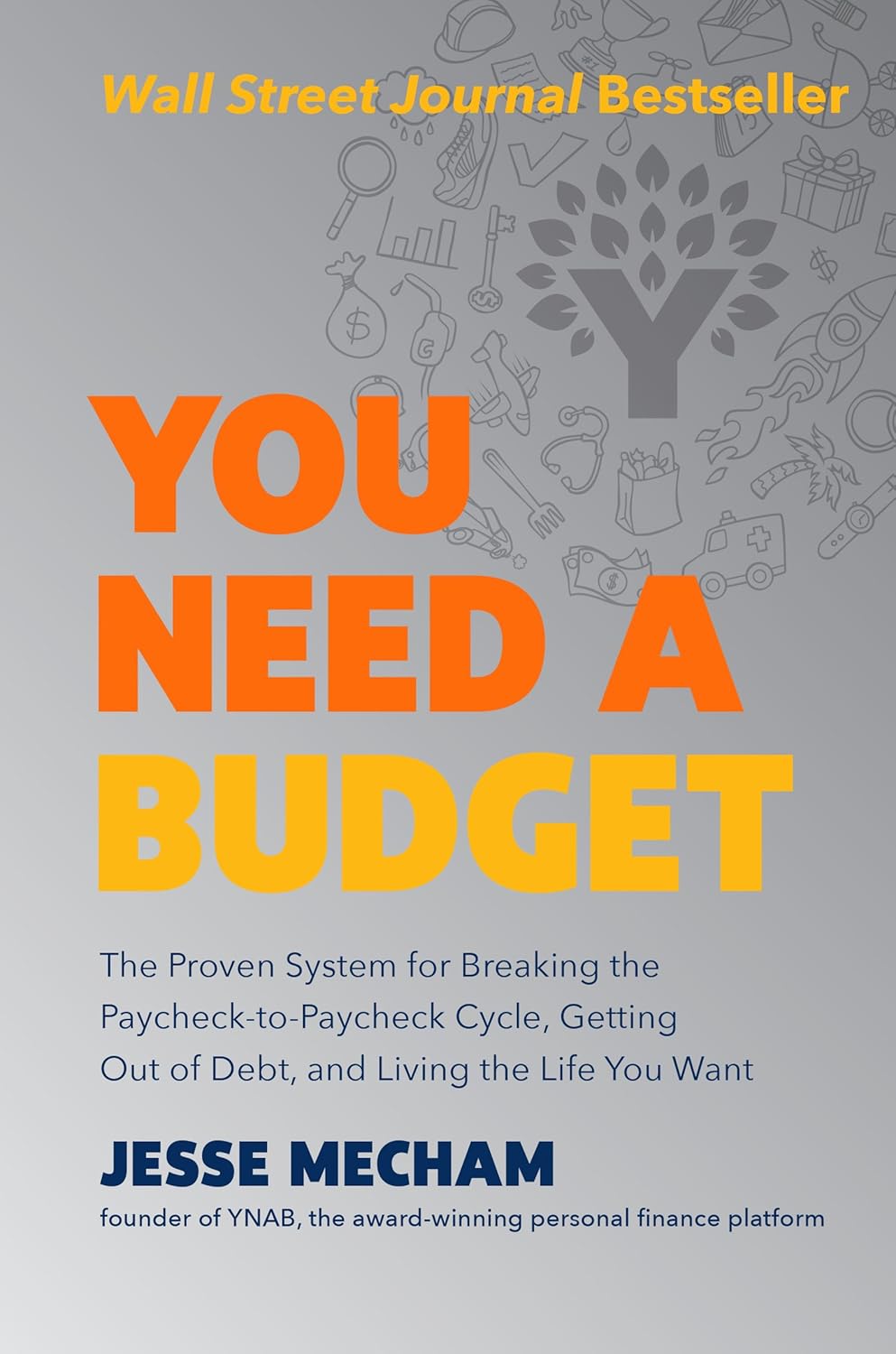
Debt can feel like a constant weight if it’s left unmanaged, but it doesn’t have to control your financial future. The first step is understanding which debts cost you the most in interest and focusing on those first. Paying down high-interest loans or credit cards frees up more of your income for saving and investing.
If you have multiple debts, consider consolidating them into one manageable payment or speaking to an advisor for guidance. There are practical strategies that can help reduce what you owe without making daily life unmanageable. As you make progress, celebrate each financial milestone. Every payment brings you closer to a more stable, flexible financial situation, giving you more room to plan for long-term goals.

5. Plan For Health and Wellbeing
Your health and your finances are more connected than you might realize. Unexpected medical costs or long recovery times can disrupt even the best financial plans. That’s why reviewing your coverage and considering health insurance can be an important part of your financial stability.
Having reliable coverage means you can access the care you need without worrying about large out-of-pocket expenses. It also gives you peace of mind knowing that your health and your income are both protected.
Your health supports your ability to work, plan, and stay focused on your goals. Making small lifestyle improvements like sleeping better, eating well, and managing stress can make a big difference both financially and personally.

6. Diversify Your Savings and Income
Relying on one source of income can make your finances more vulnerable. Finding small ways to diversify through savings, investments, or even side income helps reduce that risk. You don’t need to take big financial risks to benefit; slow, steady growth can be more reliable.
Savings accounts, retirement funds, and low-risk investments can all help your money work for you over time. If you’re new to investing, start by learning the basics and exploring options that fit your comfort level. Even small efforts, like selling unused items, picking up freelance work, or turning a hobby into extra income, can make your financial position stronger and more flexible.
7. Keep Learning and Adjusting
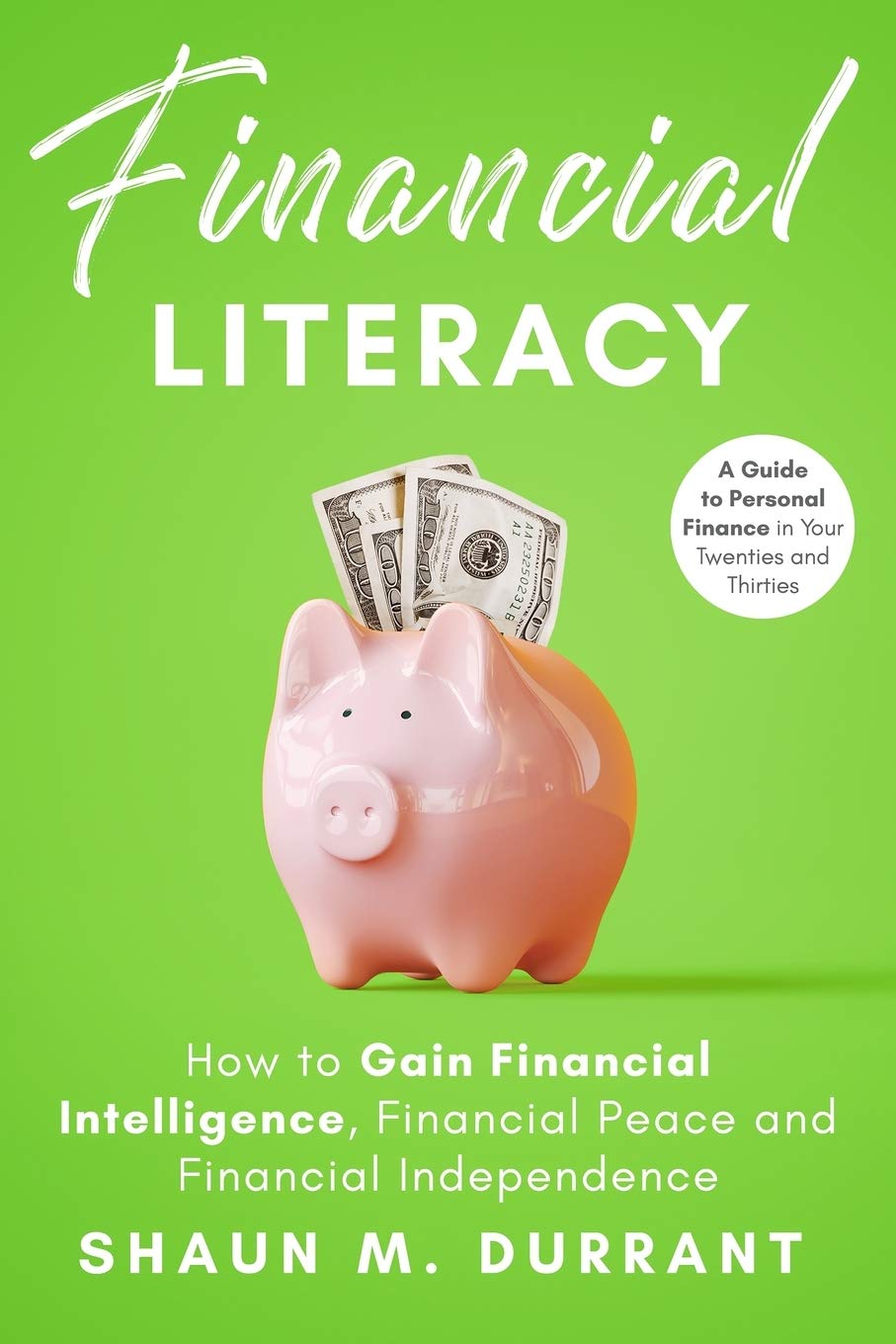
Financial stability is an ongoing process, and it changes as your life does. The habits that work for you now might need adjusting in a few years, depending on your goals, income, or circumstances. Regularly checking in on your finances helps you stay in control.
Set aside time every few months to review your budget, insurance, and savings. It doesn’t take long but keeps you aware of where things stand. This regular check-in helps you spot potential issues before they become bigger problems.
You’ll also find it easier to adapt to change. When you’re already familiar with your financial situation, you can make quick, confident decisions even when things around you feel uncertain.
Final Thoughts to Build Financial Security
Financial security comes from consistent habits that protect and grow what you already have. By reviewing your finances, planning ahead, and taking care of your health and income, you can create a sense of stability that supports every part of your life, even when times feel uncertain.
Subscribe
More Tips to Build Financial Security . . .
- What To Do When Inheriting A Large Sum Of Money
- Unique Money Moves: Beginner-Friendly Investment Strategies That Work
- How to Protect Your Money: 4 Habits for Long-Term Wealth
- NFTs in Three Easy Steps: A Quick Beginner’s Guide
- The Ultimate Guide to Financial Independence
- How To Make Financial Milestones More Attainable
- What Would You Do With $100,000? Tips From a Pro Investor
- 5 Ways to Save Money and Achieve Financial Freedom
- Master Your Money: How Budgeting Can Transform Your Life
- 75+ Side Hustles for Farmers to Boost Income
- 5 Money Saving Tips to Protect Household Finances
- 15 “Attainable” Ways to Reduce Waste and Save Money Now!
- 22 Eco Friendly Products to Replace Disposables and Save you Thousands a Year!
- Shaving Dollars From Your Grocery Bills: Shopping Tips to Save Money
- 5 Money Saving Tips to Protect Household Finances
- Smart Spending: How To Cut Costs Without Sacrificing Quality
- Quick Startup Guide to Selling Products Online
- 3 Essential Tips to Run a Successful Business & Make a Profit
- Overwhelmed By Debt? Here’s How to Get Through It
- 7 Foolproof Strategies to Tackle Your Financial Stress
- Smart Money Moves Every Remote Worker Should Know
Share this Post on Social Media!
For more inspiration follow my Pinterest Board: Finance and Investment.
