
Deciding which perks to offer employees can feel like planning a family vacation for four different age groups. And it has nothing to do with office design (no matter what the articles online tell you). Gen Z looks for freedom and good vibes, Millennials desire purpose and plants, Gen X just wants you to stop changing the software, and Boomers wonder, “Why does everything need a login now?”
And yet, you have to find a way to make it all work under the same roof. Thankfully, you don’t need to reinvent the office or install a kombucha tap (unless you’re really into that). The key is choosing perks that don’t scream “we tried too hard.” Seriously, people don’t like that, and no, ping pong tables and slides in the lobby aren’t going to cut it.
Perks That Work Across Generations
Instead of trying to please everyone with flashy, one-size-fits-all perks, focus on offerings that meet core needs and reflect real respect for employees’ time, well-being, and brain space. These ideas are practical, meaningful, and don’t require a nap pod budget.

Gen Z is Here for Flexibility
The youngest folks in the office are sharp, fast, and allergic to anything that feels fake or forced. What about mandatory fun? Well, that’s a hard pass. They want flexibility, meaning, and a workplace that respects their time and brainpower. If it looks cute for Instagram and doesn’t make them burn out in six months, even better.
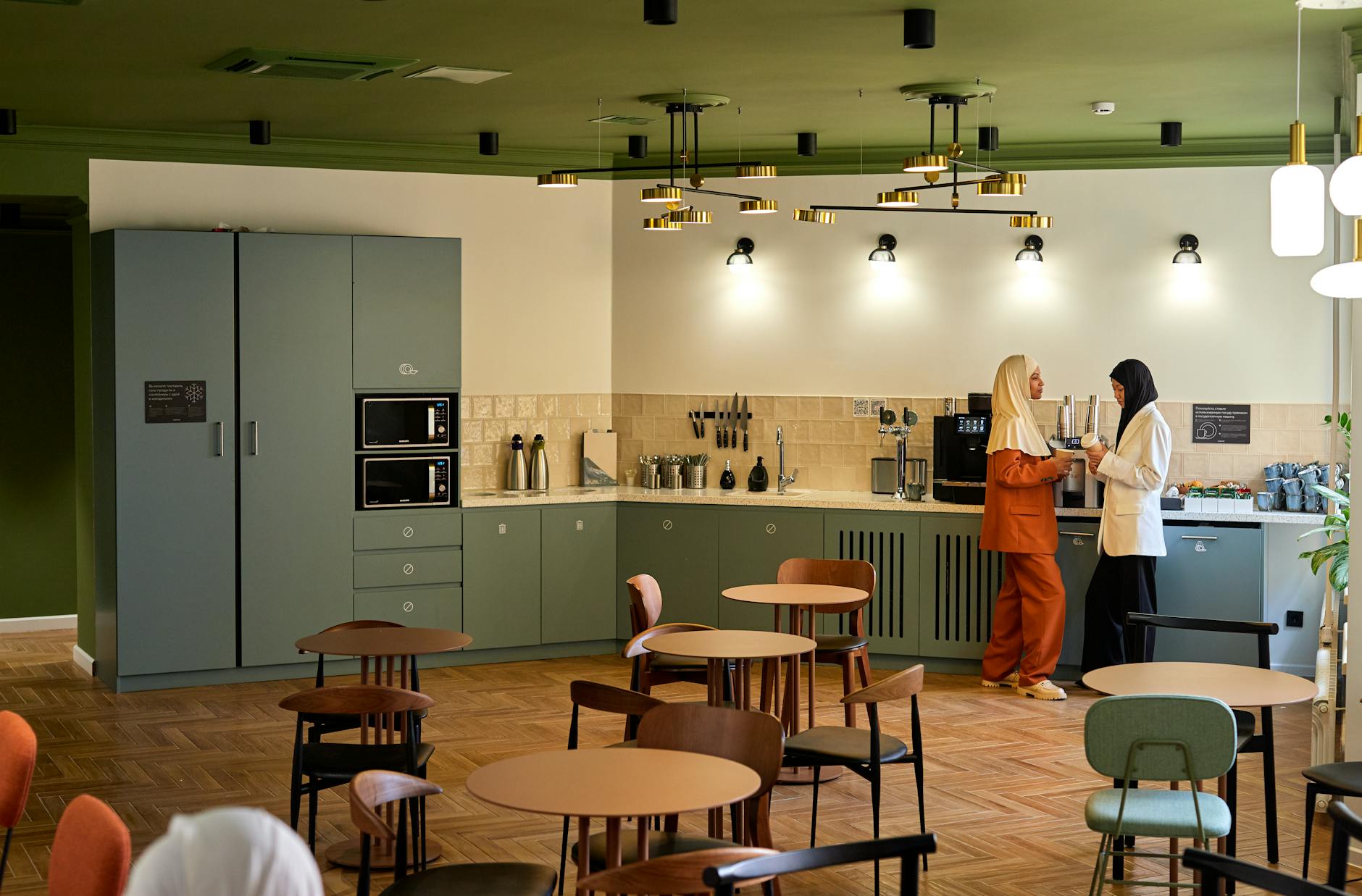
Add an office pantry service, so that better food (which is a small perk) is provided in the break room. Food is fuel, and something that everyone (meaning every generation) wants. It’s nice not having to pack a lunch every day.
Flexibility for All
Everyone loves freedom, but each generation defines it a little differently. Make flexibility a standard, not a reward.
- Hybrid or remote work options
- Results-focused culture over clock-watching
- Flexible hours for caregiving, school runs, or energy cycles
- Personal choice over desk setups or quiet workspaces
Food Is Universal
Forget lavish catered lunches—just make food simple and accessible.
- Stocked breakroom or pantry with healthy snacks
- Good coffee and filtered water (not a weird water cooler from 1996)
- Occasional surprise lunches or breakfast drop-ins
Millennials are Done with Hustle Culture
This goes for older Millennials, and the ones that are Zillennials too (younger millennials and older Gen Z,). Millennials have been through it. They survived economic meltdowns (COVID and the 2008 recession), unpaid internships, and years of being told that “exposure” was a fair trade for their work. At this point, they just want to work somewhere that respects boundaries, sends fewer emails after 5 p.m., and doesn’t call group outings “mandatory.”
Many business owners nowadays are millennials too, so they should already know and understand this entirely! Generally speaking, this generation loves balance, meaningful connection, and knowing their job won’t eat their soul. Give them a workspace that feels calm and kind, and they’ll stay loyal. Decent coffee and a stocked fridge? Huge win.
Boundaries, Not Burnout
Millennials aren’t lazy—they’re just done being overworked and underappreciated. They value environments that honor balance over burnout.
- Clear expectations and reasonable workloads
- No after-hours Slack chaos
- Paid volunteer days or cause-driven initiatives
- Subscriptions to mindfulness apps or gym reimbursements
- Cozy, curated spaces (plants and good lighting go a long way)
Mental Health Support
Wellbeing isn’t a trend—it’s a necessity. Offer support that shows you value the whole person.
- Access to counseling or therapy stipends
- Mental health days (and no guilt about using them)
- Quiet spaces or recharge rooms
- Realistic workloads and clear communication

Gen X Doesn’t Want the Drama
Gen X is the middle child of the office, quietly handling their business while side-eyeing everything that smells like a trend. They’re not here for your TikTok team-building challenge.
They just want the printer to work, the meeting to start on time, and a breakroom that doesn’t smell awful. There are a lot of similarities between Gen X and Gen Z when it comes to wanting a peaceful work environment.
Simplicity and Sanity
Gen X doesn’t want hand-holding or chaos—they want consistency and competence.
- Time-saving tools that actually work
- Fewer meetings, more autonomy
- Strong healthcare benefits (and not having to fight HR to use them)
- Respect for experience without making them team leads “just because”
- The ability to opt out of the office group chat without guilt
Professional Growth That Doesn’t Feel Stuck
No one wants another “development workshop” that feels like a timeshare pitch.
- Education stipends, course reimbursements, or conference passes
- Access to online platforms like MasterClass or Coursera
- Mentorship opportunities (especially cross-generational)
Boomers Like Things that Work
Boomers aren’t asking for much (or maybe they are). But really, they just want stability, some face-to-face interaction, and maybe a comfortable chair that doesn’t squeak. They’ve been around long enough to spot fluff, so don’t bother with things that feel like a distraction. Sure, they may hate the fact that everything needs an app now, but they can deal with and respect the necessary tech education.
Comfort and Clarity
Boomers bring wisdom and loyalty—but they appreciate perks that respect their experience and help them adapt, not just “keep up.”
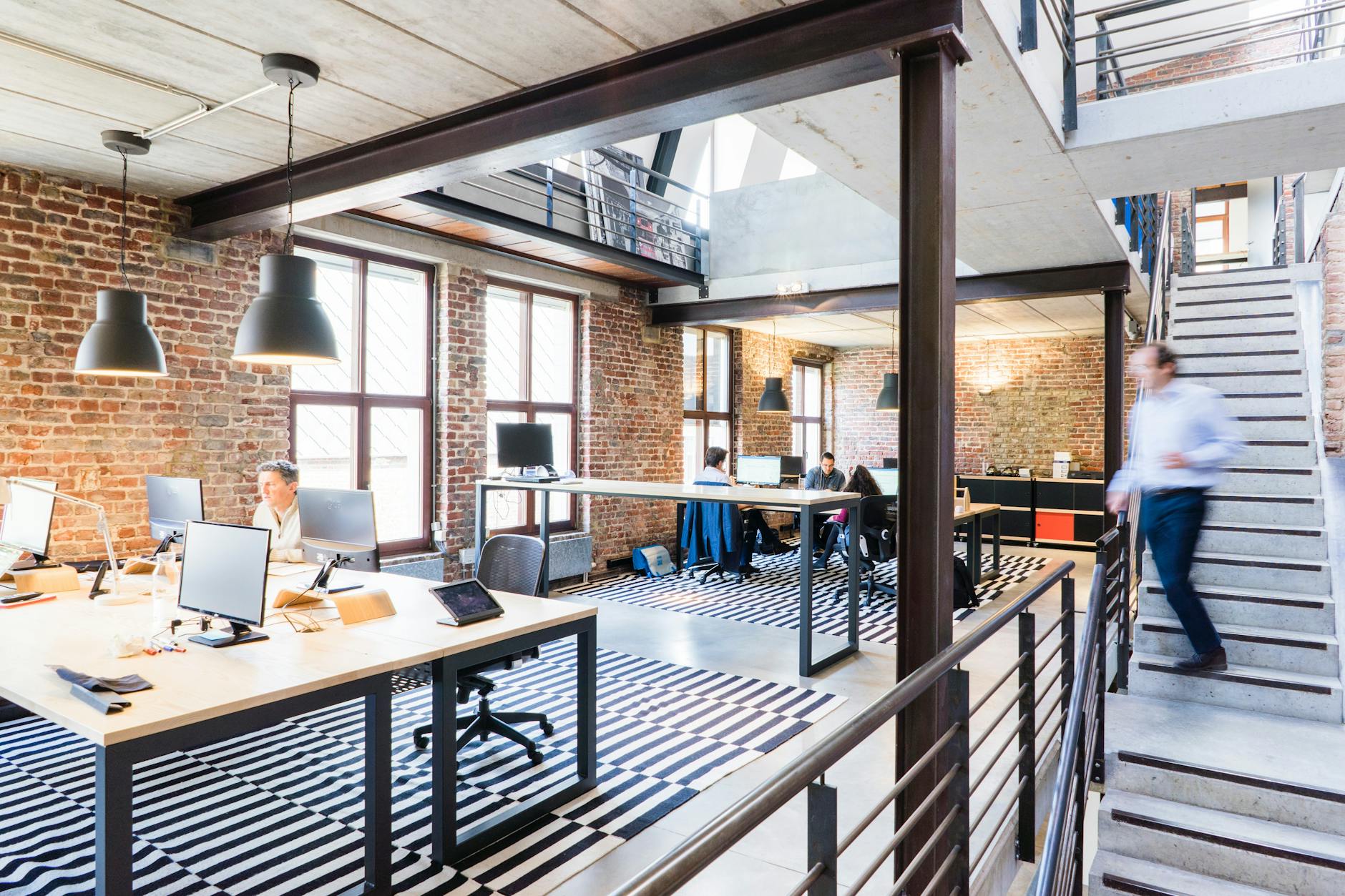
- Ergonomic chairs and workstations
- Tech training that doesn’t feel like a TED Talk
- Face-to-face communication options
- Retirement planning tools and financial wellness support
- Respect for tenure and contributions—not being pushed aside for “fresh ideas only”
Tech That Works—and People to Help
Everyone wants their tools to work. Full stop.
- Reliable tech support without long wait times
- Clear documentation for software and systems
- Optional (but appreciated) training for updates and rollouts

Final Thoughts: It’s Not About the Perks—It’s About the People
At the end of the day, a truly rewarding workplace isn’t built on beanbags and buzzwords. It’s built on trust, respect, and an environment where people can actually thrive—regardless of whether they’re sending their first Slack or still prefer email.
Get the basics right, offer real support, and skip the gimmicks. Because when your perks reflect real understanding instead of trend-chasing, every generation wins.
Want to build a workplace culture that actually works? Start by asking your team what they actually want. The answers might surprise you—and save you a lot of money on kombucha kegs.
Be sure to subscribe to the blog and follow for expert insights, real-world case studies, and tools that help exceptional entrepreneurs grow with clarity and confidence.

Subscribe
More ideas for business owners . . .
- How to Invest in Your Business for Long-Term Success
- Signs You’re Ready To Expand Your Business
- 6 Ways Preventative Maintenance Saves Your Business Money
- 4 Top Traits Of Exceptional Business Leaders
- When To Update Your Business Office Design
- Business Technology to Propel your Company Forward
- Collaboration: The Secret to Saving Money Without Sacrificing Quality
- 7 Crucial Features You Need For A User-Friendly Business Website
- How to Do Influencer Marketing Like a Pro: Crush the Game and Build Your Brand
- How To Build Your Trade Firm’s Online Presence
- How to Choose the Perfect Store Location for Your Retail Business
- 5 Common Legal Issues Small Business Owners Face
- 3 Reasons to Start a Coffee Cart Business
- Why Fuel Costs Are The Most Important Expense For Your Fleet Business
- Upgrade Your Zoom Meetings with an Eye-Catching Virtual Background
- Business Ownership: Tips for Starting a Construction Company
- 75+ Side Hustles for Farmers to Boost Income
- Should You Invest in a Commercial Property or Rent?
- 4 Ways to Make Your Business More Accessible
- Six Simple Steps To Stress-Free Real Estate Investing
- How to Handle a Landlord Dispute with Your Tenant
- The Ultimate Guide to Financial Independence
Share this Post on Social Media!
For more inspiration follow my Pinterest Board: Finance and Investment.
