
No matter what size garden you have, the fact is, eating every single thing you harvest fresh is just not possible. After all that work planning, planting, tending, and harvesting, the last thing you want is for your bounty to go to waste. Learn these eight ways to preserve your harvest and get the most out of your garden.
After mastering the art of food preservation, you will never need to toss out spoiled food again. The key in any of these preservation methods is to process your fruit and vegetables at the peak of freshness. Food that is blemished or has already begun to spoil is much more likely to grow bacteria during storage.
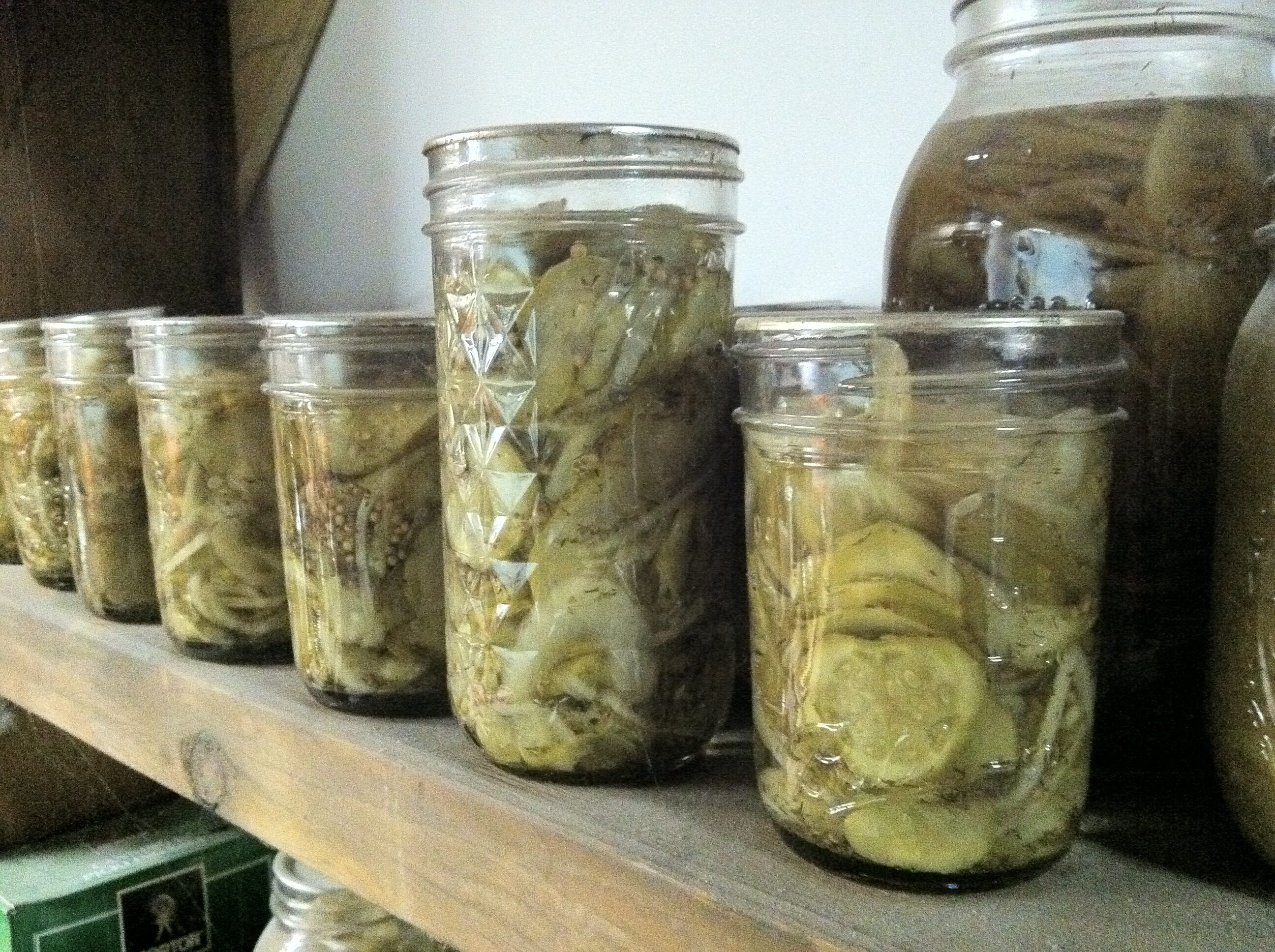
1. Water-bath Canning
A hot water bath canner is used for high acidity foods such as fruit, tomatoes, jam/jelly, pie filling and pickles. It sounds intimidating, but it’s just as easy as boiling water (seriously that’s it)!
Always follow a recipe that has been tested and proven safe – I recommend the “Ball Complete Book of Home Preserving
Save money and cabinet space by purchasing a canner that does double duty for both water bath and pressure canning. This is the one I use
When foods are on the borderline of being to alkaline, acid can be added in the form of lemon juice or vinegar to ensure food safety. Many high acid foods such as pickles or jam have some processing that needs to be done before they are canned. Many canning recipes will call for pickling salt

When the food is ready and packed into canning jars with metal lids and rings, the jars are placed in the canner and completely covered with water. Then the jars are boiled for an amount of time specified in your recipe.
Subscribe
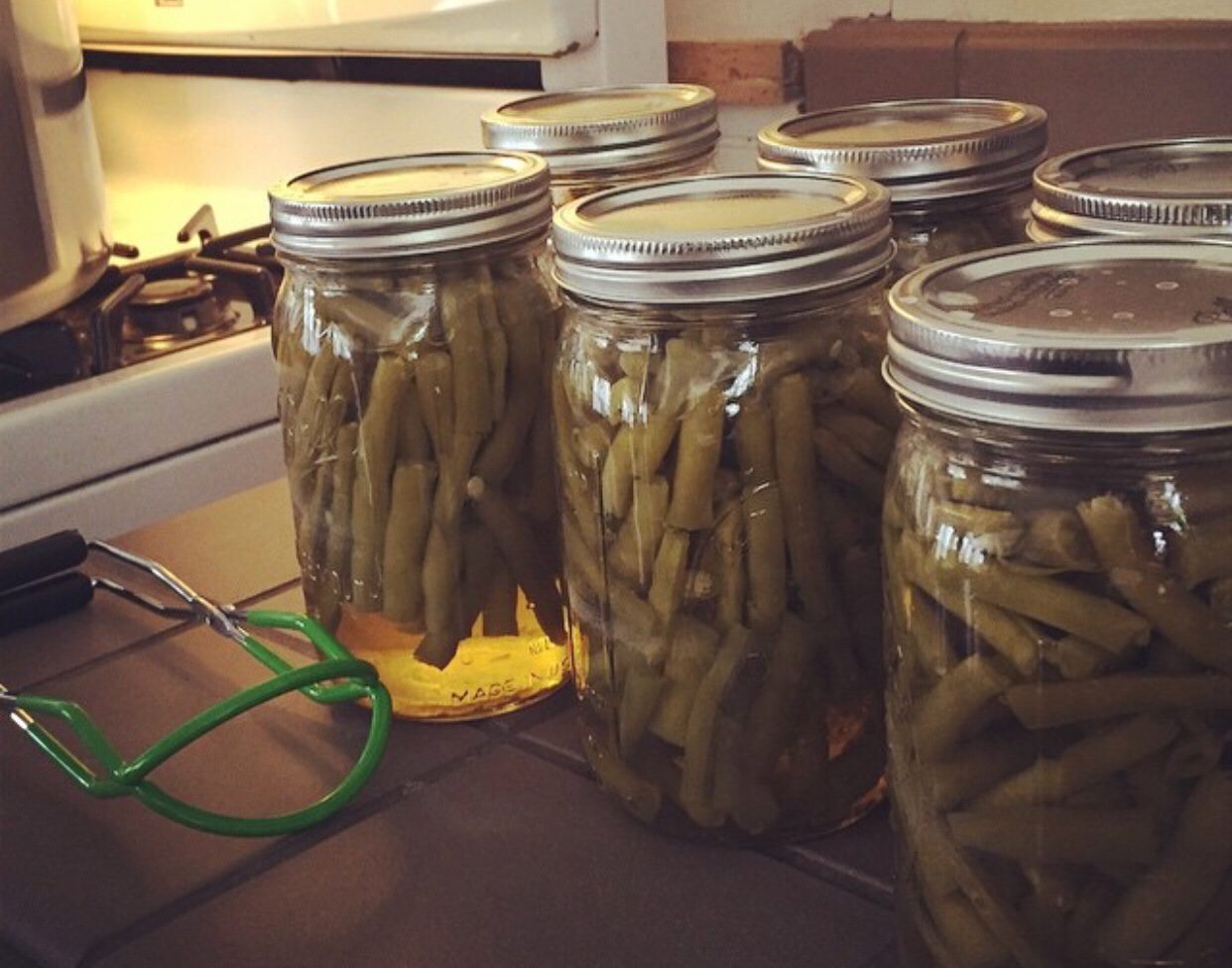
2. Pressure Canning
Pressure Canning is the only safe option for canning low acidity foods such as vegetables, broth and meat.
Food is packed into mason jars with metal lids and rings, then placed in the pressure canner with enough water to cover the jars about halfway. Pressure canners
Tomatoes are high acidity foods that can also be pressure canned safely. This can cut down on canning time from a hot water bath method. I often do this for my diced tomatoes because processing time in a hot water bath canner can be up to 80 minutes, where pressure canning can take that down to 40 minutes or less. Not only does it save time, but the tomatoes don’t get boiled to mush!
3. Drying
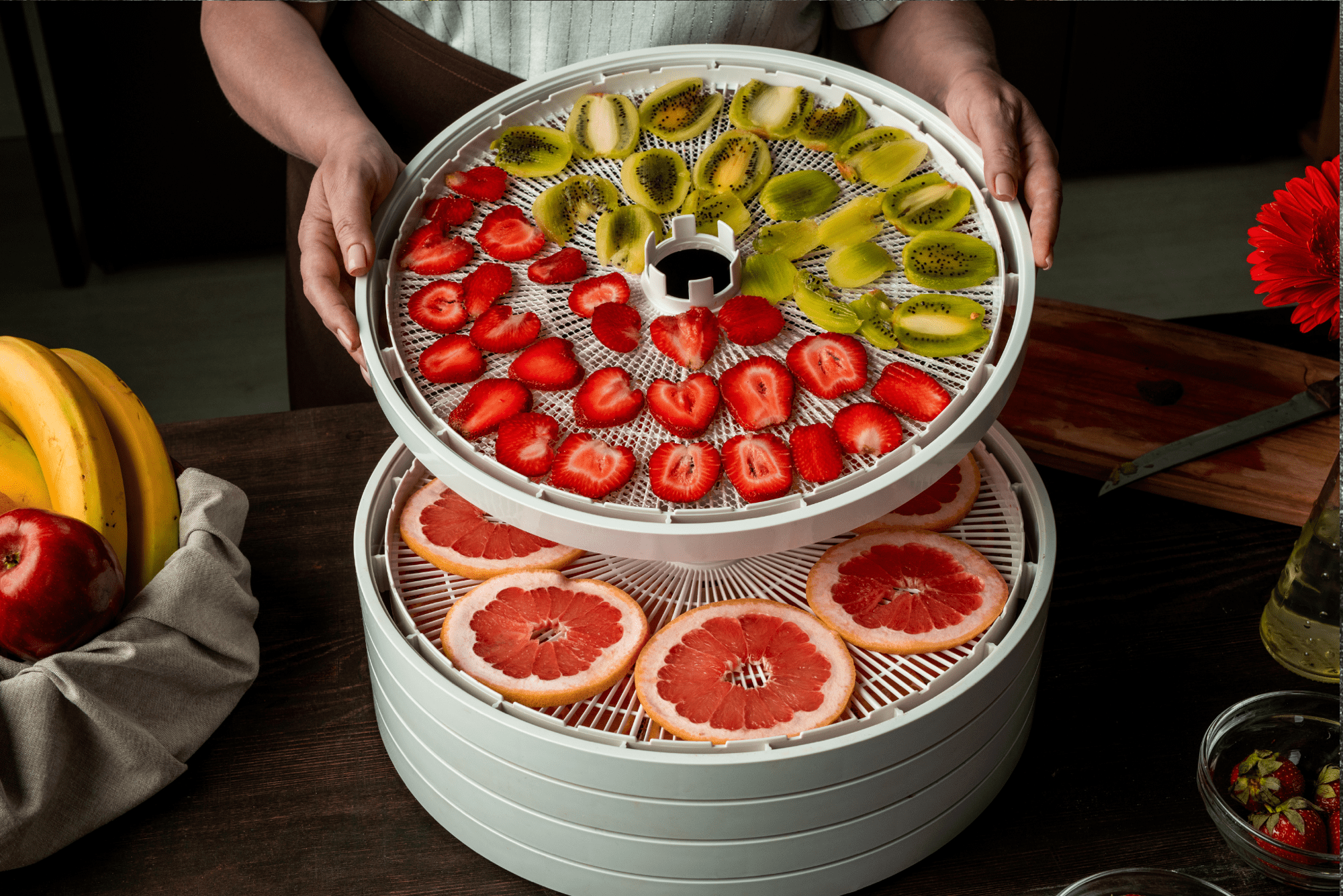
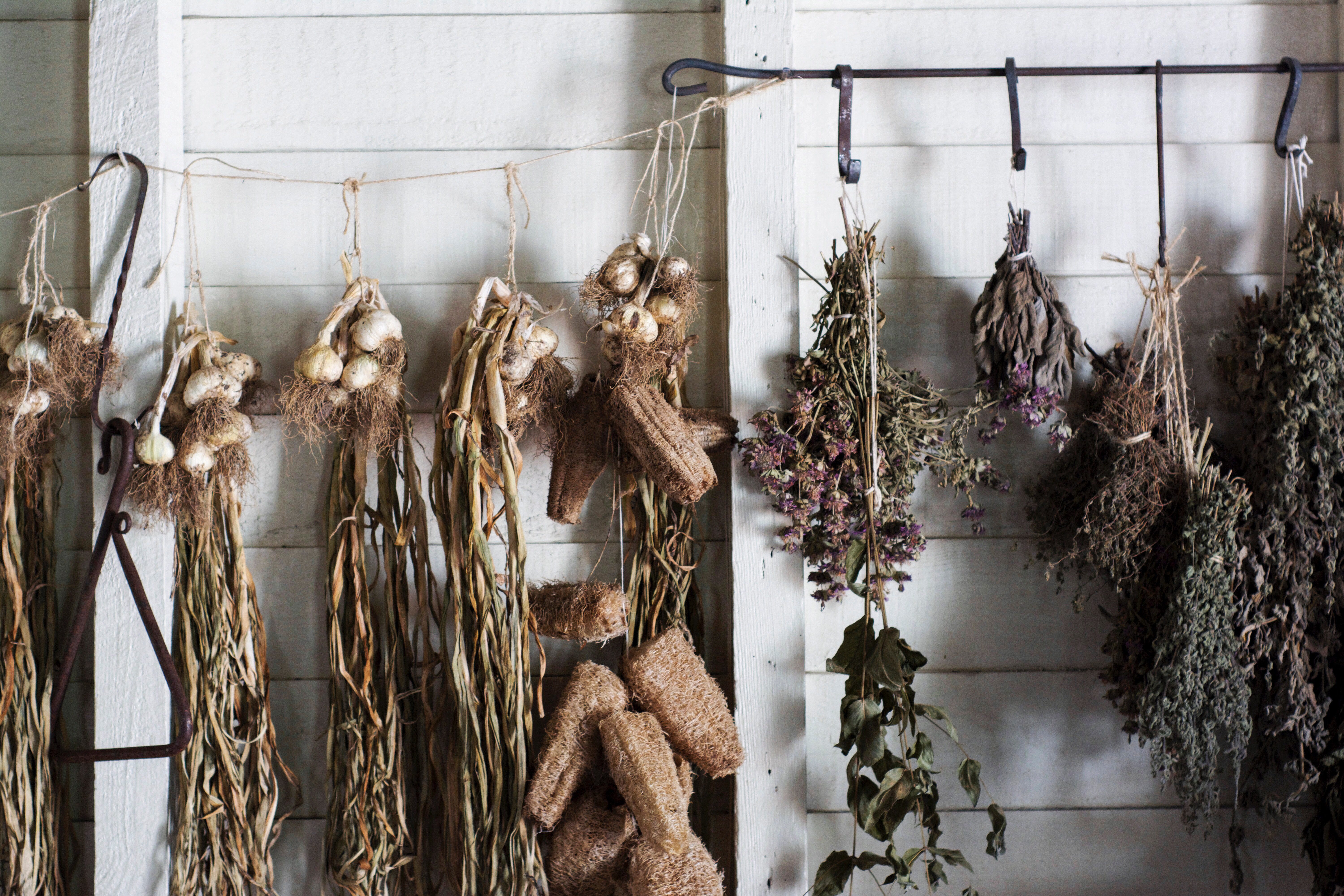
Drying or dehydrating foods removes water, therefore inhibiting the growth of bacteria. This keeps the dried food from spoiling for 5-10 years or more if properly stored in the absence of oxygen. Drying is not just limited to fruit and vegetables, but has long been a method of choice for preserving meats. Beef jerky anyone?
There are many methods of drying foods at home, the quickest is using a dehydrator

Other methods of drying food include: air drying, sun drying, oven drying, smoking, salting and freeze drying. I generally air dry all my herbs, unless I’m in a pinch for time. I have a great article on growing and drying herbs here.
Freeze drying is popular in commercially sold products as it gives much more consistent results while preserving more nutrients in the food when compared to dehydration. Freeze dried food is a great choice for a survival stockpile as well as stocking your pantry.
I love Harmony House Foods! They have a great selection of premixed dry soup blends as well as individual ingredients to create your own recipes. Freeze dried soup blends make for a quick and inexpensive meal made with natural ingredients and no preservatives. They also make great gifts!
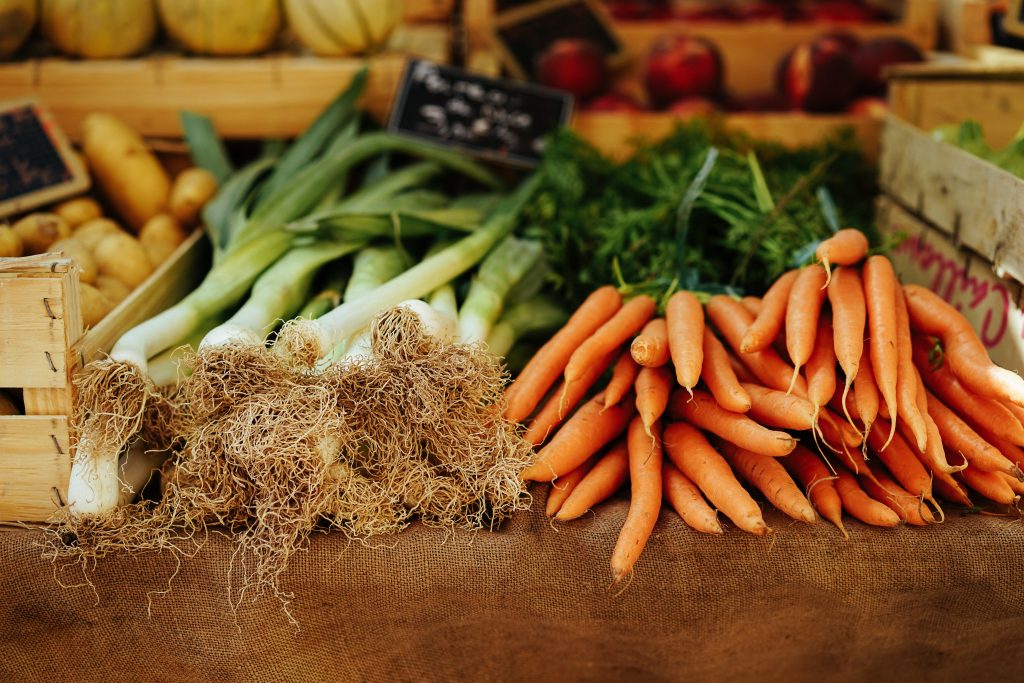
4. Root Cellar/Cold Storage
Many vegetables and fruits don’t need much special treatment to keep for long periods of time. Produce like apples, dry beans, root vegetables, winter squash and cabbage family veggies can keep for months if properly stored.
Factors that effect long term storage of these crops are light, ventilation, humidity and temperature. All produce stores best in dark conditions with good air circulation. However, the humidity and temperature needs vary from one crop to the next so always research the proper conditions for each type of food before storage.
Carrots and other root vegetables, for example, like it cold and moist. They can even be stored in crates filled with sand or sawdust to insulate them and help regulate humidity. Blemished fruit or veggies should not be stored long term and anything that develops signs of rot or disease should be removed immediately to keep it from spreading to neighboring produce.
Some vegetables are sensitive to ethylene gas produced by many fruits. These should not be stored in the same area as one another to prolong shelf life. The same goes for storing fruit and vegetables in the refrigerator. Check out the book “Root Cellaring: Natural Cold Storage of Fruits & Vegetables

Garden Design and Planning Tool
The secret to an organized, functional garden is all in the planning! Use this garden planner to design and track the vegetable garden of your dreams.Instant download: Microsoft Excel and printable PDF files.
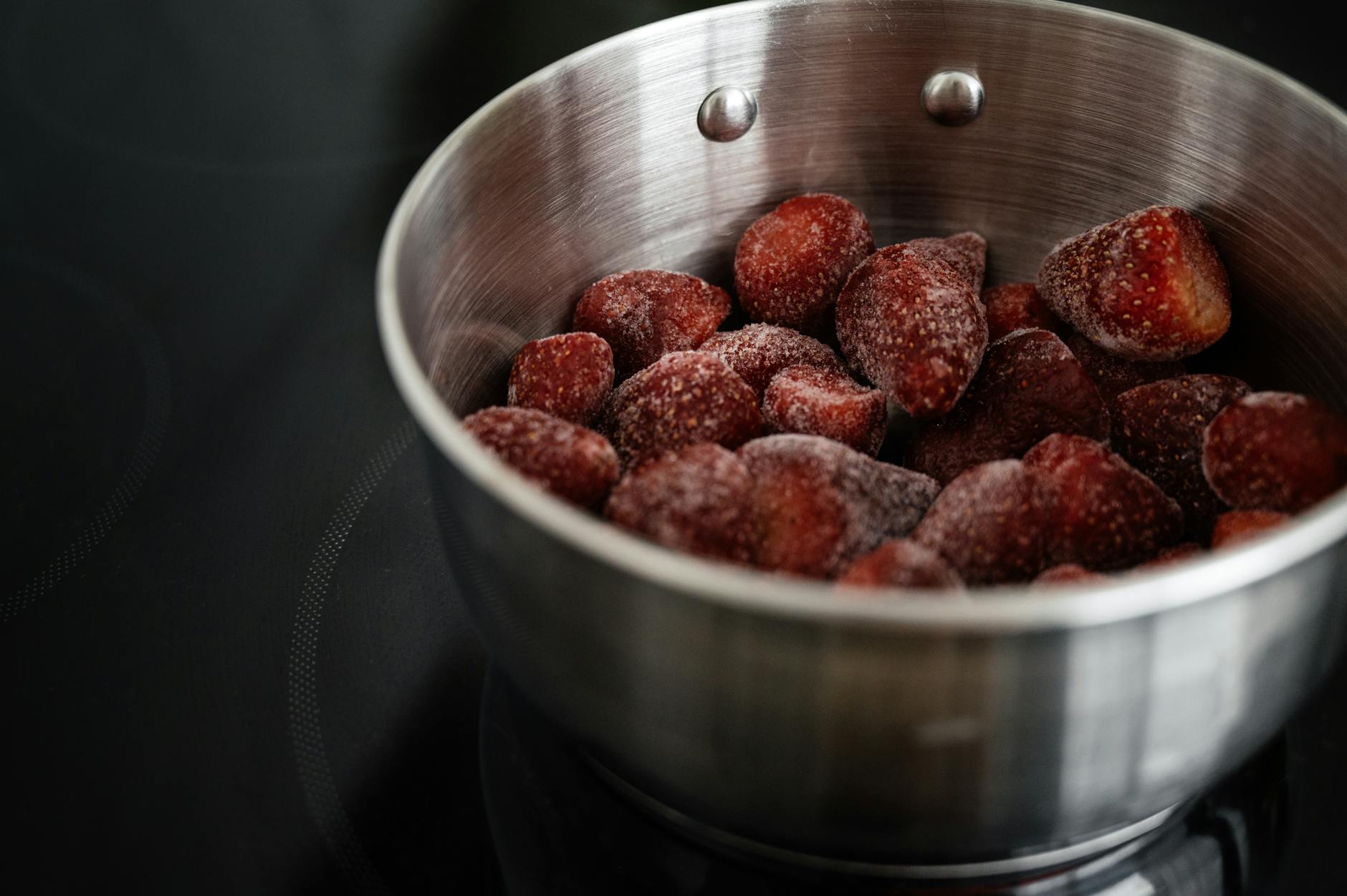
5. Freezing
Some veggies require blanching before they can be stored in the freezer. This process typically involves boiling or steaming the produce for a short amount of time and immediately placing it in ice water or flash freezing to stop the cooking process.
When you freeze your produce, make sure it is prepped first. Shred, chop, peel or otherwise prepare your produce so it’s ready to be thawed and used. You can use a vacuum sealer
Here are some ideas to get you started:
- Hash browns, potatoes O’Brian, french fries, tater tots
- Shredded zucchini (for making bread, tots, cheesy zucchini rice)
- Chopped or whole: Spinach, Broccoli, Peas, Brussels sprouts, Green beans, Asparagus, Butternut squash, Sweet potatoes, Cauliflower, Kale, Okra, etc
- Corn (either kernels or on the cob)
- Riced or spiralized veggies
- Veggie blends for soup, stir fry, etc
- Frozen berries, bananas and other fruit for smoothies

6. Baking and Recipes
Zucchini bread is one of my family’s favorite treats. In July, I bake around 40 loaves and store them in the freezer for a years worth of sweet bread! Baking banana bread is a great way to save overripe bananas from the waste bin as well!
Turn your vegetables into prepared foods to preserve them and save you time in the future. I love eggplant parmesan, which is time consuming to make. So when I grow eggplant in my garden, I harvest it and make huge batches of fully cooked eggplant parmesan. I then flash freeze it (so it doesn’t get stuck together) and vacuum seal meal sized portions. All I have to do for dinner is grab a package out of the freezer, heat it up, and serve.
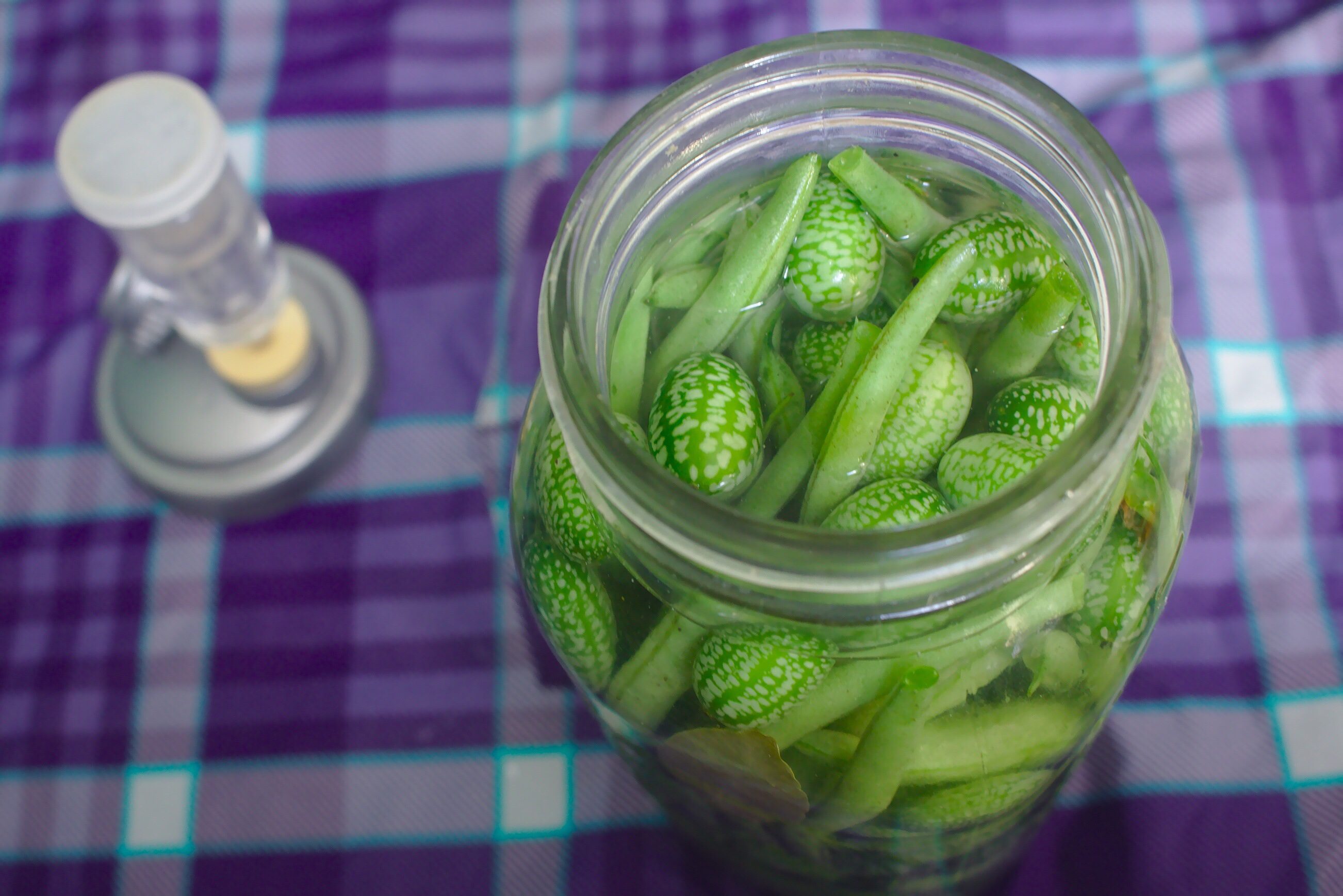
7. Fermentation
This form of food preservation has been around since ancient times! We eat fermented foods everyday and many are considered very healthy for our digestive systems. Fermentation is basically just a reaction between sugar and yeast to form alcohol – it’s that simple! Some common fermented foods include: wine, beer, cider, vinegar, yogurt, olives, sauerkraut and kombucha.
I’m not a huge fan of sourkraut, but there are so many more options out there! You can not only ferment fruits and vegetables, but also dairy, grains, meat, honey and beans.
We have 4 apple trees and one family can only make so many apple pies! I do however, use tons of apple cider vinegar around the house, especially during canning season. So, I learned how to take whole apples or apple cores/peels and ferment them to make jugs of apple cider vinegar.
How to do it? – When you’re first learning, it’s important to follow a proven recipe. You will need a container for the fermentation process to take place in. Depending on the size of your batch, you can use anything from a mason jar with fermenting lid

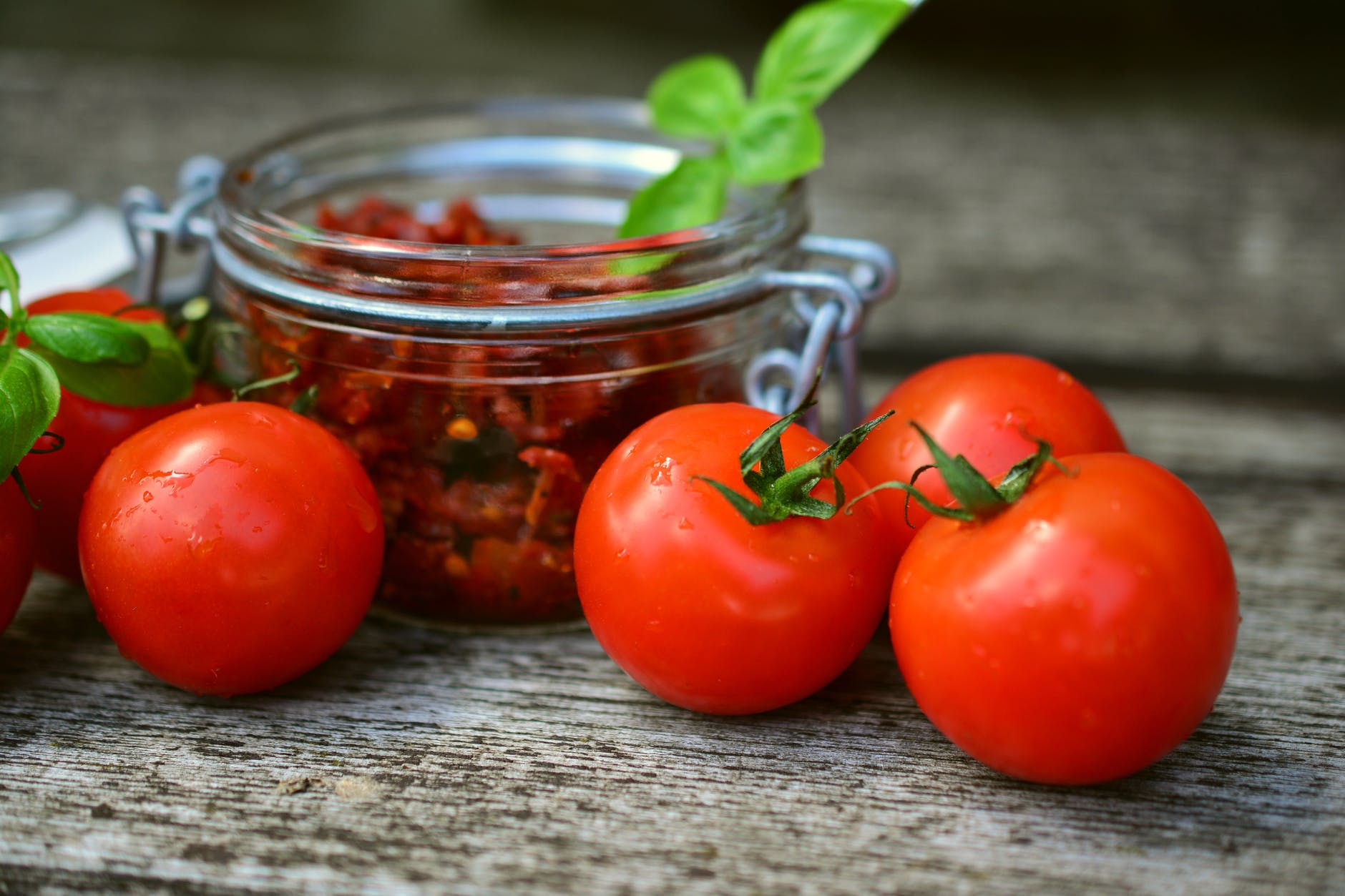
8. Packed in Oil
Oil is a natural preservative, so infusing it with herbs and veggies can make them last for months. Just as with canning, be sure to follow a reliable recipe and take care to sterilize all tools and jars to prevent contracting a food-bourne illness. The amount of time oil packed foods can be safely stored for varies greatly depending on what ingredients are used. Glass jars with hinged lids
Some of my favorite foods packed in oil are: basil pesto, roasted red pepper or eggplant, sun-dried tomatoes, minced garlic, and herb infused oils! Some oils that have been infused with herbs can even be applied topically for healing or beauty products. Oil-preserved ingredients are also popular in the commercial restaurant trade, although grease trap cleaning may be required to ensure safe ventilation when cooking oily foods.
I would love to hear your favorite foods to preserve at home! Leave me a comment and let me know your great ideas!
Subscribe
Looking for more inspiration to grow food and preserve your harvest?
- Raised Bed Vegetable Garden Plan
- Planning a Survival Garden for Food and Medicine
- Unlock the Secrets to a Perfect Garden Layout! (A Reference Tool for Gardeners)
- How to Make a Succession Garden Schedule
- The Comprehensive Guide to Raised Bed Gardening
- How to Grow Tomatoes
- How to Grow a Medicinal Tea Garden (Plus over 40 Plants!)
- Gardening 101: 9 Simple Steps to a Fantastic First Season!
Share your harvest preservation ideas in the comments below.
Share this Post on Social Media!
For more inspiration, follow my Pinterest Board: Food Preservation and From Scratch.

Hi nice reaading your post