
Running a business is full-on. There’s always something that needs fixing, checking or updating. But here’s the thing, waiting until something breaks down usually costs a lot more than staying on top of it in the first place. That’s where preventative maintenance saves your business money. It might not sound exciting, but it can save you a small fortune.
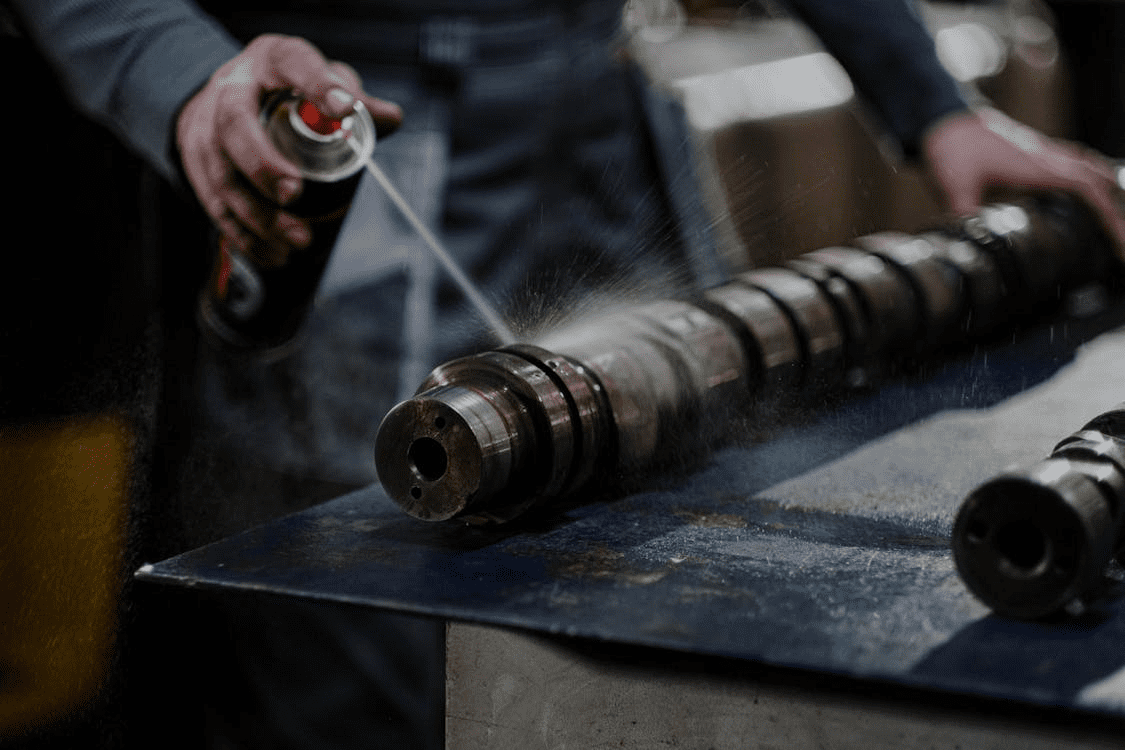
1. Avoid Major Repairs
Think of your business equipment like your car. If you ignore the oil light or skip servicing, sooner or later it’s going to break down. The same goes for things like heating systems, machines, tools, or even your laptop. A quick check-up now and then can catch small issues before they turn into big problems. And big problems? They usually come with big bills. A regular bit of TLC keeps your company running smoothly and keeps your bank balance happier.
Preventative Maintenance Helps You Avoid Major Repairs
Think of your business equipment like your car—ignore maintenance, and it’s only a matter of time before something breaks.
Stay ahead of costly breakdowns by:
- Scheduling seasonal inspections for HVAC, plumbing, and electrical systems
- Checking laptops, point-of-sale systems, and mobile devices monthly
- Setting reminders to clean and lubricate machinery according to manufacturer guidelines
Catching small issues early prevents big, expensive problems down the line.

2. Keep Things Running (And Making Money)
If a key piece of equipment breaks, you’re not just paying for repairs. You’re losing time, customers, and income. Every minute your business is down, it’s costing you. When you have a maintenance routine in place, you massively reduce the risk of unexpected shutdowns. This provides peace of mind that your tools, systems, or even your workspace are ready to go whenever you need them.
Preventative Maintenance Keeps Operations Running Smoothly
Downtime costs more than you think. Equipment failure means lost revenue and frustrated customers.
Minimize disruption with a proactive routine:
- Create a checklist for weekly and monthly upkeep on critical equipment
- Assign team members specific maintenance responsibilities
- Keep spare parts for frequently used machines to avoid long delays
With preventative maintenance, you’re not just saving money—you’re preserving customer trust.

3. Small Fixes Can Prevent Big Damage
There are parts and tools designed to stop serious damage before it starts. A good example is the kunkle valve. It’s a type of pressure relief valve that helps stop your equipment from overloading or blowing out. Having preventative measures like this in place means you’re not risking costly damage to machinery—or risking anyone’s safety either. It’s a small tool that makes a huge difference, and it’s a lot cheaper than replacing an entire system or paying out for injuries.
Small Fixes Can Prevent Major Equipment Damage
Tiny tools like a Kunkle valve play a huge role in protecting your systems from overload and damage.
Simple preventative tools make a big impact:
- Use pressure relief valves, filters, and surge protectors where applicable
- Monitor equipment usage to spot early signs of stress
- Replace worn-out safety components on a regular schedule
Preventative maintenance protects not just your assets, but your team’s safety, too.

4. Plan Your Budget Effectively
With regular maintenance, you’re not getting hit with surprise costs. You can spread out smaller expenses over time instead of scrambling to afford big emergency repairs. That means fewer financial shocks and more control over where your money goes, making business expenses more manageable.
Preventative Maintenance Helps You Budget Smarter
Unexpected repairs can wreck your monthly cash flow. Regular upkeep spreads costs more evenly.
Build a business-friendly maintenance budget:
- Plan quarterly maintenance expenses as part of your operating costs
- Track historical data to predict future repair trends
- Use a shared maintenance calendar to prevent missed upkeep tasks
Predictability equals peace of mind—and fewer costly surprises.

5. Extend the Life of Your Equipment
Buying new gear isn’t cheap, and let’s be honest, no business owner wants to spend more than they have to. With regular maintenance, your equipment will last a lot longer. Cleaning, tightening parts, or swapping out worn bits before they snap can help you get years more use out of what you’ve already paid for. That’s money you can spend elsewhere in the business.
Extend the Life of Your Business Equipment with Preventative Maintenance
Well-maintained equipment lasts years longer than neglected gear. That’s just smart business.
Extend the lifespan of your investment by:
- Cleaning and calibrating tools regularly
- Tightening loose hardware before parts wear down or fall off
- Keeping detailed records of service intervals and part replacements
Stretch every dollar by making your equipment work longer and harder—for less.

6. Easier Insurance Claims
If the worst happens and you do need to make a claim, insurers love seeing proof that you’ve looked after your equipment. If you have a paper trail showing you kept up with maintenance, they’re much more likely to pay out without hassle. No arguments, no delays, and no big surprises.
Insurance Claims Are Simpler with Preventative Maintenance Records
Insurance companies reward responsibility. Proof of maintenance can make or break a claim.
Strengthen your insurance coverage by:
- Logging all repairs and scheduled maintenance
- Keeping receipts and inspection reports in a shared digital folder
- Using cloud-based tools to store warranties and maintenance records
Good records = faster payouts and fewer headaches when something does go wrong.

Conclusion: Why Preventative Maintenance Is a Smart Business Strategy
Preventative maintenance isn’t just a chore—it’s a strategic, money-saving move that smart business owners prioritize. From avoiding costly breakdowns to improving budgeting and boosting the lifespan of your assets, the benefits are too big to ignore. It’s about working smarter, not harder—and building a business that’s prepared, not panicked.
Put preventative maintenance at the heart of your operations, and your business will be stronger, safer, and more profitable for it.
Be sure to subscribe to the blog and follow for expert insights, real-world case studies, and tools that help exceptional entrepreneurs grow with clarity and confidence.

Subscribe
More ideas to expand your business. . .
- How to Invest in Your Business for Long-Term Success
- Signs You’re Ready To Expand Your Business
- 4 Top Traits Of Exceptional Business Leaders
- When To Update Your Business Office Design
- Business Technology to Propel your Company Forward
- Collaboration: The Secret to Saving Money Without Sacrificing Quality
- 7 Crucial Features You Need For A User-Friendly Business Website
- How to Do Influencer Marketing Like a Pro: Crush the Game and Build Your Brand
- How To Build Your Trade Firm’s Online Presence
- How to Choose the Perfect Store Location for Your Retail Business
- 5 Common Legal Issues Small Business Owners Face
- 3 Reasons to Start a Coffee Cart Business
- Why Fuel Costs Are The Most Important Expense For Your Fleet Business
- Upgrade Your Zoom Meetings with an Eye-Catching Virtual Background
- Business Ownership: Tips for Starting a Construction Company
- 75+ Side Hustles for Farmers to Boost Income
- Should You Invest in a Commercial Property or Rent?
- 4 Ways to Make Your Business More Accessible
- Six Simple Steps To Stress-Free Real Estate Investing
- How to Handle a Landlord Dispute with Your Tenant
- The Ultimate Guide to Financial Independence
Share this Post on Social Media!
For more inspiration follow my Pinterest Board: Finance and Investment.
