
Managing short-term expenses can be a balancing act. Whether it is a car repair, a utility bill spike, or a medical co-pay, unexpected costs can hit hard. These urgent and time-sensitive needs often arise between paychecks or during financially tight periods. Planning for every scenario is impossible, but having a flexible toolkit helps ease the pressure.
The right solution depends on timing, urgency, and your current financial setup. Some options provide breathing room without interest, while others offer quick access to funds when urgency trumps savings.
Below are six practical strategies to help cover short-term costs without the risk of long-term regret.

1. Use an Emergency Fund if You Have One
Building an emergency fund can often smooth out the bumpiest of life’s journeys. It’s the first and safest place to turn when unplanned expenses arise. It provides a cushion that allows you to handle surprises without falling into debt. Whether it’s car trouble, dental work, or temporary job loss, tapping into this fund is often the smartest choice.
The advantage of using saved money is that it avoids fees, interest, and credit checks. It gives you the freedom to act quickly and make decisions without outside pressure. For many people, even a small reserve can prevent unnecessary borrowing.
Of course, using the emergency fund does reduce your safety net for future events. That’s why it’s important to rebuild it after each use. Consistently setting aside a portion of your income, even if it is modest, helps start building a fund or restores this important resource.
2. Leverage a Credit Card Thoughtfully
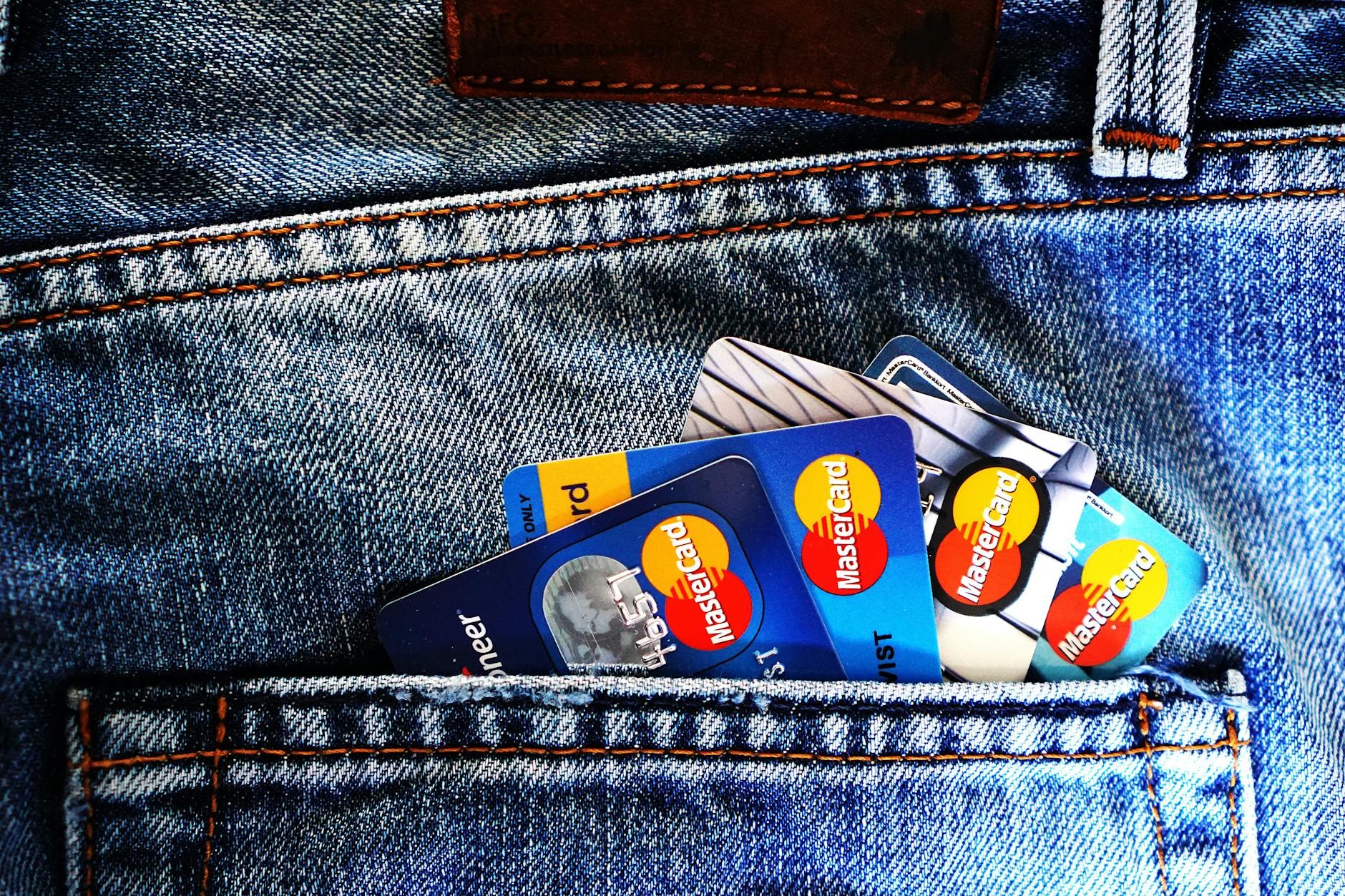
A credit card can serve as a practical solution if you can repay the negative balance quickly. Many cards offer a grace period, typically around 21 to 25 days, where no interest is charged as long as the full amount is paid off. Some credit cards offer 0% APR balance transfers can give you interest-free breathing room—often for 12 to 21 months—so you can pay down your balance faster and save money. This makes it a low-cost option when used responsibly.
The key is to avoid carrying the balance beyond the grace period. Once interest kicks in, it can accumulate quickly, especially at higher interest rates. For single purchases that fall within your budget, a credit card can provide immediate support without fees.
It‘s important not to rely on credit cards for recurring expenses or long-term issues. Doing so can lead to compounding debt that becomes difficult to manage. Use them as a bridge, not a foundation, and be mindful of your credit utilization.

3. Borrow from Someone You Trust
If your network includes someone willing and able to help, a loan from a friend or family member can be a fast, interest-free solution. These arrangements work best when there is mutual trust and clear communication about repayment expectations.
Before accepting any money, agree on the repayment timeline and document it if needed. This helps avoid misunderstandings and maintains the relationship’s integrity. Treat the loan with the same seriousness as one from a financial institution.
While this method avoids fees and delays, it can introduce emotional complexity. Missed payments or vague agreements can damage trust. Only pursue this option if both parties feel confident about the terms and the likelihood of full repayment.

4. Consider a Short-Term Personal Loan
A short-term personal loan offers access to funds with a clear repayment schedule. Reputable online lenders like CreditNinja cater to smaller loan amounts and process applications quickly. This makes them suitable for time-sensitive needs.
The main advantage is structure. Borrowers get a lump sum with fixed interest and defined repayment terms. For those who need more than a paycheck advance but want to avoid credit card interest, this type of loan can strike the right balance.
That said, it is essential to compare options carefully. Some loans come with high annual percentage rates, origination fees, or penalties for early payoff. Choose a reputable lender, understand the full cost, and avoid borrowing more than necessary.
5. Explore Early Wage Access Tools
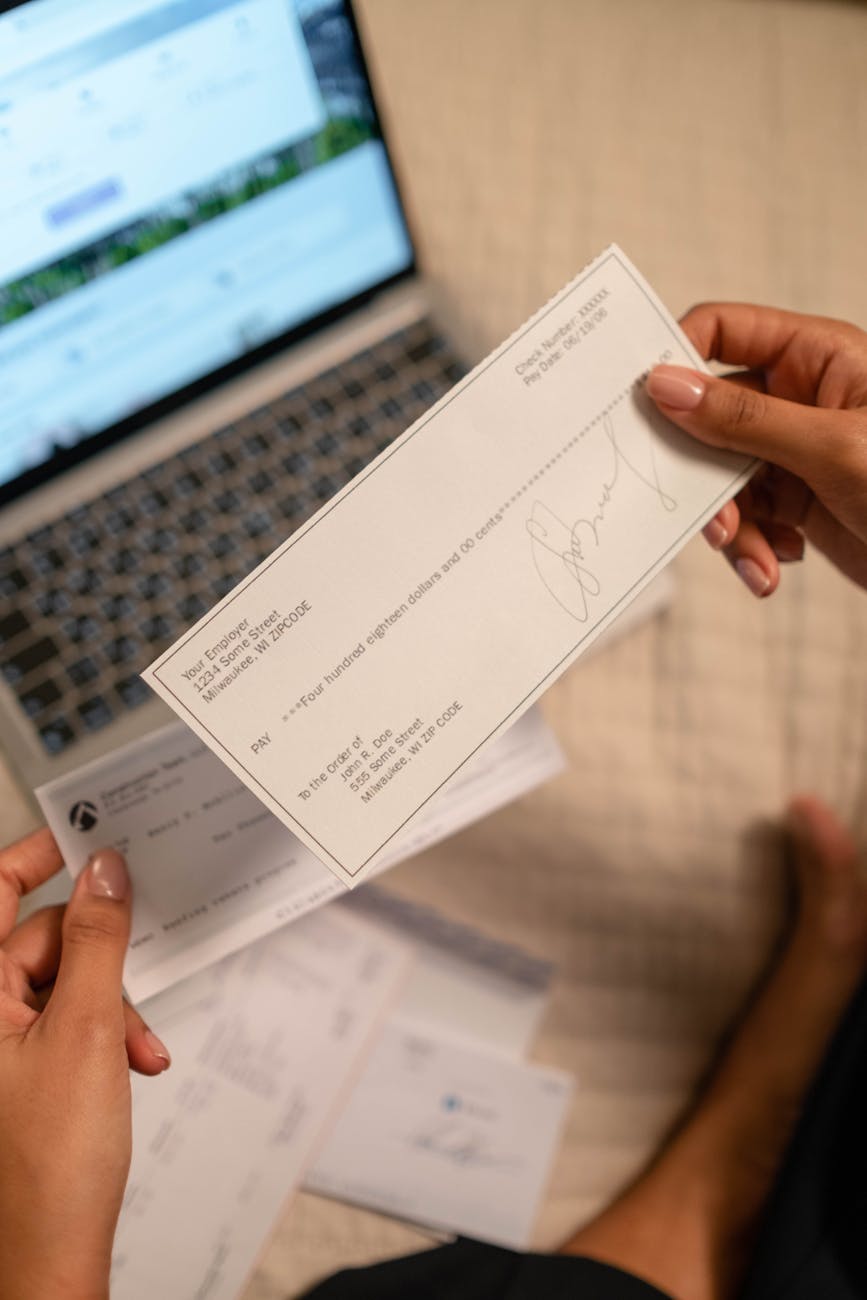
Some employers offer earned wage access programs that provide access to funds for work already completed. These services typically charge low fees or suggest optional tips, making them more affordable than high-interest alternatives.
Apps like EarnIn or employer-backed systems allow quick transfers of part of your paycheck. This can be especially helpful when timing is tight and payday is still some time away. The process is fast and doesn’t require a credit check or a lengthy application.
However, accessing future pay can create a pattern of dependency if used too often. The next paycheck will arrive with a deduction, which might lead to another early withdrawal. These tools are best used occasionally and with careful planning around upcoming bills.

6. Sell Unused Items for Fast Cash
Many households have unused or underused items that can be sold for immediate income. Electronics, tools, workout gear, and even clothing can generate quick cash when listed on platforms like Facebook Marketplace or local buy-sell groups.
This approach avoids the need for credit or repayment. It turns clutter into opportunity and helps you meet a financial need without creating new obligations. It also forces you to evaluate what is truly essential to keep.
Focus on items in good condition with known value. Clean photos, honest descriptions, and reasonable prices will help them move faster. Even small sales can add up and provide enough to cover a utility bill, prescription, or minor home repair.

Every Expense Deserves a Smart Strategy
Short-term expenses can feel disruptive, but they don’t have to derail your finances. With a clear understanding of your options, you can act quickly without making rash decisions. Whether you borrow, sell, save, or tap into wages early, there’s more than one way to manage urgent needs.
The key is choosing the right tool for the situation. Each option above carries trade-offs, but they are all practical approaches. With preparation and awareness, handling short-term costs becomes a manageable part of life instead of a crisis.

Subscribe
More Strategies for Handling Short-Term Expenses . . .
Leave your tips in the comments below. Inspire other readers!
- Budget, Save, and Earn:
- The Ultimate Guide to Financial Independence
- Budgeting for Shared Living: What to Expect and How to Split Costs
- How To Make Financial Milestones More Attainable
- 5 Ways to Save Money and Achieve Financial Freedom
- 7 Foolproof Strategies to Tackle Your Financial Stress
- Master Your Money: How Budgeting Can Transform Your Life
- 75+ Side Hustles for Farmers to Boost Income
- 5 Money Saving Tips to Protect Household Finances
- 15 “Attainable” Ways to Reduce Waste and Save Money Now!
- 22 Eco Friendly Products to Replace Disposables and Save you Thousands a Year!
- Investing:
- Home Ownership:
- Is Moving Right for You? 3 Critical Questions
- Eco-Friendly Home Renovations to Maximize your Sale Price
- Urgent Home Repair Warning Signs You Shouldn’t Ignore
- Top 7 Biggest Sources of Household Clutter (and how to fix them!)
- Gardening 101: 9 Simple Steps to a Fantastic First Season!
- Hygge Home Design Ideas to Feed Your Mental Health
- Lifestyle:
Share this Post on Social Media!
For more inspiration follow my Pinterest Board: Finance and Investment.
