

What to Plant in April & May (With Dates, Spacing, Depth + Pro Tips) Zone 6B Spring Planting Guide
If you’ve ever planted everything during the first warm week in April—only to panic when temperatures drop back into the 30s—you’re not alone.
Spring gardening in Zone 6B is a dance between optimism and restraint. The sunshine returns, the soil starts to wake up, and suddenly you’re ready to plant everything… but timing is what separates a thriving garden from one that struggles.
This guide will walk you through:
- What to plant in April vs. May (with real dates)
- Exactly how deep and far apart to plant seeds
- How to use your last frost date
- And the small decisions that quietly lead to a more productive garden
Once you’ve determined what to plant when, check out my Raised Bed Vegetable Garden Plan for design and layout ideas.
Just starting out? Get all the essential gardening supplies you need here!
Understanding Your Last Frost Date (Your Garden’s Timeline Anchor)
In Zone 6B, the average last frost date falls between May 10–15. But experienced gardeners know this isn’t a guarantee—it’s a guideline.
Some years, you’ll be safe early. Other years, a late frost will remind you why patience matters.
That’s why I personally approach it like this:
- May 10–15 = baseline
- Add a 1-week buffer for sensitive crops
- Always check the 10-day forecast
There’s something grounding about waiting just a little longer than you want to. Gardening rewards restraint more than urgency.
Get your free printable planting schedule here: How to Make a Succession Garden Schedule.
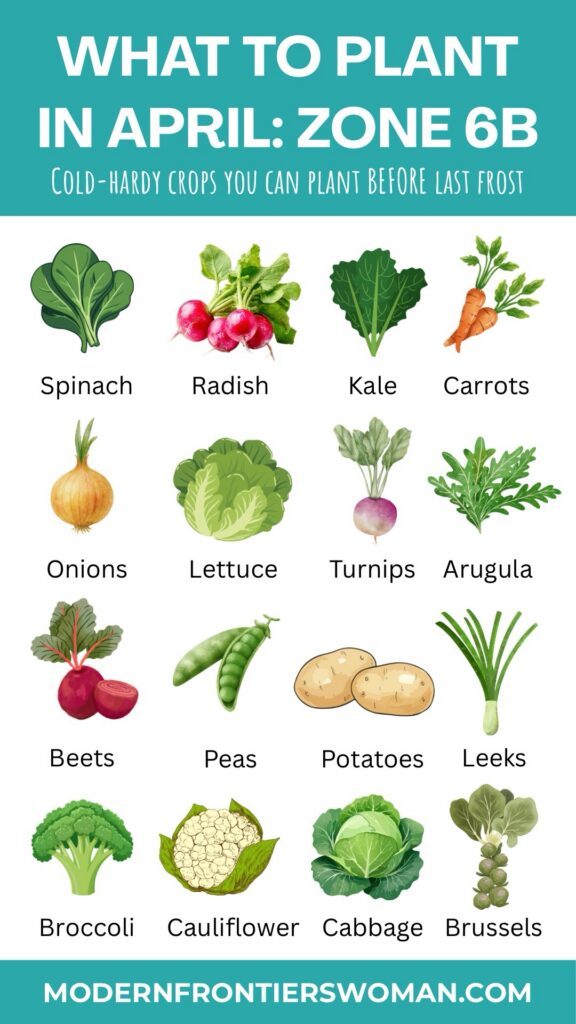
What to Plant in April (Zone 6B)
April is for the resilient crops—the ones that thrive in cool soil and don’t flinch at a light frost. This is the season of leafy greens, root vegetables, and foundational crops that set the tone for your entire garden.
To maximize your garden’s productivity, start cold-sensitive plants from seed indoors and practice succession planting techniques. And remember, your produce is only as good as your soil.
Direct Sow Outdoors (April 1–30)
- April 1–20
- Depth: ½ inch
- Spacing: 2–4 inches
Lettuce (leaf & head)
- April 1–25
- Depth: ¼ inch
- Spacing: 6–12 inches
- April 1–20
- Depth: ½ inch
- Spacing: 12–18 inches
- April 1–25
- Depth: ¼ inch
- Spacing: 4–6 inches
Peas (snap/snow)
- April 1–15
- Depth: 1 inch
- Spacing: 2 inches
- April 5–25
- Depth: ¼ inch
- Spacing: 2–3 inches
- April 5–25
- Depth: ½ inch
- Spacing: 3–4 inches
- April 1–30
- Depth: ½ inch
- Spacing: 2 inches
- April 5–25
- Depth: ½ inch
- Spacing: 3–4 inches
Potatoes (Early Spring Staple)
Potatoes are one of the most rewarding crops you can grow—and they love the cool conditions of April.
- April 1–25
- Depth: 3–4 inches (hill as they grow)
- Spacing: 10–12 inches
Planting potatoes early gives them a head start before summer heat sets in, and hilling them throughout the season increases your yield significantly.
Brassicas (Don’t Skip These)
This is where a lot of gardens go wrong—people wait too long. Brassicas thrive in spring and struggle in summer heat.
- Transplant: April 15–May 10
- Depth: ¼–½ inch
- Spacing: 18 inches
- Transplant: April 15–May 10
- Depth: ¼ inch
- Spacing: 18–24 inches
- Transplant: April 20–May 15
- Depth: ¼ inch
- Spacing: 18–24 inches
- Transplant: April 15–May 10
- Depth: ¼ inch
- Spacing: 18 inches
- April 1–25
- Depth: ¼ inch
- Spacing: 6–8 inches
These crops quietly build some of the most nutrient-dense food you can grow.
Onions & Early Alliums
Onions (sets or transplants)
- April 1–20
- Depth: 1 inch
- Spacing: 4–6 inches
- Transplant: April 15–May 10
- Depth: ½ inch
- Spacing: 6 inches
These are foundational crops—simple, reliable, and incredibly useful in the kitchen.
Herbs to Plant in April
- April 1–25
- Depth: ¼–½ inch
- Spacing: 6 inches
- April 1–20
- Depth: ¼ inch
- Spacing: 6–8 inches
- April 1–20
- Depth: ¼ inch
- Spacing: 6 inches
Cool-weather herbs establish best now before summer stress hits.
Starting Indoors in April
If you’re a little behind, this is your catch-up window:
- Tomatoes: April 1–15 (¼ inch deep)
- Peppers: April 1–10 (¼ inch)
- Eggplant: April 1–10
- Basil: April 10–20
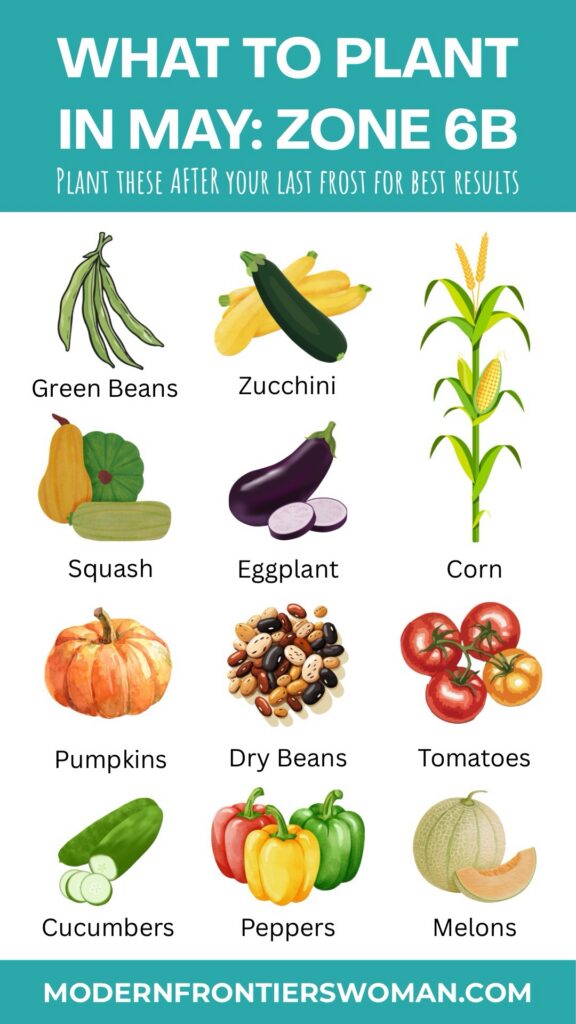
What to Plant in May (Zone 6B)
May is when your garden shifts from cautious to abundant. Once frost risk passes, you can plant the crops most people think of when they picture a summer garden.
Need help deciding which seeds to choose? Read about the difference between heirloom varieties vs Hybrid and GMO!
Transplant Outdoors (May 15–June 1)
- Spacing: 18–24 inches
- Spacing: 12–18 inches
- Spacing: 18 inches
- Spacing: 10–12 inches
Wait until nights consistently stay above 50°F—this matters more than daytime temps.
Direct Sow Warm Crops (May 15–June 5)
- Depth: 1 inch
- Spacing: 3–4 inches
- Depth: 1–1.5 inches
- Spacing: 8–12 inches (plant in blocks)
- Depth: 1 inch
- Spacing: 12–24 inches
Squash, Zucchini & Pumpkins (The Garden Expanders)
These are your space-takers—but also your high producers.
- May 20–June 5
- Depth: 1 inch
- Spacing: 24–36 inches
- May 20–June 5
- Depth: 1 inch
- Spacing: 36–48 inches
- May 20–June 5
- Depth: 1 inch
- Spacing: 36–60 inches
These plants will take over if you let them—but they’re incredibly rewarding and ideal for anyone thinking about food storage or seasonal living.
Melons
- May 20–June 5
- Depth: 1 inch
- Spacing: 36–48 inches
They need heat, space, and patience—but nothing compares to homegrown.
Herbs to Plant in May
- May 15–June 1
- Depth: ¼ inch
- Spacing: 8–12 inches
- Best from starter plants
- Spacing: 12–18 inches
- Plant after frost
- Best in containers (they spread aggressively)
Moon Phase Planting (A More Intentional Rhythm)
Moon phase gardening is based on the idea that the moon influences soil moisture and plant growth cycles.
- Waxing moon: plant above-ground crops
- Waning moon: plant root crops
Is it essential? No. But it can bring a slower, more intentional rhythm to your gardening practice.
If you’re building a lifestyle rooted in nature, it’s a beautiful layer to explore.
To learn more advanced techniques, read The Ultimate List of Gardening Skills.
Soil Temperature > Air Temperature
One of the most common mistakes is planting based on a warm day instead of warm soil.
- Cold crops: 40–50°F soil
- Warm crops: 60–70°F soil
If your soil isn’t ready, your seeds won’t be either.
Final Thoughts: Build a Garden That Works With Your Life
You don’t need a perfect plan. You don’t need to plant everything.
You just need to:
- Start
- Pay attention
- Adjust as you go
Some crops will thrive. Some won’t. But every season, your confidence grows alongside your garden.
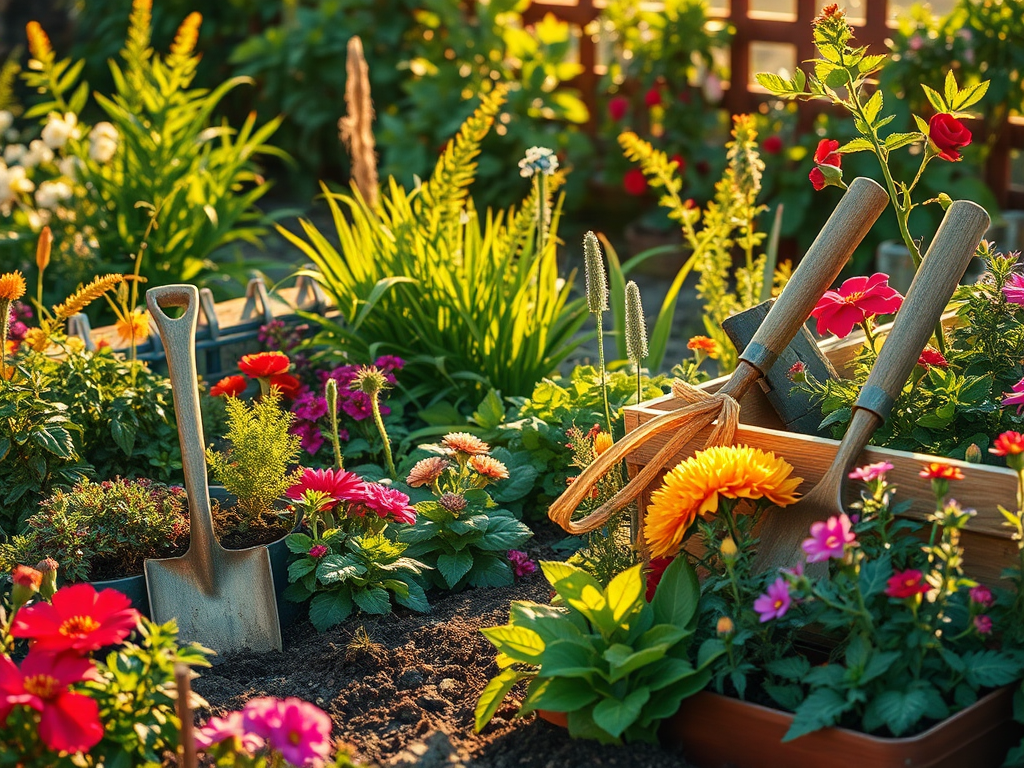
Time to Plan your Own Raised Bed Vegetable Garden
Find layout design ideas in my post Raised Bed Vegetable Garden Plan like this. I hope this will help you in planning your food garden!
Get in depth look at how to build, maintain, and grow using this method in The Comprehensive Guide to Raised Bed Gardening!
If you’re looking for a large scale design you can apply to your entire property, check out Farm Layout Ideas: Site Plan Designs for Your Homestead.
Leave a comment with your gardening advice!
Plan your vegetable garden like a pro with these tools
-
Garden Design and Planning Tool
Original price was: $29.00.$19.00Current price is: $19.00. -

E-Book | Saving Vegetable Seeds
$3.00 -
Fall Gardening Checklist Free Printable
$0.00 -
Succession Planting Schedule Free Printable
$0.00

Explore more gardening articles . . .
- Raised Bed Vegetable Garden Plan
- Unlock the Secrets to a Perfect Garden Layout! (A Reference Tool for Gardeners)
- Farm Layout Ideas: Site Plan Designs for Your Homestead.
- The Comprehensive Guide to Raised Bed Gardening
- Gardening 101: 9 Simple Steps to a Fantastic First Season!
- Chaos Gardening for Perpetual Harvests
- Best Gardening Books: Beginners to Masters
- Planning a Survival Garden for Food and Medicine
- Building a Climate Victory Garden to Regenerate Soil
- The Bare Soil Dilemma
- The Ultimate Guide to Planting an Herb Garden
- 90 Unique Spices to Grow in Your Herb Garden
- 75+ Side Hustles for Farmers to Boost Income
- My Passion for Permaculture (and how to apply it to your homestead)
- How to Make a Succession Garden Schedule
- Start your Garden Renovation: Budget and Planning Guide
- How to Build a DIY Outdoor Pizza Oven
- Tips for Garden Critter Control
- The Gardener’s Guide to Pest Insects
- Expert Tips for Gardening Safety
- How to Grow Tomatoes
- 30 Unique Heirloom Vegetables for your Food Garden
- How to Start Seeds Indoors and Keep Them Alive!
- The Secret World of Seeds: Ancient Knowledge
- How to Grow a Medicinal Tea Garden (Plus over 40 Plants!)
- Top 20 Flowers for a Cottage Garden
- 20 Perennial Flowers that Bloom all Summer
- Wildflower Cottage Garden Design
- 12 Culinary Herbs for the Flower Garden
- Learn to Pressure Can Veggies!
- 8 Ways to Preserve Your Harvest
- How to Harvest, Dry and Cure Cilantro
- Companion Planting: Cracking the Code
- Plant Friend or Foe: Companion Planting in the Vegetable Garden
- Most Wished for Gardening Accessories!
- Veggie Garden Supply List
Share this Post on Social Media!
For more inspiration, follow my Pinterest Board: Gardening, Growing Food, Landscaping.
