
When people think about customer service levels, they usually picture response times, delivery windows, or system uptime. A Service Level Agreement (SLA) is simply a promise a company makes to customers about the level of service they can expect—things like delivery speed, system reliability, or response times. But there’s another service level your customers notice first—the packaging design.
Before customers ever open your product or talk to support, they interact with the box it arrives in. A flimsy, scuffed box whispers, “We cut corners.” A crisp, sturdy package says, “We care about you.” That’s why bringing a durable custom mailer box into your operation isn’t vanity; it’s risk management with a bow on top. In other words, packaging design isn’t just about looks—it’s the first impression of your brand’s service promise.
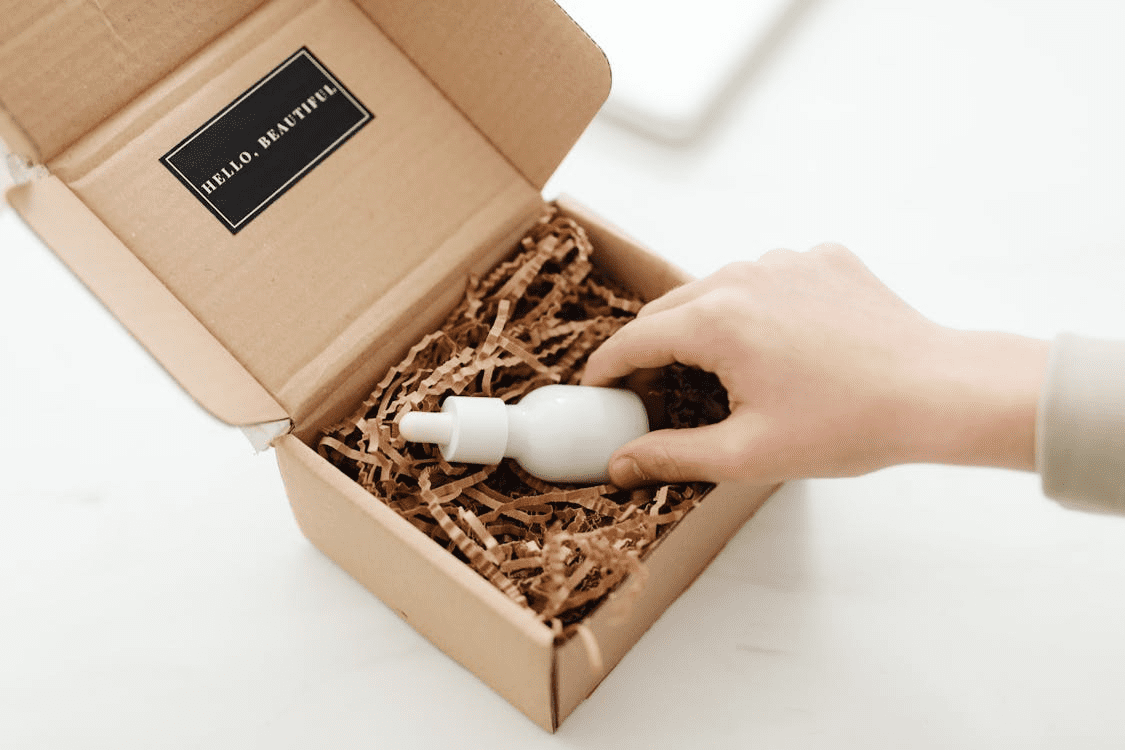
Rethink “Service Level”: Not Just Speed, But Certainty
Speed is expected—it’s no longer a differentiator. What clients actually buy is certainty—confidence that the thing they paid for will arrive intact, clean, and ready to use or gift. Packaging either creates certainty or steals it. When it steals, you pay twice: first in replacements, then in the slow leak of trust that erodes repeat purchase rates. When it creates certainty, you save on support tickets, boost unboxing satisfaction, and give retention a low-cost tailwind.
Moments Of Truth You Can Engineer
Every package goes through a gauntlet: warehouse pick, pack-out, label application, conveyor drop, truck load/unload, doorstep delivery, and the drama of an apartment mailroom. If the box yawns open under tape strain, if corners crush under stack pressure, if the print scuffs at the first brush with moisture—your “service level” has just dipped.
You can engineer each moment of truth with:
- Structural choices: board grade, fluting, slot orientation
- Closure choices: tape vs. self-seal
- Interior fit: void fill vs. custom inserts
Book Recommendation: Package Design Workbook: The Art and Science of Successful Packaging
The Business Case: Fewer Damages, Fewer Refunds, Happier Finance
Let’s talk numbers without the algebra headache.
Damage rate × average order value × replacement cost = silent margin killer.
Cut damage rate even modestly, and you free up cash. Your finance team will also see packaging show up in softer lines: lower support volume, less overtime, tighter inventory control (fewer emergency reships), and an NPS (Net Promoter Score) that’s earned instead of bribed with discounts. Packaging design is one of those rare levers that improves the customer story and the P&L at the same time.
NPS = % of Promoters (loyal enthusiasts) ? % of Detractors (unhappy customers).
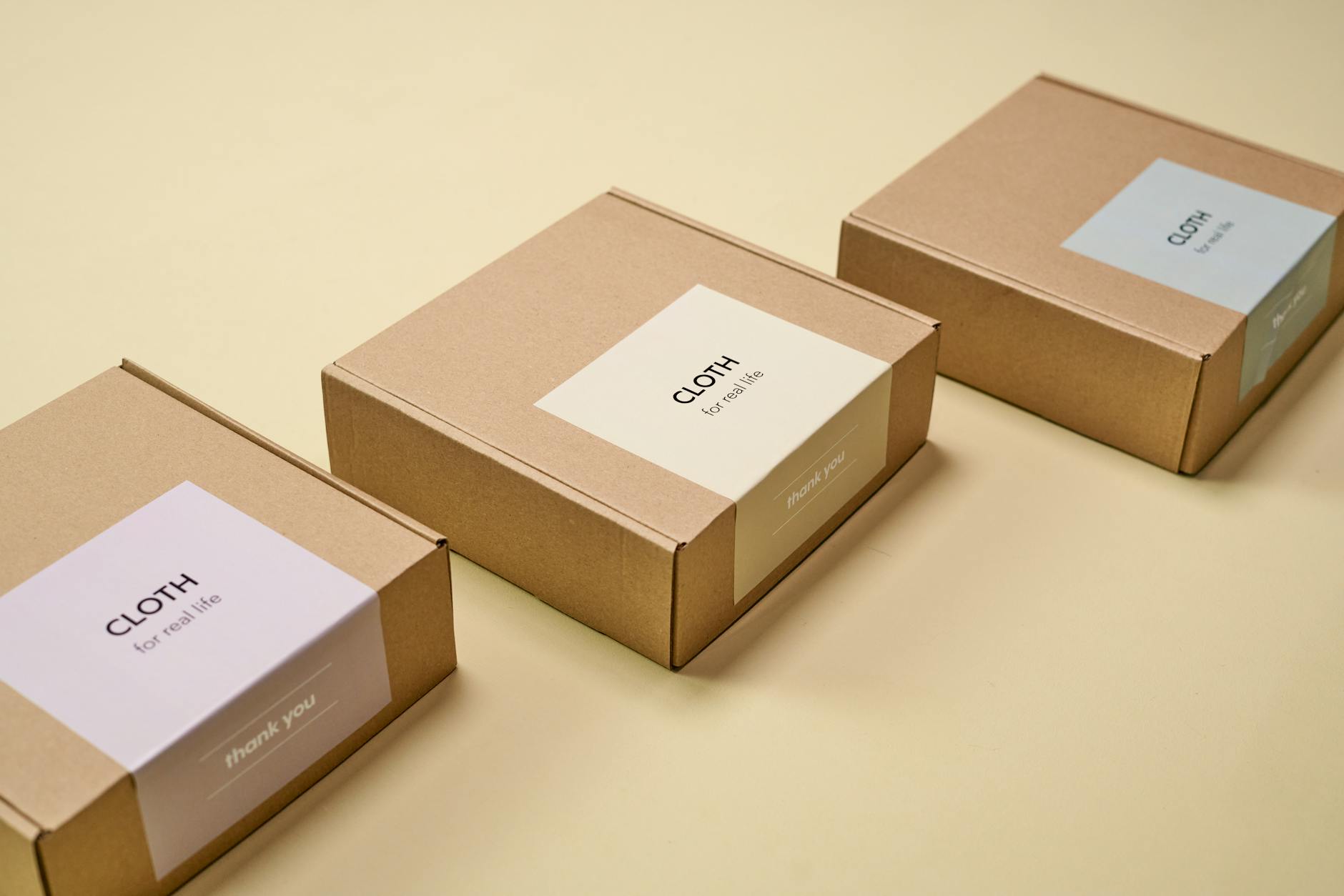
Durable Custom Mailer Box: A Promise You Can Hold
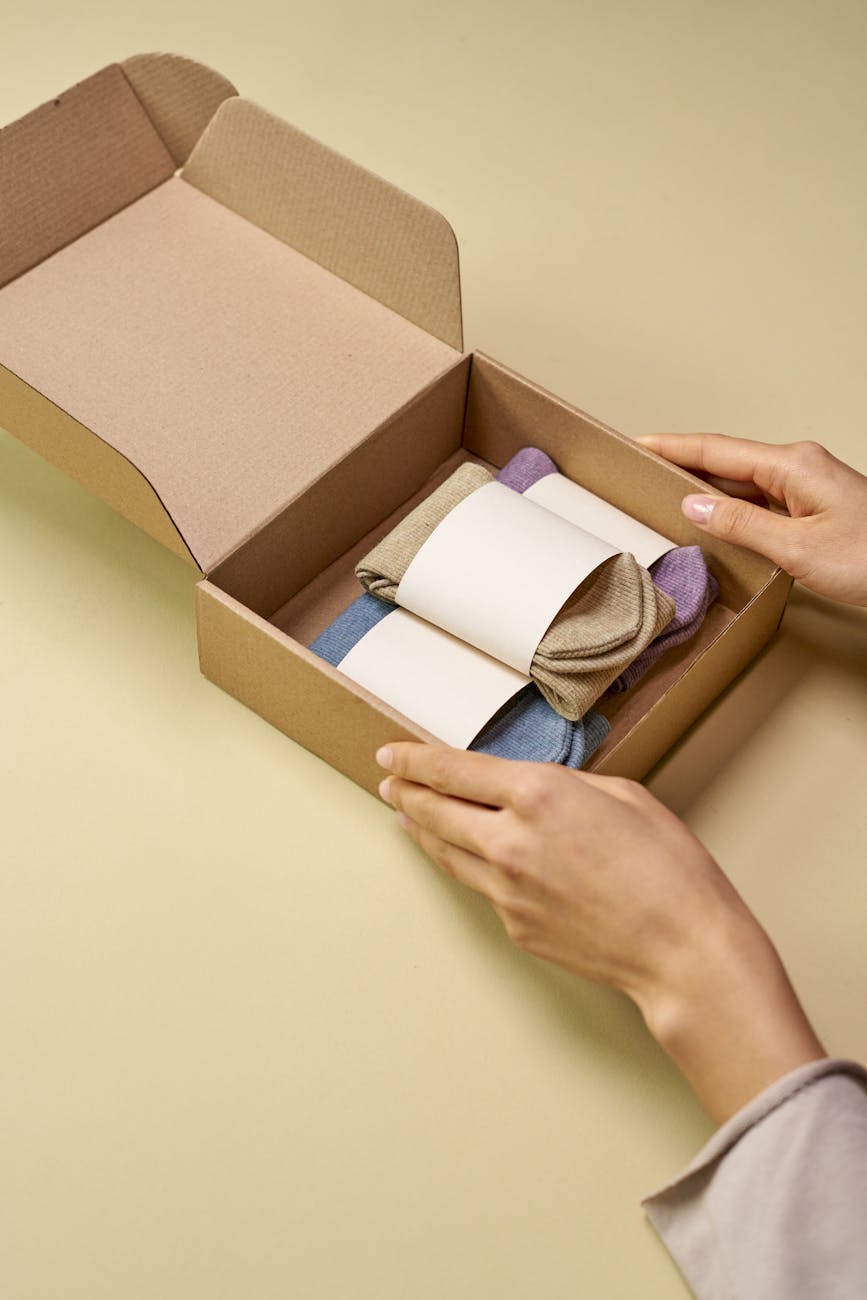
A durable custom mailer box communicates standards without you saying a word. The sturdiness tells the customer their order matters; the custom fit avoids rattling and corner crush; the print holds up so your brand doesn’t arrive looking tired. It’s a promise they can physically test—and your brand passes, daily.
What “Durable” Actually Means in Practice
Durability is not a vibe; it’s outcomes. You’re aiming for:
- Structural integrity: corners that resist crushing, walls that don’t bow under stack pressure, and closures that stay closed when conveyors jostle things around.
- Surface resilience: ink and coatings that don’t smudge, so your tactile branding feels premium at first touch.
- Operational fit: sizes that are right for your SKU mix so packers aren’t stuffing void fill to make up for sloppy fit (which slows the line, increases shipping costs, and still under-protects).
- Repeatability: a box that performs the same, week after week, across production runs—because inconsistency is its own kind of failure.
Book Recommendation: Creative Packaging: One-Piece Packaging Solutions
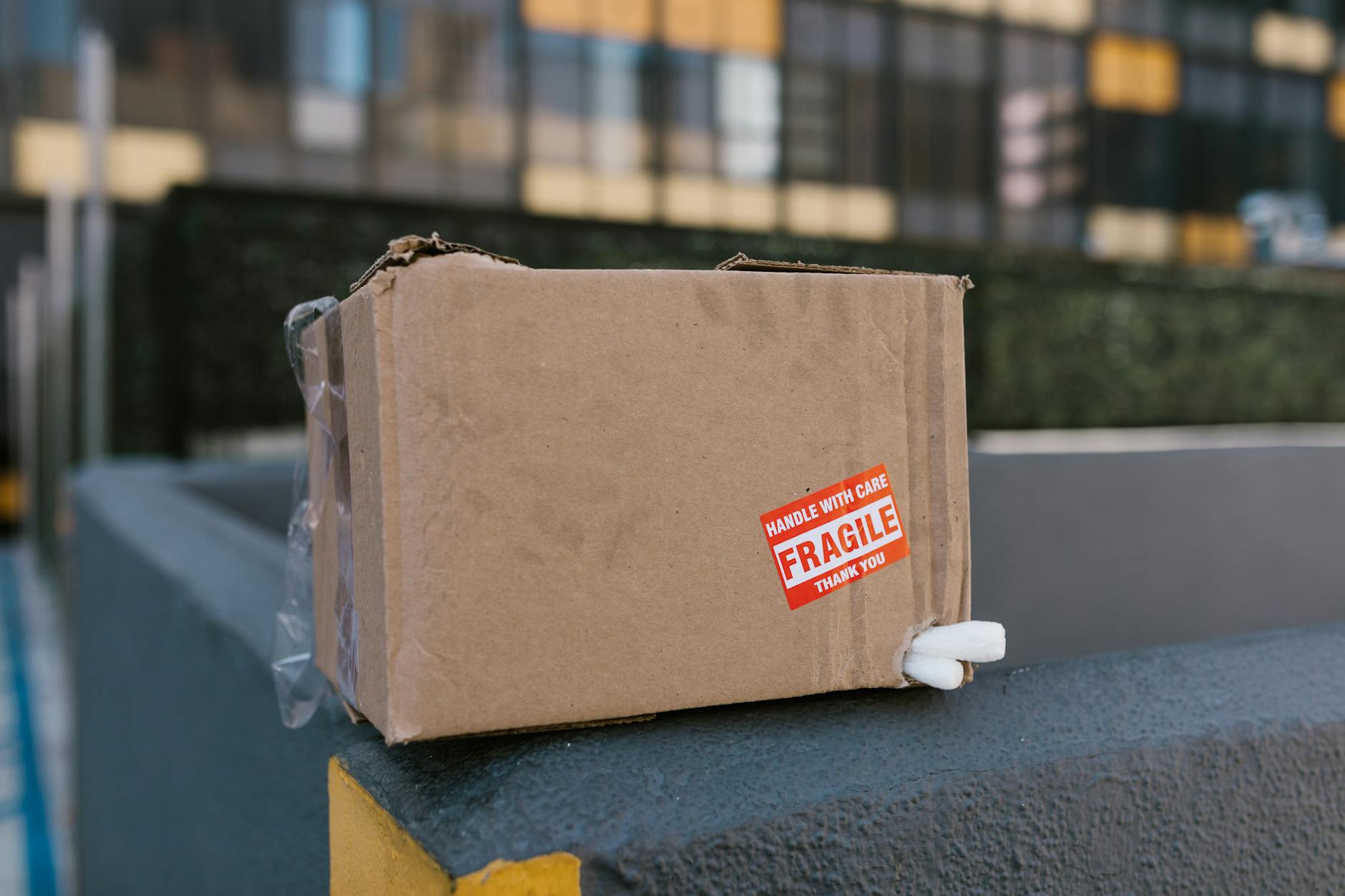
A Quick Test Plan You Can Run This Week
You don’t need a lab coat. Grab 10 fully packed boxes and:
- Drop test from waist height on edge, corner, and face. Check for split seams and dented corners.
- Compression check by stacking a few loaded boxes overnight. Look for sagging.
- Humidity pass if you ship to coastal or rainy regions—light moisture exposure to see if print bleeds or the box softens.
- Time-on-belt simulation: slide a box 20–30 yards across a concrete floor to mimic conveyors. The print shouldn’t sand off.
If the boxes need bandages after that, the world will be harsher to your business.
Book Recommendation: Wrap It Up: Creative Structural Packaging Design. Includes Diecut Patterns

Design For Service, Not Just For Show
Your creative team wants “wow.” That’s fair. You also need “work.” Bake service into the design brief:
- Right-size every SKU (or SKU family). Two or three dialled-in sizes beat eight sloppy ones. Right-sizing cuts filler, speeds pack-out, and reduces crush risk.
- Specify closure logic. Self-seal tear strips speed packing and improve reopen experience; water-activated tape is a fortress for heavier shipments.
- Protect the print. Consider coatings that resist scuffing so the box looks like a gift, not a survivor.
- Engineer the unboxing. Tear strips, simple inserts, and a tidy opener reduce knife slips and product damage at the customer’s kitchen table—another moment of truth.
- Add “first-use” instructions inside the lid. A QR to a 30-second setup video or care guide can preempt support tickets.
The Service-Level Metrics That Matter (and How to Track Them)
Track what your customers feel, not just what your warehouse measures.
- Transit damage rate (items, not boxes): aim low and ratchet lower.
- Reship rate: the ultimate “we failed” metric; monitor by SKU and carrier.
- Unboxing satisfaction: a micro-CSAT in post-purchase flows (“How did your package arrive?”).
- Support contacts per 100 orders: set a baseline, then move it by improving packaging.
- UGC velocity: more customers share when the packaging design looks and feels premium. Real value: free reach.
Connect these metrics to packaging changes in a simple log. When you upgrade construction, annotate the date; when metrics move, you know why.

Fulfillment Flow: Make it the Easy Choice on the Line
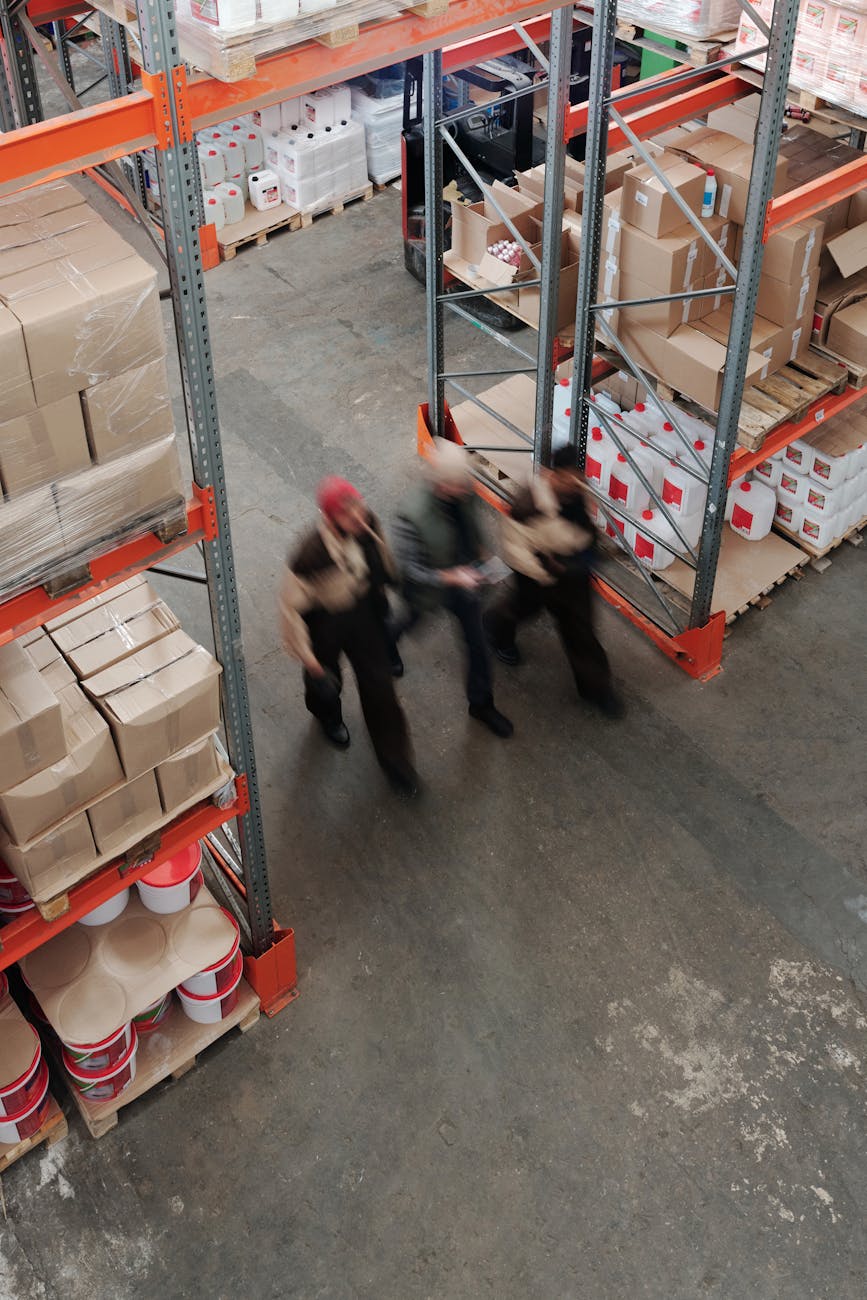
Service level dies two ways: poor materials or poor process. Help your packers choose the right box every time.
- Color-code sizes on the die line or use prominent internal labels so pickers and packers don’t play guess-the-box.
- Print a mini checklist (Inside flap: “Product? Insert? Thank-you card? Seal?”). It’s remarkably effective at catching misses.
- Standardize inserts so fragile items can be secured without artisanal origami.
- Keep a “stress test” shelf by the line with a scale, a ruler, and one battered demo box. New hires learn to feel what “good” is.

The CFO’s Angle: Cost of Quality That Pays You Back
Frame packaging as “cost of quality,” not “nice to have.” A small increase in unit packaging cost can yield outsized returns in reduced damages, fewer refunds, and better retention.
Put three scenarios on one slide:
- Current state: unit packaging cost, damage rate, average refund cost, reship frequency.
- Modest upgrade: +X% packaging cost, ?Y% damages, net savings.
- Premium upgrade: +X++% cost, ?Y++% damages, added benefit (UGC, premium positioning).
Let the numbers speak. Packaging turns from an expense to a margin strategy.
The Service-Level Packaging Design Brief (Steal This)
Bring this into your next vendor call:
- Objective: Reduce transit damages by 30% and support contacts per 100 orders by 15% in 90 days.
- Constraints: Maintain or improve pack-out speed; right-size for top 5 SKUs; keep total dimensional weight constant or lower.
- Requirements: Reinforced corners, scuff-resistant exterior, integrated tear strip, brand-consistent print, space for a QR inside the lid.
- Tests: Drop, compression, and humidity as listed above; pilot across two carriers.
- Metrics & Review: Weekly dashboard; go/no-go after 500 orders.
Vendors love clarity. Your team will love the results.
Common Mistakes That Quietly Wreck Service
- Over-indexing on aesthetics. Beautiful boxes that split at the seam are just breakup letters.
- Under-sizing to save on postage. If the product bulges, you’re one pothole away from a support ticket.
- Inconsistent supply. Mixed board quality between runs equals roulette with your brand.
- Ignoring carrier realities. Some routes are rougher; some hubs are wetter. Design for your geography, not an idealized one.
- No feedback loop. If support, ops, and design aren’t sharing data, you’ll keep repainting the same fence.

A Small-Team Playbook (Because Resources Are Real)
You don’t need a packaging department to do this well.
- Start with a quick audit. Pull your last 60 days of support tickets; tag anything packaging-adjacent.
- Pick one hero box to upgrade. Choose the SKU with the highest damage or the highest margin.
- Pilot with 200–500 orders. Don’t boil the ocean—watch the metrics.
- Document what changes. Photos, notes, and a one-page “what we learned.”
- Scale and repeat. Now you’ve got a mini system. Keep iterating.
Marketing Loves it, Too
Better packaging design doesn’t just protect; it performs. Creators and customers share what feels premium. Your “first 10 seconds with the brand” suddenly looks like your brand deck—on camera, in real homes. That’s free media and credible proof. Meanwhile, customer success gets fewer “my box arrived crushed” messages. Everyone wins.
Book Recommendation: Packaging Design: Successful Product Branding From Concept to Shelf
Bringing Packaging Design All Together
Treat your packaging like an SLA: explicit, measured, improved. You’ll reduce surprises for the customer and your team. You’ll protect margins without begging finance for miracles. Most importantly, you’ll deliver a tactile promise your buyers can trust—every single time.
Bottom line: when you design your box as part of your service level, you’re not decorating; you’re operationalising trust. And that’s the kind of promise customers remember, reorder after, and recommend to their friends.
Subscribe
Grow Your Business Beyond Packaging Design . . .
- Quick Startup Guide to Selling Products Online
- The Business Owner’s Guide to Video Surveillance & VMS for Company Security
- 10 Proven Ways to Increase Your Business Visibility Online and Offline
- Challenges of Cryptocurrency Operations in Enterprises and Solutions for Smooth Crypto Integration
- Why Email Security Still Gets Overlooked (And What To Fix Today)
- The Low Down on Launching a Profitable Blog
- NFTs in Three Easy Steps: A Quick Beginner’s Guide
- Top 4 Business Software Tools To Keep You Organized
- 5+ Top Data Centers Supporting Houston’s Small Business Growth
- Business Technology to Propel your Company Forward
- 5 Top Digital Marketing Agencies Reviewed in 2025
- How to Invest in Your Business for Long-Term Success
- Office Perks that Work for Every Generation on Your Team
- When To Update Your Business Office Design
- Collaboration: The Secret to Saving Money Without Sacrificing Quality
- 7 Crucial Features You Need For A User-Friendly Business Website
- How to Do Influencer Marketing Like a Pro: Crush the Game and Build Your Brand
- How To Build Your Trade Firm’s Online Presence
- 5 Common Legal Issues Small Business Owners Face
- Upgrade Your Zoom Meetings with an Eye-Catching Virtual Background
- The Ultimate Guide to Financial Independence
- 4 Ways to Make Your Business More Accessible
- Should You Invest in a Commercial Property or Rent?
- How to Choose the Perfect Store Location for Your Retail Business
- Signs You’re Ready To Expand Your Business
- 6 Ways Preventative Maintenance Saves Your Business Money
- 4 Top Traits Of Exceptional Business Leaders
- What You Need to Know Before Hiring Family Members
Share this Post on Social Media!
For more inspiration follow my Pinterest Board: Finance and Investment.
