
Great product design is more than just making something look appealing—it’s about solving real problems and creating meaningful user experiences. Whether you’re designing a new physical product or developing a digital solution, understanding the product design process helps you move from concept to launch with confidence.
In this guide, we’ll break down the six key steps that go into successful product design so you can turn your idea into something functional, valuable, and market-ready.
1. Start With a Strong Idea
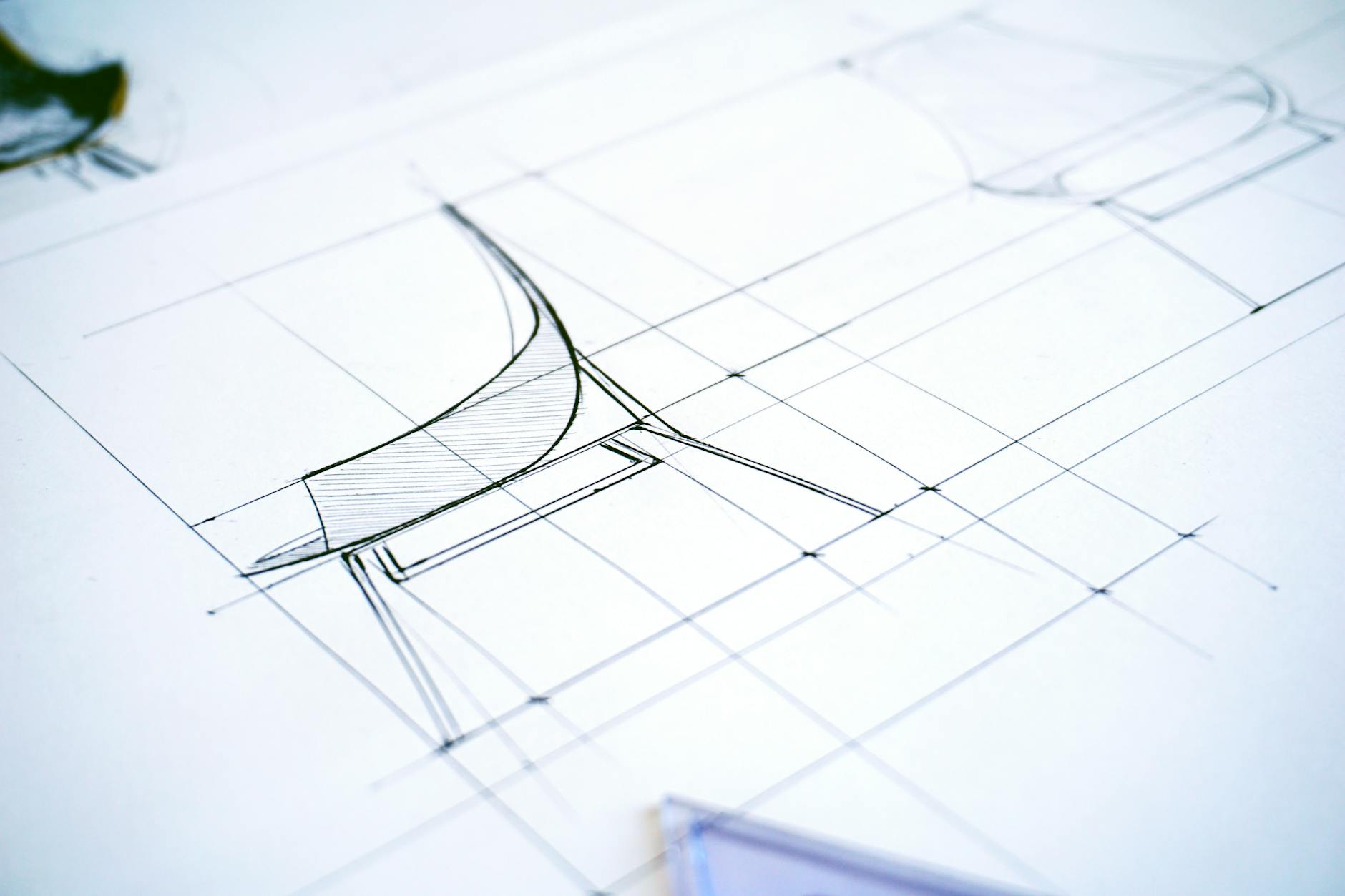
Every successful product begins with a powerful idea. In product design, that idea needs to meet a real-world need or fill a market gap.
Ask yourself:
- What problem does this product solve?
- Who will benefit from it, and how?
- Does it improve on existing solutions in a meaningful way?
You might go through several ideas before finding the one that resonates, and that’s okay. The most effective product design ideas are those that combine creativity, purpose, and practicality. Being passionate about the product matters too—if you believe in your product, you’ll find it easier to refine, market, and sustain it over time.
Recommended Reading: The COMPLETE BOOK of Product Design, Development, Manufacturing, and Sales: A Profit-First guide for anyone looking to develop and sell products/inventions.
2. Conduct Research to Validate Your Concept
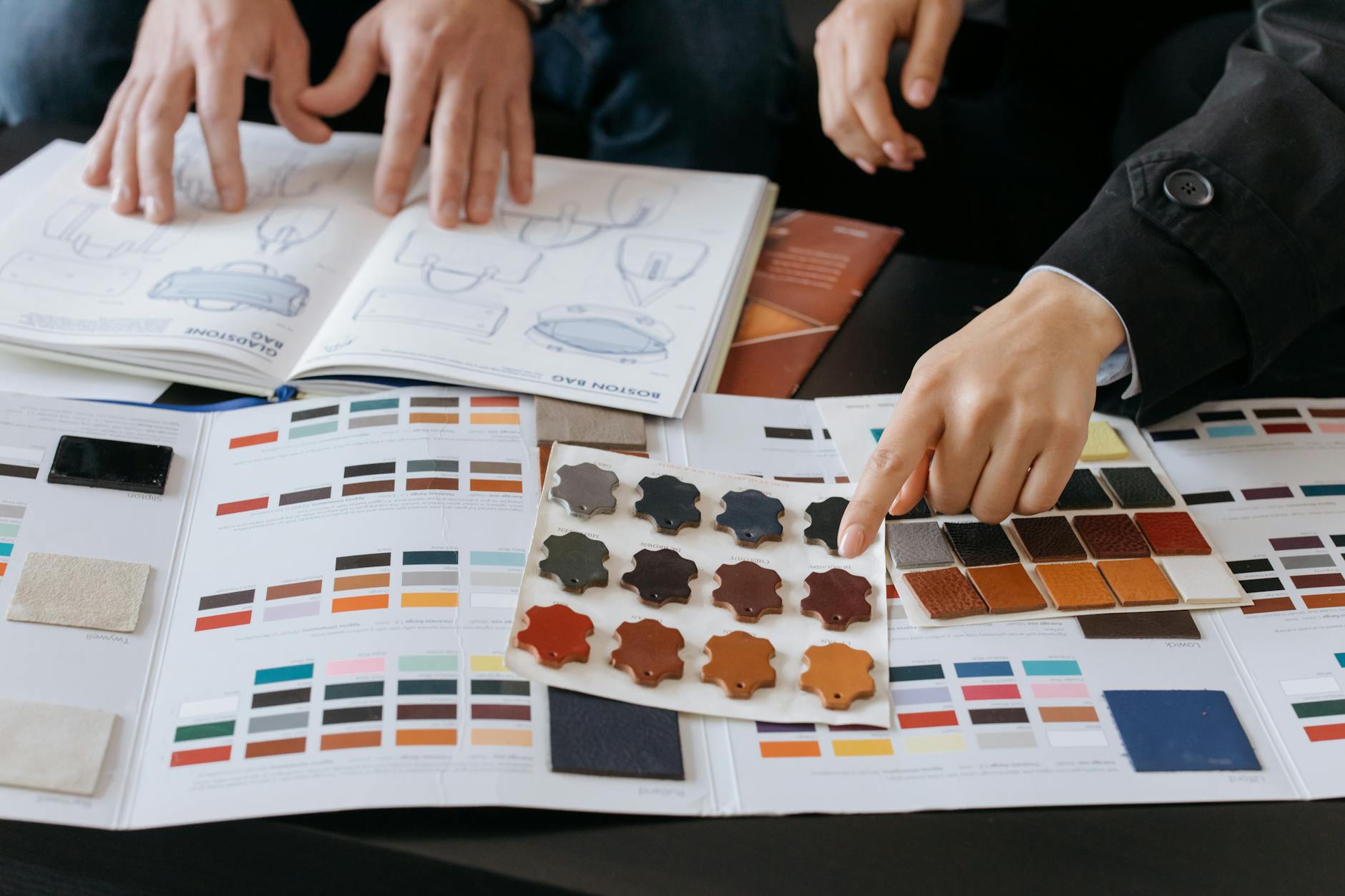
Research is one of the most overlooked yet vital steps in the product design process. Without it, you’re essentially guessing. Thorough research grounds your creativity in real-world insights and ensures that your product truly aligns with user needs.
Your research should include:
- User interviews – to understand pain points and desired outcomes.
- Market analysis – to evaluate demand and trends.
- Competitor audits – to see what works and what doesn’t.
- Behavioral insights – to understand how people interact with similar products.
Research has a way of grounding creativity in reality. When you combine imagination with solid data, your product design becomes both innovative and user-centered.
Build to Sell: The Lean Secret to Crafting Irresistible Products is full of examples to set you up for success.

3. Create Prototypes and Test Early
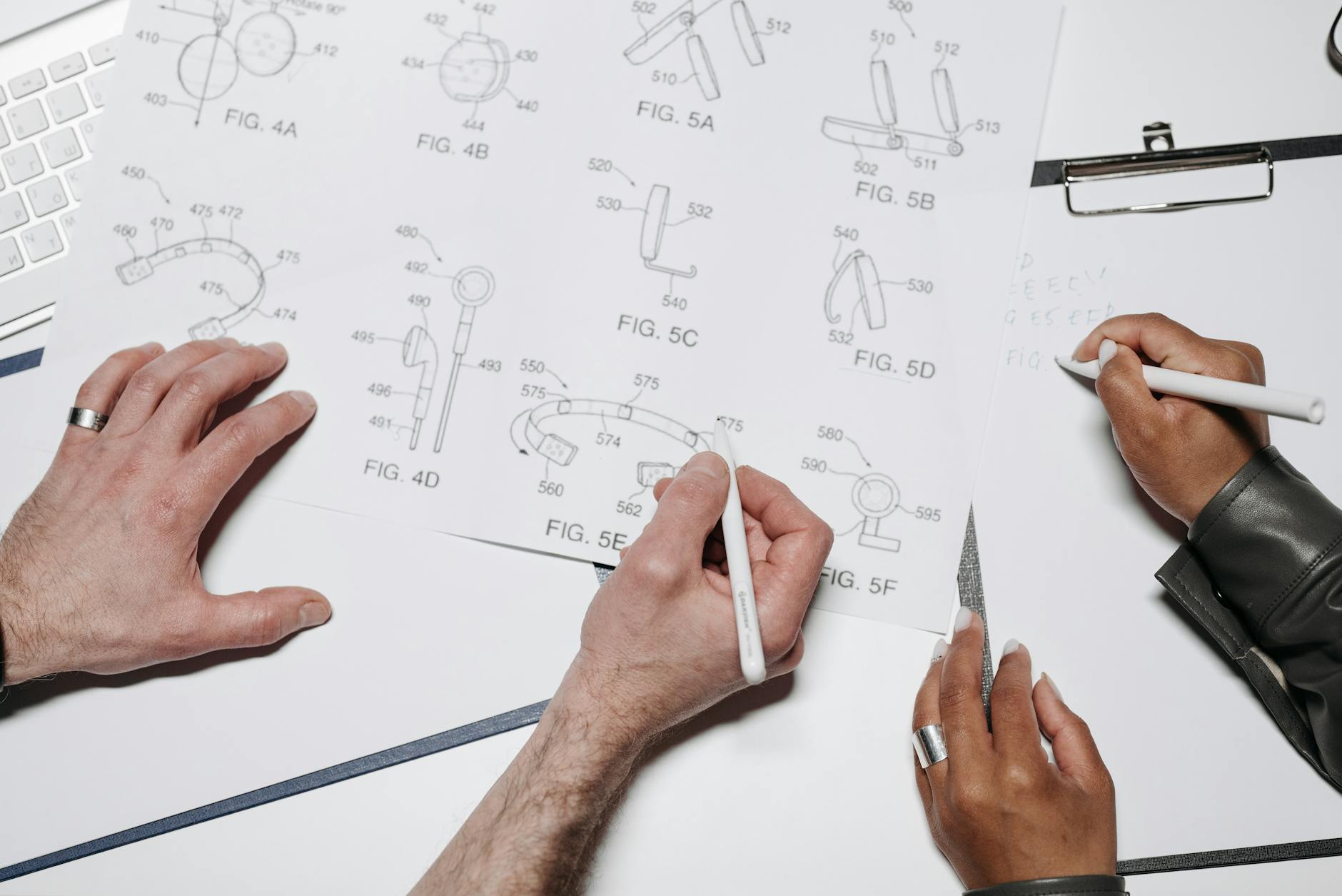
Prototyping is where your product design starts taking physical or digital shape. Building a prototype allows you to test how your idea performs in real-world conditions—long before mass production or launch.
Testing helps you identify weak points, usability issues, and opportunities for improvement. A specialist product can require penetration testing or market responses.
Depending on the product, this can involve:
- Usability testing with real users
- Technical or safety testing for hardware
- A/B testing for digital designs
- Focus groups for feedback on look and feel
Iterate, refine, and repeat. Every round of testing brings you closer to a design that works seamlessly and delivers real value.
Take an in-depth look at the process in Prototyping and Modelmaking for Product Design.
4. Focus on Functionality and User Experience
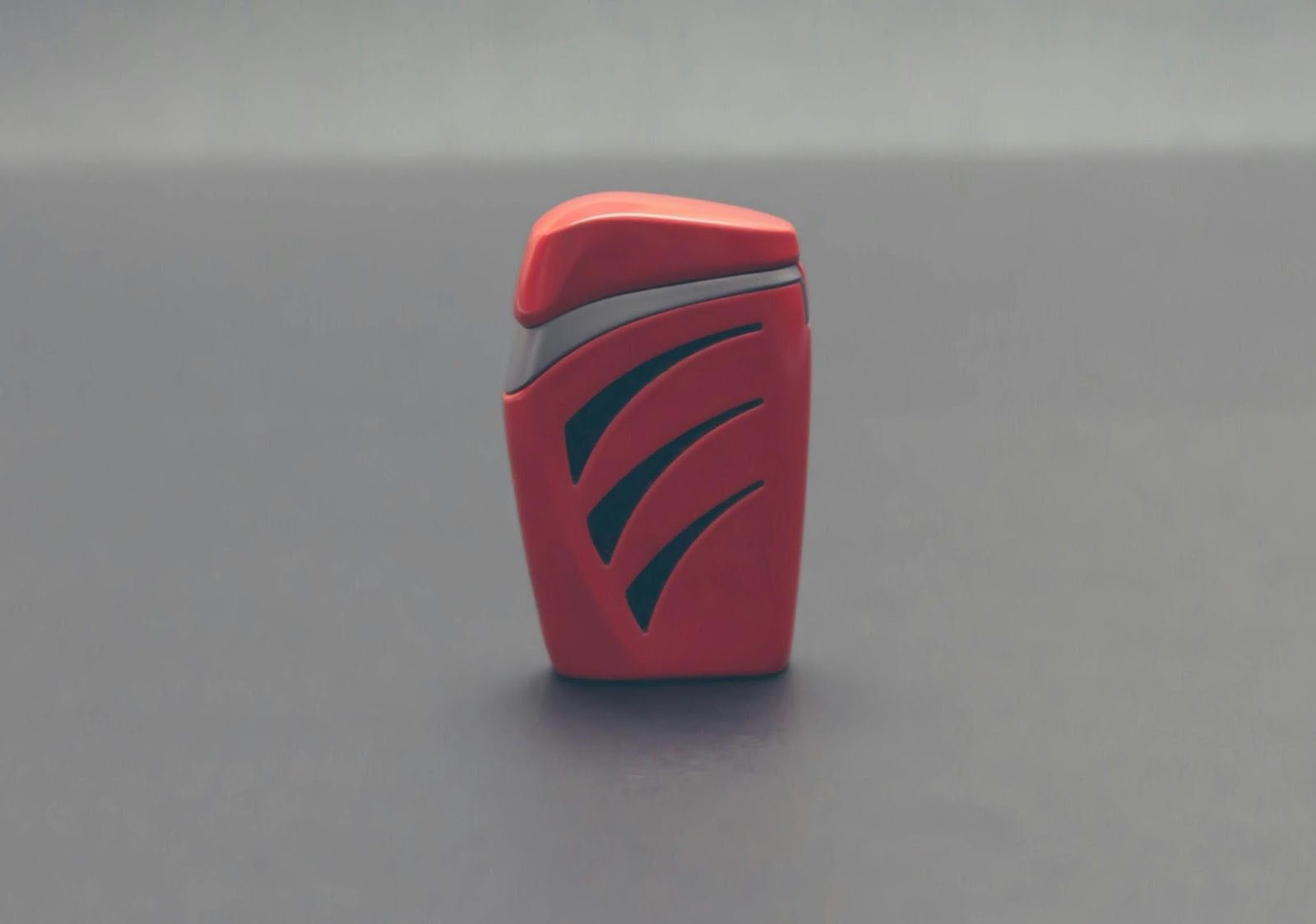
A good product design balances form and function. Beyond aesthetics, your product should be intuitive, efficient, and enjoyable to use. Think about the user journey—from unboxing to daily use—and how every detail contributes to satisfaction.
Pay attention to:
- Ease of use and accessibility
- Ergonomics and comfort (for physical products)
- Intuitive navigation (for digital interfaces)
- Materials, textures, or visual consistency
When product design prioritizes user experience, customers are more likely to trust, recommend, and stay loyal to your brand.
Check out the #1 best-seller Inspired: How to Create Tech Products Customers Love for more ideas!
5. Refine Your Branding and Presentation
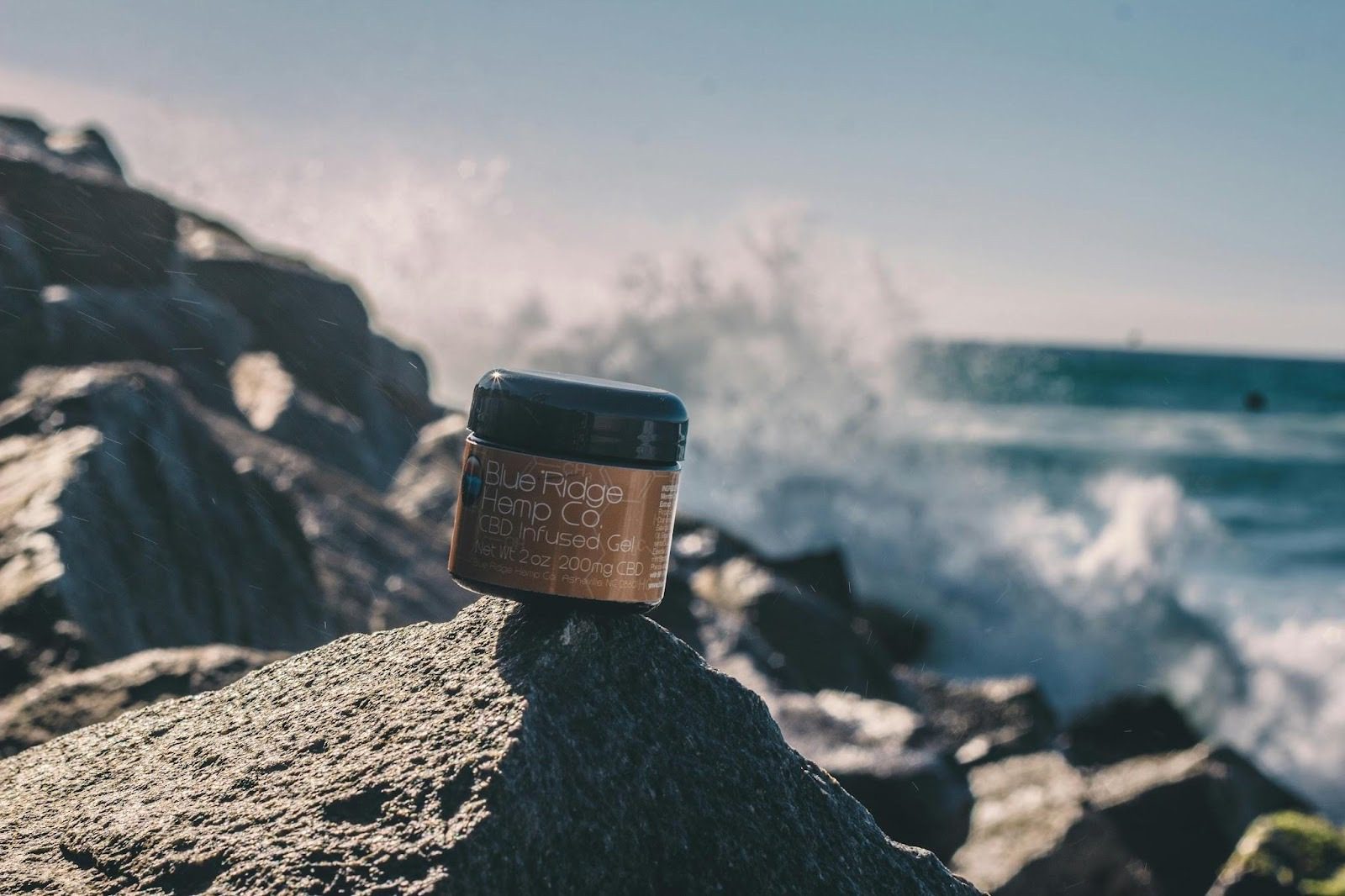
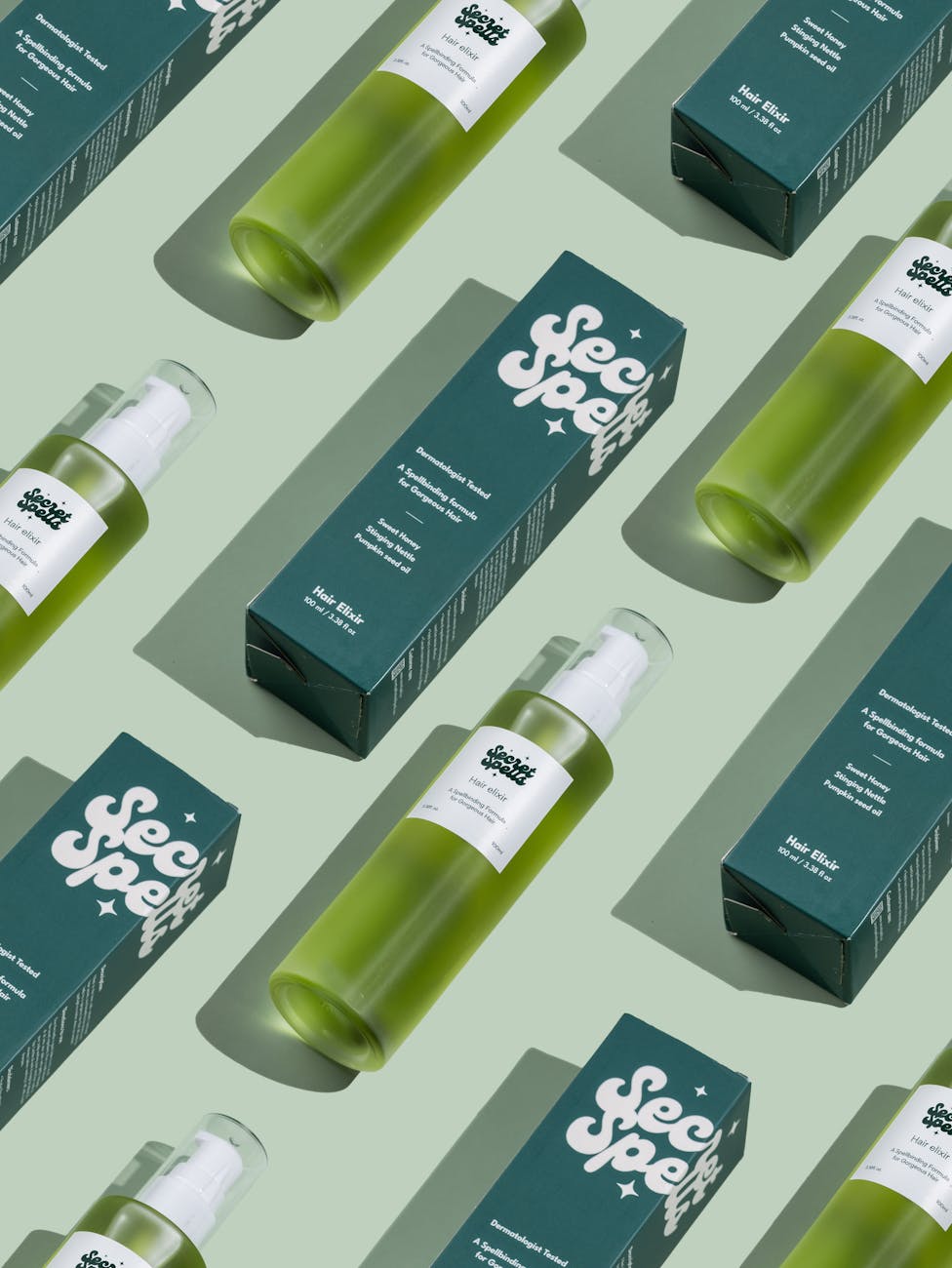
The way your product looks, feels, and is presented to the world can make or break its success. Branding is an extension of product design—it’s the story your product tells before anyone even uses it.
This includes packaging design, messaging, logo placement, and overall identity. Ask yourself how your design communicates your brand’s values and differentiates you from competitors. A strong visual identity creates emotional resonance and helps your audience connect with your product on a deeper level.
Dive deeper into branding strategy in Obviously Awesome: How to Nail Product Positioning so Customers Get It, Buy It, Love It.
6. Launch, Learn, and Improve
Even after your product hits the market, the product design process isn’t over. Gathering post-launch feedback allows you to identify what’s working and where improvements can be made.
Monitor customer reviews, support requests, and usage data to find patterns. Continuous improvement ensures your product evolves with user expectations and remains competitive long-term.
Remember: the best brands view product design as an ongoing journey, not a one-time project.
Bonus Read: Why Packaging Design Is Part of Customer Service Levels (And How to Get It Right)

Final Thoughts on Product Design
Effective product design blends creativity, research, testing, and strategy. By following these six steps—from idea to iteration—you’ll not only create something beautiful but also something that genuinely serves your users and strengthens your business.
Whether you’re developing your first product or refining an existing one, investing time and thought into each stage of the design process is what transforms an idea into a lasting success.
Subscribe
Grow Your Business Beyond Product Design . . .
- Quick Startup Guide to Selling Products Online
- Why Packaging Design Is Part of Customer Service Levels (And How to Get It Right)
- 5 Essential Strategies to Build Brand Visibility Long-Term
- The Business Owner’s Guide to Video Surveillance & VMS for Company Security
- 10 Proven Ways to Increase Your Business Visibility Online and Offline
- Challenges of Cryptocurrency Operations in Enterprises and Solutions for Smooth Crypto Integration
- Why Email Security Still Gets Overlooked (And What To Fix Today)
- The Low Down on Launching a Profitable Blog
- NFTs in Three Easy Steps: A Quick Beginner’s Guide
- Top 4 Business Software Tools To Keep You Organized
- 5+ Top Data Centers Supporting Houston’s Small Business Growth
- Business Technology to Propel your Company Forward
- 5 Top Digital Marketing Agencies Reviewed in 2025
- How to Invest in Your Business for Long-Term Success
- Office Perks that Work for Every Generation on Your Team
- When To Update Your Business Office Design
- Collaboration: The Secret to Saving Money Without Sacrificing Quality
- 7 Crucial Features You Need For A User-Friendly Business Website
- How to Do Influencer Marketing Like a Pro: Crush the Game and Build Your Brand
- How To Build Your Trade Firm’s Online Presence
- 5 Common Legal Issues Small Business Owners Face
- Upgrade Your Zoom Meetings with an Eye-Catching Virtual Background
- The Ultimate Guide to Financial Independence
- 4 Ways to Make Your Business More Accessible
- Should You Invest in a Commercial Property or Rent?
- How to Choose the Perfect Store Location for Your Retail Business
- Signs You’re Ready To Expand Your Business
- 6 Ways Preventative Maintenance Saves Your Business Money
- 4 Top Traits Of Exceptional Business Leaders
- What You Need to Know Before Hiring Family Members
Share this Post on Social Media!
For more inspiration follow my Pinterest Board: Finance and Investment.
