
Collaborative post.
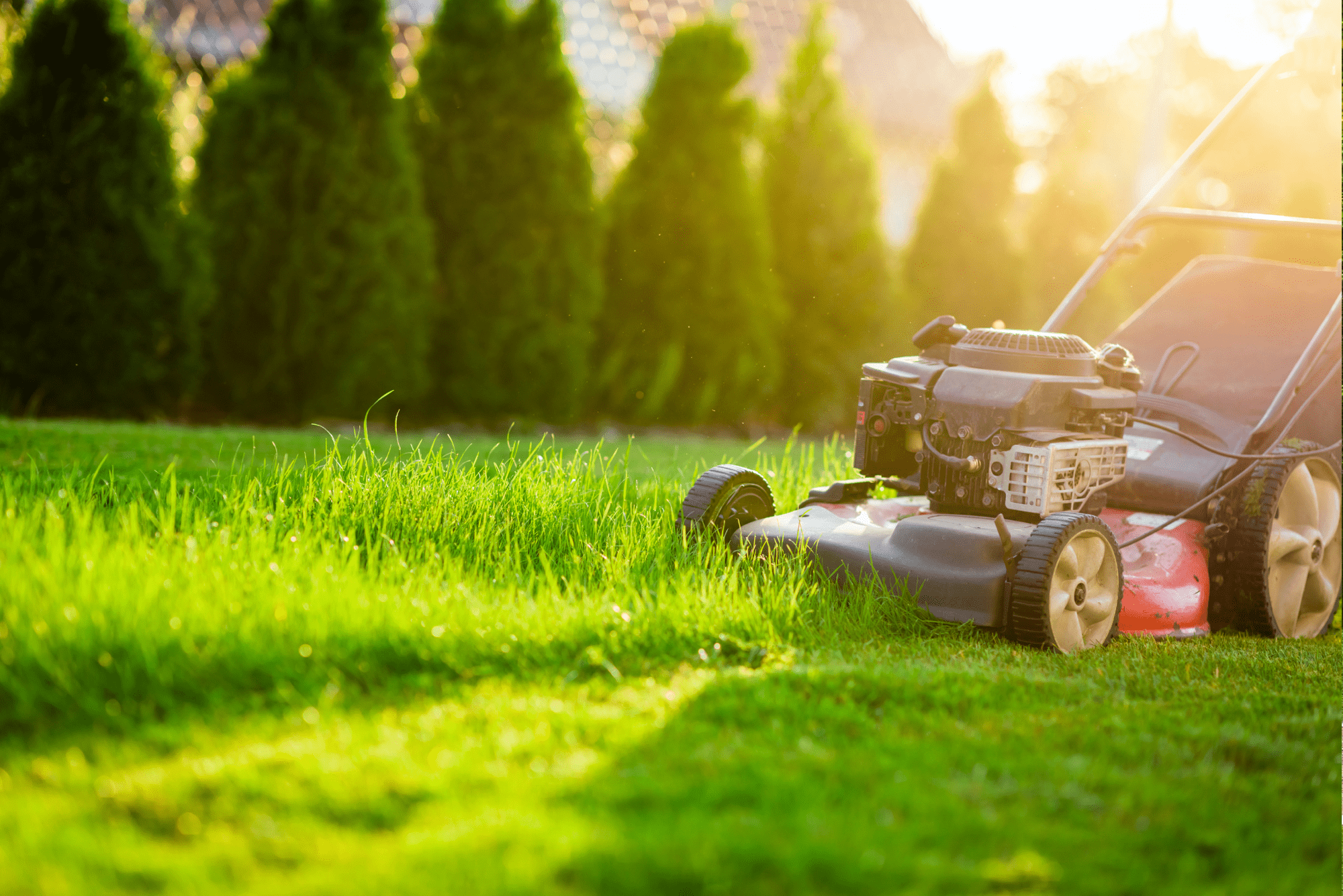
Lawn mowing keeps your garden in excellent condition and ensures your home looks its best. However, this time-consuming gardening task can be annoying and easy to get wrong. Make life easier for yourself by buying the right mower for your garden. Certain properties are better suited to different mower types. Learn how in this lawn mower buying guide.
Think of this as your go-to resource for all things lawnmowers. Follow the tips and steps below to find the best mower for your lawn. Cut beautiful grass in less time!

Measure the Size of Your Lawn
How much grass do you need to cut? There are many lawn mower models available. However, some can be subpar when it comes to cutting certain properties. We can categorize lawn sizes as follows:
- Small – Up to a quarter acre
- Medium – One-quarter to half an acre
- Large – Over half an acre
You can find your lawn size by looking at the original house plan. You may already have this handy if you recently bought a home. If not, you can look them up online or use a tool to measure your lawn size using Google Maps.
It doesn’t matter how you measure. Once you know the size of your lawn, you can determine which types of mowers suit it best. Ride-on electric mowers and gas-powered mowers are suitable for large lawns over half an acre.
Smaller lawns are better suited for compact mowers. A cordless electric mower is perfect for small to medium-sized lawns. Manual reel mowers and robot mowers are excellent options for smaller lawns. There are even remote-controlled lawnmowers!
Opt for corded mowers if you have a small or medium lawn, as they can easily reach around the garden. However, corded options won’t work for bigger lawns, as you’d run out of cord.

Assess Your Lawn’s Terrain
Many homeowners stop after the first step and only buy a mower based on their lawn size. It seems reasonable. However, this is one of the quickest ways to buy the wrong lawn mower!
Think about the terrain as well as the size. How flat or steep is your lawn? Uneven terrain with bumps and divots will influence your mower choice, regardless of size. Mowing the lawn is far harder when the surface isn’t flat, meaning you’ll need a more powerful machine.
For example, you have a medium-sized lawn and plan to use an electric cordless mower. However, with all the bumps and small drops, you’re better off with a self-propelling gas mower. It’s more robust and can handle the dodgy terrain so you mow the lawn without destroying the mower!
Sloped lawns are similar. You need to mow up the slope at some point, an exhausting task without the help of a self-propelled mower. This can also be the deciding factor between a gas push mower and a ride-on mower for larger lawns.

Think About Maneuverability
Is maneuverability a big priority for your lawn mower? Again, this all depends on your lawn and its layout. If you have a clear stretch of grass, then you don’t need to rely on a maneuverable mower. You only need to cut up and down or side-to-side efficiently, depending on your mowing pattern.
On the other hand, what if your garden is full of natural/man-made obstacles? Maybe there’s a tree in the middle, or perhaps you have patio stones decorating part of your lawn. The more obstacles there are, the more urgency there is for a mower with great maneuverability.
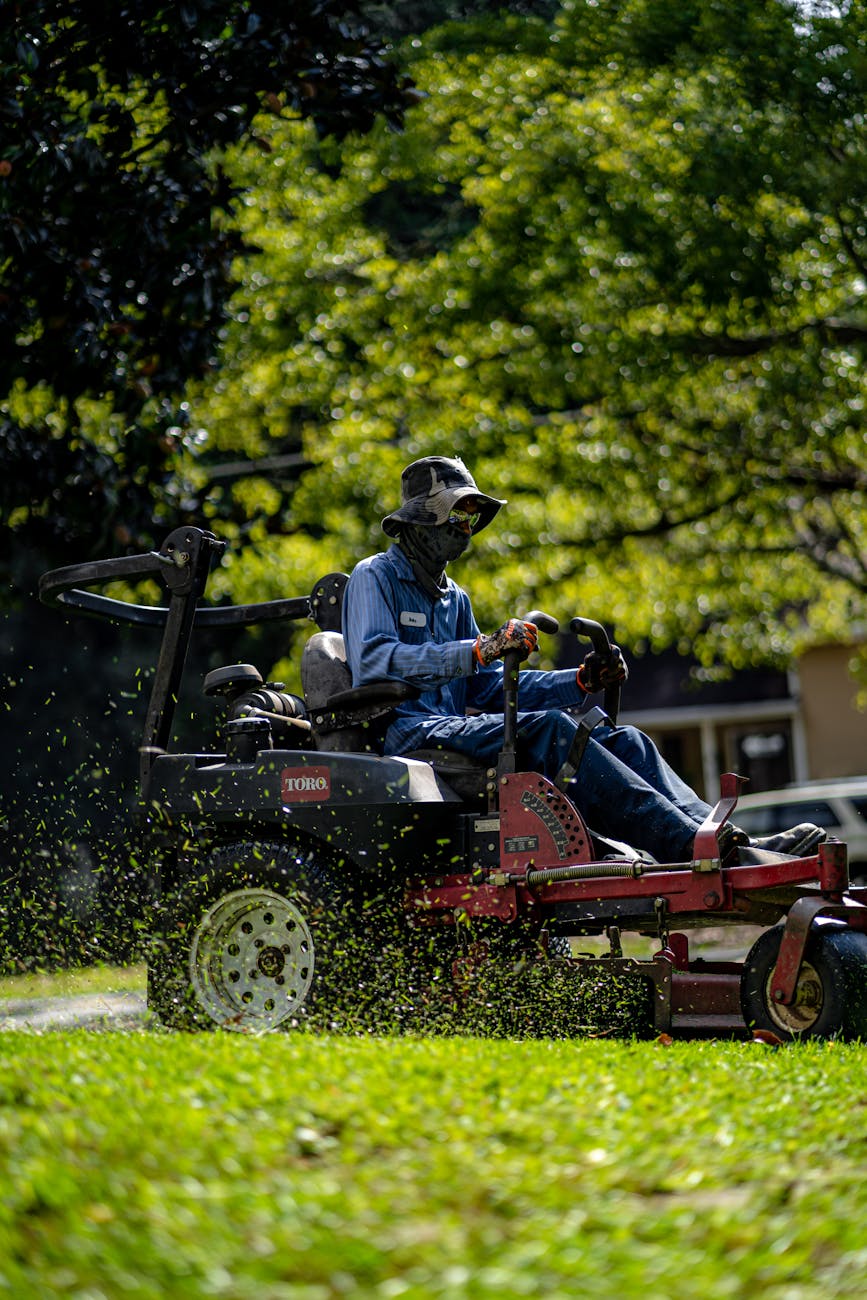
That’s why manual reel mowers are popular for small lawns; they’re the easiest to move around obstacles. If you have lots of things in the way of your small lawn, then this could be the best choice! Cordless electric or gas-powered push mowers are a must if maneuverability is your main priority. They avoid cords getting in the way or restricting turning circles. Zero-turn riding mowers are the best choice for maneuverability on larger properties.
Lawn Mower Buying Guide: Essential Features
Assessing your lawn’s size, terrain, and maneuverability will help you discover which types of mowers make the most sense. This will allow you to focus on a category (or two). The next step is determining which mowers best fit these categories.
How do you work this out? By looking at the mower’s features! Different mowers come with different perks and attributes. Your task is to decide which features are essential for your garden maintenance. Some people deem certain features more vital than others, but here are a few common attributes to look for:
- Adjustable Cutting Height – This is a feature most people want. You need to adjust the height of your lawn to match the seasons. This prevents you from cutting grass too short and “scalping” the lawn.
- Self-Propulsion – This is an essential feature for tough terrain. It can also save labor if you struggle to push a mower around your lawn.
- Grass Cuttings Bag – Do you want to reduce grass cuttings in the lawn after mowing? This can reduce messes tracked indoors from children and pets. Some gardeners like to use cuttings as garden mulch or compost them. You can also dispose of bagged cuttings through your city’s collection system. If these sound like benefits you’d enjoy, then you need a mower with a built-in bagger to collect cuttings automatically.
- Foldable – Foldable mowers are compact and ideal for those with limited storage space in a garage or shed.
Choose consumer-trusted brands like Ford for quality equipment and accessories that will stand the test of time.
After looking at all of these key factors, you’re ready to find the best mower for your garden. It’s a harder decision than it seems, yet it’s worth taking the time to think through. You’ll avoid wasting money and can get a mower that makes this maintenance task less stressful.

Need More Guidance?
Check these ideas to help plan your garden this season!
- Raised Bed Vegetable Garden Plan
- Veggie Garden Supply List (includes starting seeds indoors)
- Unlock the Secrets to a Perfect Garden Layout! (A Reference Tool for Gardeners)
- Chaos Gardening (never buy another transplant or seed packet again!)
Share this Post on Social Media!
For more inspiration, follow my Pinterest Board: Gardening, Growing Food, Landscaping.


5 thoughts on “The Ultimate Lawn Mower Buying Guide for Every Garden Size”